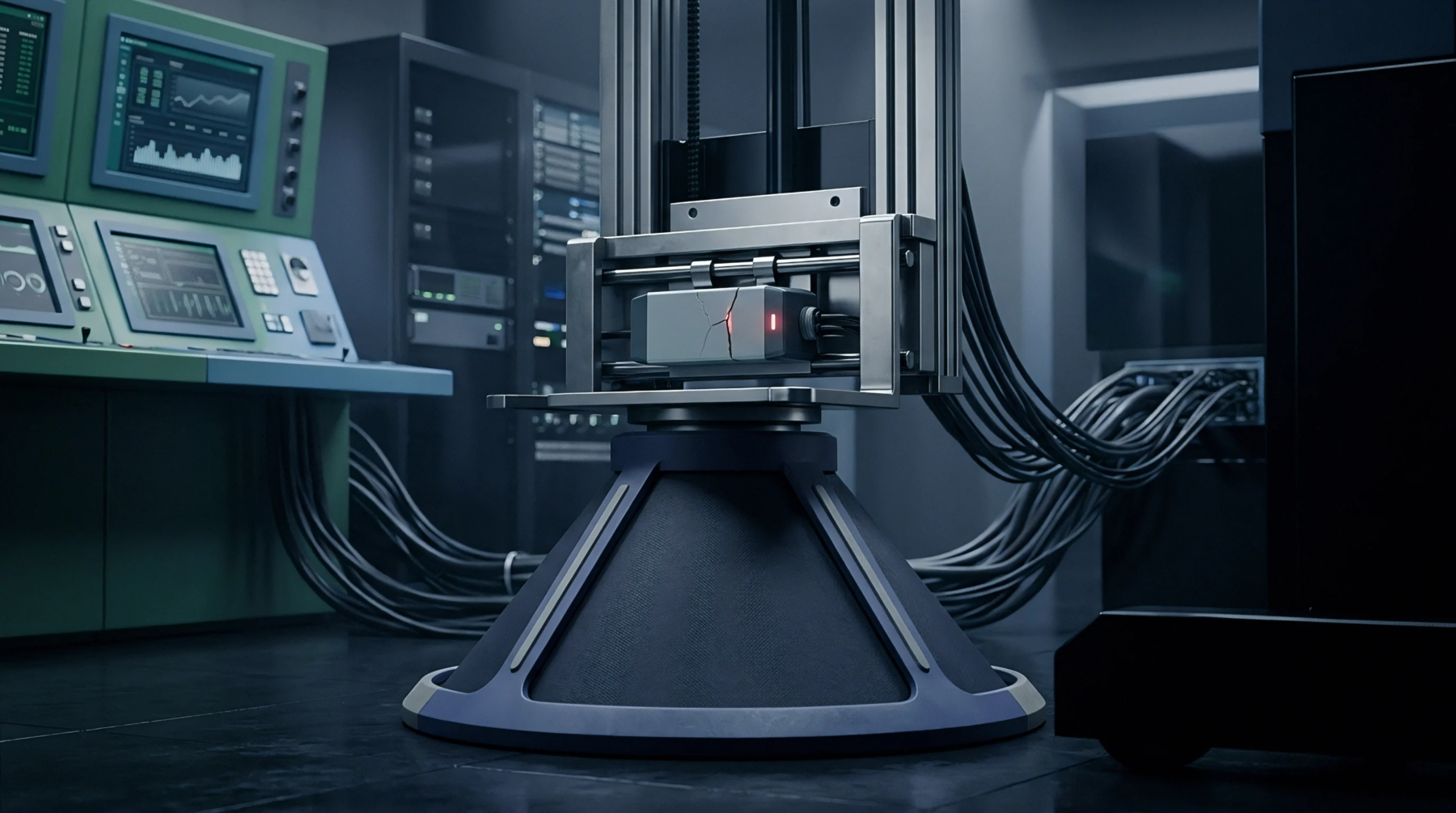
Mechanical Decoupling
Physical voids cut entirely through printed circuit board substrates sever the continuity of glass-epoxy laminates to isolate critical circuit sectors. Within precision sensor assemblies, routing slots interrupt the transmission of mechanical stress waves propagating from board mounting screws, thermal expansion differentials, and structural housing deflections. By creating a physical gap in the PCB material, these milled channels redirect mechanical strain trajectories around sensitive functional areas containing surface-mount transducers or precision analog references.
The technique achieves strain attenuation without requiring separate daughterboards or costly external flex-rigid interconnects.
Trace Preservation
Slotted boundaries disrupt electrical return paths across adjacent reference planes, requiring careful conductor routing along remaining substrate bridges. When microstrip or stripline signals cross unshielded board boundaries without dedicated ground continuity, loop inductances rise, compromising signal integrity and electromagnetic compatibility. Engineering layouts mandate that all functional traces traverse narrow connecting necks directly above continuous ground pours, preventing loop antennas from forming.
High-voltage clearance requirements also utilize these cutouts, preventing surface tracking and dielectric breakdown across high-potential differentials under humid operating environments.
Stress Attenuation
Finite element mechanical simulations show that isolating a sensor site with U-shaped or perimeter slot configurations reduces transferred board bending strains by up to eighty percent. Substrate flexure induced by external connectors or frame torquing terminates at the slot boundary, forcing the isolated island to float flat relative to the distorted host board. Dynamic drop impacts dissipate mechanical energy through structural deflection of outer board margins, protecting ceramic package solder joints from destructive tensile fracture.
Thermal expansion of large surrounding copper pours expands into the void rather than compressing sensitive components mounted on the isolated platform.
Milling Tolerance
Fabrication standards require precise numerical control machining to prevent micro-cracking and fiber tear-out along slot perimeters. Quality inspectors check board routings against IPC-A-600 accept-reject standards, verifying that cut edges remain smooth, free of delamination, and clean of burrs that could compromise environmental coatings. Milling tolerances dictate slot width accuracies within plus or minus point one millimeter, ensuring that nominal creepage distances remain fully compliant with safety certifications.
High-volume testing applies mechanical bending fixtures to measure strain transfer into dummy chip packages mounted within the isolated zone. PCB lots showing inadequate attenuation fail mechanical incoming quality verification.