Alloy Structure
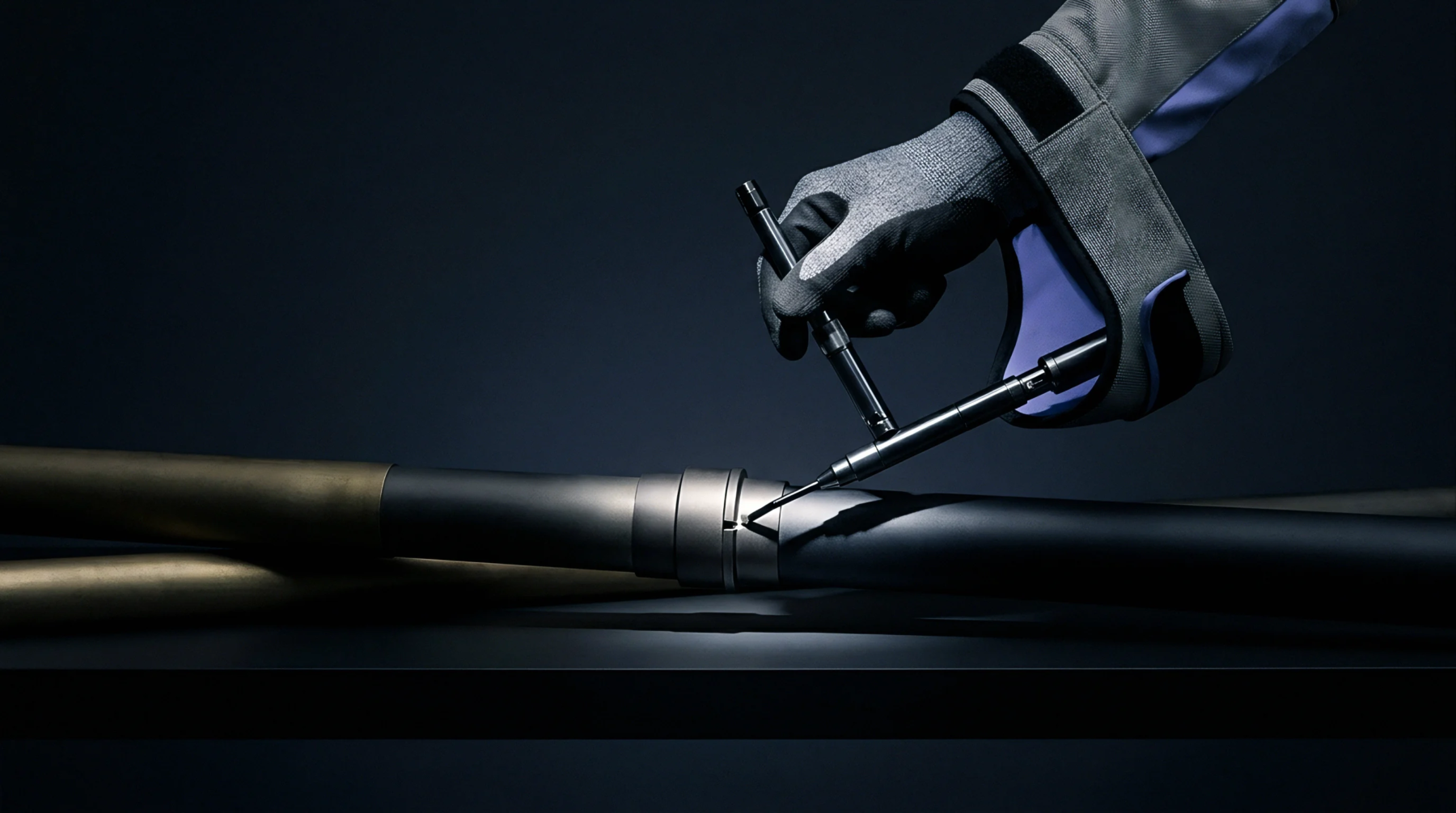
Near-eutectic ternary alloys composed of tin, silver, copper, and trace additives constitute the primary interconnect medium for surface-mount electronic assembly. Solder joint formation using sac305 lead-free solder occurs at a liquidus temperature of two hundred seventeen degrees Celsius, requiring reflow peak profiles between two hundred thirty-five and two hundred forty-five degrees Celsius. Mechanical integrity under thermal cycling depends on grain structure and precipitation hardening by tin-silver and tin-copper intermetallic phases.
Standard shear testing of surface-mount components measures bond strength against IPC-A-610 acceptance criteria. Non-destructive X-ray inspection quantifies void area percentage inside thermal pad solder joints.
Intermetallic Formation
Interfacial reaction during reflow forms copper-tin intermetallic layers at the board finish boundary. Continuous thermal exposure causes sacrificial copper dissolution, while sac305 lead-free solder aging leads to intermetallic layer growth that weakens impact resistance under mechanical drop conditions. Nickel-gold surface finishes inhibit rapid intermetallic growth compared to bare copper.
Fatigue Degradation
Thermomechanical stress caused by coefficient of thermal expansion mismatches generates cyclic shear strain during operational temperature fluctuations. Grain coarsening within sac305 lead-free solder accelerates micro-crack initiation along grain boundaries. Acceleration factors modeled by Engelmaier equations translate thermal cycling test results into field operating lifetimes.
Thermal Limit
Operating temperatures approaching eighty percent of the absolute melting point accelerate creep deformation mechanisms within the joint. Under continuous operation above one hundred twenty-five degrees Celsius, sac305 lead-free solder experiences elevated stress relaxation rates that reduce mechanical retention force on heavy sensor assemblies. High-temperature applications require high-lead or bismuth-based alternative alloys.