
Evaluating SMT Yield Loss and Calibration Cost in Discrete Transducer Assembly
Discrete transducer SMT yield loss and calibration costs depend on pad symmetry, post-reflow strain aging, and test cell chamber dwell times.
Discrete transducer SMT yield loss and calibration costs depend on pad symmetry, post-reflow strain aging, and test cell chamber dwell times.

Elastomer creep alters baseline compressive stress on MEMS packages, causing long term zero drift that requires digital firmware offset compensation.
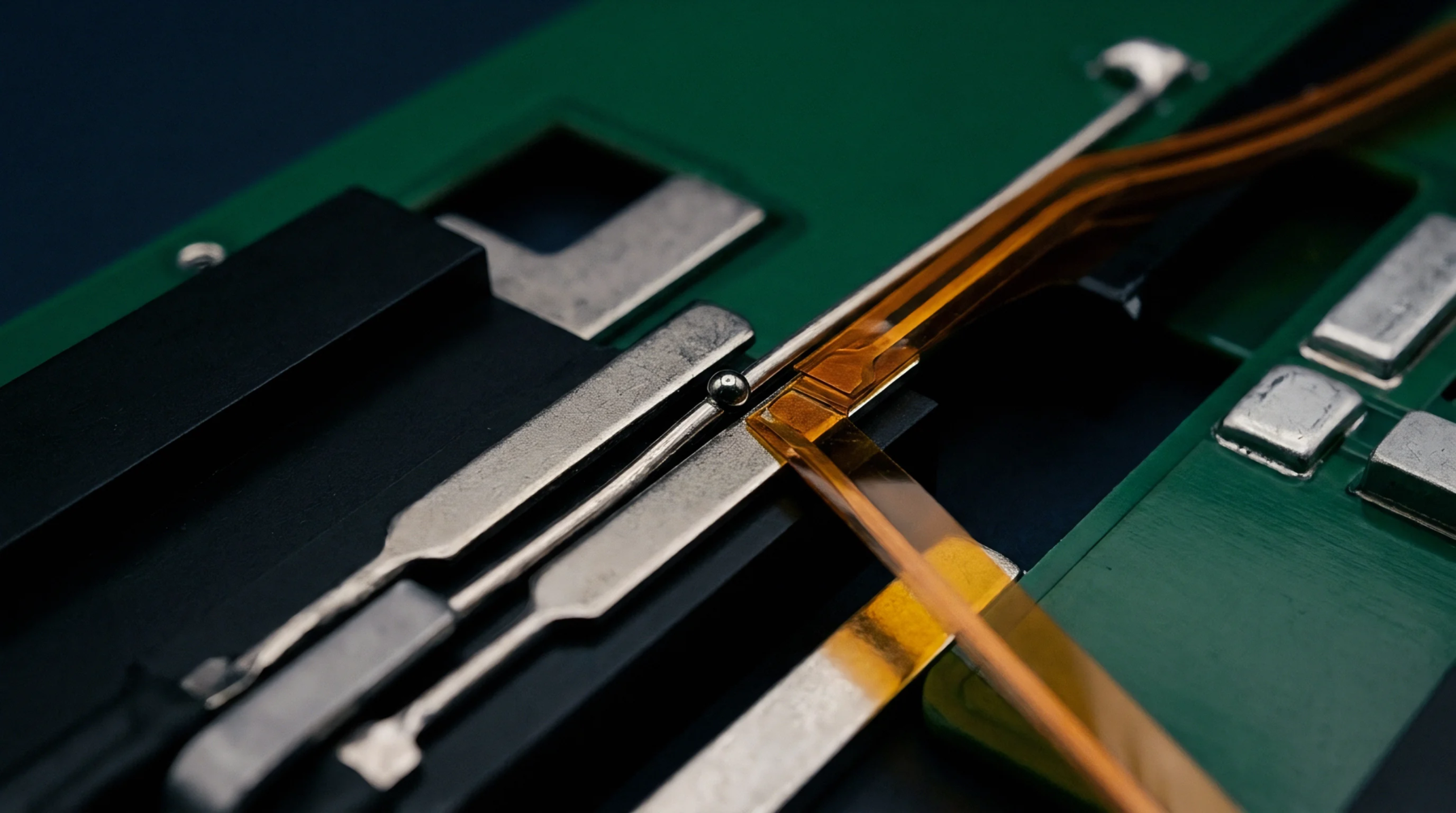
Milled PCB isolation slots and controlled solder standoff heights decouple surface mount pressure sensors from assembly flexure and thermal board strain.
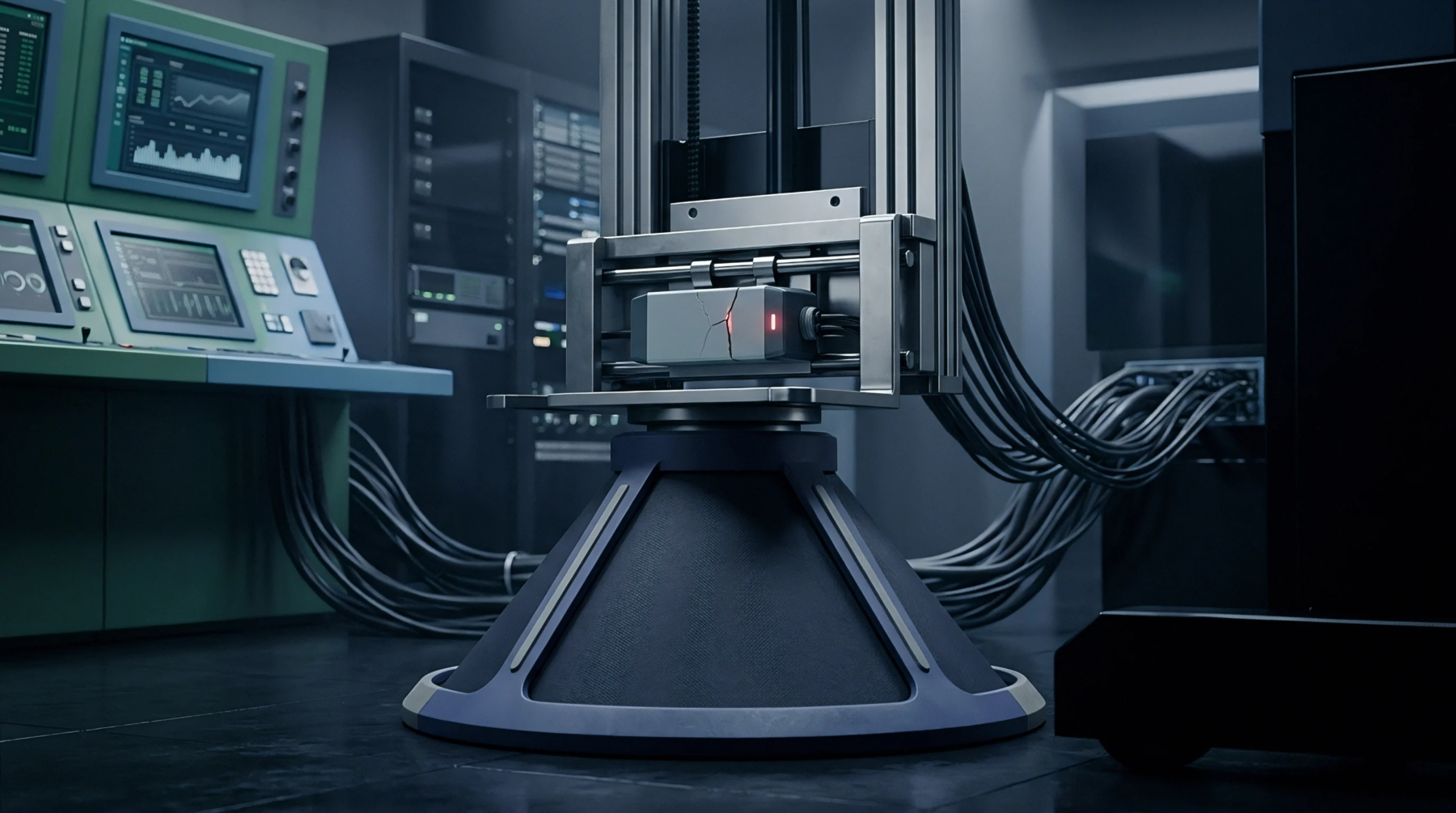
Dynamic asymmetric board strain couples into silicon piezoresistors via solder joints, causing uncompensated baseline drift mitigated by PCB isolation slots.
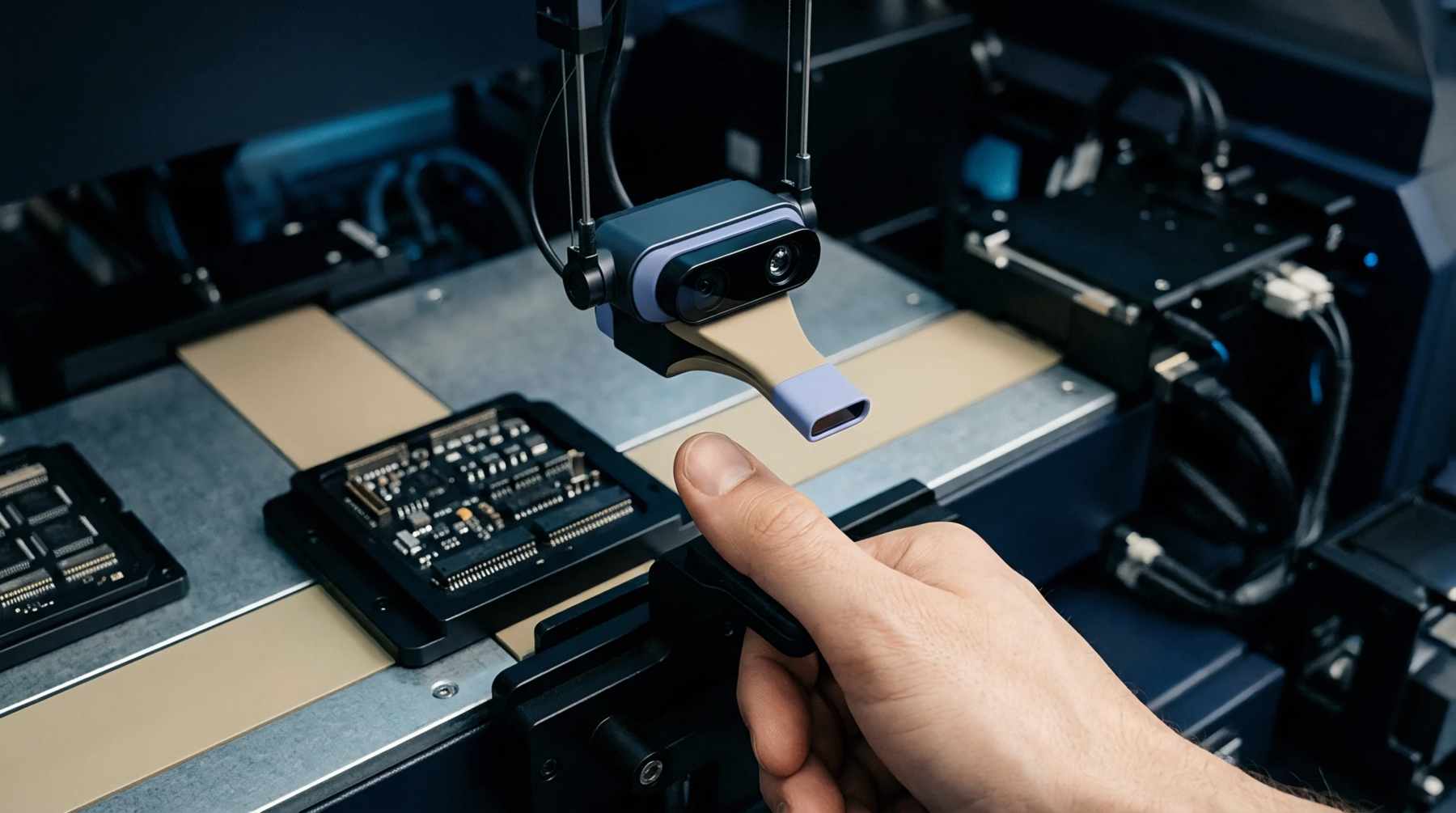
Component obsolescence decisions require balancing upfront board redesign NRE against multi-year nitrogen storage capital tie-up and solderability decay risks.

Wafer bank conversion agreements convert raw iso-die into multi-form sensor packages, shifting supply risk while managing lead time, yield, and bus drift.
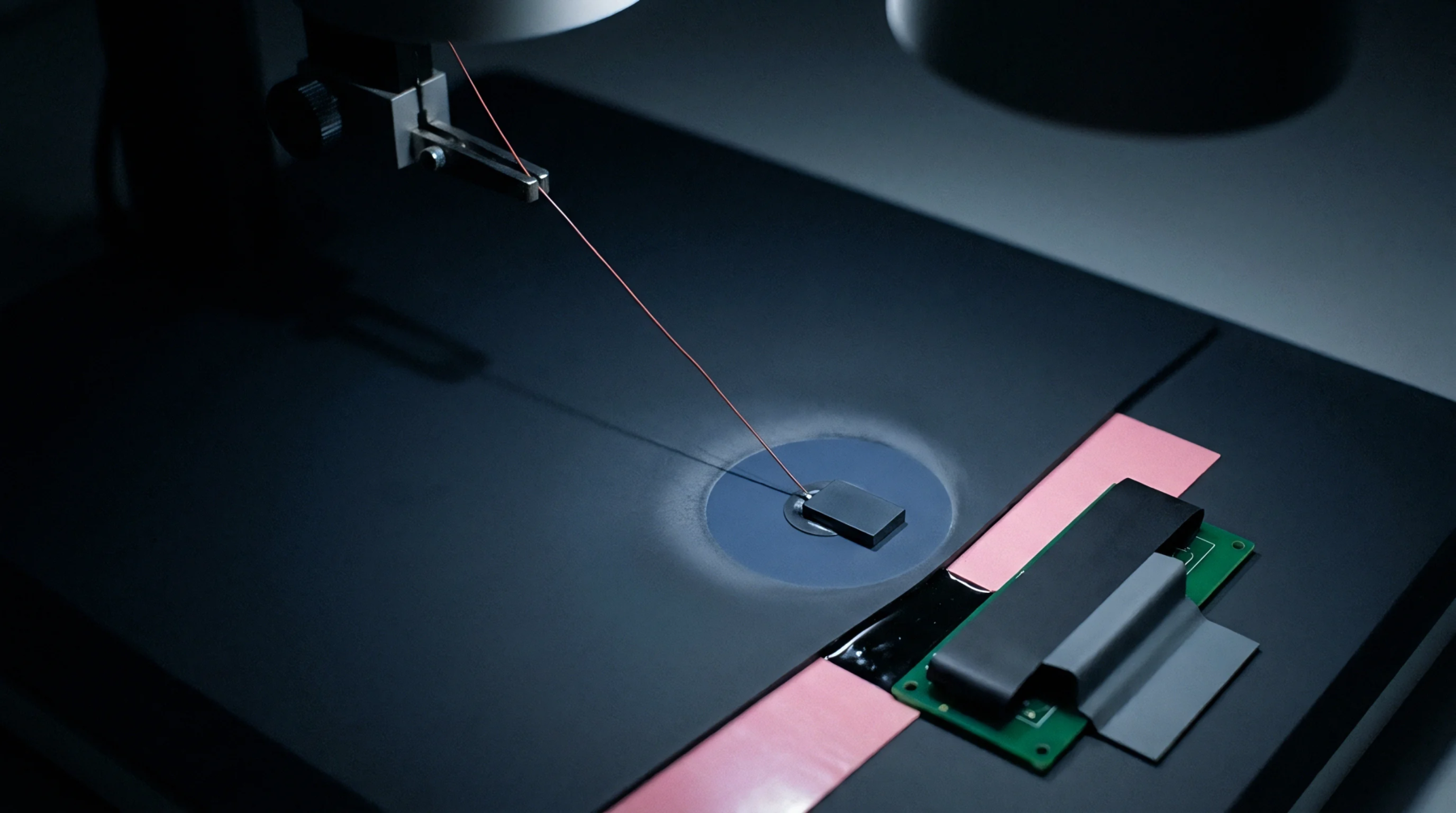
PCB deformation transfers mechanical strain through solder joints into surface-mount sensor dies, causing severe zero drift that requires package isolation or layout slots.

Sourcing sensor modules eliminates 4 to 12 weeks of driver engineering, flipping break-even economics below 15,000 units despite higher unit BOM prices.

Selecting die packaging forms requires matching land pattern mechanical stress, bus wiring distance, and calibration stability against landed unit economics.
Expertise is a utility, not a secret. sentiention™ publishes its working knowledge as open reference: intelligence layer covering the materials it sources, the markets it enters, and the reference that serves both.