Barrier Protection
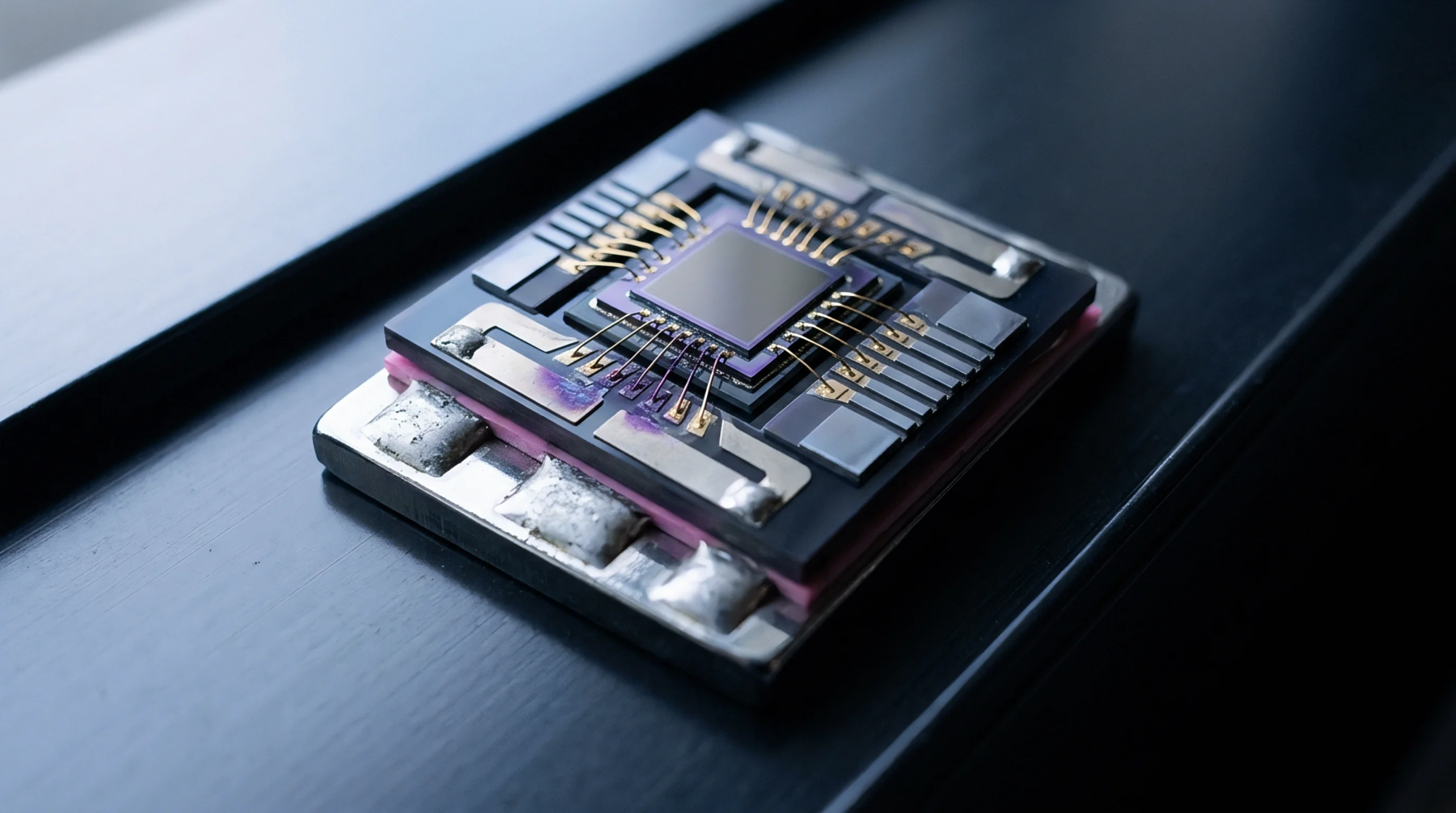
Conformal insulation protects delicate electronic assemblies from moisture, chemical solvents, and airborne contaminants. The application of a parylene coating provides a pinhole free barrier that adheres to complex geometries and sharp edges. This protective layer ensures that sensitive sensor circuits remain isolated from harsh operating environments.
Deposition Process
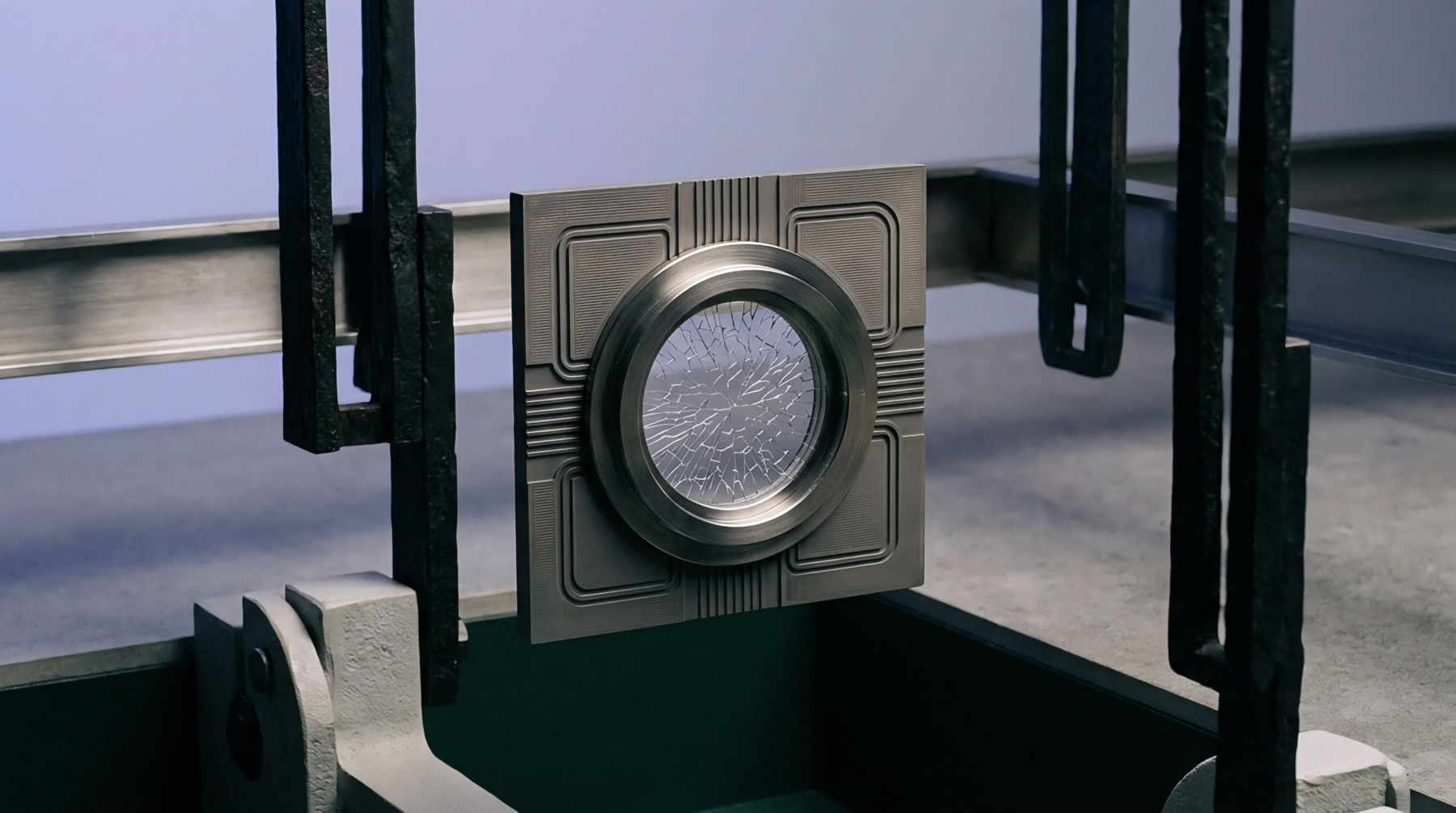
Chemical vapor deposition takes place under a vacuum to apply the polymer evenly across all exposed surfaces. The raw dimeric material evaporates at high temperature, pyrolyzes into a reactive monomer gas, and then deposits on the substrate at room temperature. This vapor phase deposition allows the polymer to penetrate narrow gaps and coat undercuts that liquid coatings cannot reach.
Thickness Control
Precise adjustment of the starting mass of the dimer determines the final thickness of the polymer film. For sensor applications, a typical thickness of two to ten micrometers provides adequate electrical insulation without adding excessive mass.
Sensor Performance
Enclosing a microelectromechanical sensor in a protective polymer film prevents corrosion of the sensing elements while maintaining mechanical sensitivity. This polymer barrier resists acids, bases, and organic solvents, which extends the operational life of the device in industrial applications. Because the deposition occurs at room temperature, it introduces minimal thermal stress into the delicate assembly, protecting its calibration.