Surface Mount Encapsulant Moisture Absorption and Material Characterization
Encapsulant moisture saturation lowers matrix glass transition temperatures and generates destructive internal vapor pressures exceeding four megapascals at reflow.
Resin
Capillary condensation and hydrogen bonding drive atmospheric moisture ingress into epoxy mold compounds, glob-top formulations, and liquid underfills. Water molecules penetrate the open free volume of the crosslinked thermoset network. Within typical fused-silica-filled epoxy cresol novolac systems, moisture equilibrium concentrations reach 0.20 percent to 0.65 percent by weight under standard conditions of 85 degrees Celsius and 85 percent relative humidity.
Fickian diffusion governs this initial mass uptake, characterized by an apparent diffusion coefficient ranging between 1.0E-08 and 9.5E-08 square centimeters per second at elevated preconditioning temperatures.
Sorption kinetics accelerate as ambient relative humidity rises, shifting the glass transition temperature downward through plasticization. Every one percent of absorbed moisture by weight suppresses the glass transition temperature of standard cycloaliphatic and biphenyl epoxy systems by roughly 15 to 25 degrees Celsius. This reduction alters the mechanical response of the package during surface-mount soldering.
The matrix softens prematurely along the thermal ramp, lowering the storage modulus while dramatically increasing the coefficient of thermal expansion below the solder liquidus point.
Moisture saturation at 85 degrees Celsius and 85 percent relative humidity lowers the glass transition temperature of biphenyl mold compounds by 18 to 22 degrees Celsius.
Fillers modify these bulk absorption kinetics. Fused spherical silica particles, loaded between 75 and 90 percent by weight to match the thermal expansion of copper leadframes and silicon dies, do not absorb moisture internally. The polymer-filler interface acts as a preferential accumulation zone when coupling agents degrade or undergo incomplete silane condensation.
Moisture accumulation along these microstructural boundaries creates localized capillary pathways, permitting non-Fickian dual-mode sorption behavior wherein moisture clusters along micro-voids and phase boundaries.
Silicone potting gels present an inverse behavior profile compared to densely crosslinked epoxies. Polydimethylsiloxane matrices exhibit water vapor transmission rates several orders of magnitude higher than filled novolac epoxies, yet their equilibrium moisture solubility remains below 0.15 percent by weight due to low surface energy. Fluorosilicones and aliphatic polyurethane formulations occupy intermediate positions, balancing low dielectric drift against elevated water transport rates.
| Material Chemistry | Filler Loading (wt %) | Diffusivity at 85C (cm2/s) | Saturation Moisture (wt %) | Dry Tg (C) | Wet Tg (C) |
|---|---|---|---|---|---|
| Biphenyl Epoxy Novolac | 86 to 89 | 2.1E-08 | 0.28 | 145 | 124 |
| Multi-Functional Epoxy | 82 to 85 | 4.5E-08 | 0.42 | 175 | 152 |
| Anhydride Capillary Underfill | 65 to 70 | 8.7E-08 | 0.65 | 130 | 108 |
| Optoelectronic Silicone Gel | 0 | 6.2E-06 | 0.12 | -45 | -46 |
Substrate materials add secondary moisture absorption vectors inside ball grid array and flat no-lead packages. Bismaleimide-triazine laminates and coreless organic substrates absorb between 0.35 and 0.80 percent water by weight under identical exposures. Unequal absorption rates between the upper encapsulation cap and the organic bottom substrate induce hygroscopic swelling mismatches.
Packaging engineers measure this differential expansion using the coefficient of hygroscopic swelling, typically spanning 0.15 to 0.35 parts per thousand per percent moisture content for mold compounds, and up to 0.55 for copper-clad core laminates.
Rupture
Trapped water converts to superheated steam inside internal micro-cavities during the reflow soldering phase. Peak reflow profiles mandate lead-free package exposures between 245 and 260 degrees Celsius for 20 to 40 seconds. At 250 degrees Celsius, the saturated vapor pressure of water exceeds 3.9 megapascals, climbing to nearly 4.7 megapascals at 260 degrees Celsius.
Trapped moisture vaporizes rapidly inside internal voids, delamination sites, and filler interfaces, creating intense hydrostatic pressure within the solid package envelope.
Stresses escalate beyond the ultimate tensile strength of the softened polymer matrix. The phenomenon commonly designated as popcorning initiates when the local interfacial vapor pressure exceeds the adhesion strength between the molding compound and adjacent metallic or silicon surfaces. Die attach paddles, copper leadframe flag surfaces, and silicon passivations serve as primary nucleation sites for vapor-induced separation.
The blister expands until the encapsulation wall cracks, venting the accumulated steam violently into the reflow oven chamber.
IPC J-STD-020 classifies lead-free package vulnerability using peak reflow exposures between 245 and 260 degrees Celsius.
Catastrophic fractures break lead wires and crack internal silicon features. Even when the outer packaging shell avoids visual rupture, internal delamination alters the structural integrity and electrical stability of the sensor assembly. Copper wire bonds shear at the ball neck when package bulging deforms the internal cavity.
On surface-mount capacitive and piezoresistive pressure sensors, internal delamination relieves mechanical prestress unevenly, shifting the zero-pressure sensor bridge offset by dozens of millivolts across a single reflow excursion.
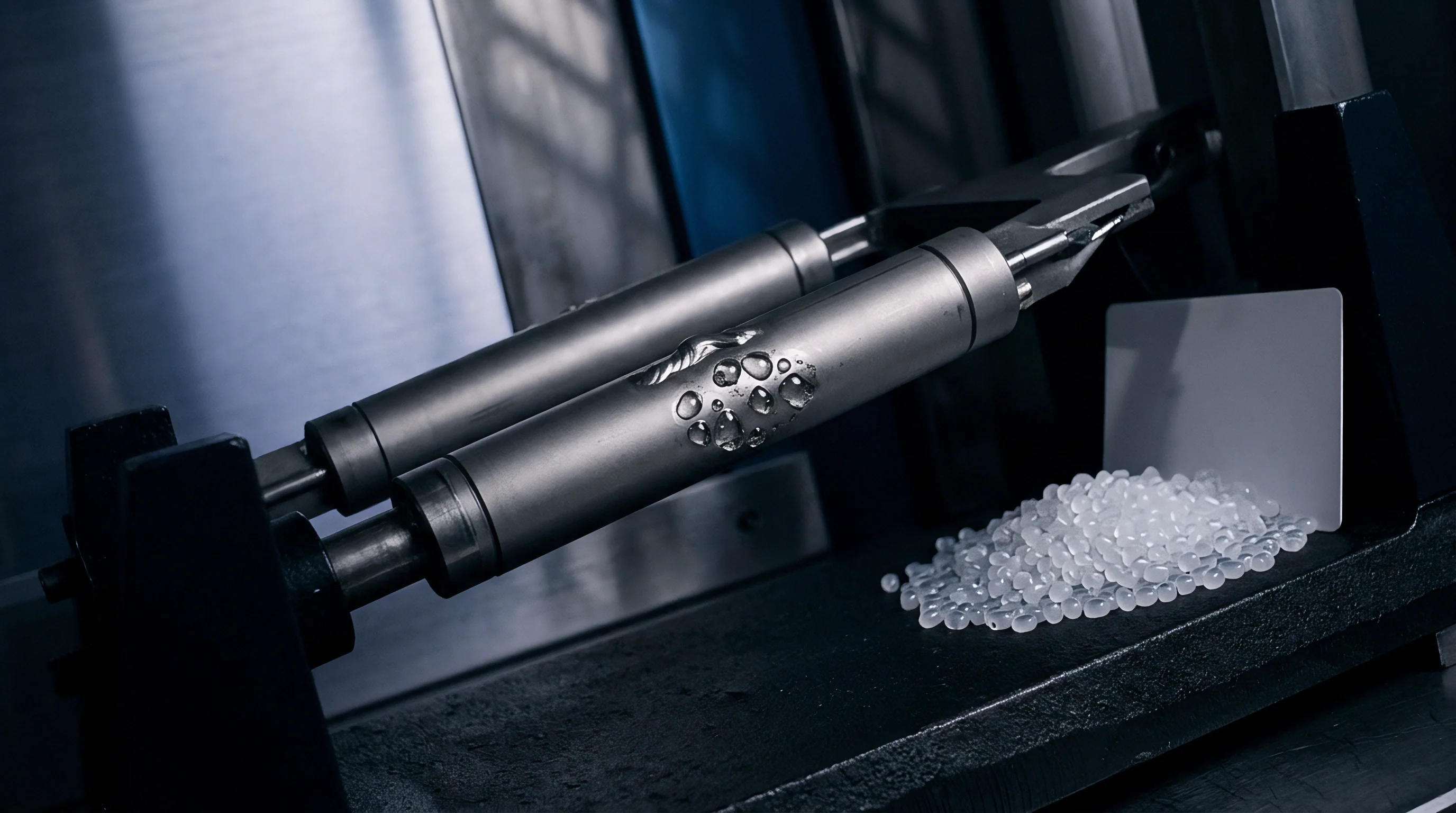
Which Package Geometries Face Extreme Delamination?
Bottom-terminated components encounter the most severe thermomechanical stress fields during convection reflow. Thin quad flat no-lead and land grid array architectures concentrate mechanical stress along short interfacial planes. The following structural elements dictate localized fracture probability:
- Leadframe Flag Surface Treatments alter moisture-assisted adhesion degradation when copper oxide thicknesses exceed 15 nanometers. Zinc-chromium and organosilane coatings preserve critical bond strengths.
- Die Attach Fillet Heights determine corner peeling stresses during vapor expansion. Excessive fillet climb induces package side-wall cleavage under rapid thermal transitions.
- Substrate Core Thicknesses below 150 micrometers flex drastically under vapor pressure, promoting pad-mask tearing along outer solder ball perimeter arrays.
- Mold Cap Thickness Ratios create asymmetric mechanical constraints that channel steam vents directly through thin top surfaces rather than package edges.
Ignoring interfacial vapor pressure mechanics generates persistent field failures through moisture-assisted copper trace dendrite growth, cracked passive components, and open circuit joints after post-reflow storage periods.

Bench
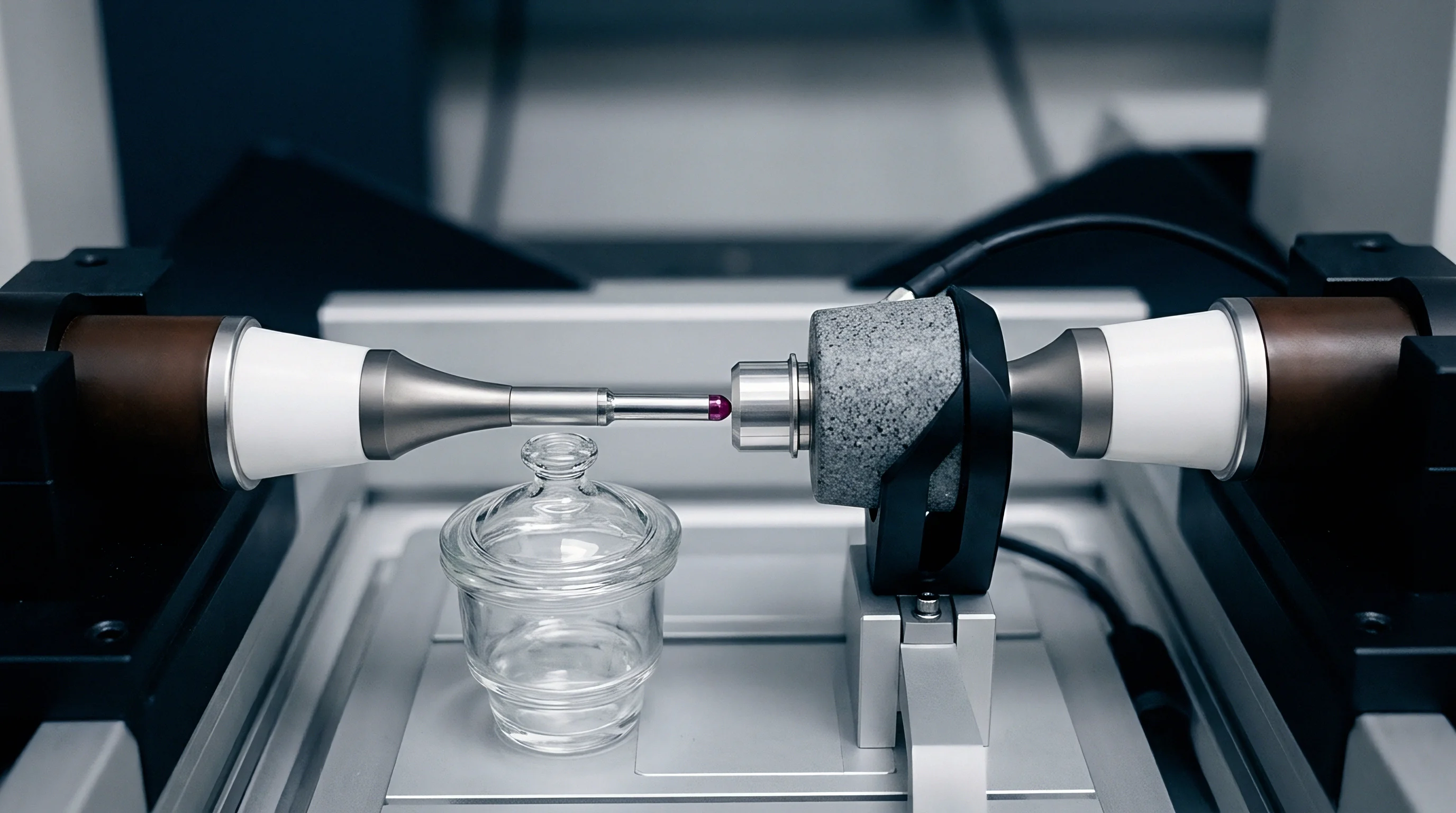
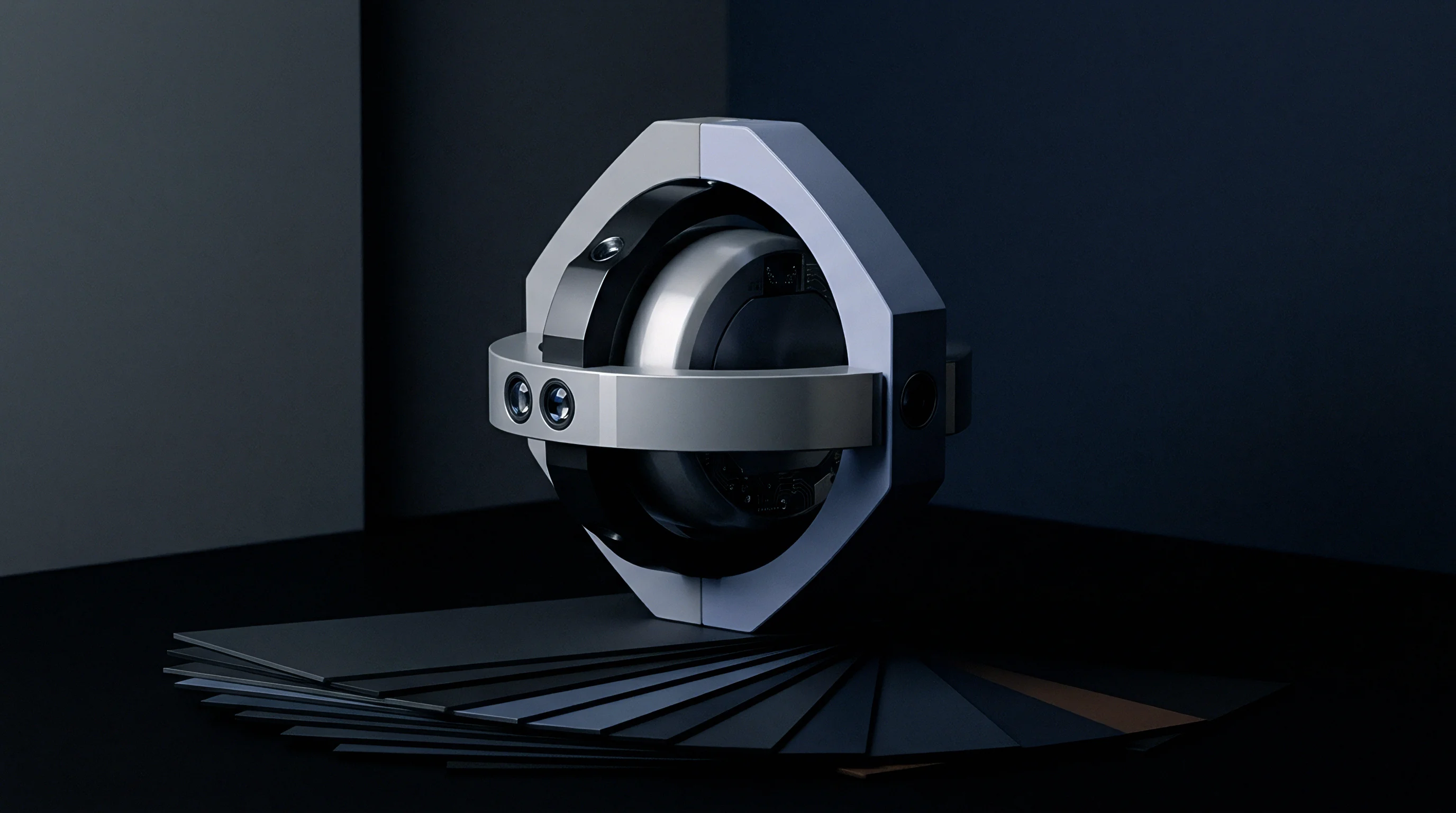
Analytical quantification of water sorption and thermomechanical degradation relies on coupled physical characterization instruments. Dynamic vapor sorption gravimetry measures gravimetric mass changes with microgram resolution across programmed relative humidity steps. Test specimens conditioned inside dynamic vapor sorption chambers generate precise sorption-desorption isotherms at controlled temperatures between 25 and 85 degrees Celsius.
These isotherms reveal whether an encapsulant behaves purely under Henry-Fick dissolution or develops dual-mode Langmuir hole-filling characteristics.
Thermogravimetric analysis determines total desorbed volatile mass when heating cured resin samples up to 300 degrees Celsius at 10 degrees per minute. Integrating mass loss curves separates surface moisture desorption from the decomposition of unreacted crosslinkers and low-molecular-weight oligomers. Thermomechanical analysis tracks thermal expansion coefficients across the glass transition point while measuring hygroscopic swelling under saturated conditions.
Quartz probe penetration geometries quantify matrix softening temperatures before and after humidity exposure.
Silica filler loadings above 85 weight percent restrict volumetric water absorption below 0.30 percent across continuous humidity exposure.
Dynamic mechanical analysis characterizes changes in storage modulus, loss modulus, and mechanical loss factor across wide temperature spans. A dual-cantilever or three-point bend fixture applies sinusoidal oscillatory strain to cured encapsulant bars. Wet samples exhibit a marked downshift in the alpha-relaxation peak corresponding to the glass transition temperature.
Modulus values above the glass transition point drop precipitously, frequently declining by more than an order of magnitude, from 1.5 gigapascals down to 80 megapascals.
| Technique | Standard Designation | Measured Output | Sample Geometry | Resolution Limit |
|---|---|---|---|---|
| Dynamic Vapor Sorption | ASTM E104 | Diffusion Coefficient, Isotherms | 10 to 50 mg powder or slice | 0.1 microgram mass change |
| Thermogravimetric Analysis | ASTM E1131 | Moisture Loss, Decomposition | 5 to 20 mg bulk fragment | 0.1 percent total weight |
| Thermomechanical Analysis | ASTM E831 | CTE, Swelling, Wet Tg | 5x5x2 mm polished block | 0.1 micrometer deflection |
| Dynamic Mechanical Analysis | ASTM D4065 | Storage Modulus, Tan Delta | 50x10x2 mm molded beam | 0.01 megapascal modulus |
| Scanning Acoustic Microscopy | J-STD-035 | Interfacial Delamination, Voids | Packaged component assembly | 5 micrometer acoustic void |

Do Hydrophobic Underfills Eliminate Interfacial Shear?
Capillary underfills formulated with fluorinated epoxies or hydrophobic siloxane backbones reduce bulk moisture uptake significantly. Interfacial shear stress persists because thermal expansion mismatches between silicon dies, organic laminates, and solder interconnects remain active. Hydrophobic chemistry resists bulk water penetration.
Interfacial moisture migration along passivation boundaries continues when surface contamination remains on the wafer passivation prior to dispensing.
Acoustic microscopy serves as the non-destructive verification tool for internal gap detection before and after environmental stressing. Operating high-frequency acoustic transducers between 15 and 230 megahertz maps acoustic impedance changes across material interfaces. Acoustic waves reflect completely from air gaps created by moisture-induced delamination, producing high-contrast acoustic reflection scans.
Engineers correlate these acoustic reflection maps directly with shear modulus degradation profiles obtained from mechanical testing benches.
Characterization pipelines leave open the problem of defining localized moisture saturation levels at microscopic copper-epoxy boundaries during transient reflow ramps.
Floor
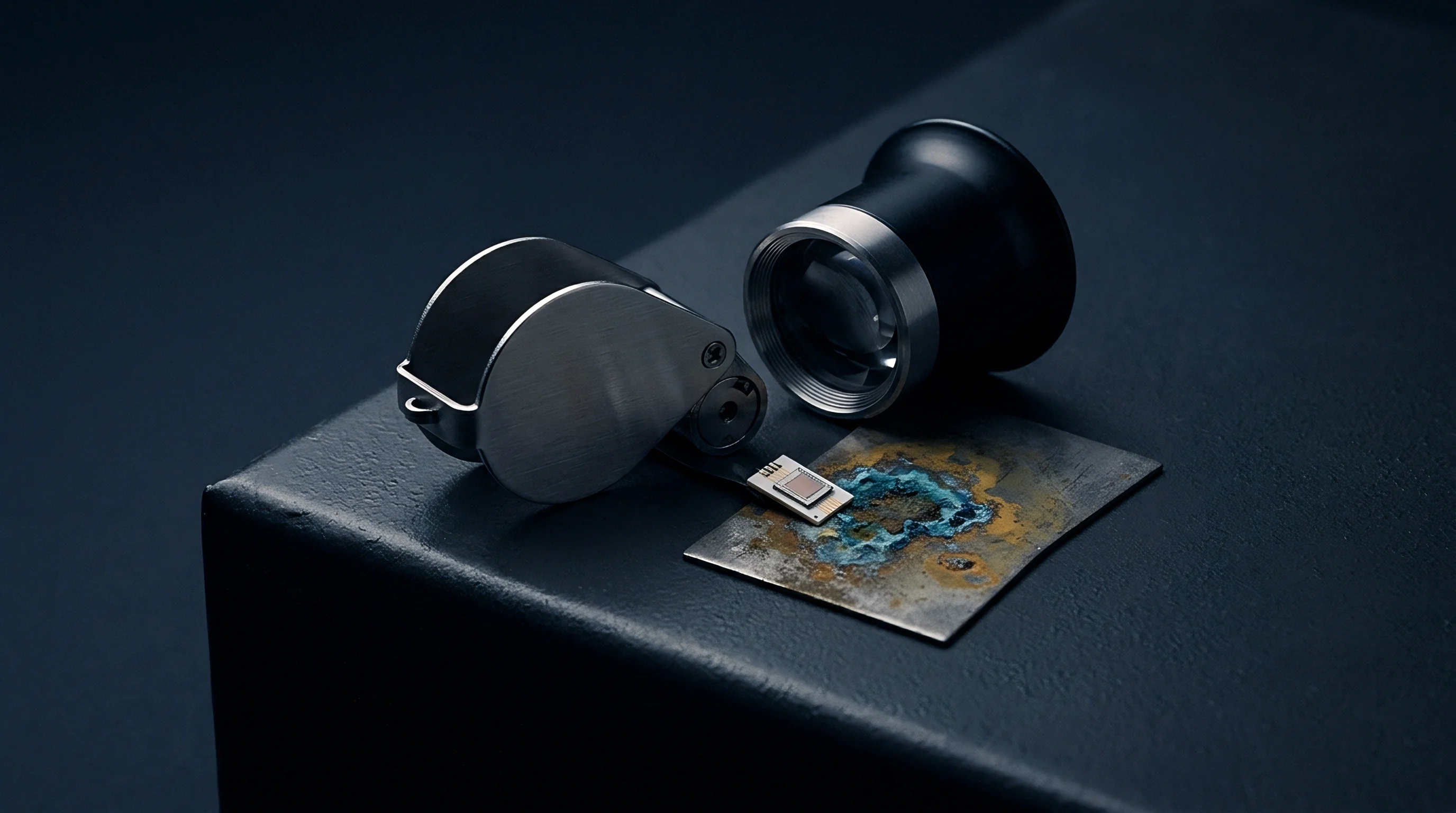
Surface-mount assembly environments enforce strict temporal boundaries on exposed moisture-sensitive devices. Factory floor conditions must track between 20 and 30 degrees Celsius with relative humidity held below 60 percent. JEDEC standard J-STD-033 assigns precise floor life durations across package classifications established by preconditioning tests in J-STD-020.
Components designated Moisture Sensitivity Level 1 maintain unlimited shelf life below 30 degrees Celsius and 85 percent relative humidity. Level 3 components permit 168 hours of floor exposure before requiring mandatory baking.
Baking ovens desorb absorbed water to safe equilibrium levels below 0.10 percent by weight. Restoring floor life requires heating cycles calibrated against component body thickness and tape-and-reel limitations. High-temperature baking at 125 degrees Celsius removes moisture rapidly over 24 to 48 hours for packages under 1.4 millimeters thick.
Standard plastic carrier tapes cannot withstand 125 degrees Celsius without warping. Parts loaded in tape-and-reel packaging require low-temperature baking at 40 degrees Celsius and 5 percent relative humidity for 15 to 30 days, or repackaging into metal baking trays.
Dry nitrogen storage cabinets offer an operational alternative to repeated thermal bake cycles. Maintaining nitrogen purge environments with relative humidity below 5 percent arrests moisture ingress without inflicting thermal stress on termination finishes. Repeated high-temperature baking induces intermetallic growth between copper leadframes, nickel barriers, and tin plating finishes.
Thick intermetallic compound layers degrade solder joint shear strength during final board assembly, creating brittle fracture planes along the nickel-tin interface.
Floor operators handle desiccant management and bag resealing through rigorous timing controls:
- Log Bag Opening Timestamps directly onto the physical traveler card attached to the component reel.
- Inspect Humidity Indicator Cards immediately upon unsealing the moisture barrier bag to confirm the 10 percent spot remains blue.
- Track Cumulative Exposure Duration across surface-mount line delays, reel changeovers, and inspection pauses.
- Purge Storage Enclosures with nitrogen or fresh desiccant charges whenever active exposure approaches 50 percent of allowable floor life limits.
- Transfer Expired Packages into low-temperature dry air ovens or dedicate them to non-critical test vehicles when baking limits are exceeded.
Solder bridges appear when warped packages sit unevenly on stencil paste patterns. A well-baked package avoids the thermal distortion that lifts peripheral corner leads off the land pattern.
Transit
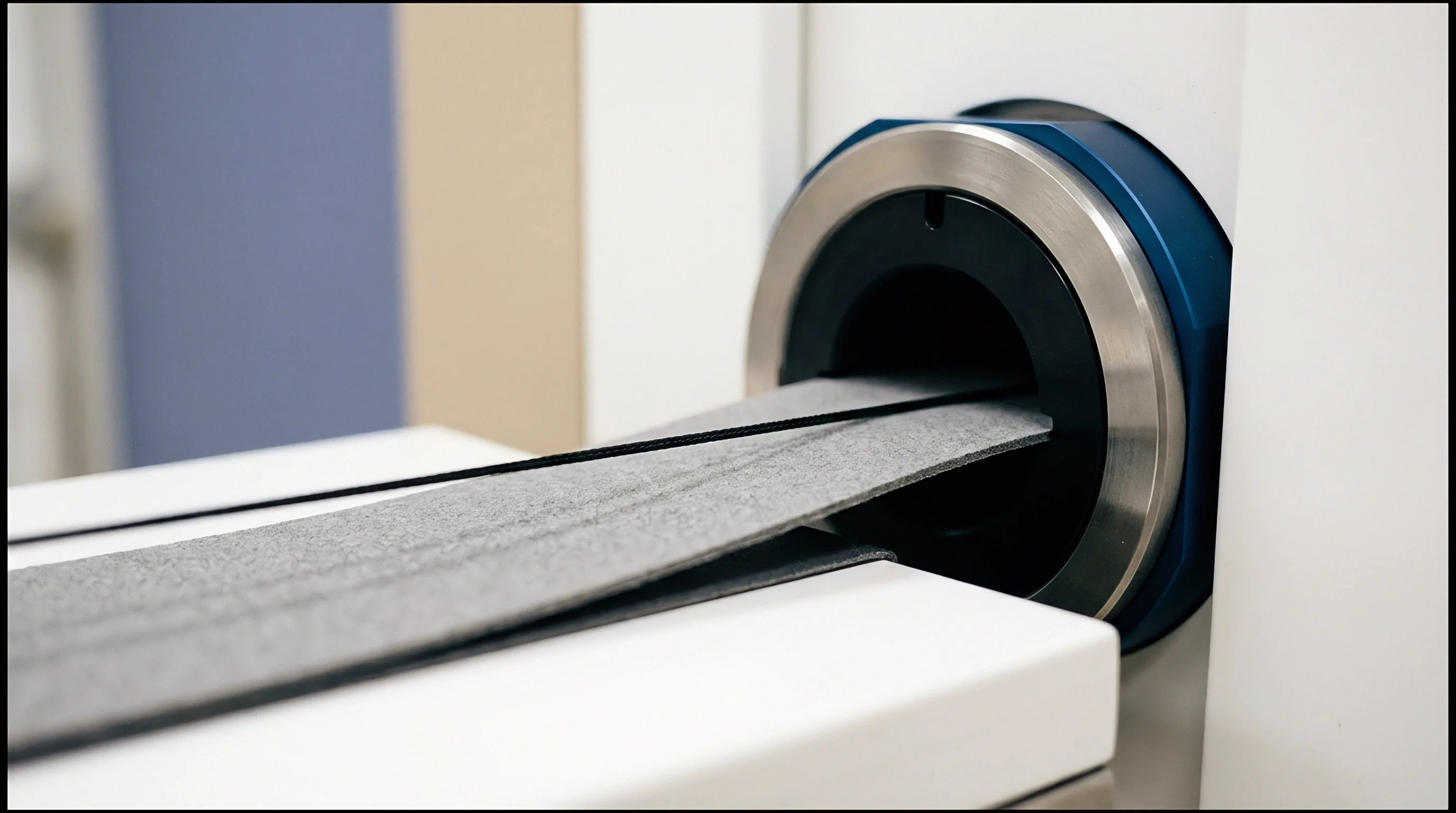
Protective packaging keeps components safe across global logistics channels. Moisture barrier bags constructed from multi-layer laminates shield devices against ambient water vapor. Aluminum foil layers positioned between outer polyester and inner polyethylene films deliver water vapor transmission rates below 0.005 grams per square meter per 24 hours at 40 degrees Celsius and 90 percent relative humidity.
Punctures in the foil layer allow rapid vapor equalization across international container ship voyages, saturating packages before factory unboxing.
Desiccant sizing balances bag volume, material surface area, and transport duration. Standards define desiccant capacity in standard units, where one unit adsorbs at least 3.0 grams of water vapor at 20 percent relative humidity and 6.0 grams at 40 percent relative humidity. Sizing formulas account for bag interior surface area, target shelf life ranging between 12 and 36 months, and the maximum allowed water uptake of the encapsulated contents.
Vacuum sealing must leave sufficient interior compliance to avoid foil punctures along sharp reel carrier edges.
Procurement costs scale with package moisture robustness and qualification grading. Standard commercial sensors housed in molded quad flat no-lead packages ship under Level 3 handling rules at base pricing. Upgrading encapsulant chemistries to biphenyl resins with high silica filler loads to achieve Level 1 rating adds two to four cents per unit on high-volume production quotes.
Pre-molded cavity packages featuring silicone gel fills cost significantly more, adding 15 to 30 cents per unit while requiring rigid carriers during automated placement.
| MSL Rating | Floor Life Limit | Typical Package Geometries | Unit Cost Impact | Bake Requirements on Expiry |
|---|---|---|---|---|
| MSL 1 | Unlimited (at 30C/85% RH) | SOIC, Glass-Passivated TO-220 | Baseline pricing | None required |
| MSL 2 | 1 Year (at 30C/60% RH) | Dense QFP, Heavy Mold DFN | +1 to 2 percent premium | 48 hours at 125C |
| MSL 3 | 168 Hours (at 30C/60% RH) | Standard QFN, Plastic LGA | +3 to 5 percent premium | 24 to 48 hours at 125C |
| MSL 4 | 72 Hours (at 30C/60% RH) | Thin WLCSP, Organic BGA | +8 to 12 percent premium | 72 hours at 125C |
| MSL 5 | 48 Hours (at 30C/60% RH) | Stacked Die, Multi-Chip LGA | +15 to 20 percent premium | 96 hours at 125C |
Suppliers alter encapsulant formulations without revising primary ordering part numbers when raw material supply constraints emerge. A molding resin change from an anhydride-cured formulation to a phenol-novolac alternative shifts moisture absorption rates without changing the external pinout or package drawing dimensions. Incoming inspection protocols must incorporate baseline thermomechanical analysis and dry-pack audit verification to catch unauthorized molding compound transitions before components enter automated placement feeders.
Supply agreements incorporate specific clauses regarding moisture barrier packaging integrity and desiccant shelf life guarantees. Standard contract lines mandate that component lots showing active pink coloration on 10 percent humidity indicator card circles upon arrival incur immediate lot quarantine, shifting re-baking costs and vacuum repackaging expenses entirely back to the vendor.