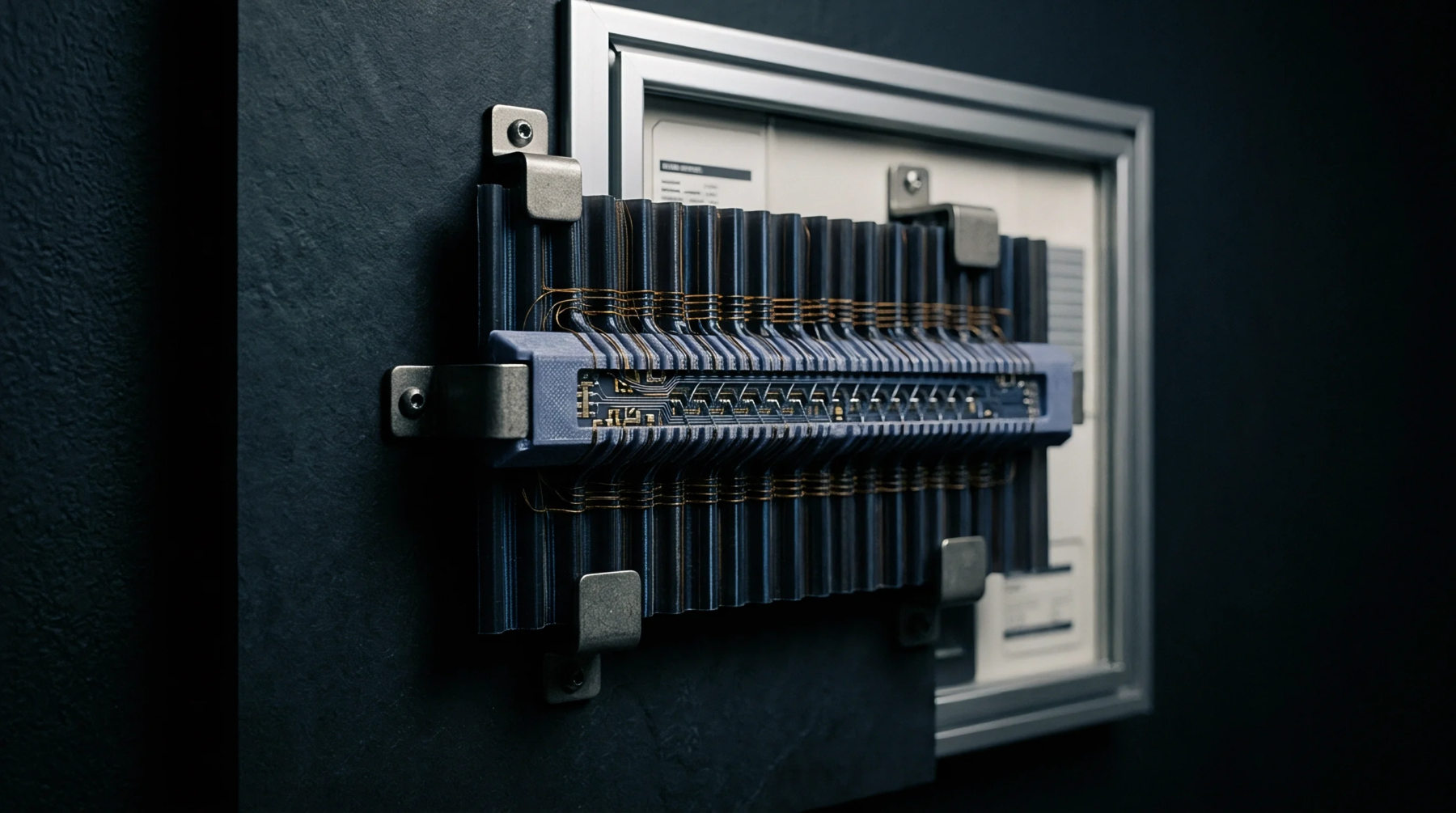
Interfacing Multi Channel Sensors over Standard Two Wire Buses
Multi-channel sensor integration on standard two-wire buses demands balancing parasitic bus capacitance, address resolution, layout geometry, and landed unit cost.
Multi-channel sensor integration on standard two-wire buses demands balancing parasitic bus capacitance, address resolution, layout geometry, and landed unit cost.

Active buffers isolate bus capacitance beyond 400 picofarads by segmenting traces and using static voltage offsets or edge accelerators to meet timing limits.
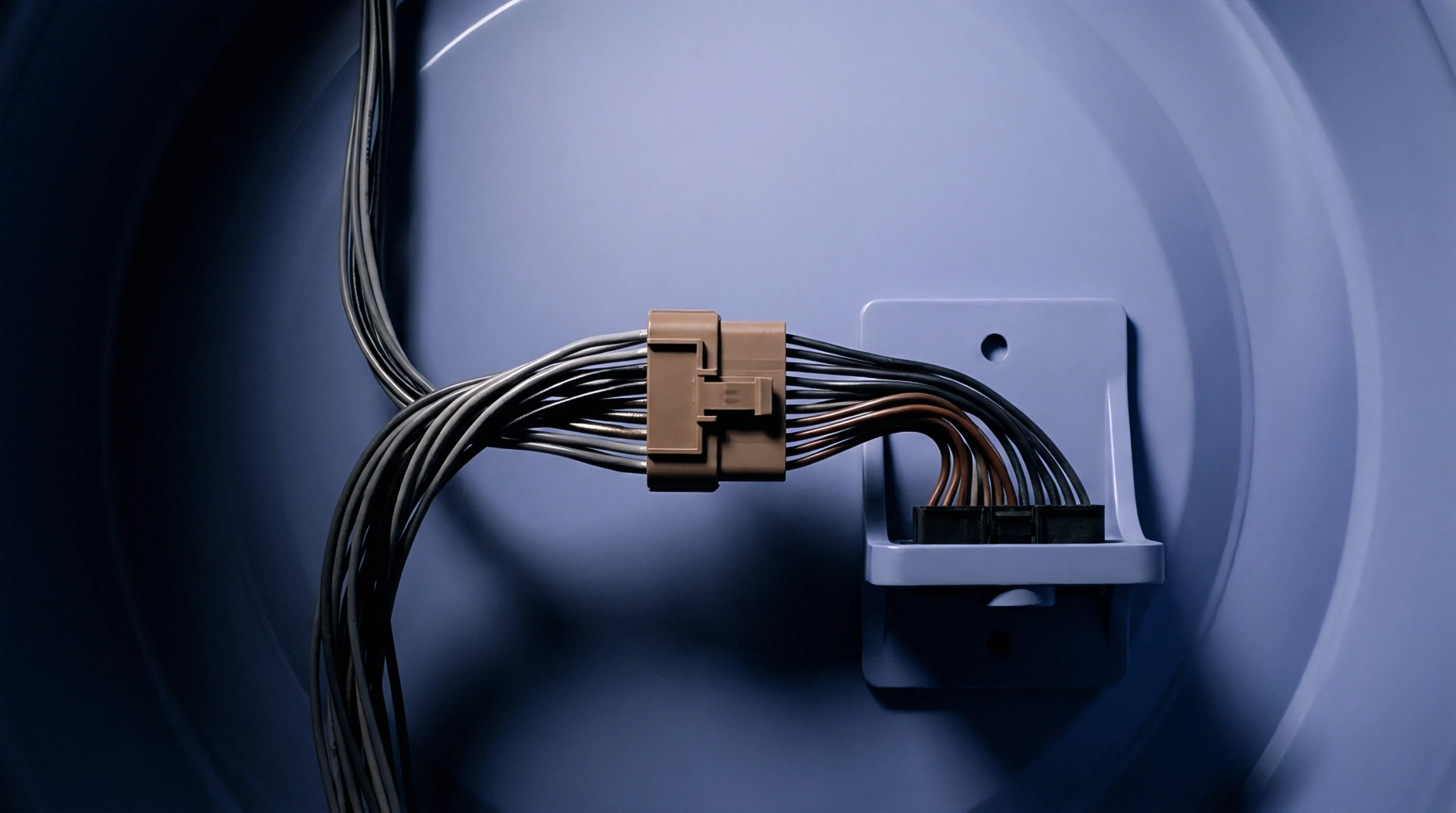
Resolve I2C address collisions using dedicated bus switches, inline XOR translators, or dynamic GPIO strapping to isolate identical device addresses.
Hierarchical I2C switches isolate bus capacitance and expand address space while adding measurable transaction delays and timing limits that firmware state machines govern.

I2C multiplexers resolve address collisions and isolate bus capacitance via software channels, while translators match voltage rails without addressing control.
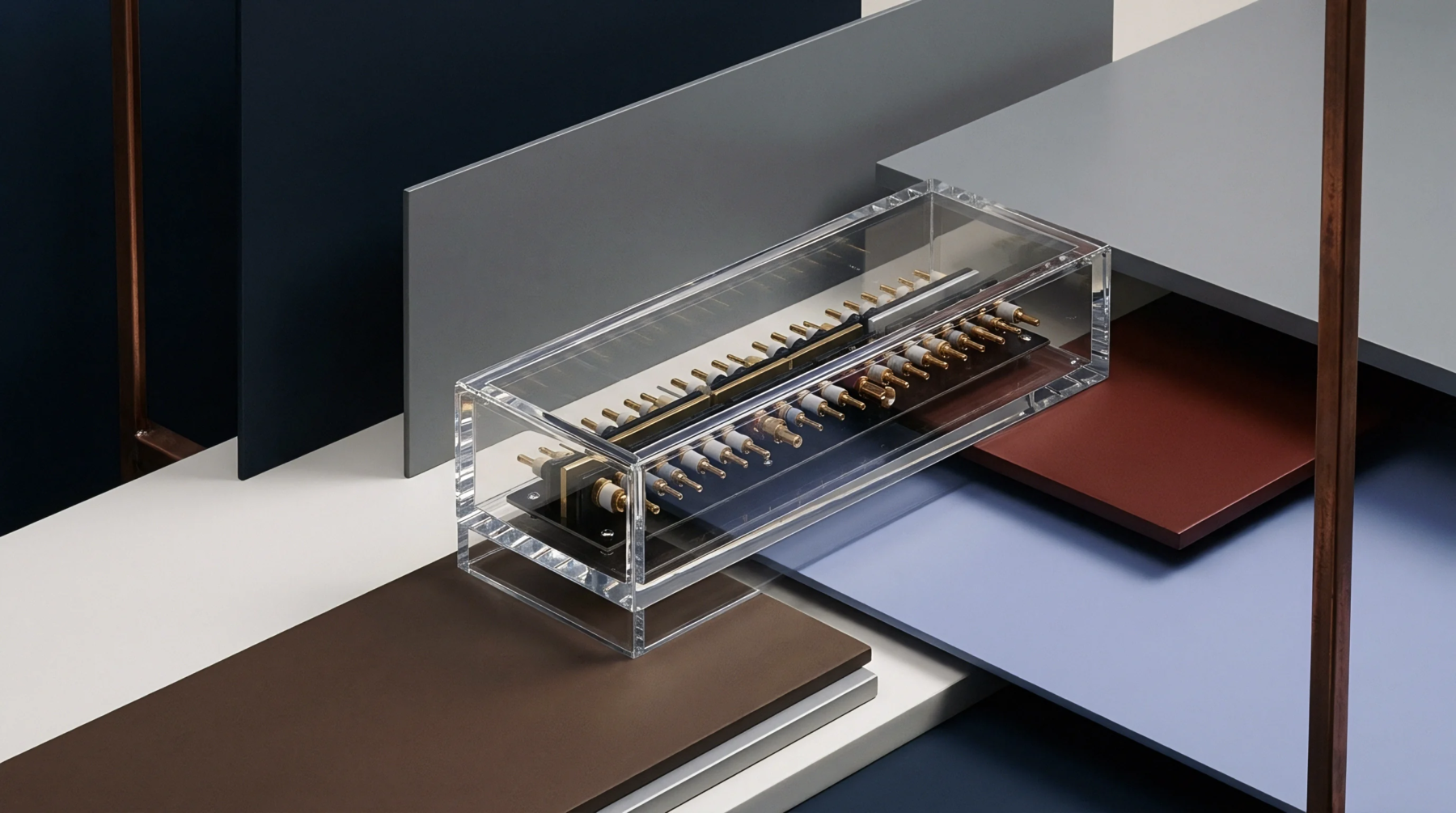
Sourcing sensor modules eliminates 4 to 12 weeks of driver engineering, flipping break-even economics below 15,000 units despite higher unit BOM prices.

Resolve four-part I2C address collisions using 4-state pin strapping, quad-channel switches, or address translation ICs based on BOM cost and driver complexity.
Expertise is a utility, not a secret. sentiention™ publishes its working knowledge as open reference: intelligence layer covering the materials it sources, the markets it enters, and the reference that serves both.