
Determining Break Even Volume Boundaries for Custom Sensor PCB Integration
Discrete sensor chip-down integration breaks even above fifteen thousand units where bill-of-materials savings overcome tooling and test fixture outlays.
Discrete sensor chip-down integration breaks even above fifteen thousand units where bill-of-materials savings overcome tooling and test fixture outlays.
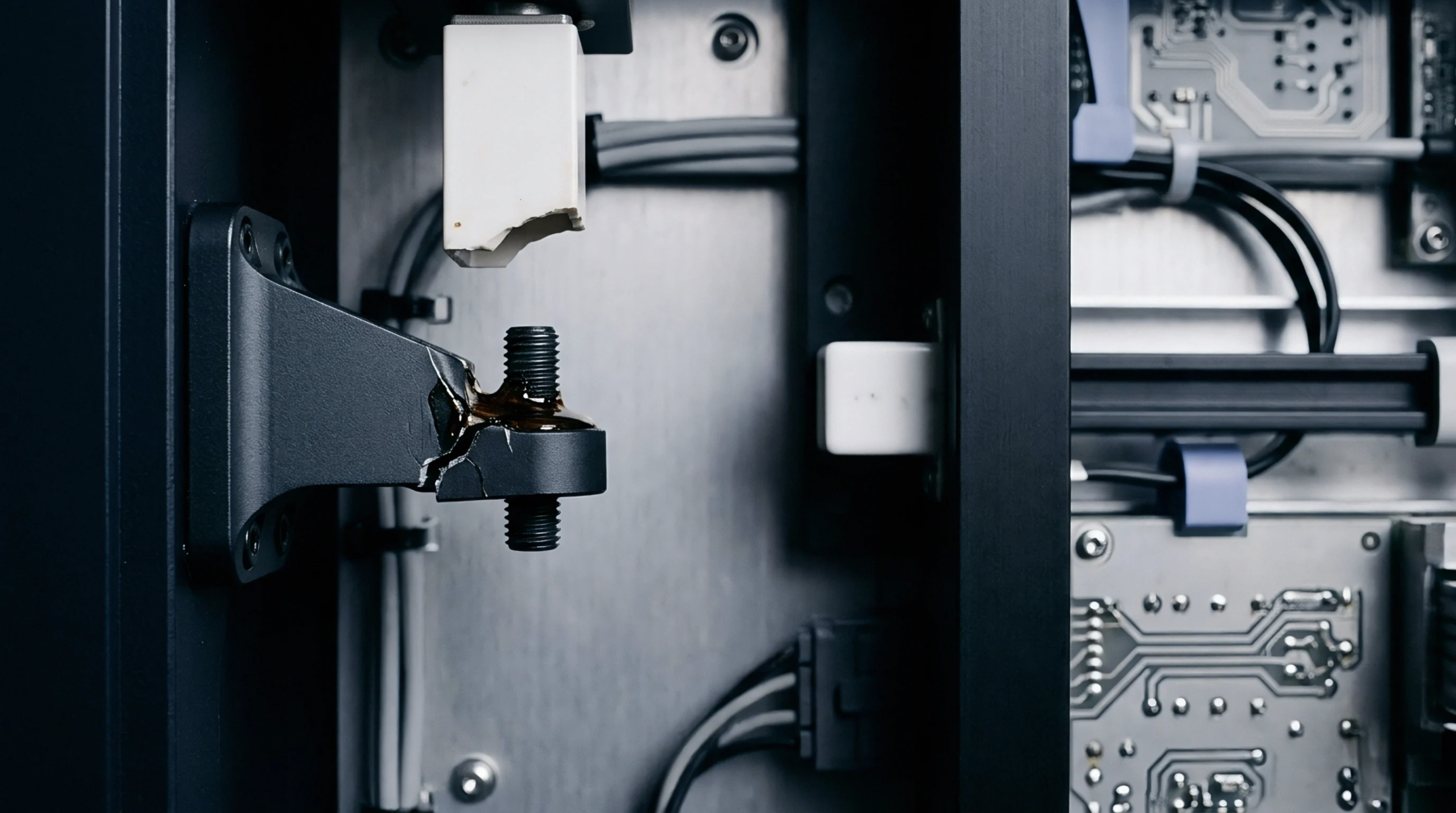
Silicon revisions alter open-drain driver impedance and state timing, turning compliant clock stretching into bus-halting race conditions across fast edges.
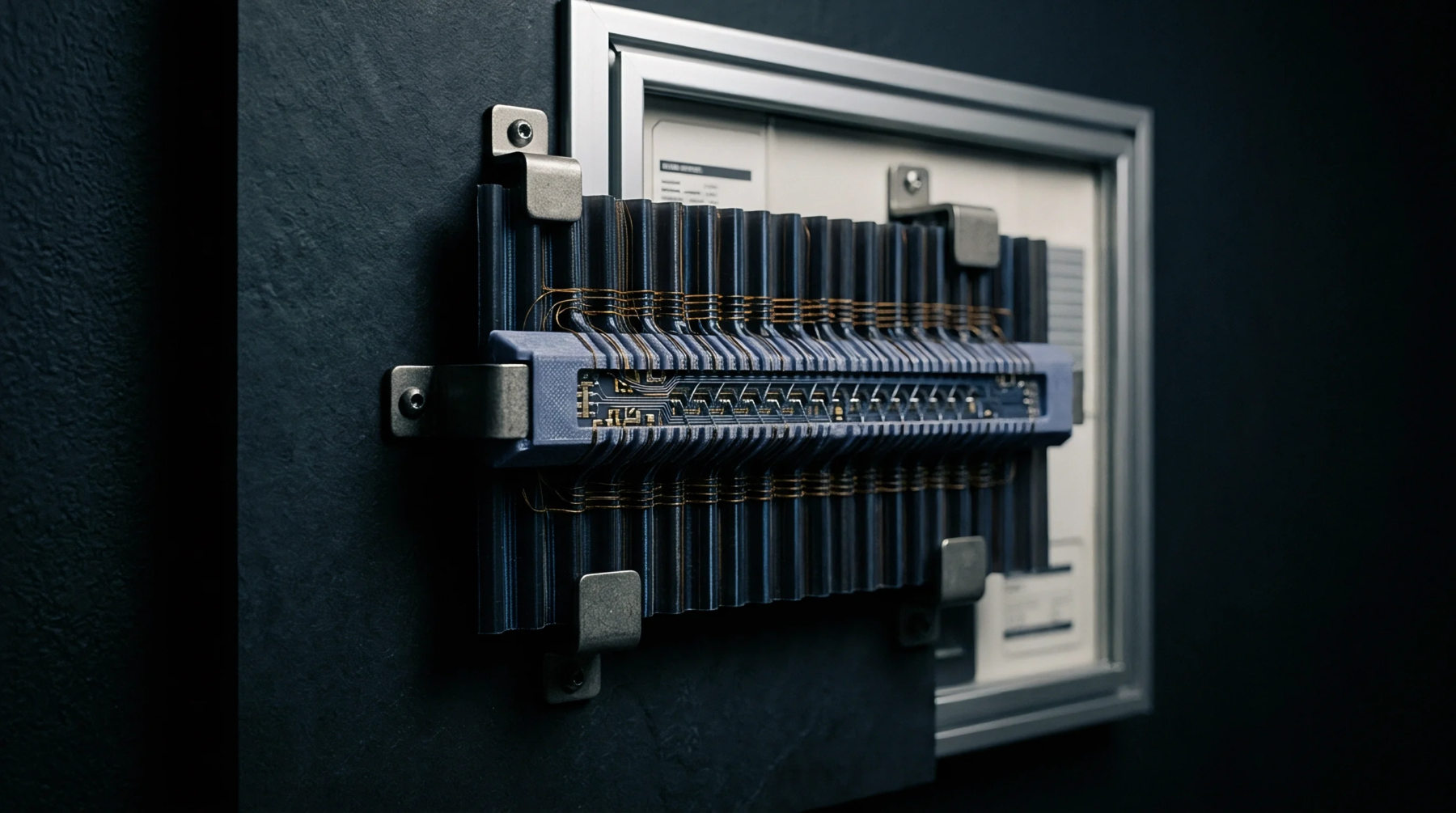
Multi-channel sensor integration on standard two-wire buses demands balancing parasitic bus capacitance, address resolution, layout geometry, and landed unit cost.

Active buffers isolate bus capacitance beyond 400 picofarads by segmenting traces and using static voltage offsets or edge accelerators to meet timing limits.
Structure IC orders using exact full-reel increments matching historical baseline entitlements to bypass automated shortage allocation cuts.

Dynamic address assignment eliminates multiplexers in dense sensor arrays through cascade enable lines or software ARP, reducing PCB area while raising firmware bring-up requirements.
Expertise is a utility, not a secret. sentiention™ publishes its working knowledge as open reference: intelligence layer covering the materials it sources, the markets it enters, and the reference that serves both.