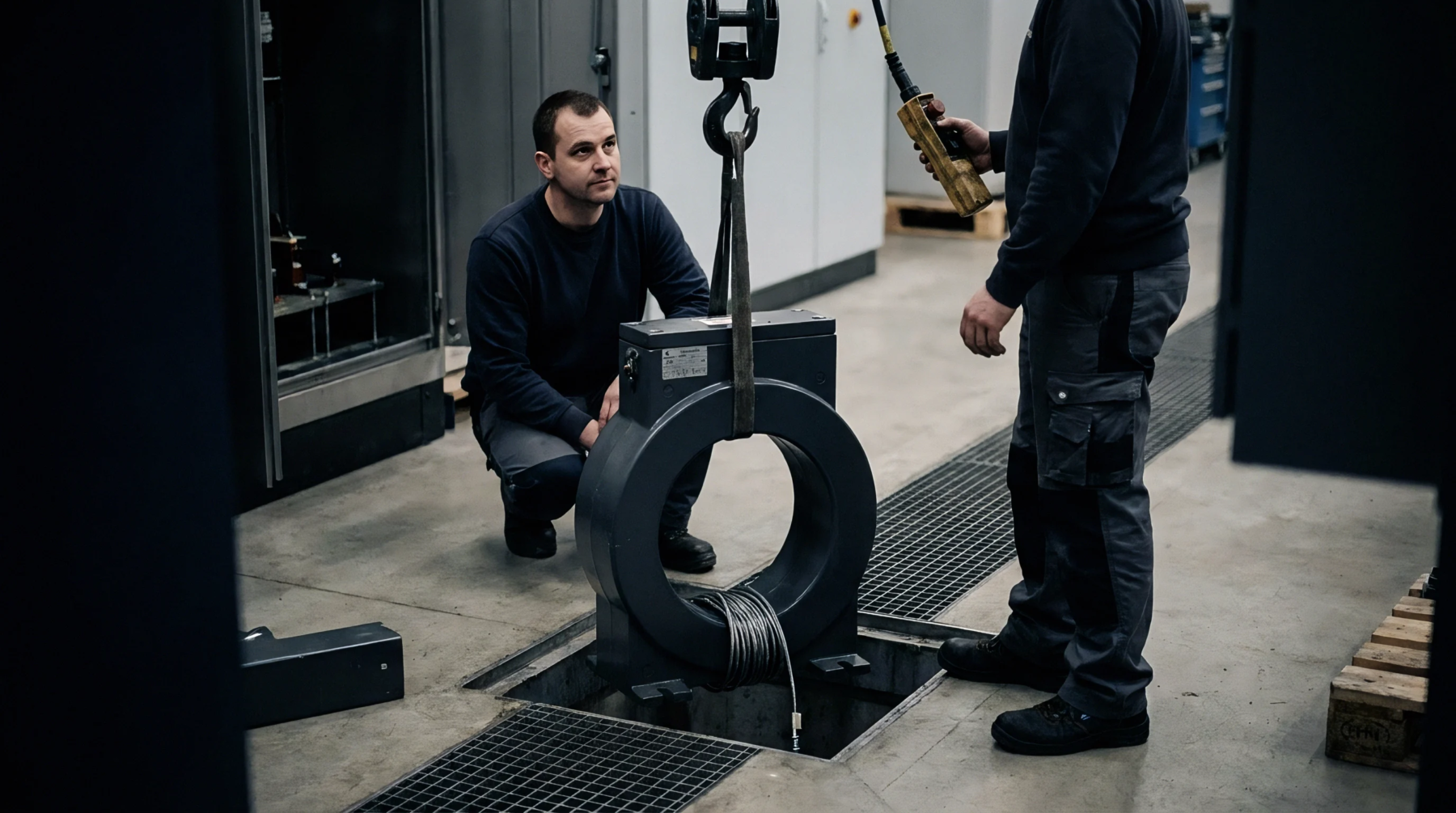
Dynamic Core Workload Thermal Gradient Modeling for Precision Mixed Signal Monolithic Substrates
Transient logic heating shifts substrate temperatures, degrading analog front ends without spatial floorplan isolation and matched carrier selection.
Transient logic heating shifts substrate temperatures, degrading analog front ends without spatial floorplan isolation and matched carrier selection.
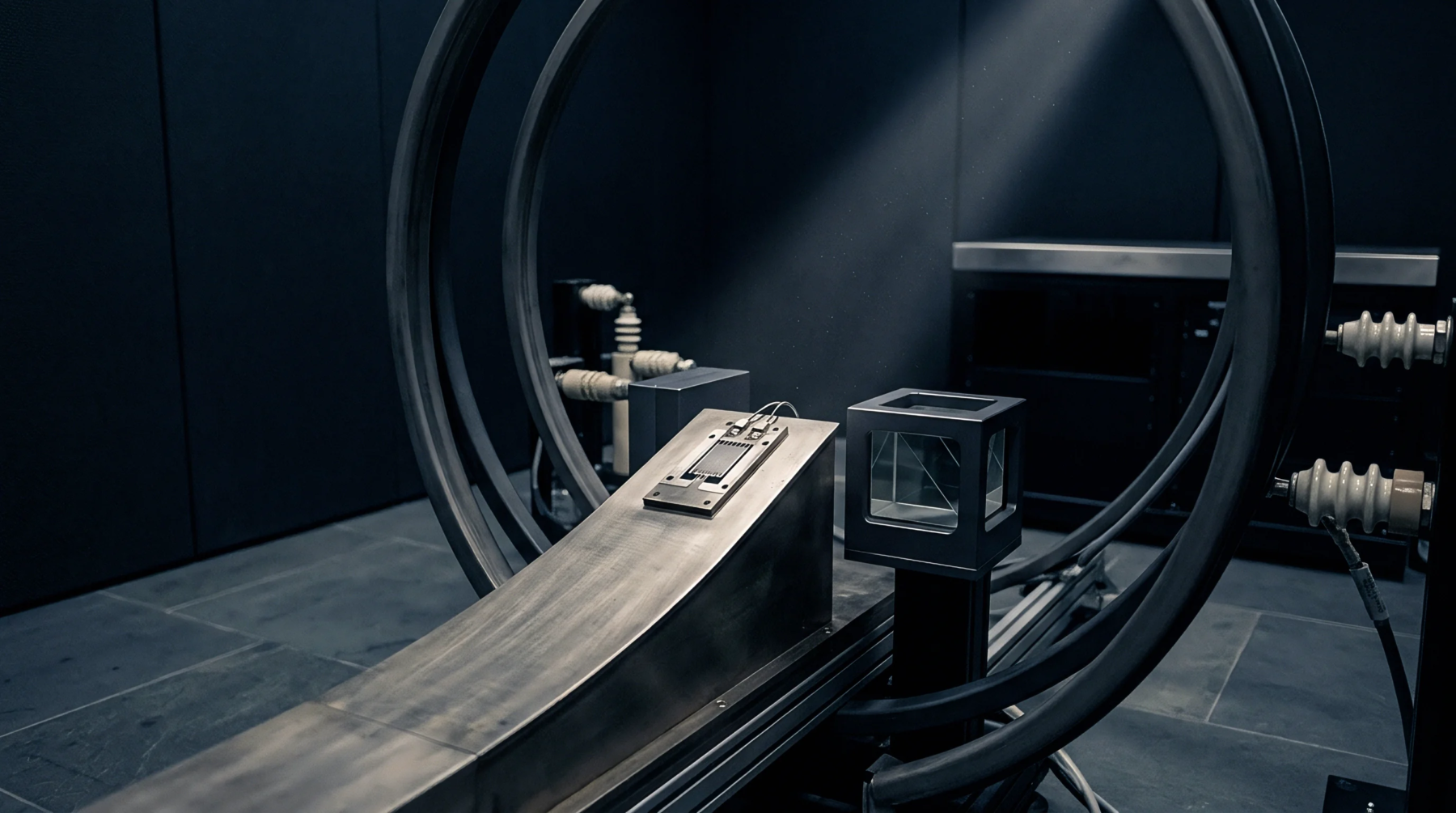
Uncorrected manifold thermal gradients inflate calibration uncertainty, forcing tight guardbands that spike manufacturing scrap and compromise traceable sensor accuracy.

Active thermal feedback zeros differential thermopile membrane gradient, converting slow, nonlinear open-loop microvolt drift into linear electrical power.

Ambient thermal transients create cold junction temperature lag and spatial gradients, requiring dual-element differential designs or dynamic derivative firmware compensation.
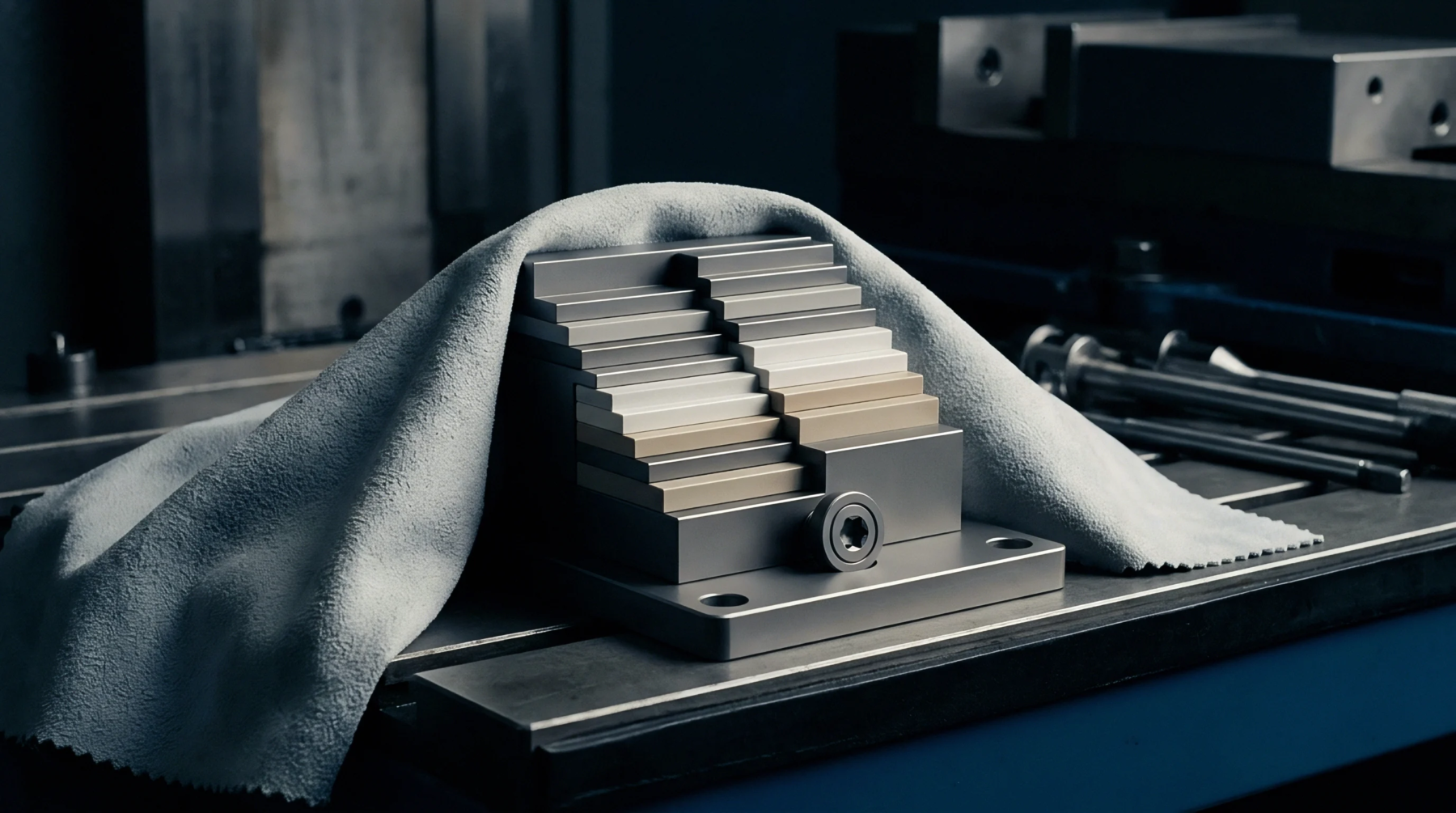
Modeling non-stationary sensor noise across temperature requires evolutionary spectral transforms and dynamic Allan variance to isolate thermal gradient traps.
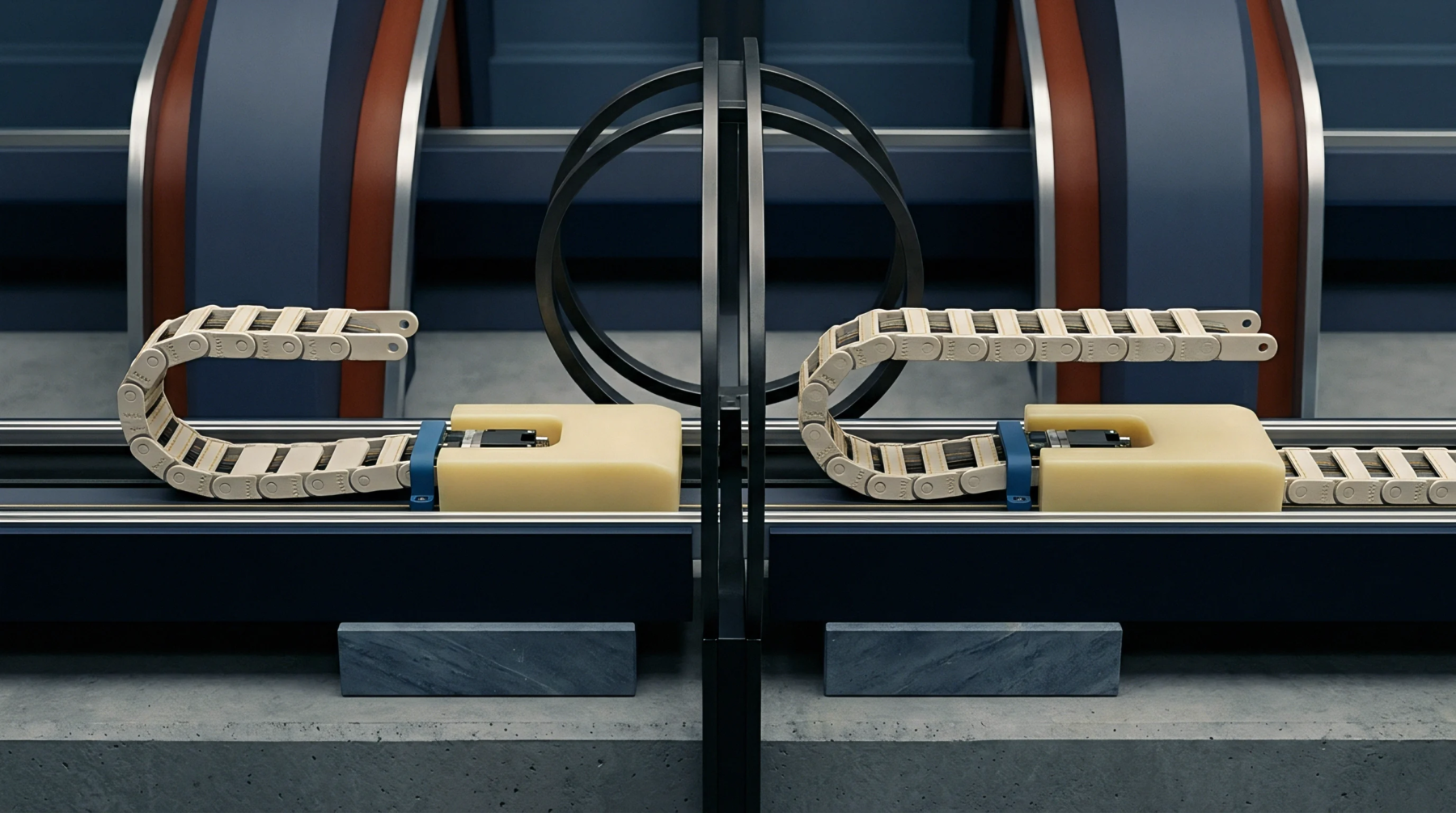
Generalized Prandtl-Ishlinskii play operators linearize directional thermal hysteresis loops, cutting transducer calibration uncertainty from 90 mK down to 13 mK.
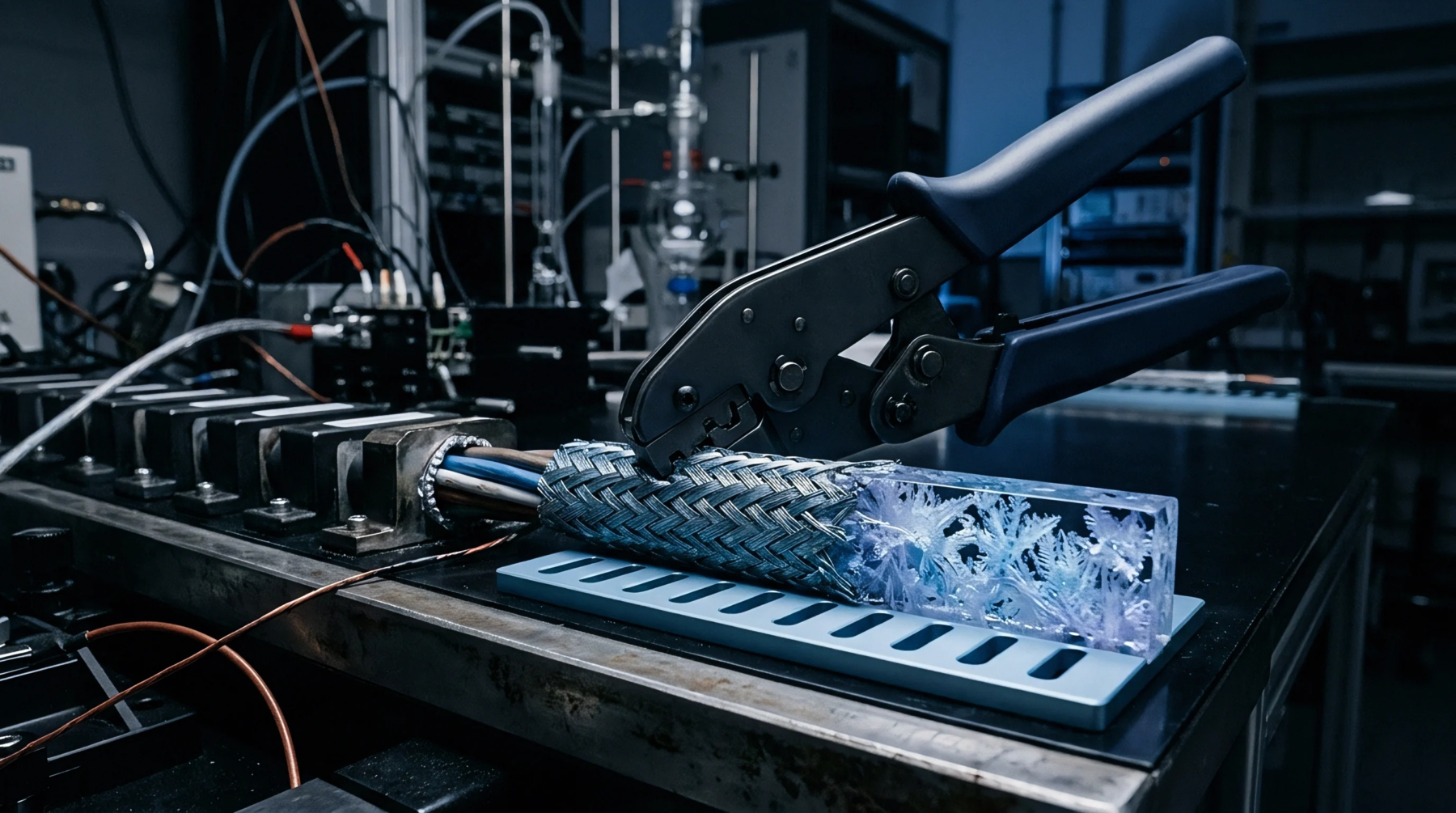
Modulated MEMS emitters exceeding thermopile bandwidth induce thermal phase lag and attenuation that require multi-RC transient model compensation.
Driver self-heating creates thermal gradients across integrated precision references, causing microvolt drifts that demand symmetrical PCB layout.

Spatial thermal gradients across micro-machined accelerometer dies induce differential flexure expansion and zero-g bias drift remediable via symmetric layout and matrix diode compensation.
Expertise is a utility, not a secret. sentiention™ publishes its working knowledge as open reference: intelligence layer covering the materials it sources, the markets it enters, and the reference that serves both.