Polymer Permeation
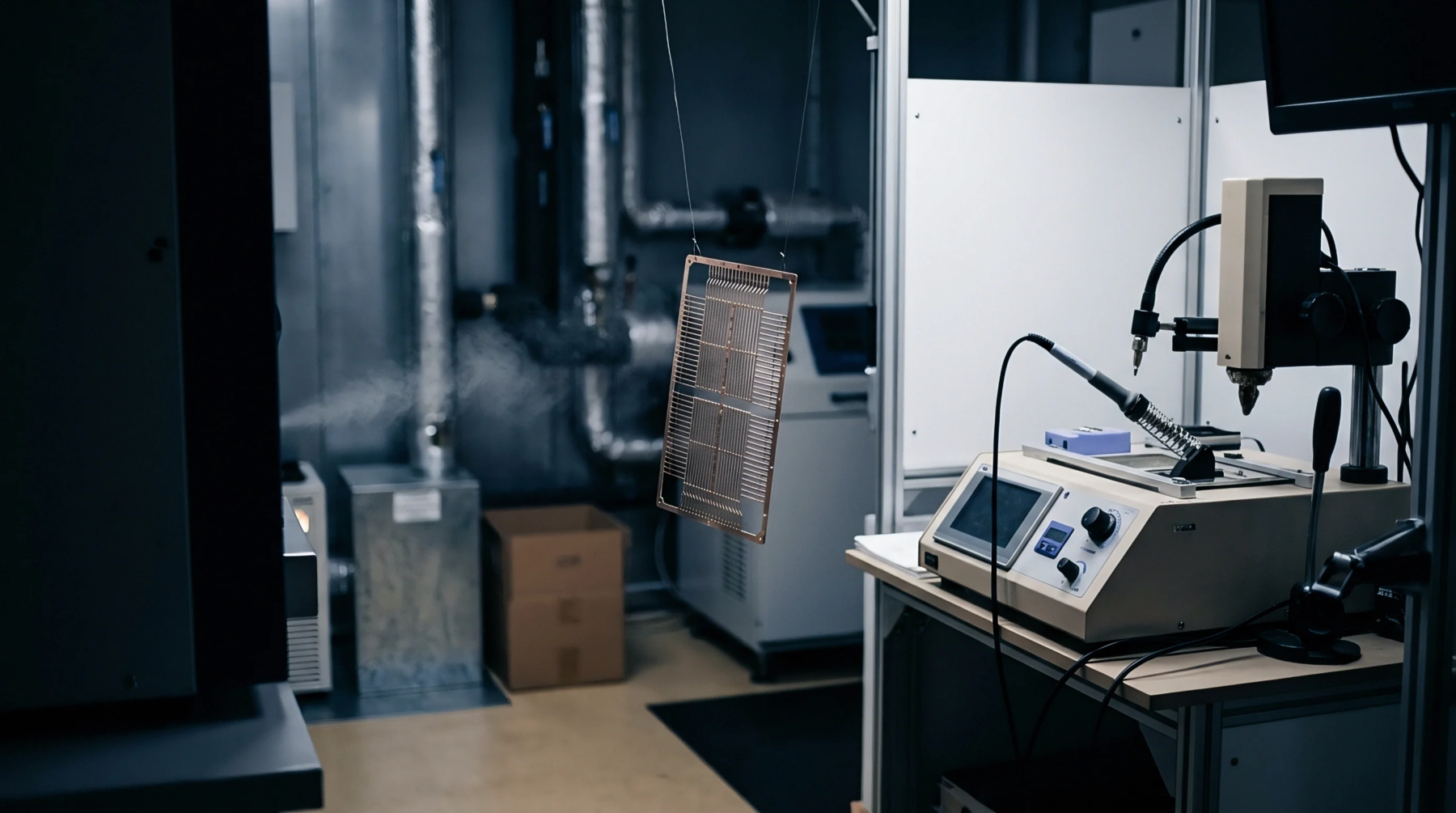
Non-hermetic electronic packaging materials permit atmospheric water vapor to diffuse into internal package cavities over extended periods. Moisture ingress degrades dielectric properties and initiates corrosive chemical reactions on internal circuit traces. Moisture accumulation leads to electrical leakage and insulation breakdown.
Delamination Risk
Trapped moisture vaporizes rapidly during high-temperature surface mount reflow soldering, generating intense internal vapor pressure. This sudden expansion causes popcorning, where plastic packaging material separates from silicon dies or leadframes. Internal delamination damages wire bonds and creates pathways for ionic contaminants, causing latent component failure during field operation.
Weight Gain
Standard qualification protocols measure moisture absorption rates by gravimetric analysis of components stored in controlled humidity chambers. Moisture sensitivity levels categorize components according to allowable floor life exposure times before reflow assembly. Baking procedures remove absorbed moisture prior to board assembly processes.
Reliability Loss
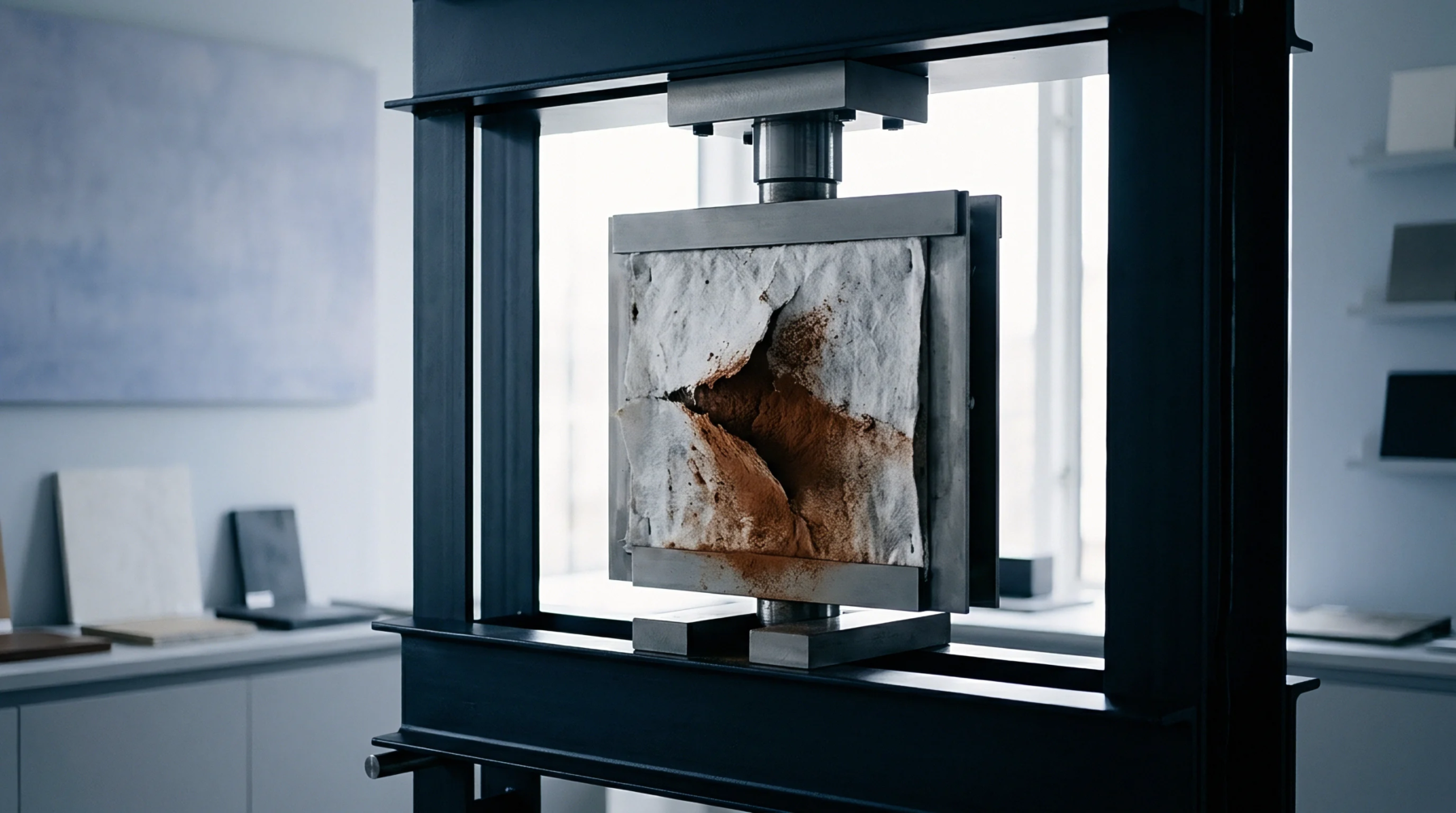
Corrosive failure modes accelerate when absorbed water reacts with ionic impurities on aluminum bond pads, causing open circuits. Galvanic corrosion degrades internal metallurgy, increasing contact resistance and electrical noise levels over operational lifetimes. Sealed packaging and desiccant storage prevent moisture accumulation prior to printed circuit board population.
Reliability testing subjects devices to biased highly accelerated stress testing to evaluate moisture resistance. Moisture ingress limits operational longevity of plastic-encapsulated microcircuit devices.