Signal Correction
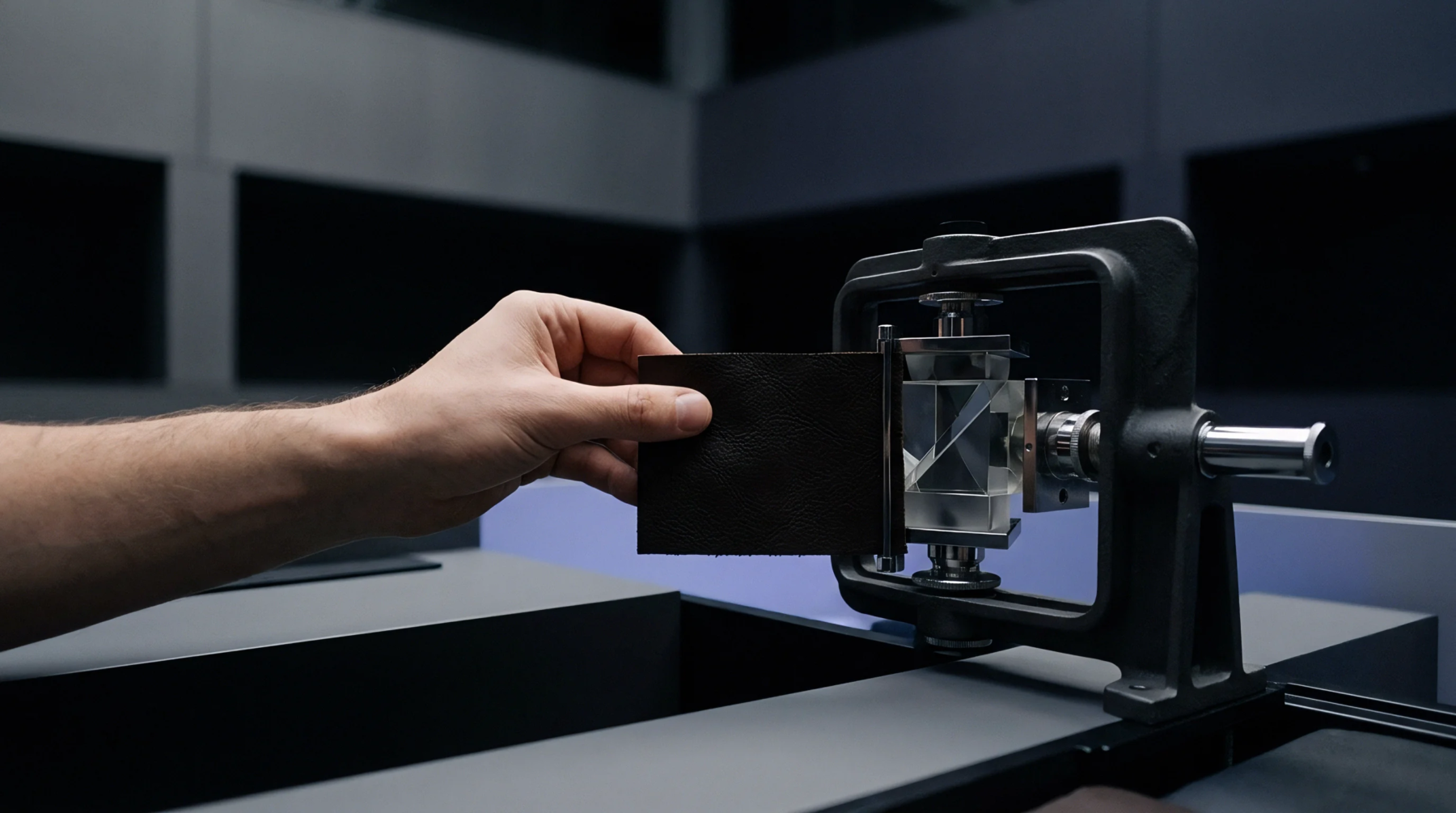
Comparative measurement techniques use a dedicated secondary signal path to isolate variables from the primary data stream. Employing dual channel referencing allows a sensor to distinguish between changes in the sample and fluctuations in the light source or detector sensitivity. Precision photometry often incorporates this configuration.
Drift Compensation
Thermal instability in electronic components or aging of a lamp can introduce errors over time. By using dual channel referencing, the system continuously compares the measurement signal to a stable reference signal. Ratiometric calculations cancel out common mode noise.
Path Logic
Split beams or separate detectors ensure that the reference channel experiences the same environment as the sample channel. In dual channel referencing, any change affecting both paths is subtracted from the final output. Stable baselines are provided by this isolation.
Calibration Accuracy
Verification of the ratiometric balance involves using a known standard to check the linearity of both paths. During the setup of dual channel referencing, the gain of the amplifiers is adjusted to match the response of the two detectors. Interference from stray light must be shielded to prevent a false reference.
Precision in the beam splitter ratio is fundamental to the total uncertainty budget.