
Decoupling Microelectromechanical Pressure Sensors via Anodic Glass Mounts
Anodic glass pedestals isolate silicon pressure sensors from packaging stress, locking thermal zero drift within 0.1 percent full scale across service life.
Anodic glass pedestals isolate silicon pressure sensors from packaging stress, locking thermal zero drift within 0.1 percent full scale across service life.
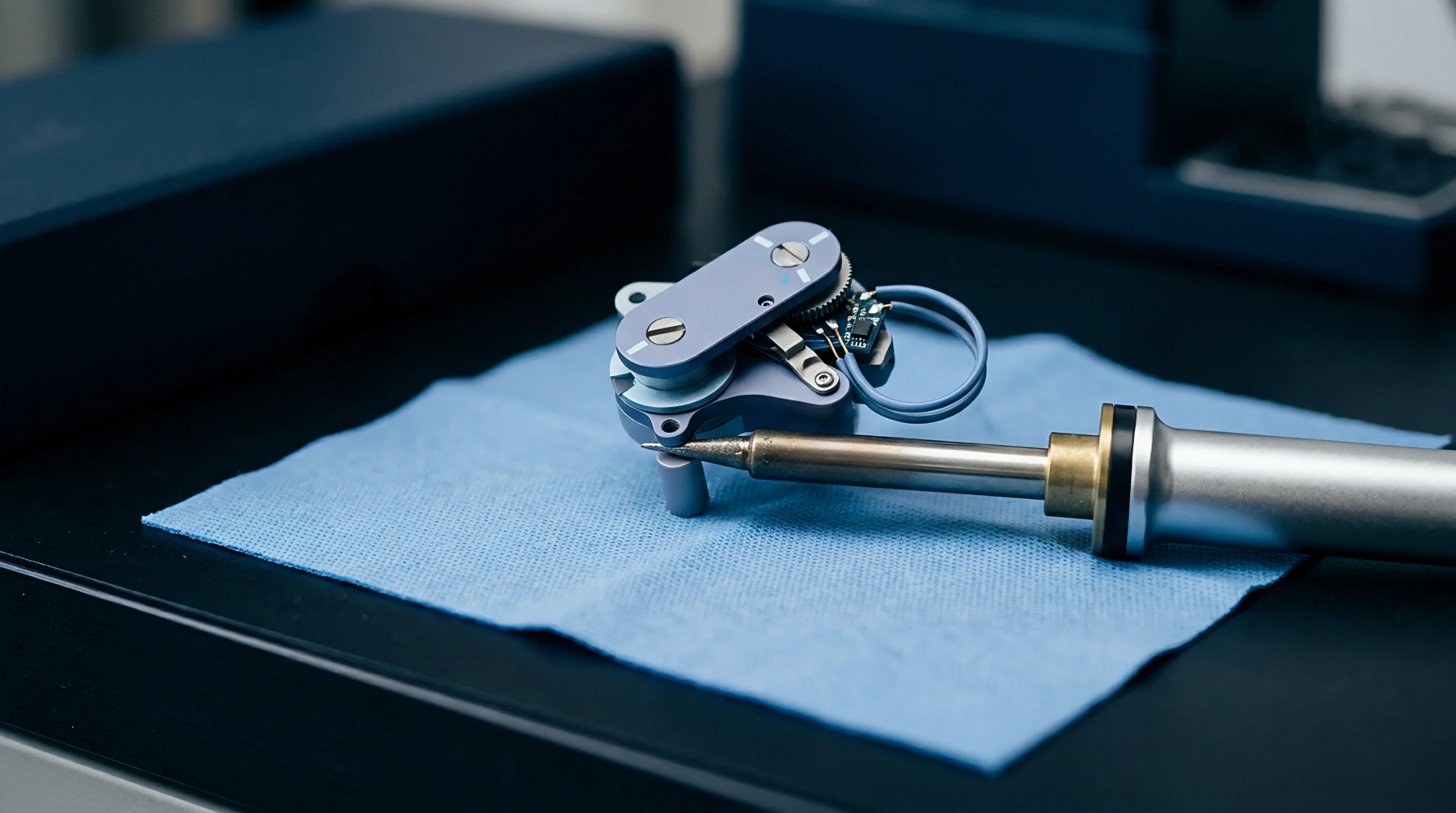
Crosslink density controls die attach modulus, glass transition, and interfacial shear stress, dictating thermal cycle fatigue life in microelectronic packages.

Potting conductivity above 1.8 W/m·K yields minimal sensor lag reduction while escalating void formation risk, element mechanical strain, and batch calibration drift.

Dynamic thermal gradients drive nonlinear viscoelastic die attach shear creep, inducing hysteretic sensor offset drift that evades static factory calibration.

Extracting temperature-dependent interfacial fracture toughness along etched copper prevents reflow delamination and eliminates costly acoustic scan yield loss.
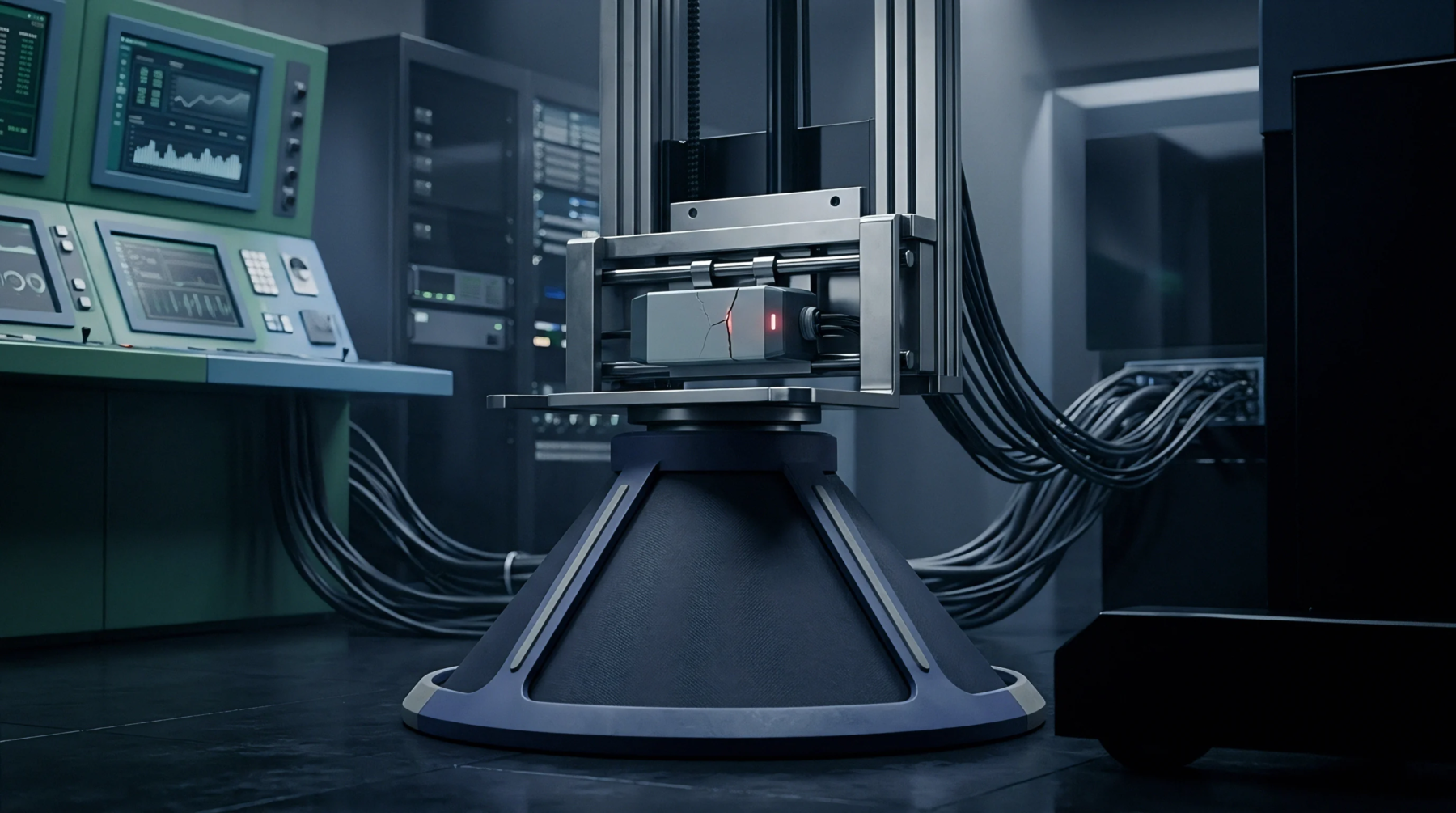
Polymer die attach stress directly alters MEMS zero-g bias; specifying low-modulus adhesives and central island anchors mitigates thermal strain coupling.
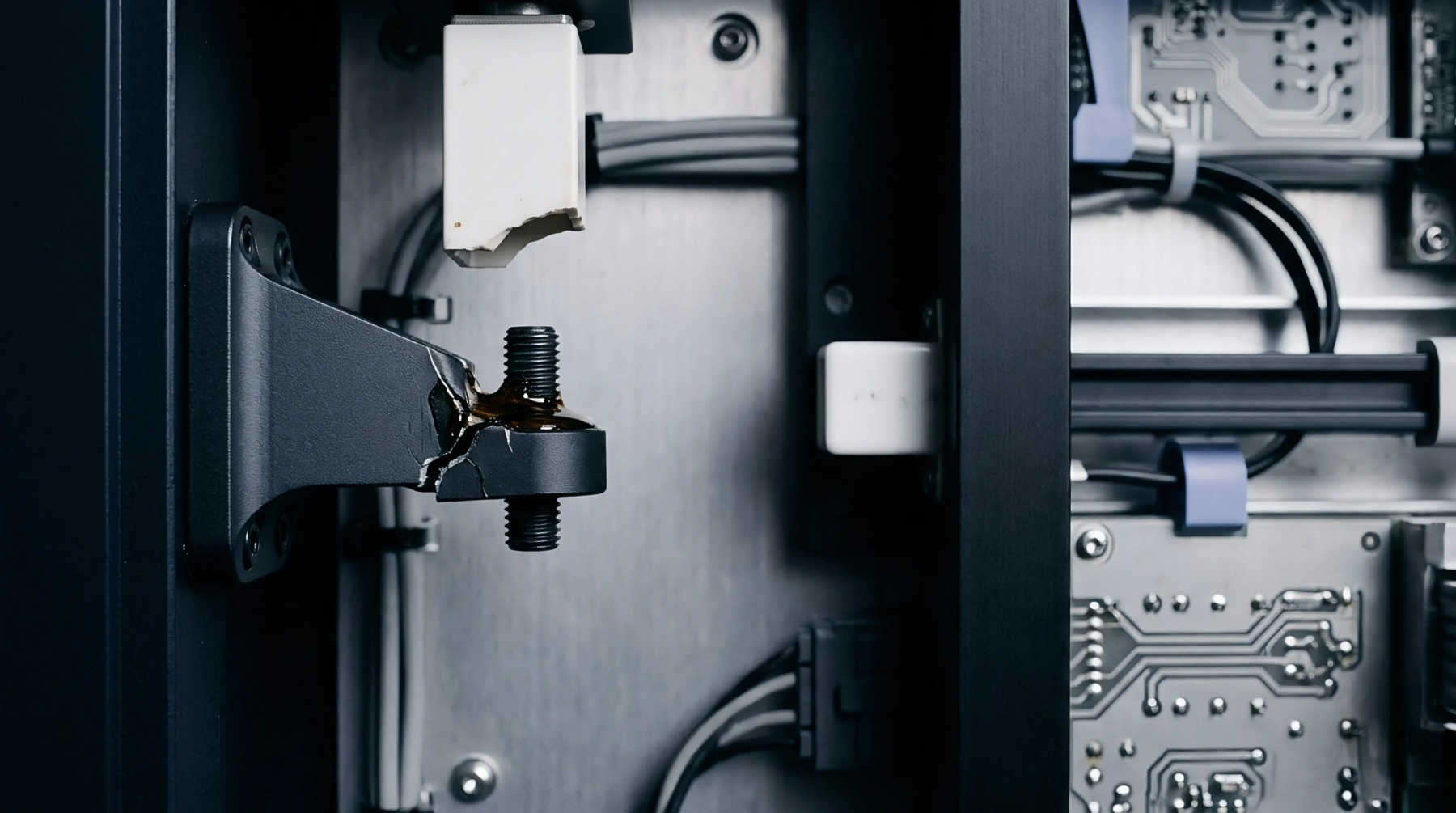
Transient thermal impedance variance in wafer-level die attach stems from micro-voiding and bondline shifts, identifiable via differential structure functions.

Polyimide die attach master curves bound stress relaxation under automotive minus forty to plus one hundred seventy-five degree thermal shock cycles.

Selecting low-modulus die attach adhesives with glass transition temperatures outside operating limits eliminates non-linear MEMS zero-g offset drift.
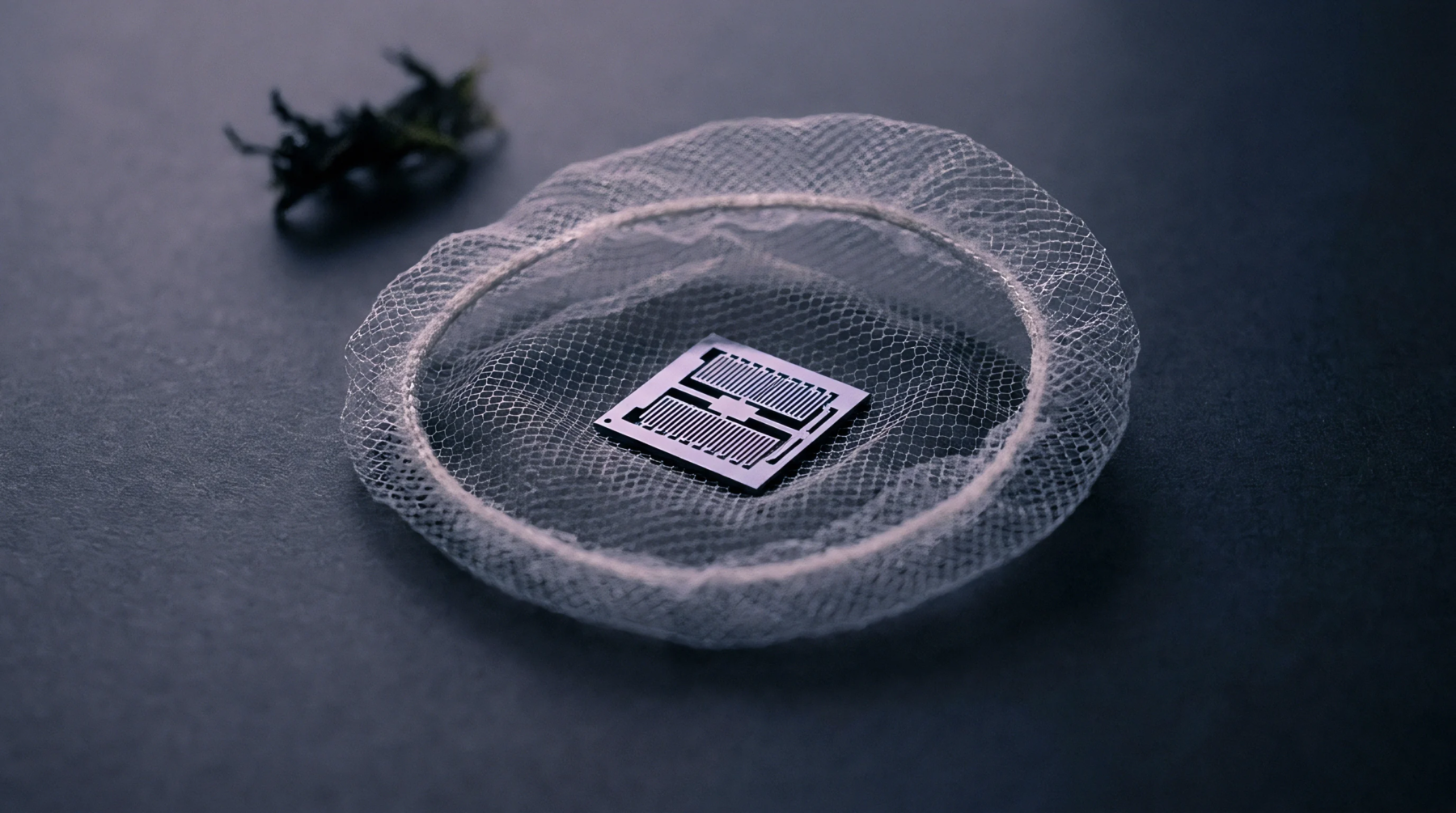
Component reflow popcorning occurs when trapped moisture vaporizes during soldering; acoustic microscopy detects internal delamination via signal phase inversion.

Compromised MSL 3 packaging instantly voids floor life: quarantine components, verify humidity cards, and require J-STD-033 dry baking before SMT reflow.
Expertise is a utility, not a secret. sentiention™ publishes its working knowledge as open reference: intelligence layer covering the materials it sources, the markets it enters, and the reference that serves both.