
Target Alloy Phase Selection for Inductive Sensing
Target alloy phase selection governs inductive sensor stability: unstable austenitic grades transform to ferromagnetic martensite under machining, inducing major drift.
Target alloy phase selection governs inductive sensor stability: unstable austenitic grades transform to ferromagnetic martensite under machining, inducing major drift.

Dual-frequency eddy current sensing decouples alloy thermal drift from displacement by measuring skin-depth-dependent impedance shifts across two carrier bands.

Differential fluxgate sensing cancels symmetric drive feedthrough to isolate second-harmonic signals, while core coercivity limits baseline offset and noise.

Dynamic guard phase matching and synchronous clock alignment bound the noise floor and bandwidth limits of high-reactance hybrid transducer front ends.
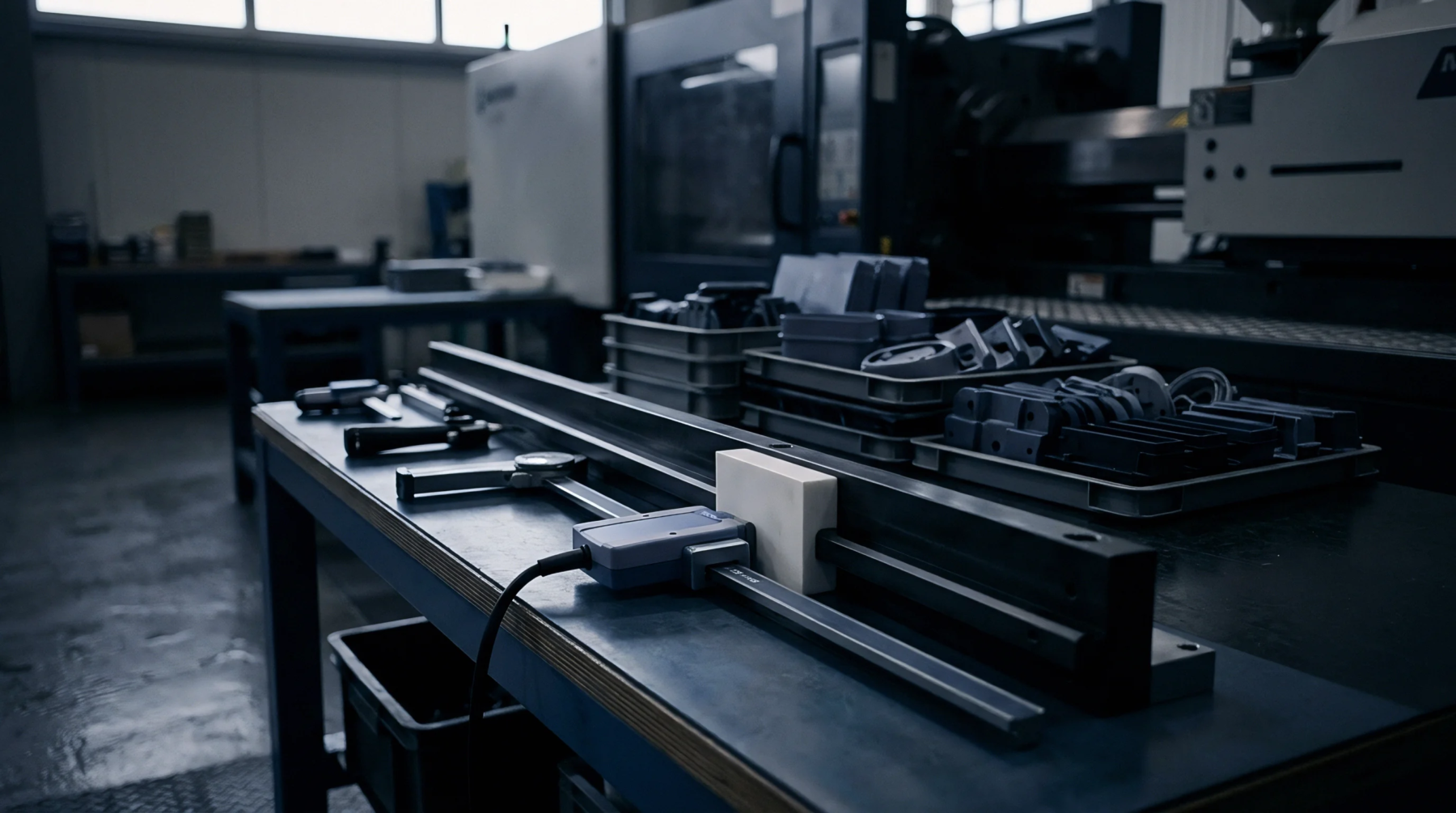
Standard skin depth defines the exponential field decay boundary, dictating coil drive frequencies and target thickness minimums for displacement sensing.

Retrofitting capacitive pressure transducers introduces hydraulic dead-volume delay and digital ASIC filter lag that erodes control loop phase margin.
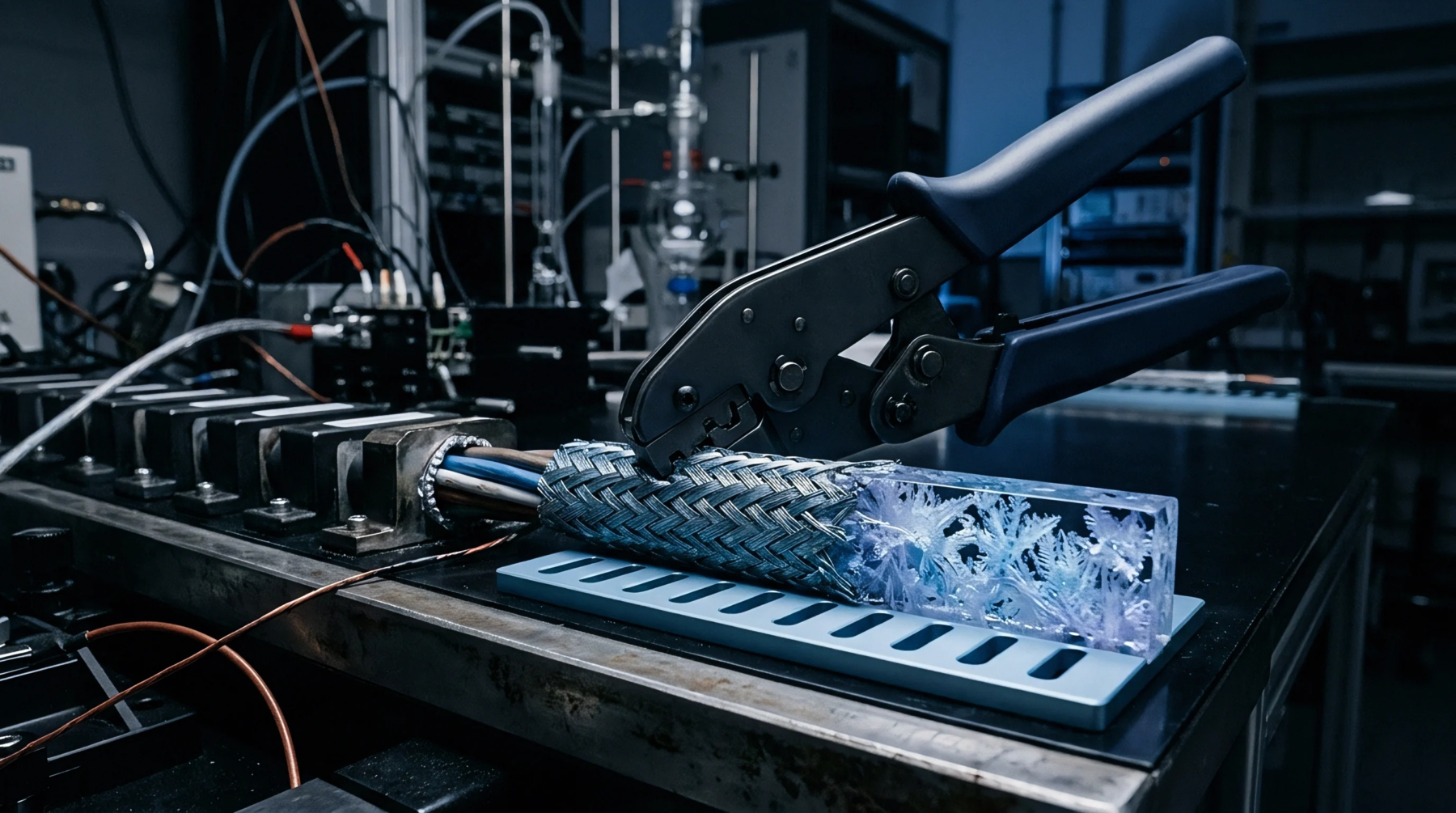
Modulated MEMS emitters exceeding thermopile bandwidth induce thermal phase lag and attenuation that require multi-RC transient model compensation.
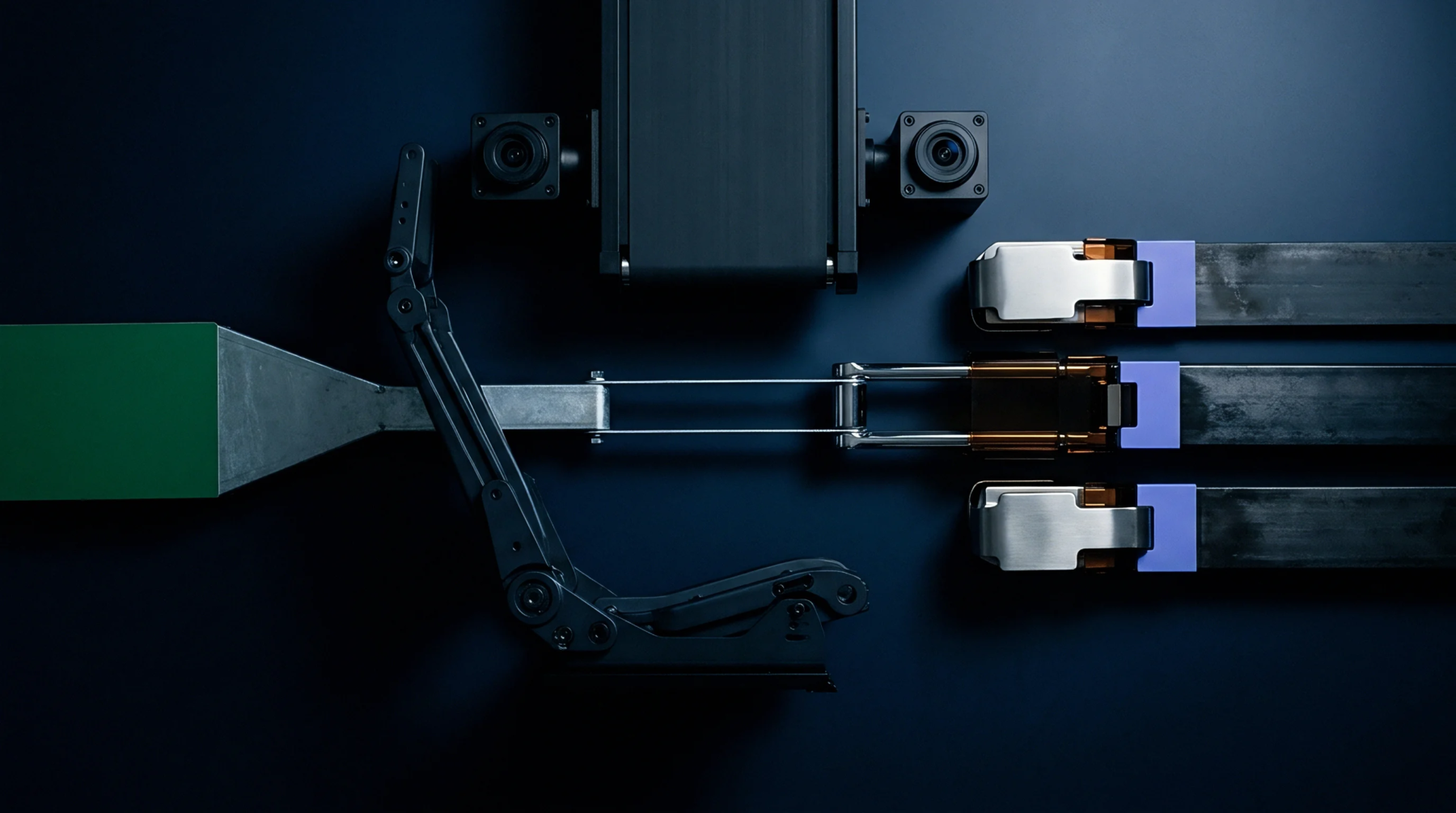
Closed loop inertial sensor Allan variance noise parameters require isolating active rebalance filter artifacts before populating discrete Kalman filter process noise matrices.
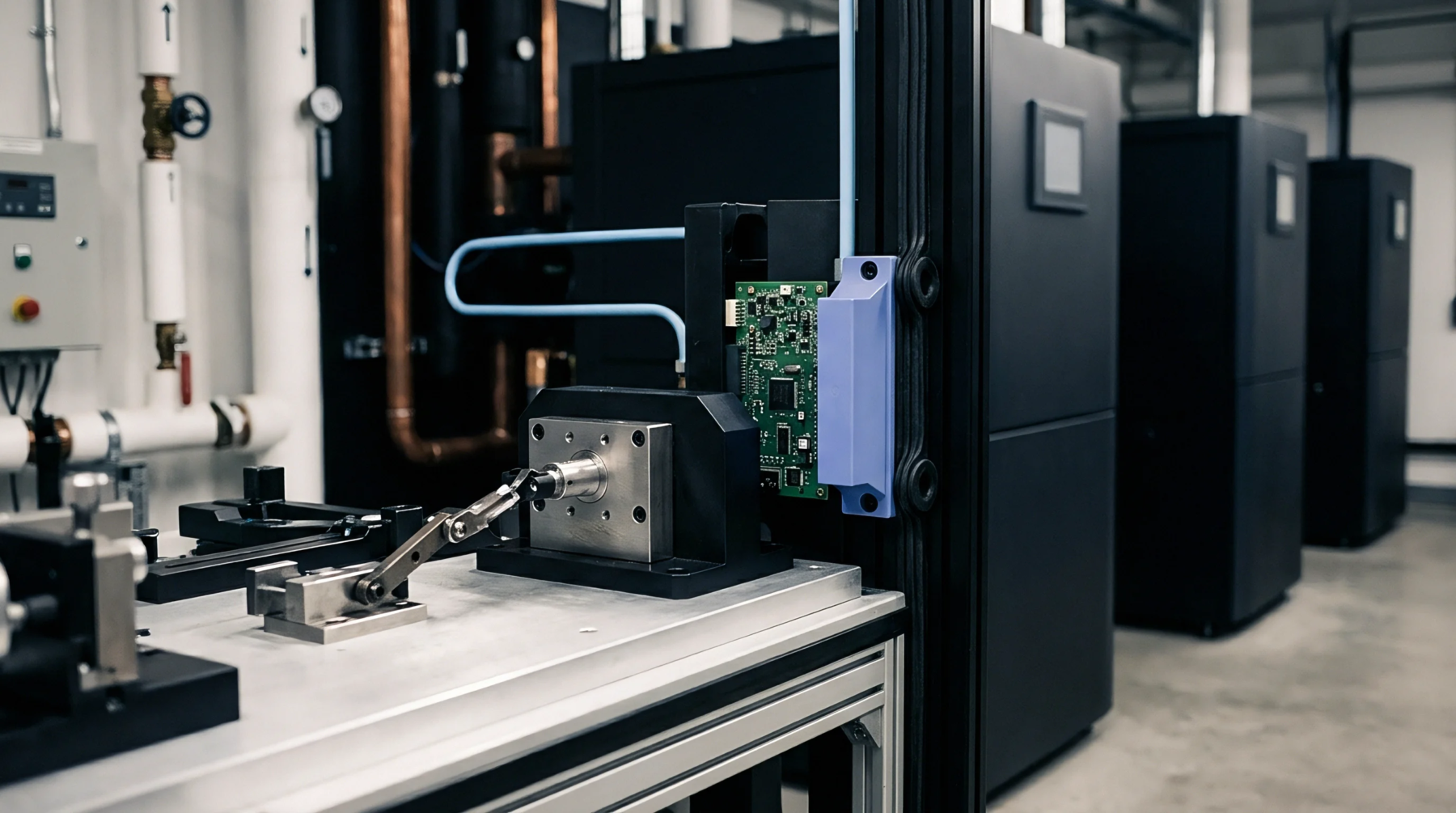
Active guard architectures require closed loop phase alignment below 0.05 degrees to eliminate moisture induced stray capacitive leakage currents.
Reconfiguring signal chains between capacitive and piezoresistive transducers requires matching input impedance, excitation sources, and thermal compensation math.
Expertise is a utility, not a secret. sentiention™ publishes its working knowledge as open reference: intelligence layer covering the materials it sources, the markets it enters, and the reference that serves both.