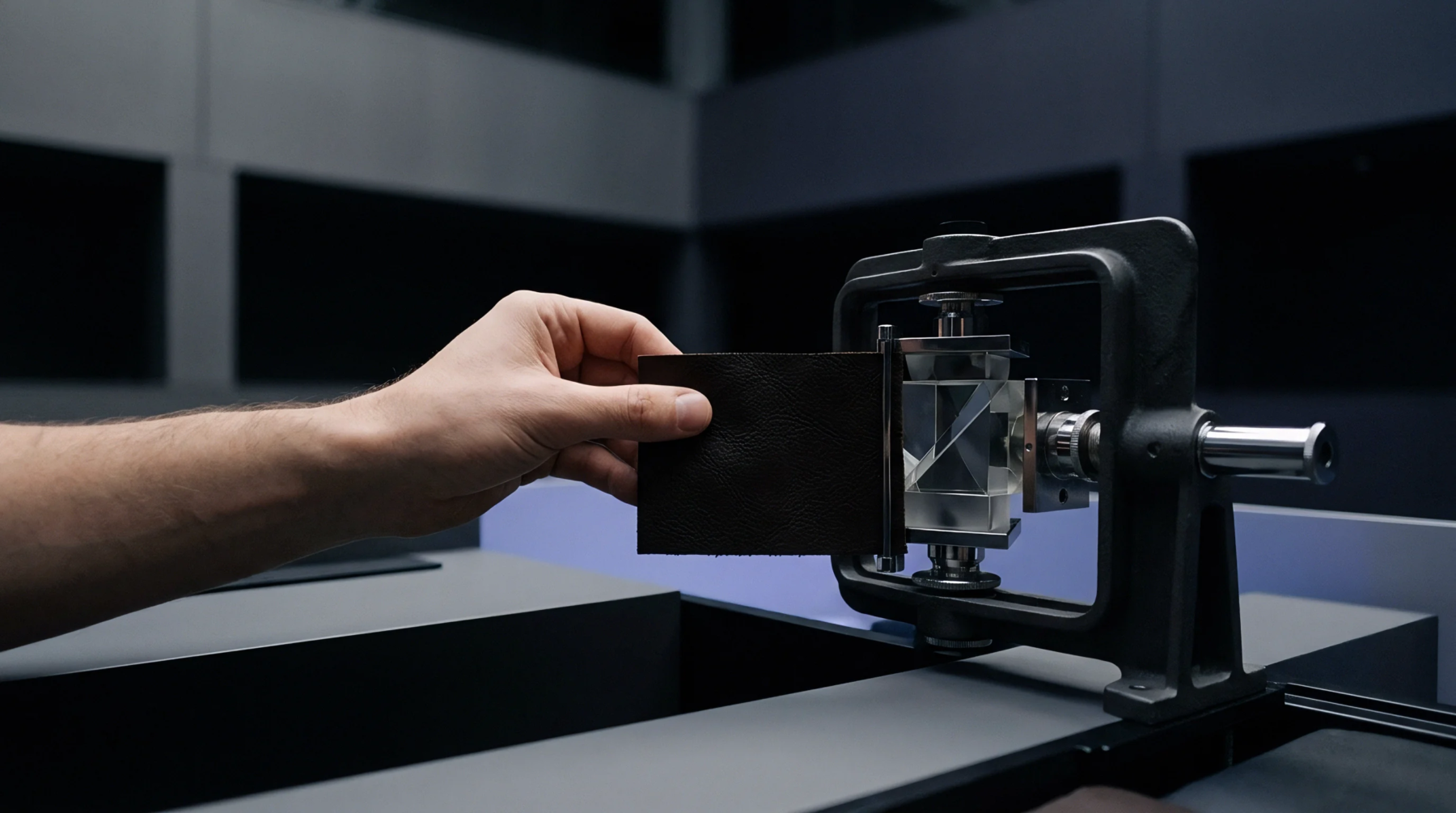
Spectral Transmission
Optical crystal plates provide transmission across a wide spectral band from the vacuum ultraviolet to the mid-infrared region. A calcium fluoride window is deployed in spectrophotometers and thermal imaging systems where signals between 0.13 and 9.0 micrometers must pass with minimal absorption. The high transmittance of this material makes it a preferred choice for monitoring hydrocarbon emissions and combustion processes.
Mechanical Resistance
Physical durability determines the operating limit of crystalline optics in pressurised or high-vibration systems. While harder than other fluoride compounds, the calcium fluoride window possesses a relatively low Knoop hardness that demands careful handling during installation. Polishing techniques must avoid causing cleavage along the natural cubic planes of the crystal structure, which weakens the optical surface.
Thermal Sensitivity
Temperature gradients across an optical element introduce wavefront distortion through changes in both refractive index and physical thickness. For the calcium fluoride window, the coefficient of thermal expansion is quite high, which can cause mounting stress or mechanical failure if the assembly undergoes rapid thermal cycling. Thermal stress analysis dictates the clearance and cushion materials used in the metal bezel holding the lens.
Environmental Tolerance
Protection against humidity and chemical attack ensures the long-term calibration stability of gas sensors in industrial flue environments. Moisture degrades polished surfaces over extended exposure periods, although the calcium fluoride window is less soluble than alternative salt crystals like sodium chloride. Acidic condensation requires protective coatings to prevent surface fogging and the resulting drift in measurement accuracy.
In outdoor installations, moisture seals and hydrophobic barriers are added to the housing because exposure to liquid water accelerates surface erosion. Furthermore, the combination of high humidity and elevated temperatures demands periodic inspection of the window’s transmission profile to verify that the sensor calibration remains within the specified tolerance band of the instrument.