
Auditing Subsea Pressure Sensor Calibration Chains
Rigorous subsea pressure sensor auditing ties factory certificates to primary piston gauges while qualifying thermal dwell and hydrogen barrier stability.
Rigorous subsea pressure sensor auditing ties factory certificates to primary piston gauges while qualifying thermal dwell and hydrogen barrier stability.
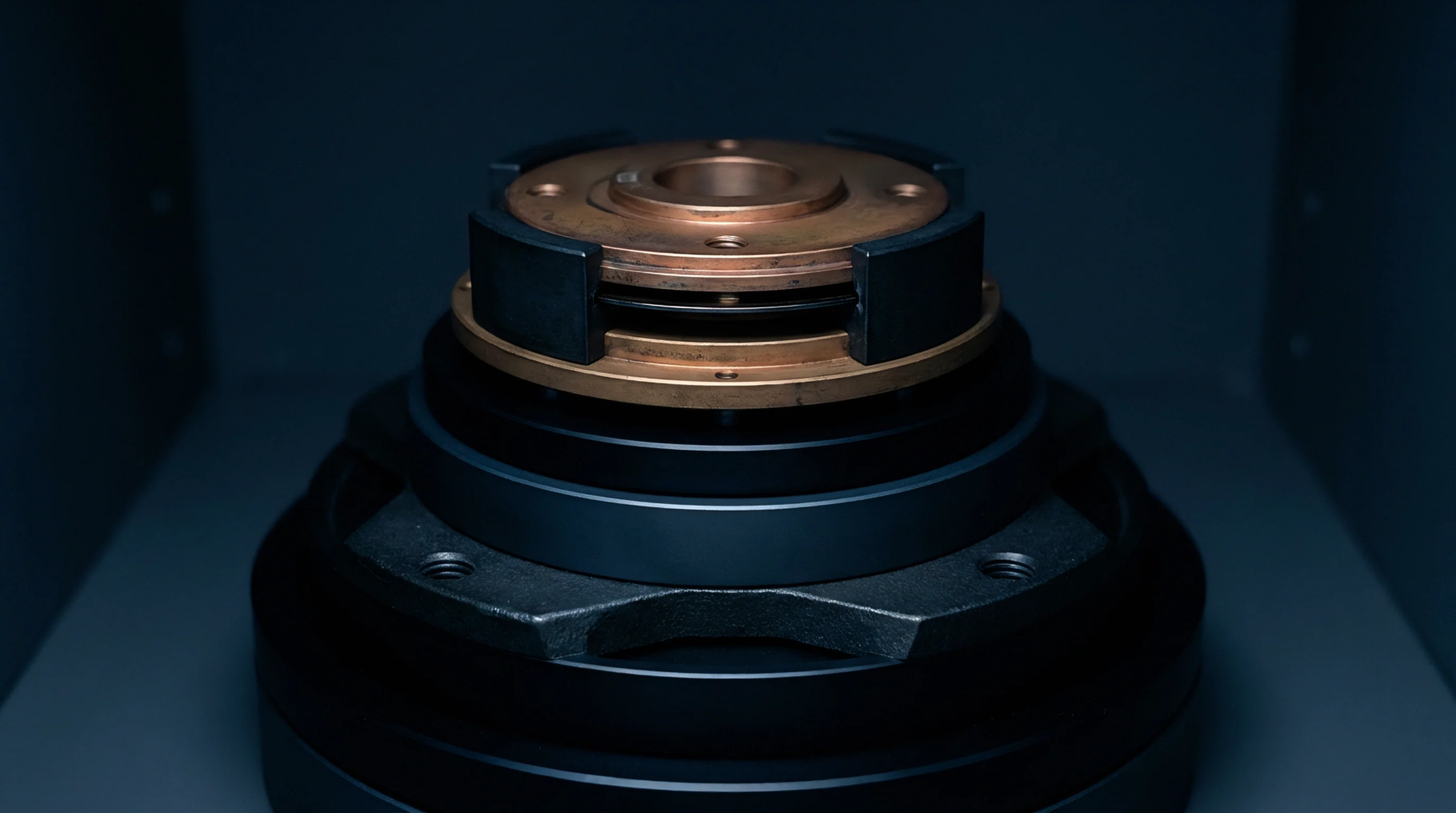
Non-equilibrium volumetric aging in micro-transducer encapsulants drives continuous piezoresistive drift; thermal pre-conditioning stabilizes free volume.

TNM modeling captures glass relaxation to predict piezoresistive transducer drift, turning multi-year sensor stability into a quantifiable thermal design parameter.

Polymer free volume loss in sensor packaging exerts progressive compressive stress on transducer dies, driving uncorrectable long-term offset calibration drift.
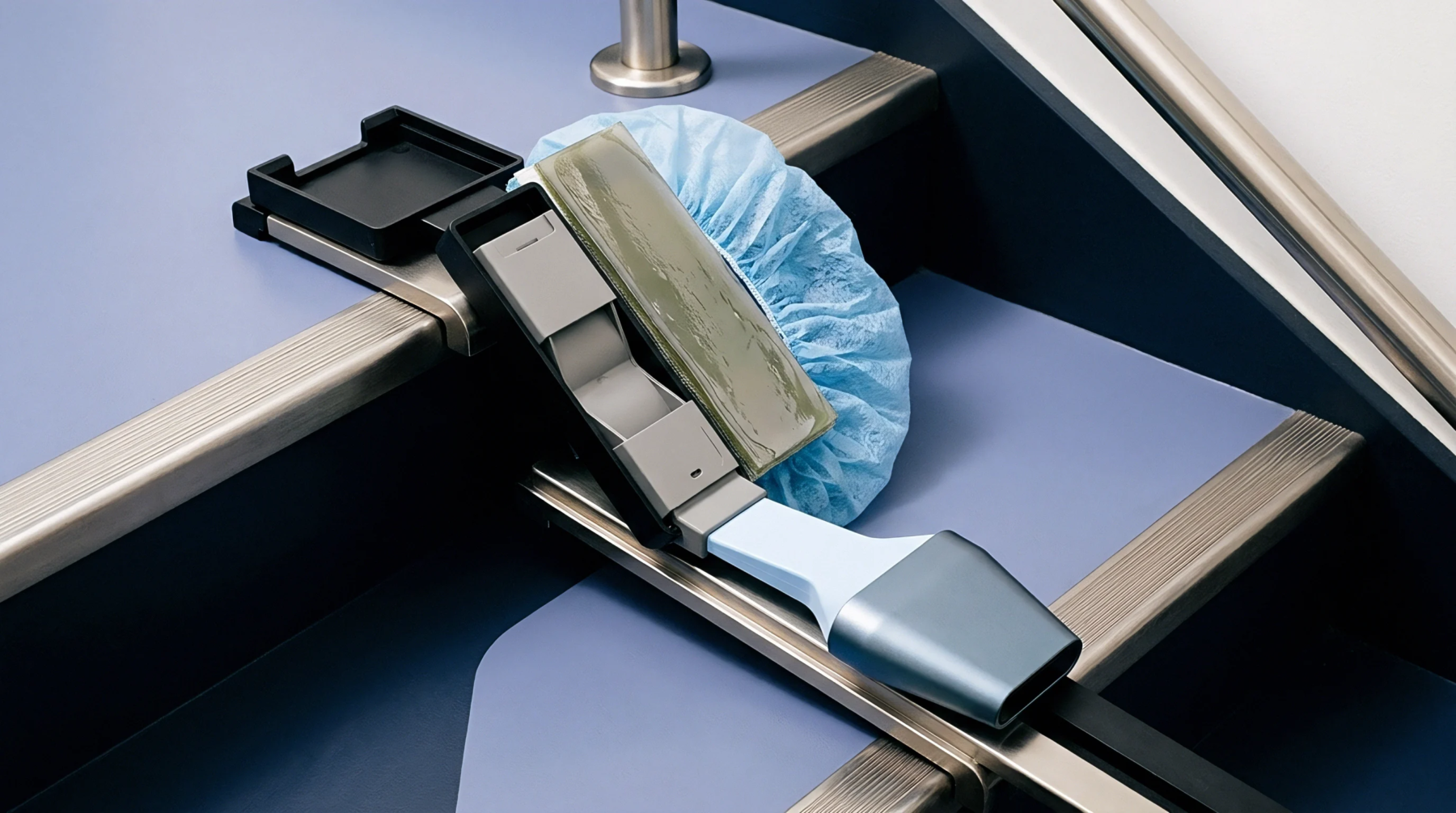
Acoustic microscopy fails to quantify sub-fifteen-micron voids in high-temperature die attach stacks, allowing localized thermal stress to drift piezoresistive zero.

Automated thermal burn in for silicon bridges balances Arrhenius-derived acceleration multipliers against microbump shear limits to weed out infant interconnect defects.
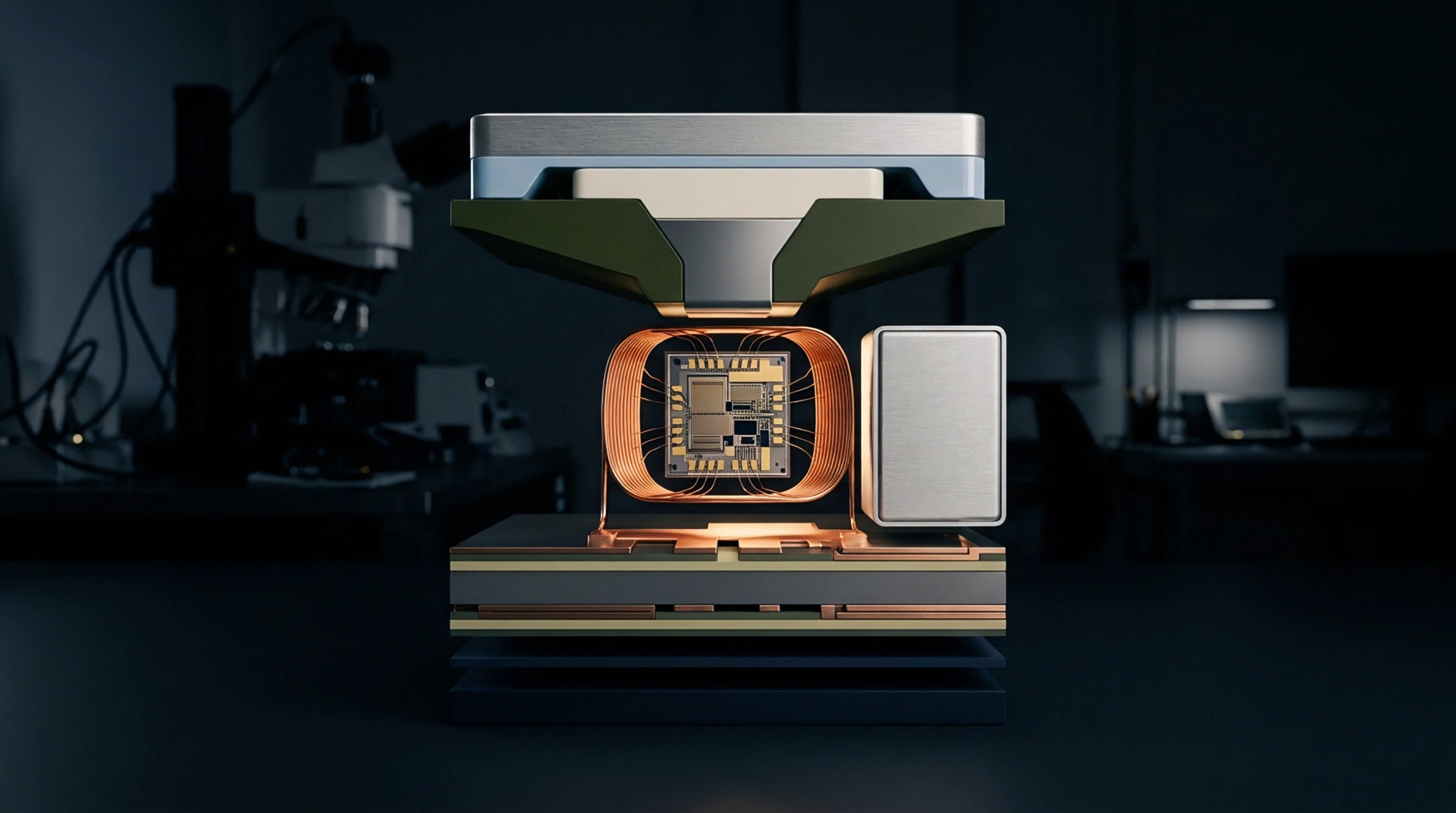
Field drift in piezoresistive sensors stems primarily from packaging creep and oil expansion, demanding rigorous uncertainty budgets and scheduled verification.

Carbon co-implantation and millisecond quench arrest transient enhanced diffusion, restricting piezoresistive zero-point wander below 0.20% FSO at 250°C.

Boron piezoresistive compensation balances positive resistance shifts against negative gauge factor decline via tailored current circuits or ASIC polynomials.

Ion implantation optimizes piezoresistive sensor sensitivity by balancing boron dose against gauge factor decay, junction depth, and thermal span stability.

Time-temperature-moisture superposition predicts package-induced zero drift by shifting viscoelastic adhesive relaxation across temperature and humidity scales.
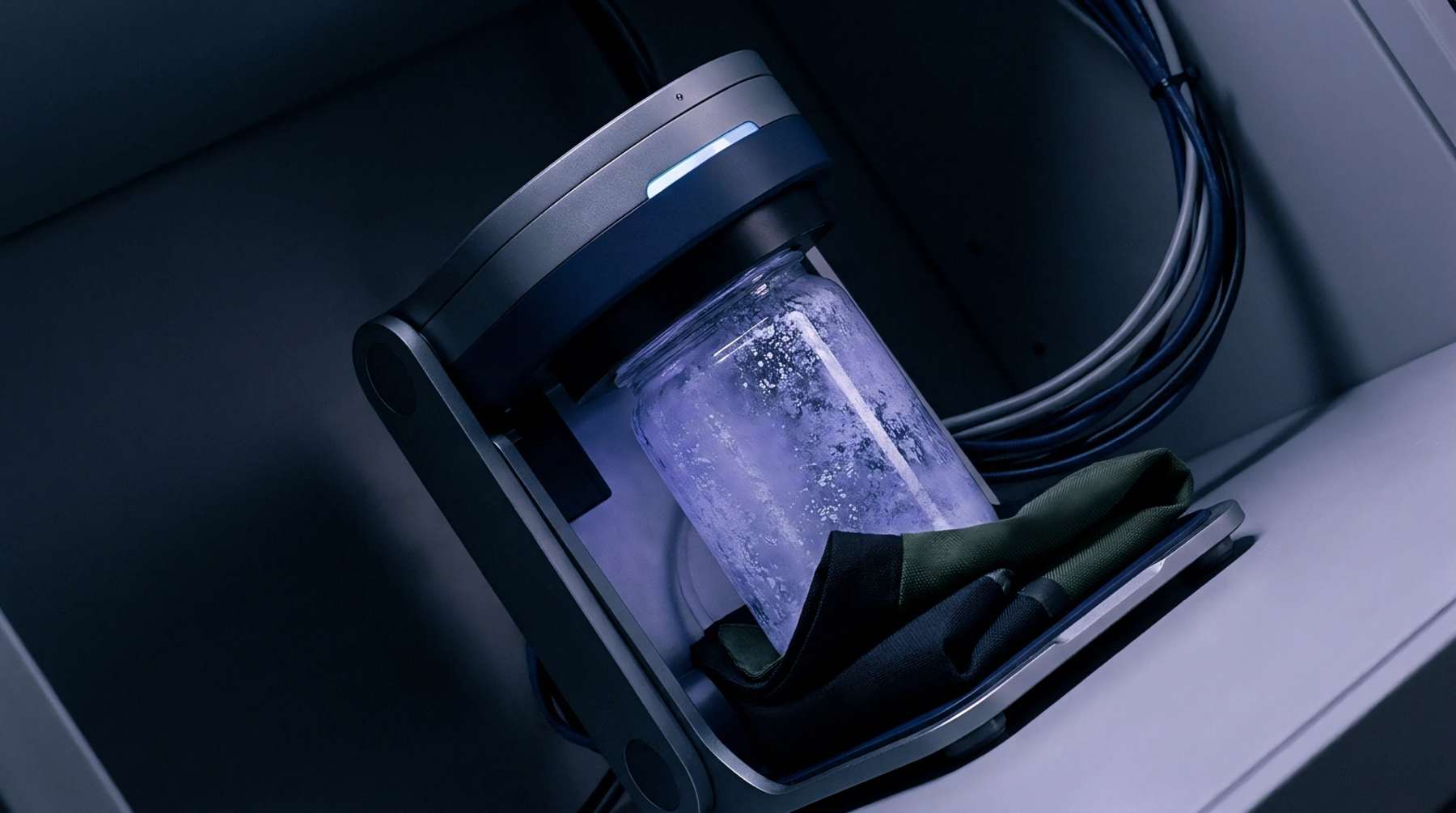
Thermodynamically constrained Prony series parameterization models package viscoelastic relaxation, predicting and mitigating multi-year MEMS zero bias shift.

Polymer packaging stress relaxation shifts sensor zero-point calibration over time, requiring compliant submount isolation or factored field recalibration intervals.

Dynamic thermal cycling induces packaging adhesive creep and hysteresis that corrupt low-pressure piezoresistive accuracy unless isolated by multi-dwell testing.

Anodic bonded glass pedestals require aspect ratios above 1.25 and compliant submounts to decouple expansion shear strains from sensitive silicon diaphragms.

Anodic glass pedestals isolate silicon pressure sensors from packaging stress, locking thermal zero drift within 0.1 percent full scale across service life.

Alkali drift and structural glass relaxation shift sensor zero-points over years; mitigating drift demands pre-aging bakes and barrier films.

Ductile metallic interlayers absorb anodic thermal contraction through plastic shear, cutting post-bond bow from 80 to under 20 micrometers on 150-millimeter stacks.

Mitigate anodic bonding residual stress by matching CTE crossover points and cooling at under 1°C/min to prevent sensor zero-point drift.

Helium permeation through borosilicate glass and electrochemical hydrogen evolution limit cavity life, requiring thin-film barriers and non-evaporable getters.
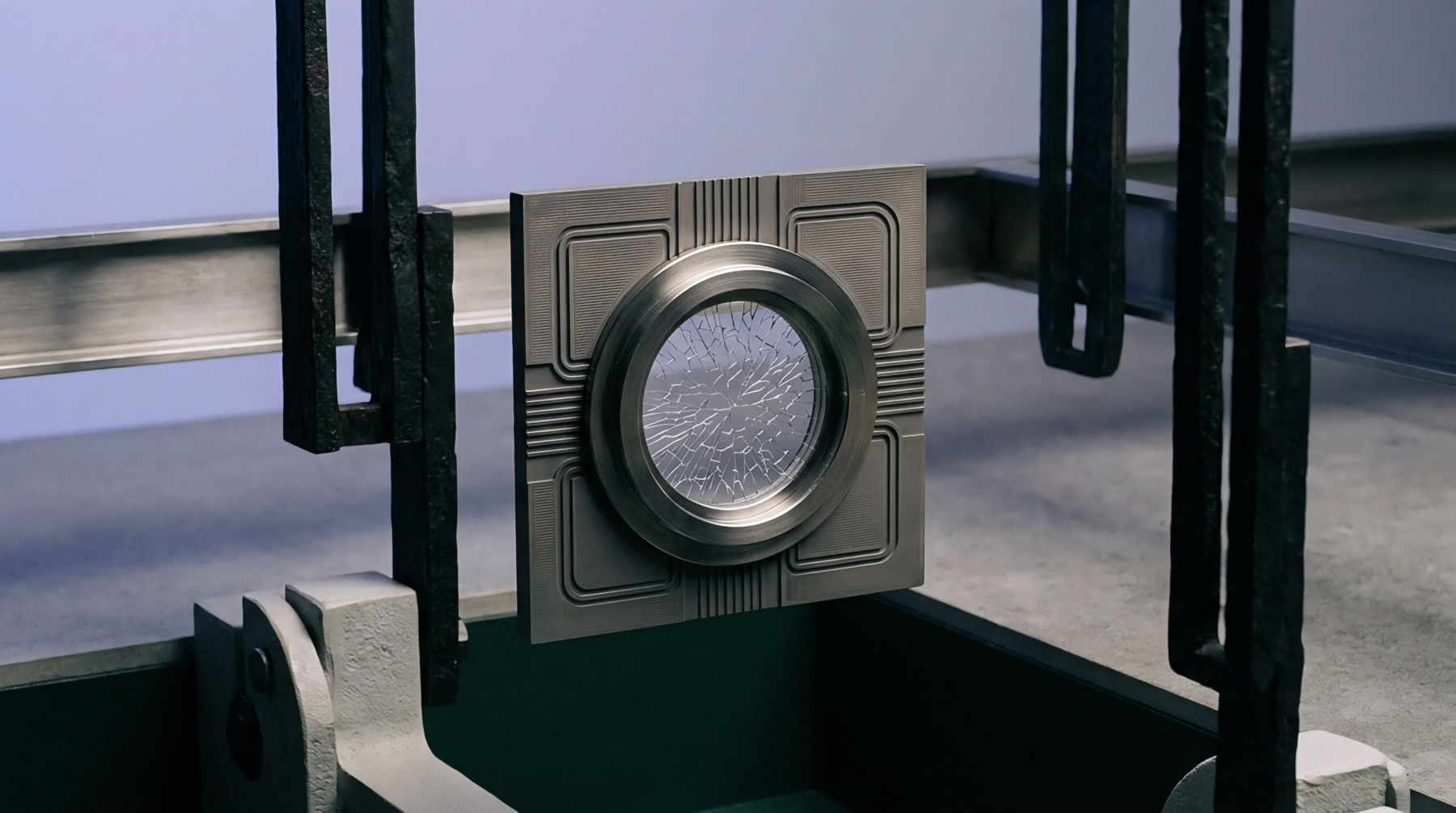
Standard micro cavity vacuum assessment requires non-destructive optical lid deflection or resonant Q-factor testing to bypass sub-nanoliter volume limits.

Evaluating getter activation temperatures balances thin-film oxide dissolution kinetics against wafer bonding thermal budgets to prevent cavity pressure drift.

Packaging stress relaxation drives non-linear zero drift in piezoresistive sensors, requiring early recalibration before shifting to extended intervals.
Expertise is a utility, not a secret. sentiention™ publishes its working knowledge as open reference: intelligence layer covering the materials it sources, the markets it enters, and the reference that serves both.