Performance Boundary
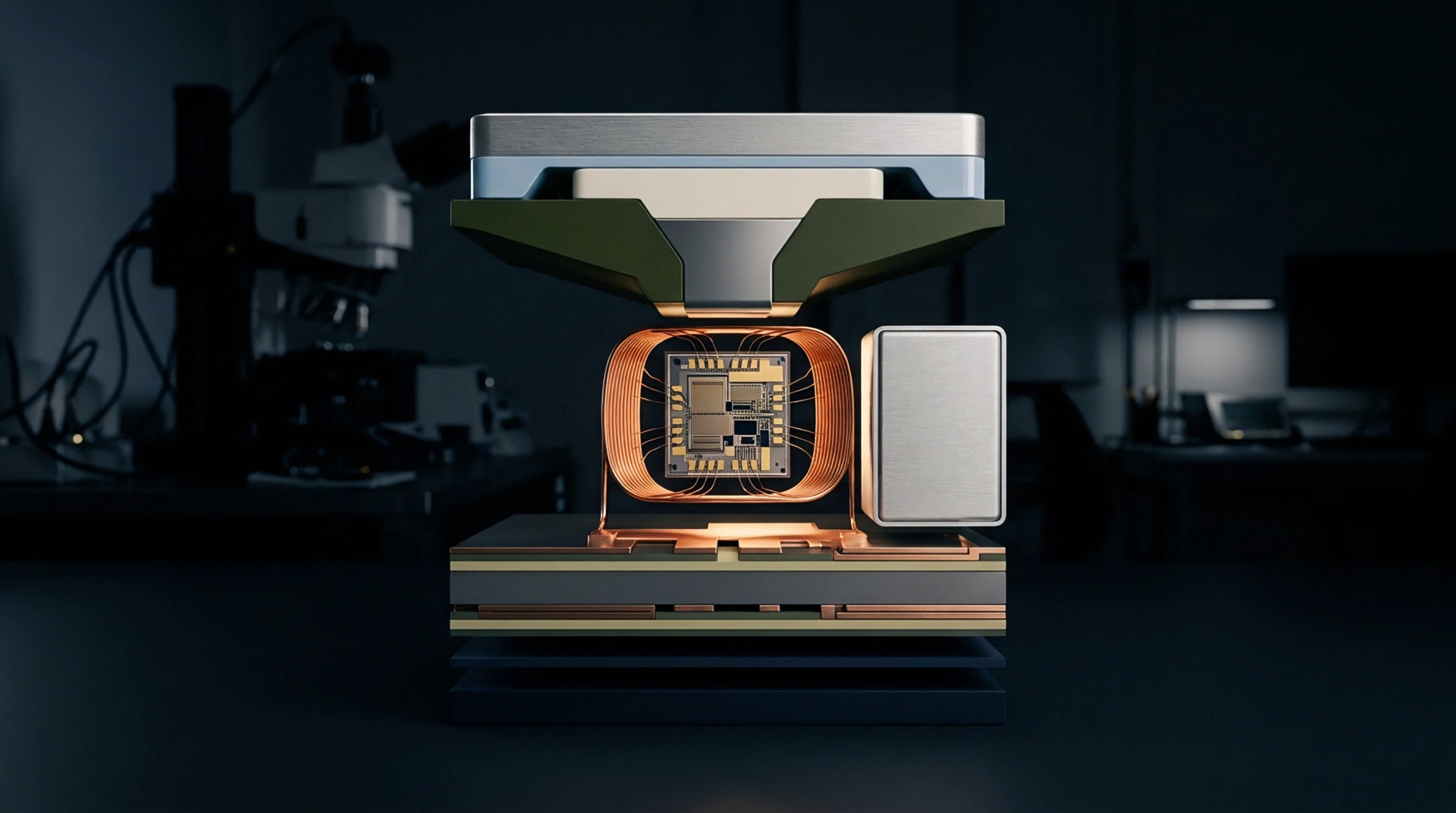
A composite measurement metric defines the maximum deviation from a calibrated output across the entire specified operating temperature range of a sensor. This total error band accounts for non-linearity, hysteresis, and thermal drift without isolating individual contributors. Engineers assess the final sensor response against this combined threshold to ensure system stability.
Constraint Scope
Sensor manufacturers assign this value to quantify the reliability of an instrument when shifting environmental conditions occur during operation. It prevents the accumulation of separate component errors from exceeding the operational budget of the circuit. Measurements outside this range signify a failure of the device to meet design requirements.
Calibration Metric
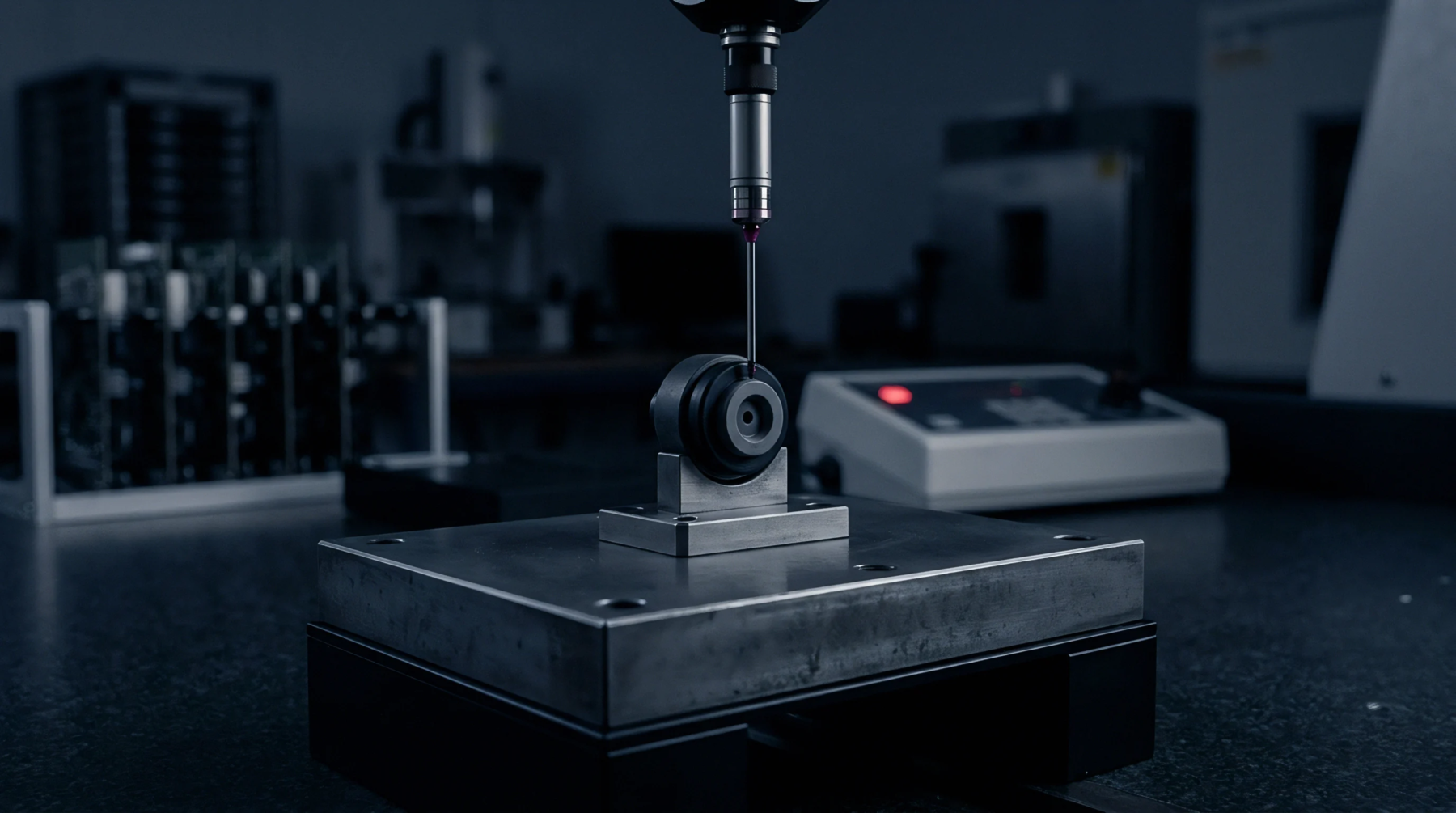
Technicians verify this parameter by cycling a unit through its temperature extremes while recording the variance from the expected input signal. The procedure identifies the spread of data points rather than a single static offset. A narrow band implies higher performance at the cost of additional compensation circuitry or higher manufacturing precision.
Operating Impact
System designers incorporate this value to calculate the worst case signal degradation in a closed loop control arrangement. Integration of the figure provides a deterministic view of accuracy over time instead of relying on room temperature snapshots. The total error band establishes the absolute limit of signal integrity for any sensor deployment.