Physical Displacement
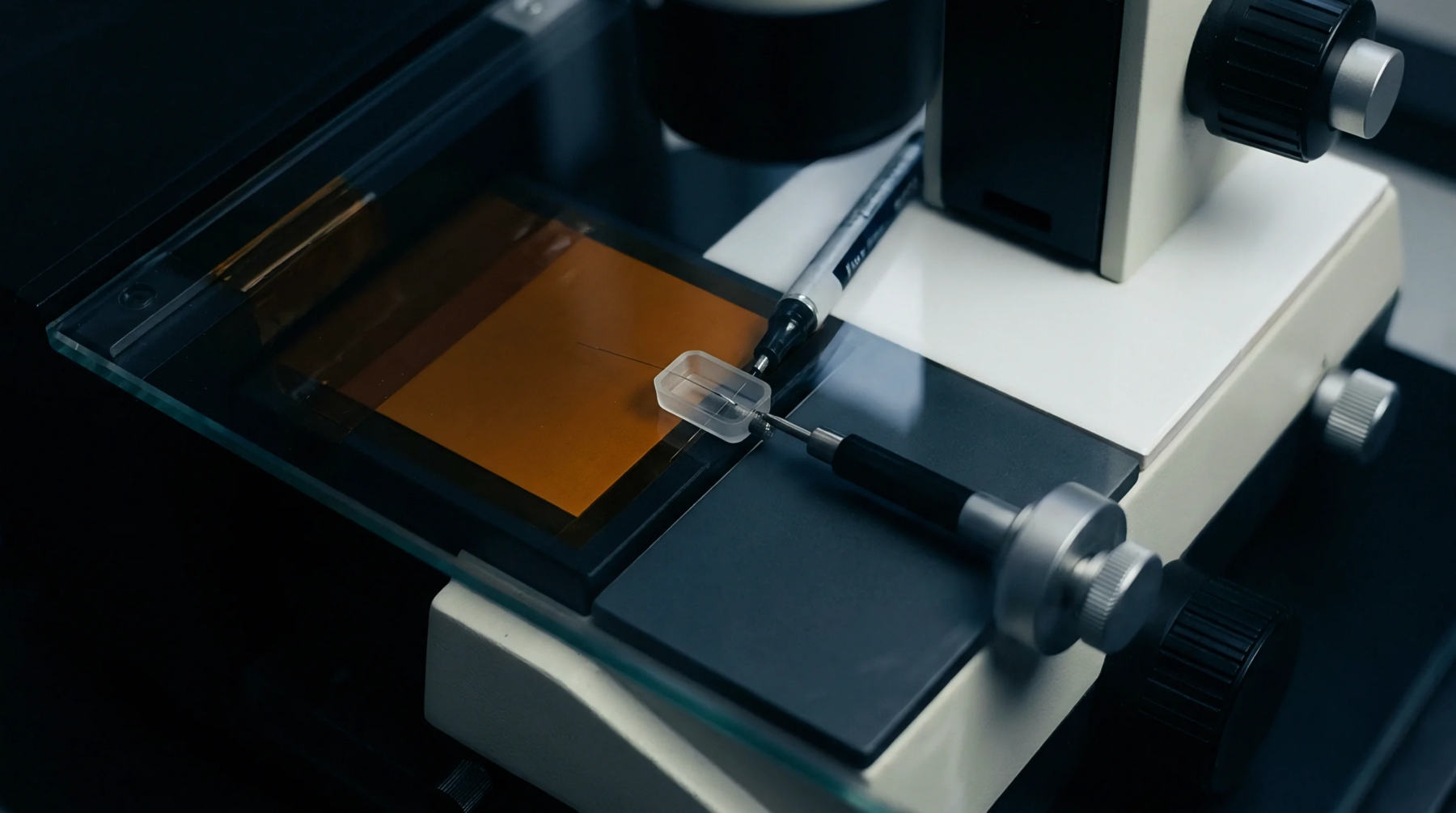
Deformation of a thin, suspended barrier under a pressure differential forms the core sensing mechanism of micromachined transducers. This physical displacement, known as membrane deflection, is converted into an electrical signal through capacitive or piezoresistive elements. The accuracy of the sensor depends on a linear relationship between the applied pressure and the resulting displacement.
It represents a fundamental operating parameter for miniature medical and automotive sensor designs where high precision is required.
Structural Design
Silicon nitride or monocrystalline silicon is selected for the diaphragm material due to their excellent elastic behavior. The thickness of the diaphragm is tightly controlled during chemical vapor deposition to ensure uniform behavior. An overly thick diaphragm reduces sensitivity while a thin one can rupture under overpressure.
The design must optimize this geometry to balance sensitivity against mechanical burst pressure.
Metrological Calibration
Laser interferometry provides a direct method to verify the deformation profiles under controlled pressure inputs. This optical technique maps the surface profile with sub-nanometer accuracy to ensure uniform strain distribution. The resulting data helps adjust the calibration algorithm in the sensor signal conditioner.
If the deflection pattern is non-symmetrical, it indicates internal stress in the material.
Environmental Drift
Thermal expansion mismatch between the diaphragm and the housing creates parasitic stresses. These stresses alter the baseline deflection and cause output errors over temperature. Using materials with matching thermal expansion coefficients minimizes this issue.
Sensor packages must isolate the sensing element from external mounting stresses to prevent measurement errors.