Reliability Stress
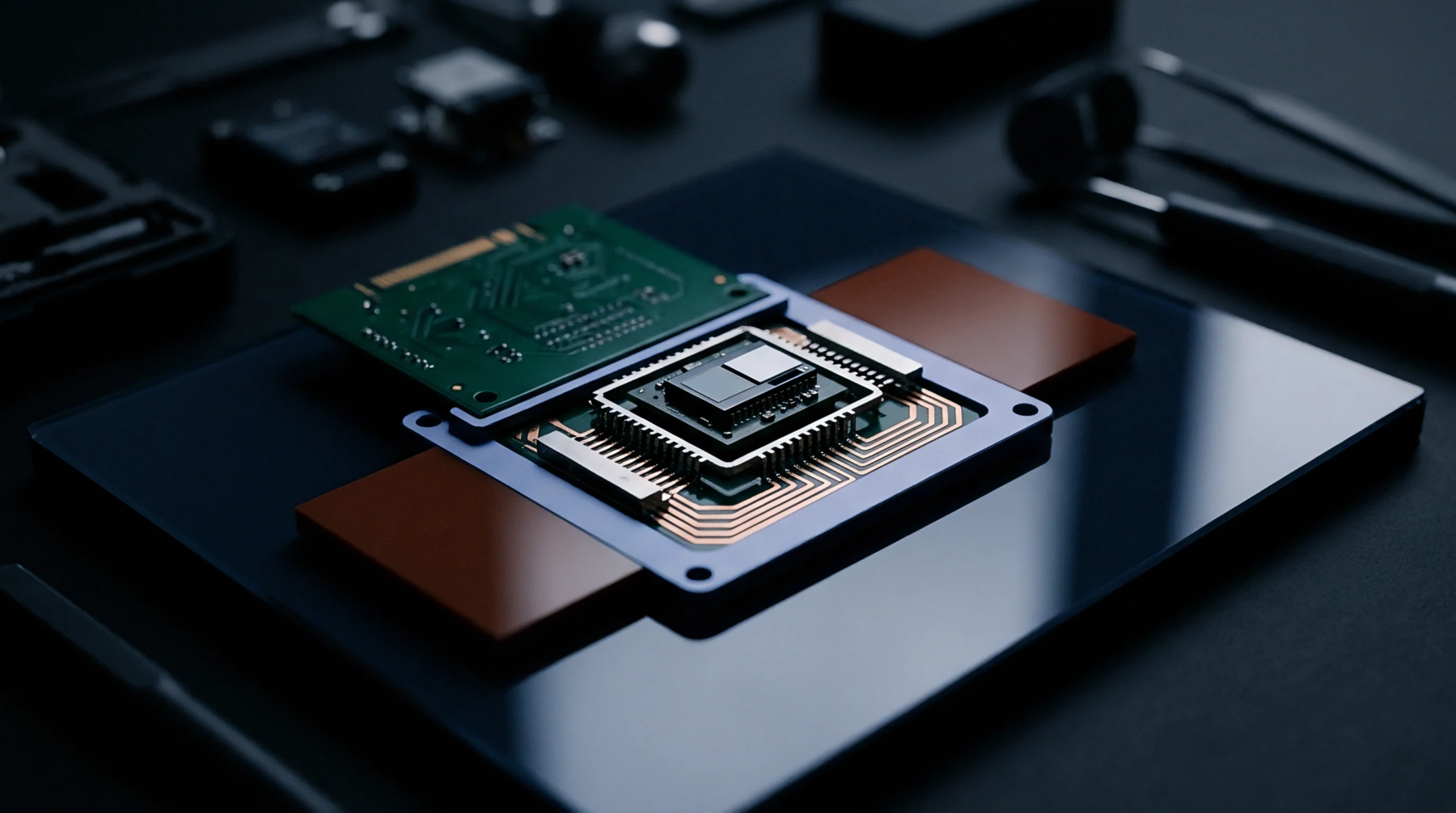
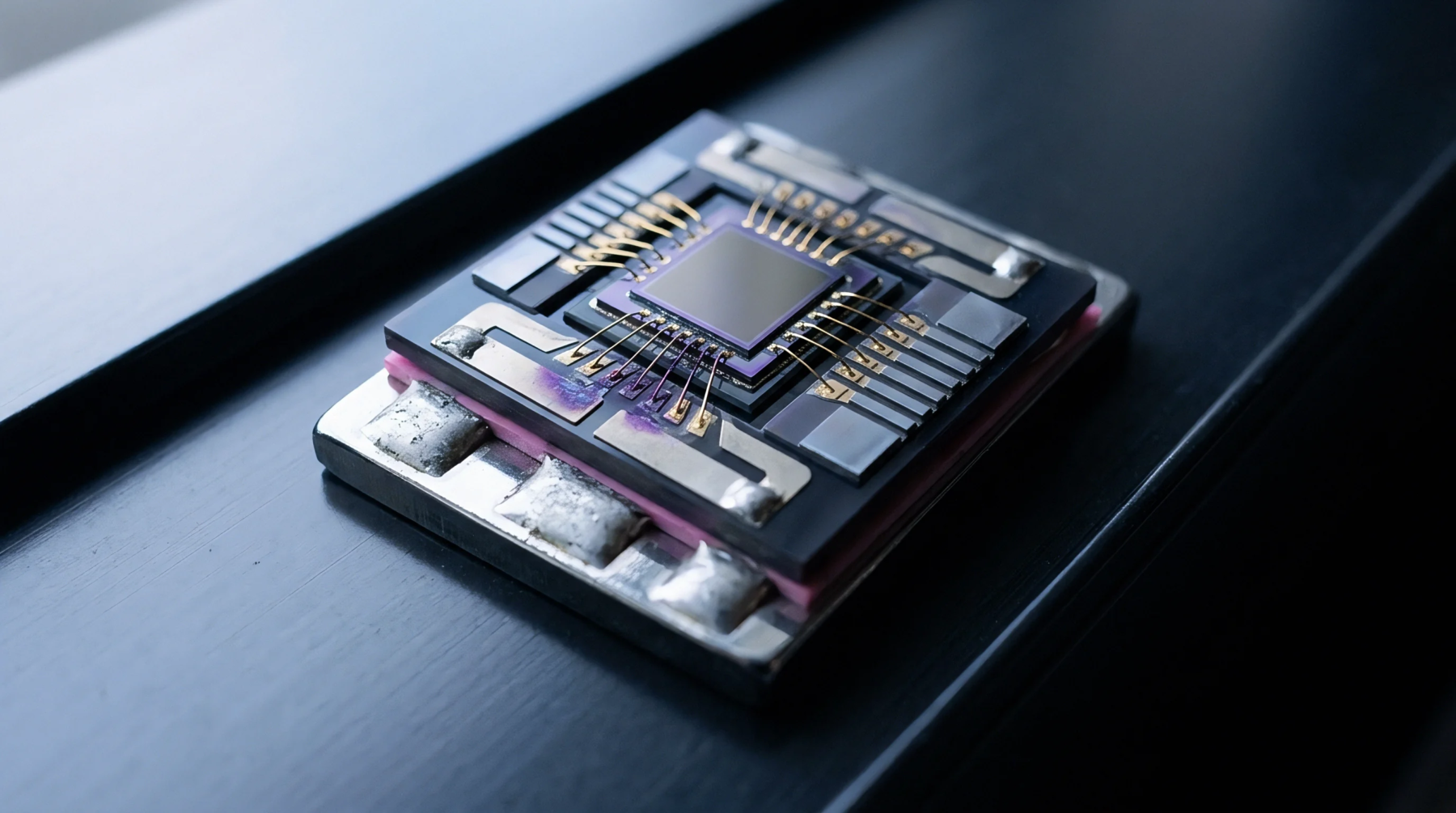
Accelerated aging conditions assess the longevity of electronic components while they are under power. During high-temperature operating life tests, chips are placed in a thermal chamber and run at their maximum electrical limits for hundreds or thousands of hours. This process identifies potential failures related to electromigration, gate oxide degradation or contact fatigue.
It measures how fast the materials wear out in the field by compressing years of normal use into several weeks of intense heat. The limit of the test is determined by the maximum safe operating temperature of the internal circuitry. If the heat goes too high, it might cause different failure mechanisms that never appear under normal user environments.
The procedure provides an essential data set for calculating the mean time between failures for new sensor families.
Thermal Measurement
Calibration of the aging oven ensures that every part in the test batch sees exactly the same degree of stress. Inside the chamber, high-temperature operating life testing requires uniform airflow to prevent hotspots that would overcook specific boards. Thermocouples at multiple locations track the environmental drift and provide feedback to the heater controllers.
If the temperature exceeds the specified tolerance, the timer usually pauses to prevent invalidating the entire study. Engineers specify these test conditions according to standards like JEDEC or AEC-Q100 to ensure market acceptability. The drift in the performance of the device under test is measured before, during and after the exposure.
Any parameter shift beyond ten percent often indicates a latent reliability problem that requires a design update. Sourcing these specialized ovens involves verifying their ability to hold a steady heat for month long durations.
Monitoring Interface
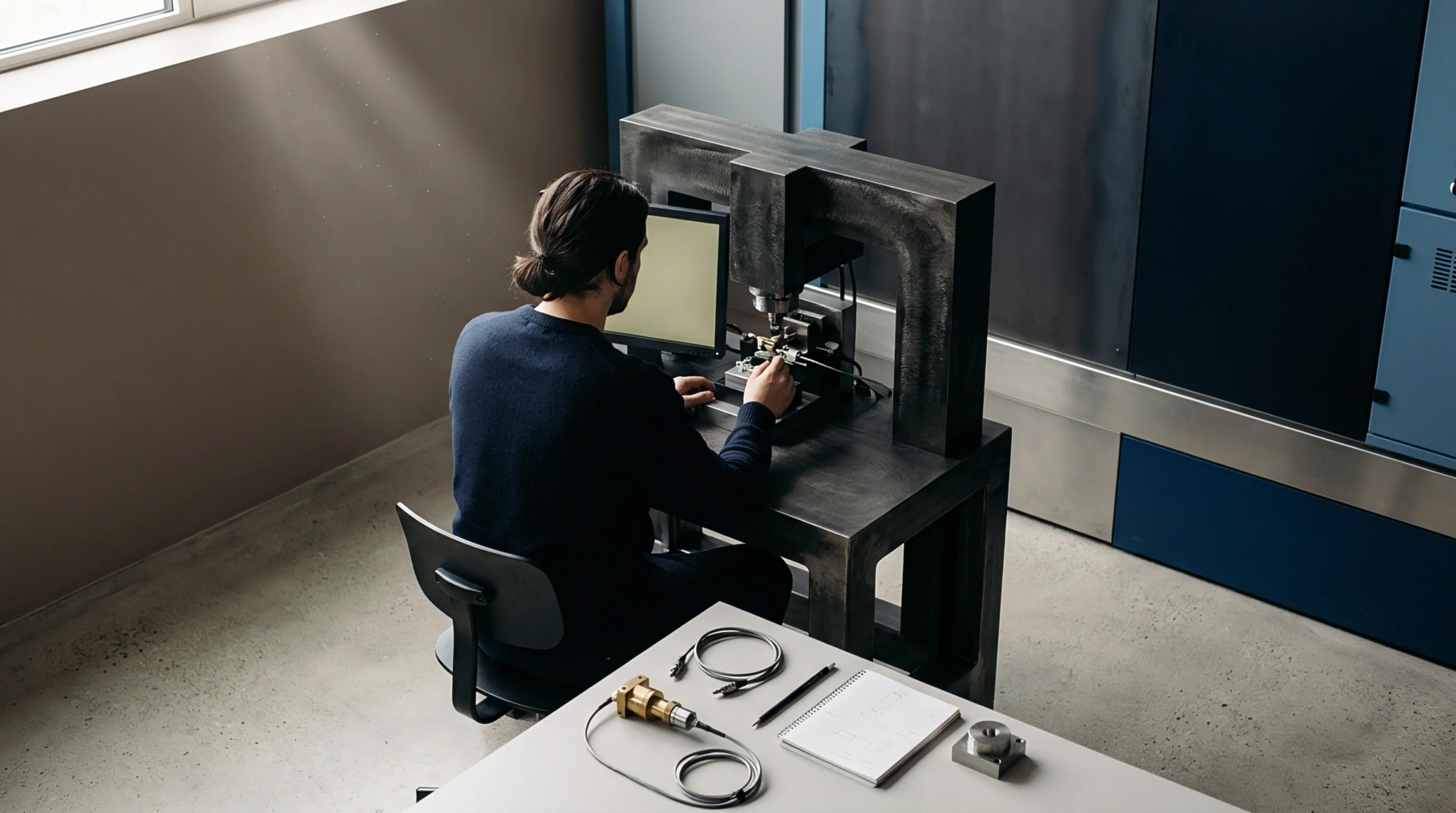
Connection stability determines the accuracy of the diagnostics collected while the devices are cooking. Because high-temperature operating life spans so much time, the sockets and cabling inside the oven must withstand identical heat. If the gold plating on the test rack oxidizes, the rising contact resistance creates phantom failures in the logs.
Measuring the source voltage at the pin ensures that the unit is actually active and under stress. Sourcing quality hardware for the reliability lab focuses on high temperature plastics and metals that resist deformation. Over time, the signals can weaken as the board traces lose conductivity or insulation breaks down.
Technicians perform regular maintenance checks on the wiring to keep the interference low. If a unit stops communicating, the system logs the exact moment of death to refine the survival curves of the population.
Verification Logic
Qualification reports summarize the outcomes to decide if the sensor is ready for widespread distribution. Successful high-temperature operating life results mean that the batch has met the minimum survival targets without early infant mortality. These findings give the customers confidence that the part stays functional throughout its expected life in a hostile engine or industrial system.
If failures do occur, failure analysis determines if the cause is a random defect or a generic design weakness. The certificate of testing specifies the sample size and the failure rate detected during the run. Calibration steps are repeated at the end to confirm that the drift is within the allowable specification.
This final verification check is the last hurdle before the component receives full production approval. The test remains the standard for evaluating semiconductor durability in rigorous procurement chains.