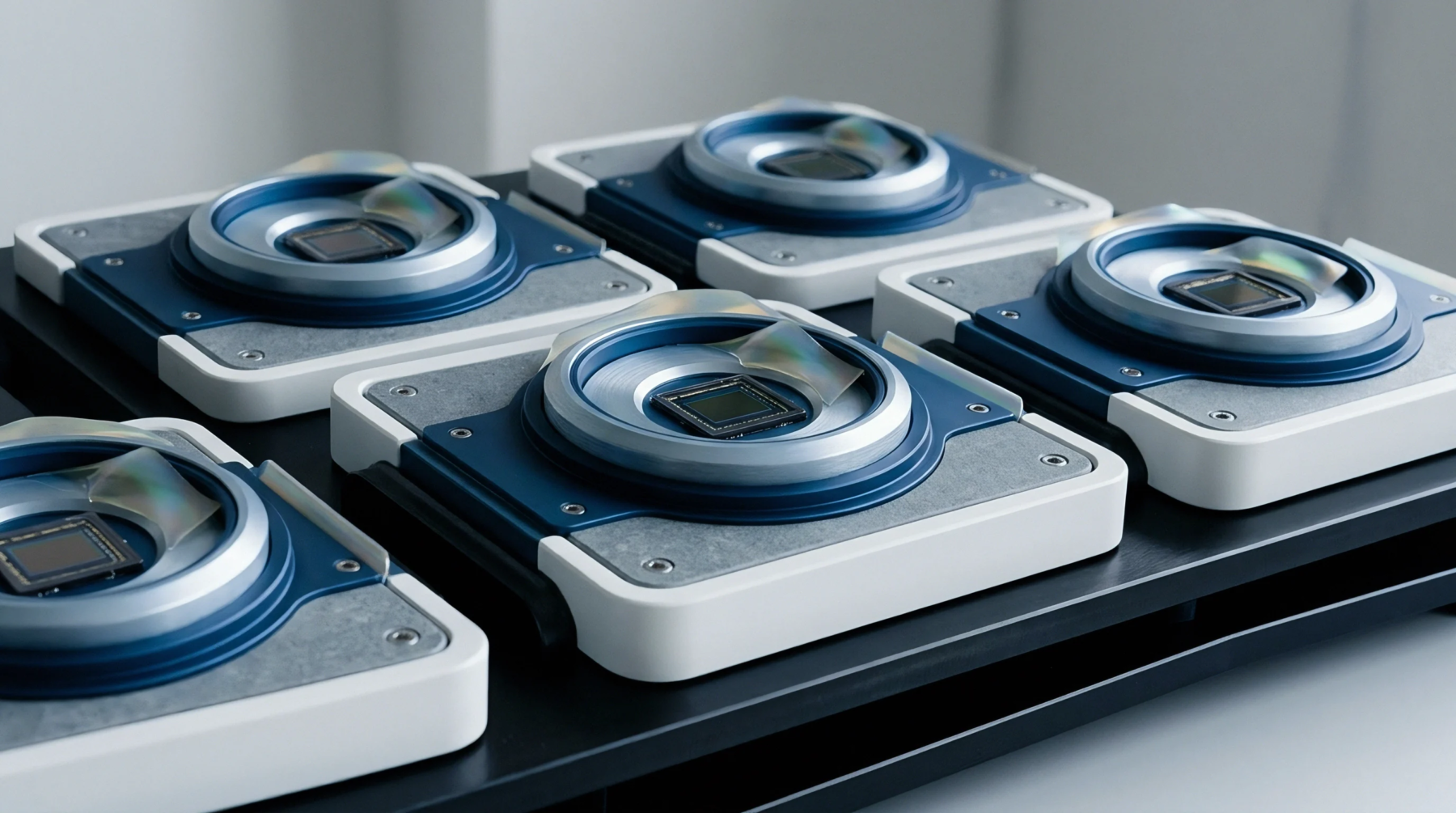
Output Instability
Slow, non-random changes in the zero-g or zero-rate output of silicon micro-machined sensors occur due to internal material relaxation and thermal fluctuations. This behavior, known as MEMS bias drift, causes a growing error in integrated navigation and positioning systems. The accumulation of these offsets leads to positional drift over time.
Stress Acceleration
Packaging stress and thermal expansion mismatch between the silicon die and the ceramic substrate are the primary drivers of mechanical deformation. As the ambient temperature changes, these forces alter the physical gap of the sensing capacitors or the electrical resistance of piezoresistive gauges. This dynamic stress produces a temperature-dependent MEMS bias drift that requires continuous on-board compensation.
Environmental stressors such as vibration and long-term storage can also shift the baseline bias.
Filter Performance
Integration of inertial data without a secondary reference causes the calculated velocity and position to drift quadratically and cubically over time. Compensation algorithms utilize external sensors like GPS or optical flow systems within a Kalman filter to estimate and correct the bias in real time. This sensor fusion approach prevents the drift from compromising the accuracy of the tracking application.
Allan Variance
Characterization of the noise and stability profiles of inertial sensors relies on the Allan variance method to isolate bias instability from white noise. Plotting the variance against the cluster time reveals the minimum point, which represents the limit of bias stability. This test standard establishes the performance class of the sensor and defines the calibration interval required for autonomous operation.