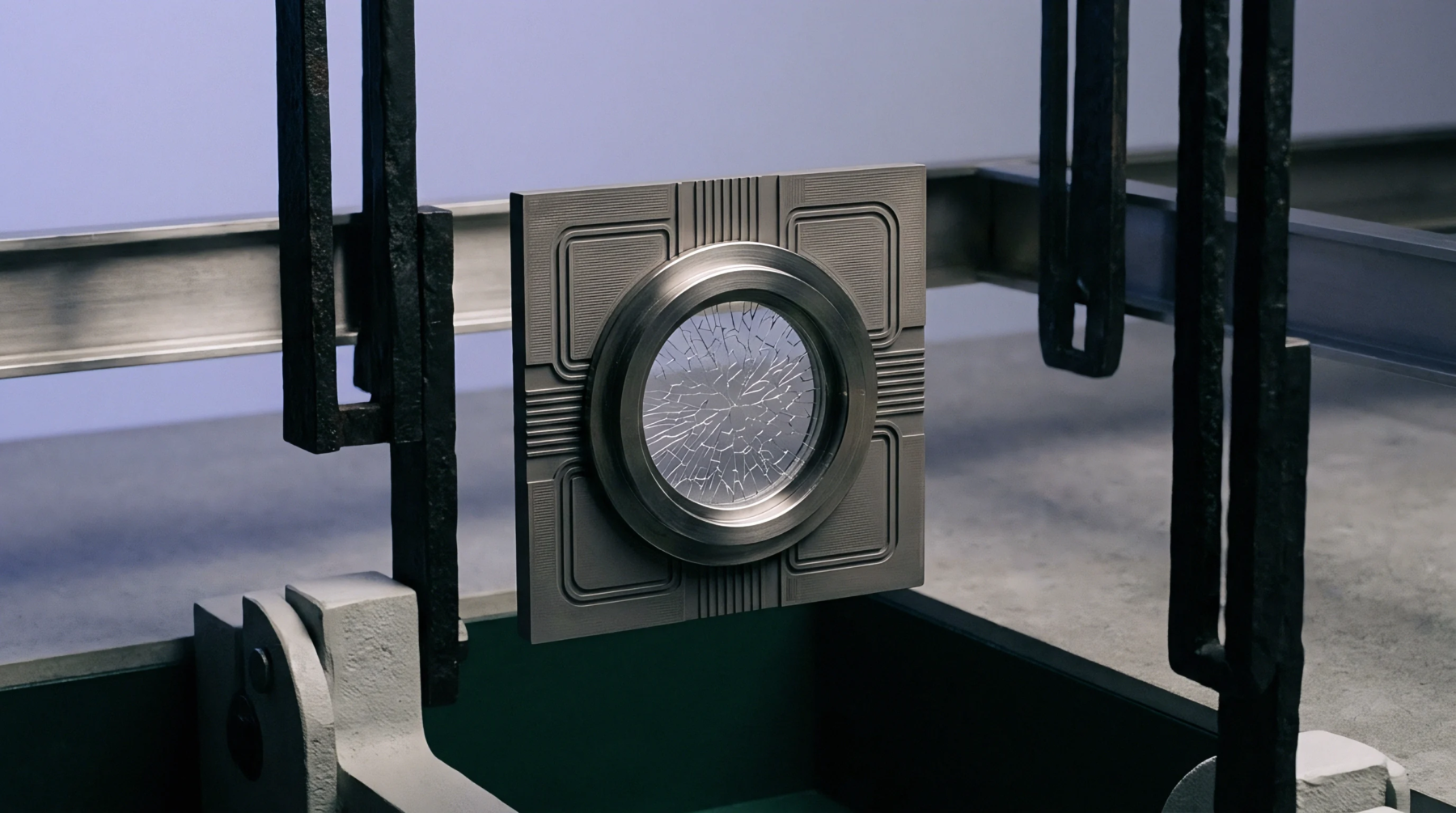
Barrier Architecture
Protection technology used to create a gas-tight enclosure that prevents the exchange of contaminants and moisture between the internal environment and the exterior. Effective hermetic sealing ensures that sensitive electronics or mechanical components operate in a controlled atmosphere, such as a vacuum or an inert gas. The seal must maintain its integrity across the entire lifetime of the product.
The isolation is necessary for components that are susceptible to oxidation or corrosion.
Material Selection
Glass-to-metal seals and ceramic packaging provide the necessary durability for long-term protection. Unlike plastic or polymer coatings, which are permeable to water vapor over time, the materials used in hermetic sealing create a true molecular barrier. Solder alloys and specialized welding techniques are used to join the lid to the package base.
The choice of material depends on the coefficient of thermal expansion to avoid cracking during temperature cycling.
Verification Protocol
Helium leak testing provides the standard method for quantifying the effectiveness of the enclosure. A component undergoes pressurized exposure to helium, and a mass spectrometer detects any escaping tracer gas to determine the leak rate. The measurement is typically expressed in atmospheric cubic centimeters per second.
Requirements vary by industry, with aerospace and medical implants demanding the lowest detectable leak rates.
Failure Mode
Mechanical stress and thermal shock represent the most common threats to the longevity of the seal. If the bond between the glass and metal fails, hermetic sealing is compromised and the internal pressure begins to equalize with the surroundings. The breach allows moisture to enter, leading to electrochemical migration or internal fogging.
Regular inspection and environmental stress screening help identify weak seals before they reach the field. Environmental testing protocols often include salt spray and humidity exposure to verify the barrier. Leakage rates must be documented in the quality management system for every batch.
The structural integrity of the feedthroughs is also a critical point of inspection.