Portable Reference
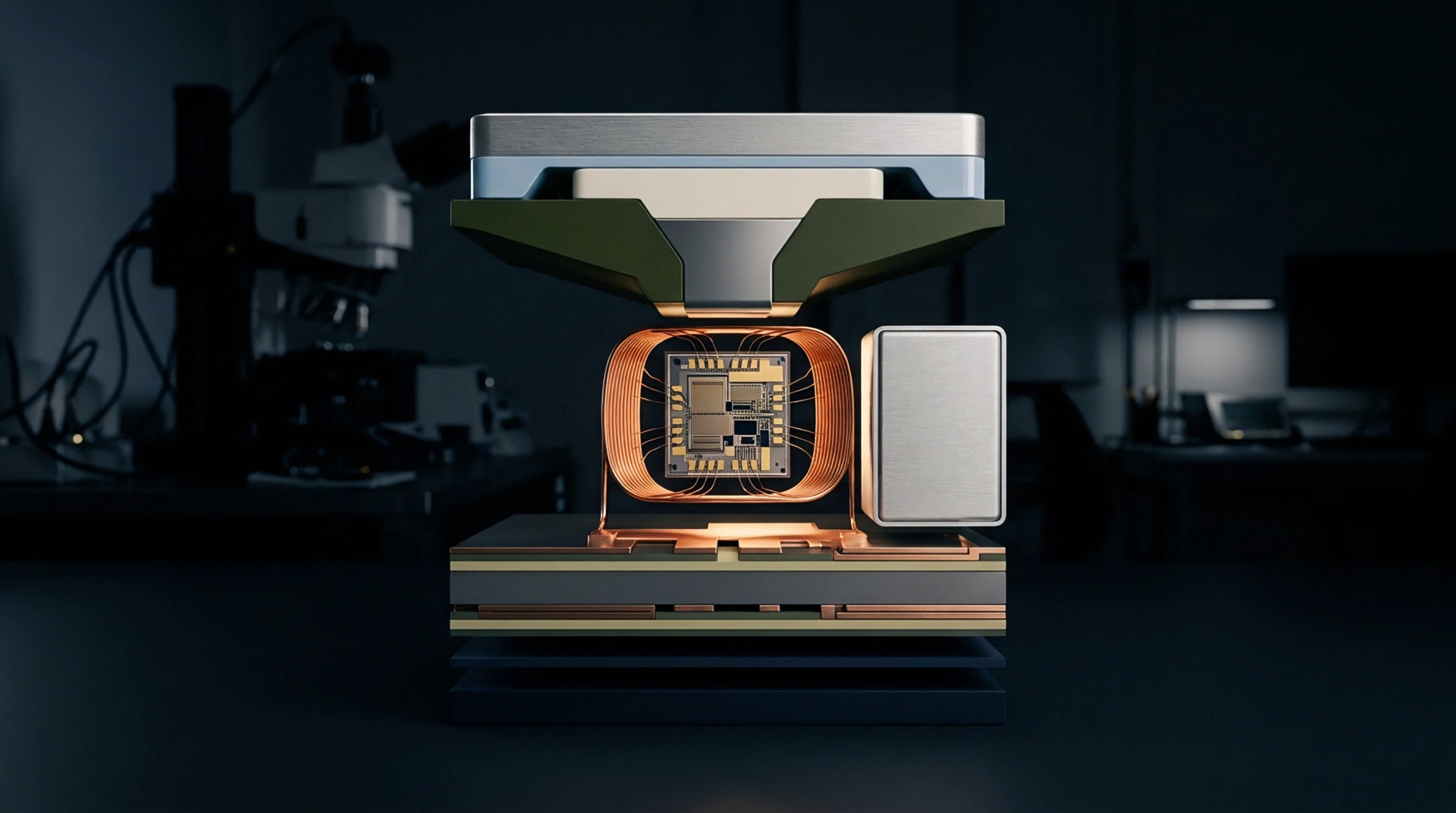
Reference instruments establish a reliable link between laboratory metrology and day-to-day industrial measurements. The use of a field transfer standard provides a highly accurate, portable device to verify the calibration of operational sensors on-site. This instrument is calibrated in a controlled laboratory environment against primary standards before being taken to the field.
It allows operators to check the performance of pressure gauges and flowmeters without removing them from the production line.
Calibration Chain
Traceability requirements dictate that every portable reference must maintain a documented connection to national standards. The field transfer standard acts as an intermediary between the primary reference and the working instrument. To ensure accuracy, the transfer standard undergoes frequent recertification under highly stable laboratory conditions.
It is then transported to the field in protective housing to prevent mechanical shock and contamination. When the portable reference is compared to field sensors, it transfers this trace accuracy to the production environment. This process minimizes the downtime of active industrial equipment while maintaining quality compliance.
Environmental Sensitivity
Temperature fluctuations and mechanical stress can degrade the accuracy of portable reference units during transport. A field transfer standard often incorporates ruggedized housings and thermal insulation to combat environmental changes. Despite these protections, operators must allow the instrument to stabilize at the ambient temperature of the testing site before starting calibration.
This equilibration period prevents measurement drift caused by thermal gradients within the sensor body.
Verification Protocol
Procedural checklists ensure that field measurements are conducted in a repeatable manner across different sites. Each time the field transfer standard is deployed, technicians record the local atmospheric conditions and power supply stability. These records help identify any anomalies that might invalidate the calibration run.
Following a standardized verification protocol maintains the reliability of the field data and ensures that audit trails remain intact.