
Silicon Piezoresistive Bridge Thermal Offset Physics Basics
Silicon piezoresistive thermal offset stems from resistor TCR imbalances and package thermal stress, requiring targeted drive excitation and polynomial compensation.
Silicon piezoresistive thermal offset stems from resistor TCR imbalances and package thermal stress, requiring targeted drive excitation and polynomial compensation.

Precise Wheatstone bridge zero-point stability requires matching piezoresistive crystal orientation with thermo-mechanical strain isolation in the packaging stack.
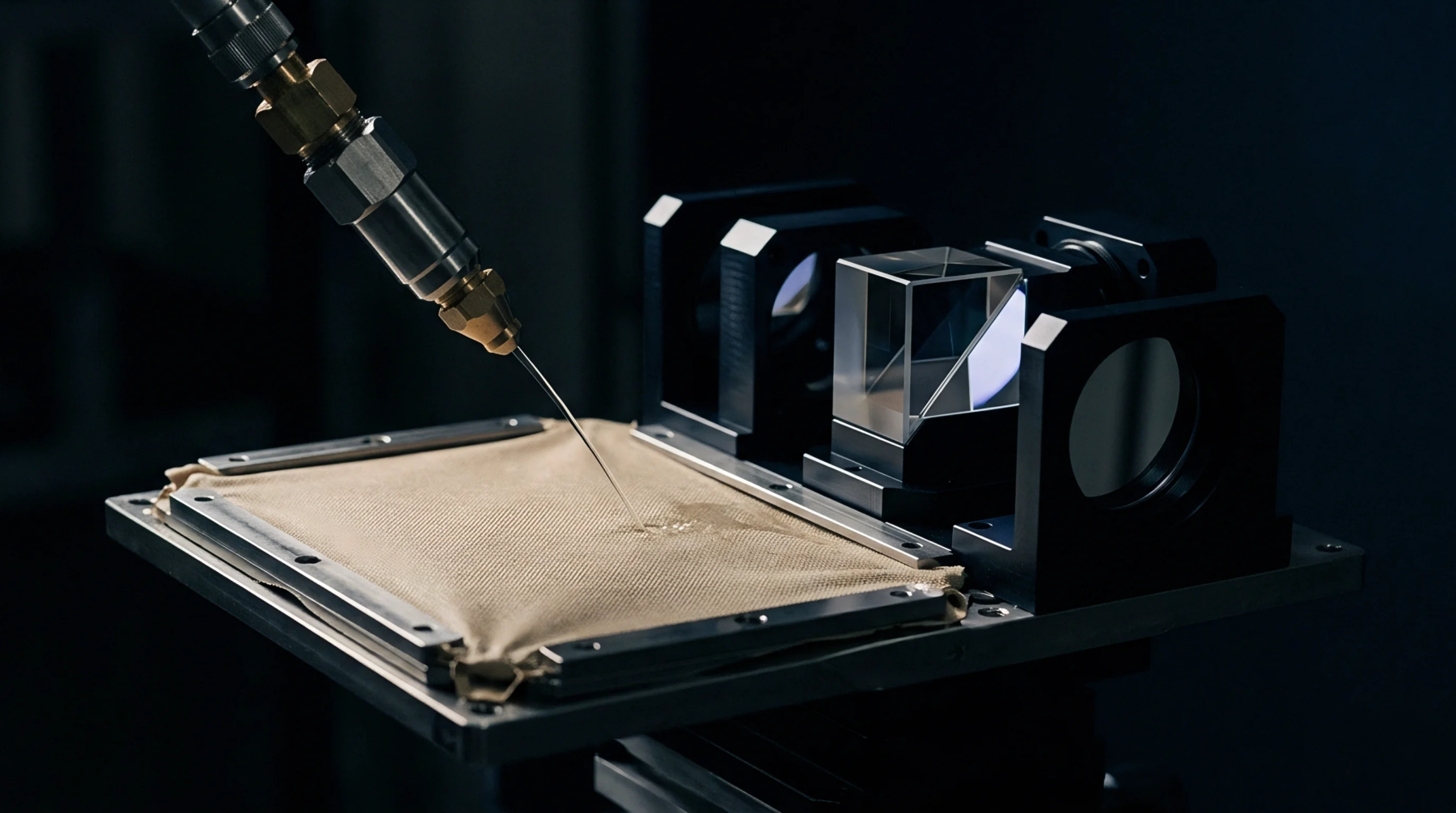
Thermally cycled micro transducers exhibit non-linear zero-point drift driven by structural polymer volume decay, requiring fictive temperature modeling.

Packaging stress relaxation drives post-thermal drift, requiring pre-conditioning bakes and verified isothermal recovery windows to ensure long-term calibration stability.

Polymer moisture swelling and viscoelastic stress relaxation drive micro-g accelerometer bias drift by distorting silicon flexure anchor points over time.

Temperature cross-sensitivity in pressure sensors stems from physical die stress and semiconductor carrier shift, requiring digital ASIC polynomial compensation to control thermal error bands.
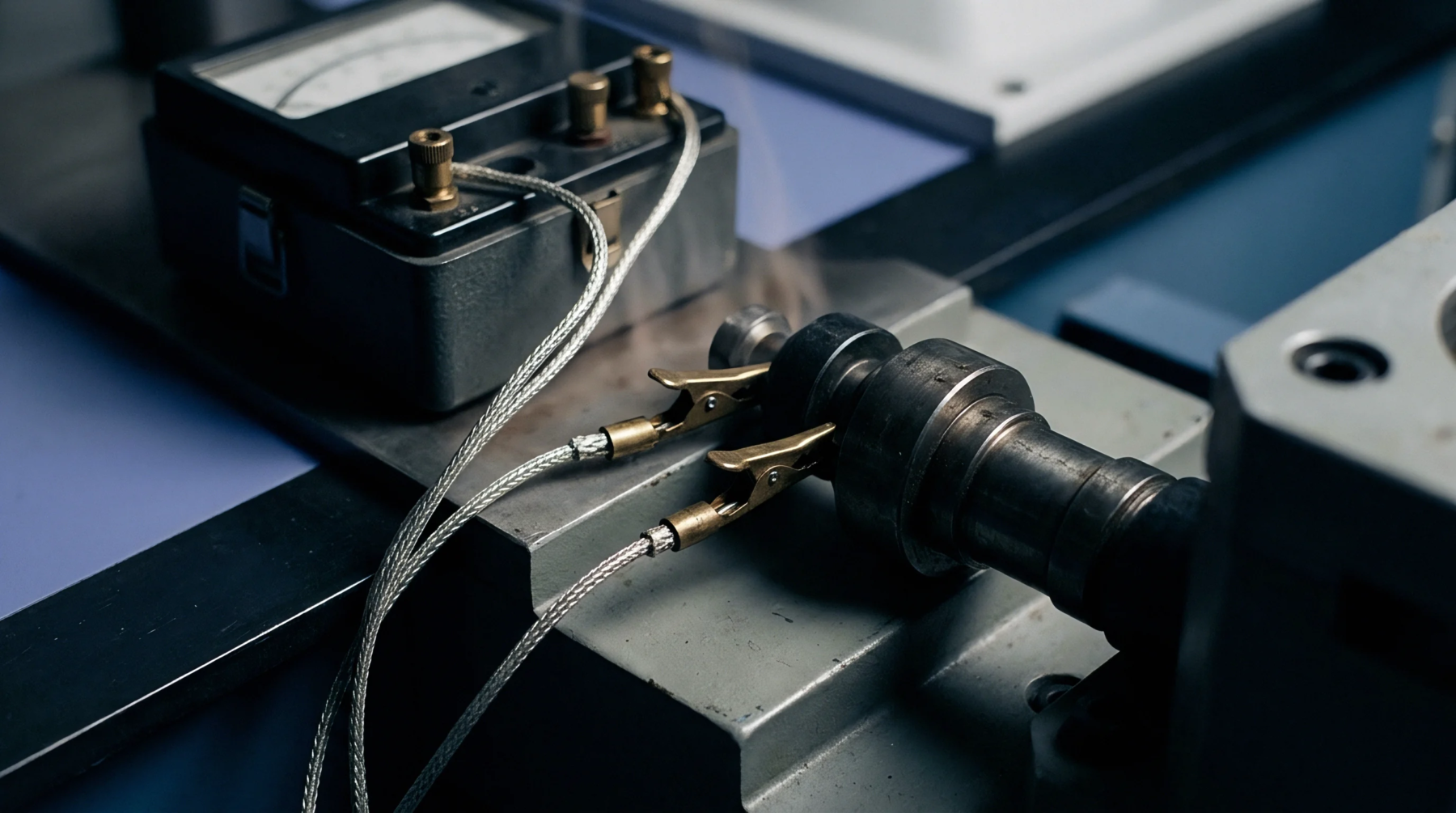
Unbudgeted sensor thermal settling times and hysteresis generate severe measurement errors, demanding mandatory package-level soak protocols to preserve field accuracy.
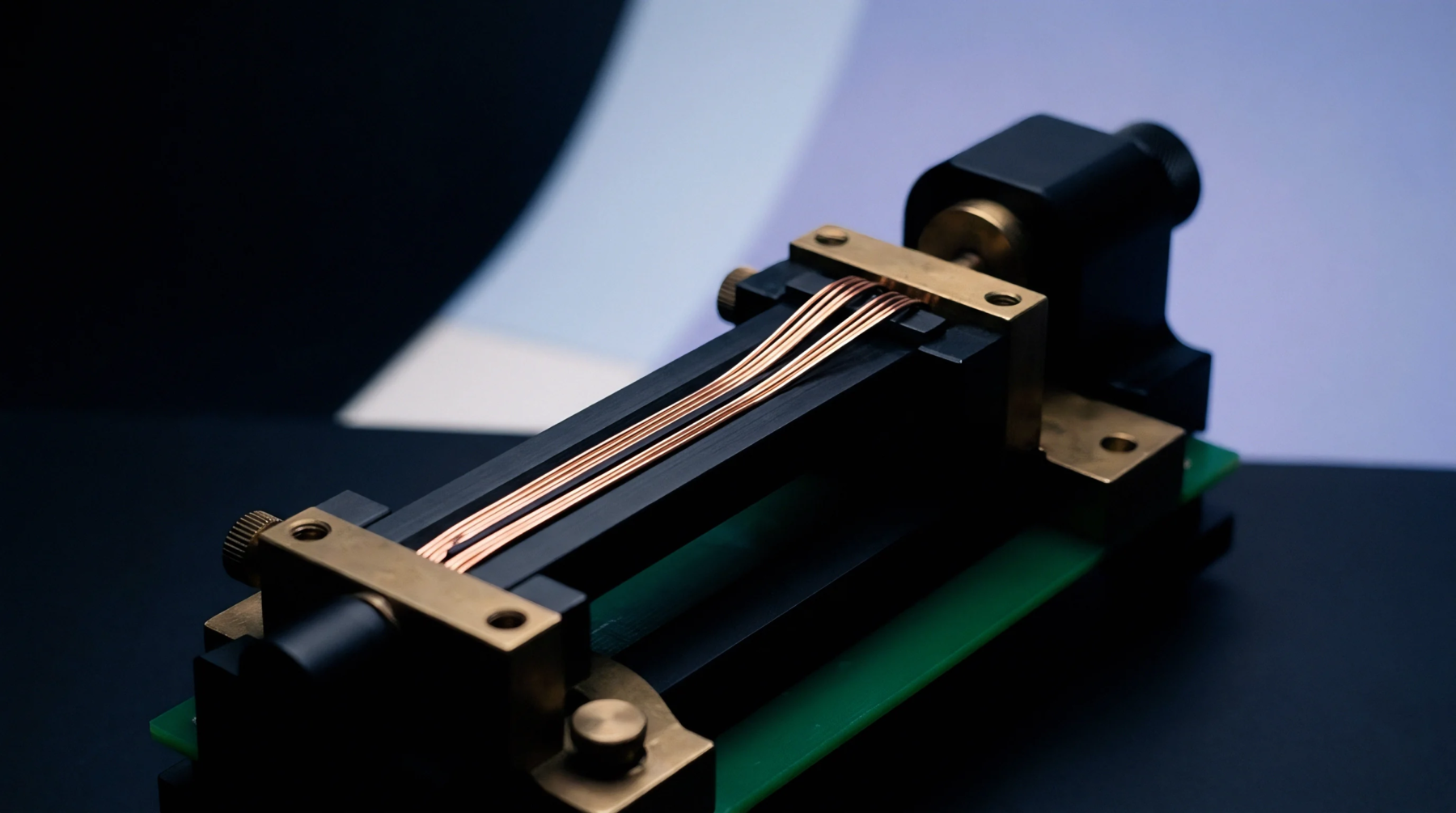
Silicon piezoresistive strain sensitivity depends on boron doping density, requiring constant current excitation or bivariate digital polynomials to suppress thermal span drop.
Expertise is a utility, not a secret. sentiention™ publishes its working knowledge as open reference: intelligence layer covering the materials it sources, the markets it enters, and the reference that serves both.