Numerical Modelling
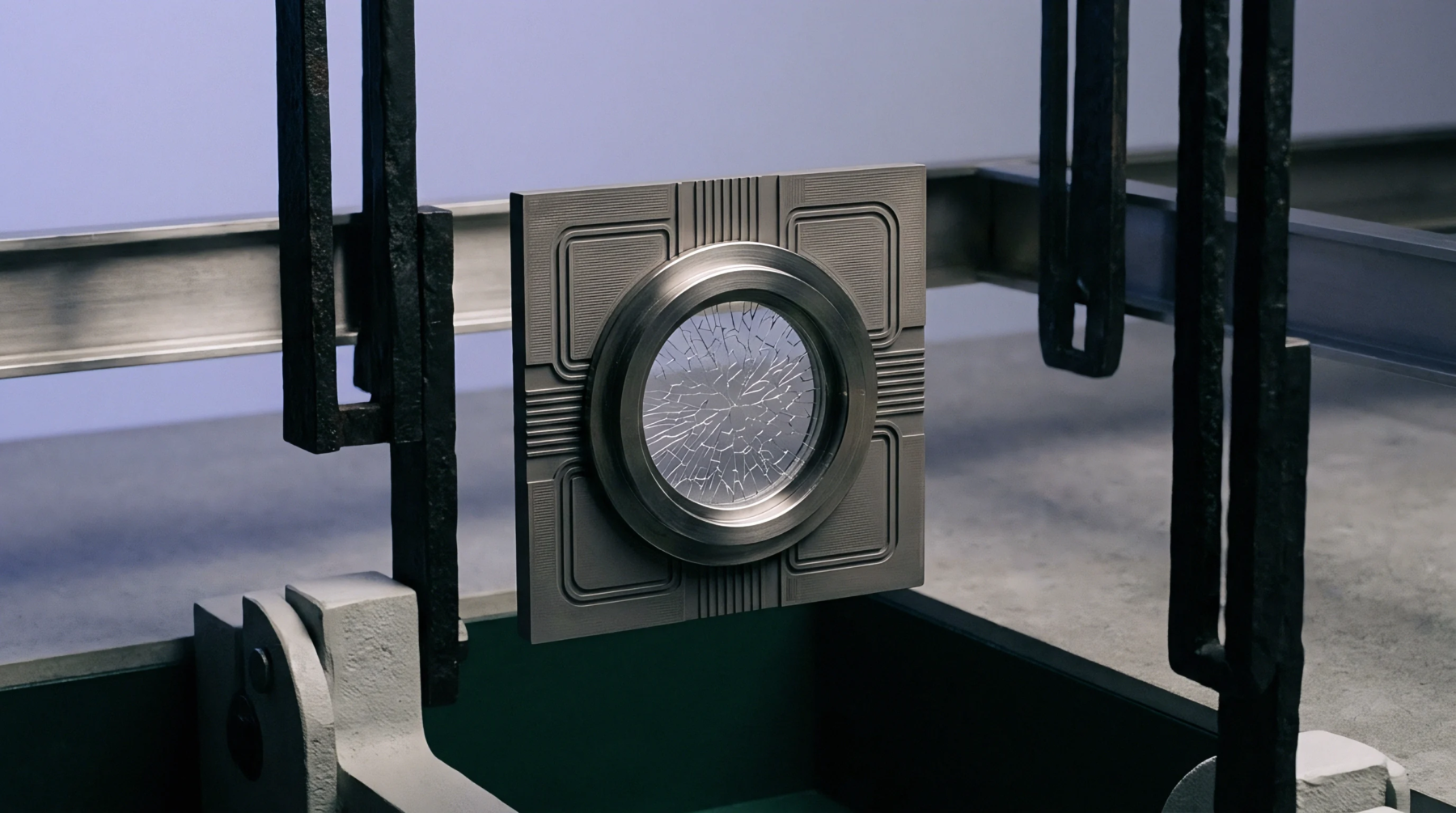
Discretized mathematical simulation of continuous physical domains predicts stress distribution, thermal gradients, and electromagnetic fields in complex transducer structures. In sensor development, finite element analysis optimizes diaphragm geometries and isolates strain concentration zones before metal cutting begins. Boundary conditions define external mounting loads, fluid pressures, and thermal inputs applied to the mesh nodes.
Element formulation selection governs calculation accuracy in thin bending regions versus bulk solid structures. Linear elastic assumptions hold only below material yield points.
Transducer Optimisation
Stress localization models determine optimal piezoresistor placement on micromachined silicon pressure diaphragms. Deflection curves show non linear geometric stiffening when diaphragm displacement exceeds thirty percent of membrane thickness. Thermal analysis highlights heat transfer paths that generate localized temperature differentials across balanced bridge circuits.
Modal analysis calculates natural frequencies to ensure mechanical resonance avoids expected operating vibration bands. Accurate meshing around filleted corners prevents artificial mathematical singularities in stress calculations.
Boundary Correlation
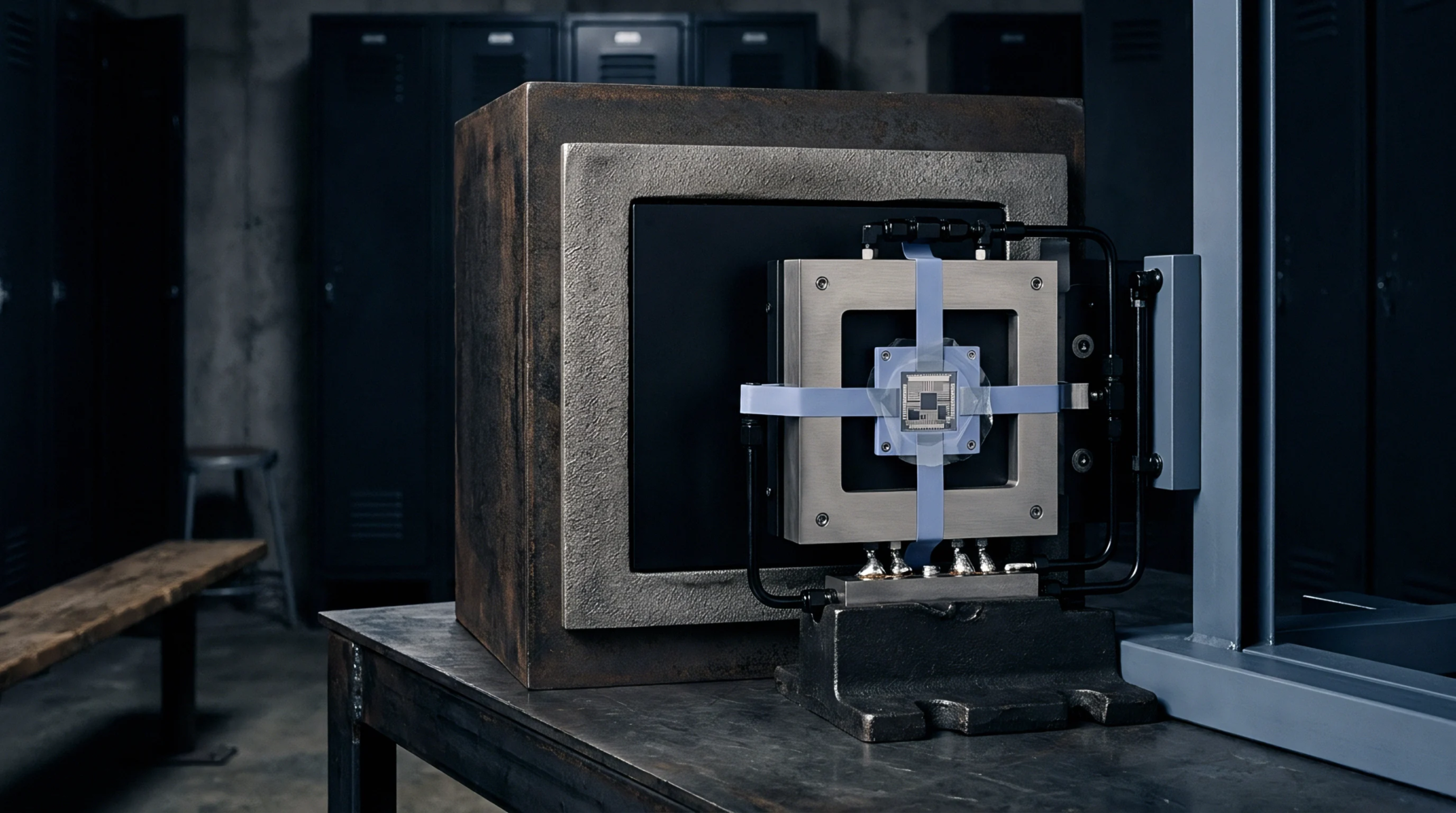
Empirical strain gauge measurements on physical prototypes validate simulation boundary condition assumptions. Contact non linearities between O-rings and sensor housings demand iterative non linear solver routines to prevent convergence failure. Material properties entered into solver decks must reflect actual raw stock grain orientations and post machining heat treat states.
Sourcing engineers review solver verification logs to confirm convergence criteria and mesh density independence studies. Discrepancies between physical test data and simulation outputs point toward unmodeled fixture compliance.
Qualification Role
Verification protocols require numerical stress reports to establish structural safety factors under proof and burst pressure conditions. Regulatory bodies accept validated finite element calculations as supporting evidence for pressure vessel compliance certifications. Acceptance thresholds demand safety factors of four to one over maximum working pressure ratings.
Incomplete mesh convergence studies invalidate mechanical integrity submissions during safety audits. Structural validation packages must include element quality metrics and material constitutive model references.