
Modelling Interfacial Package Creep in High Temperature Electronics
Interfacial package creep modeling requires viscoplastic constitutive equations and temperature-dependent stress mapping to prevent long-term field drift.
Interfacial package creep modeling requires viscoplastic constitutive equations and temperature-dependent stress mapping to prevent long-term field drift.
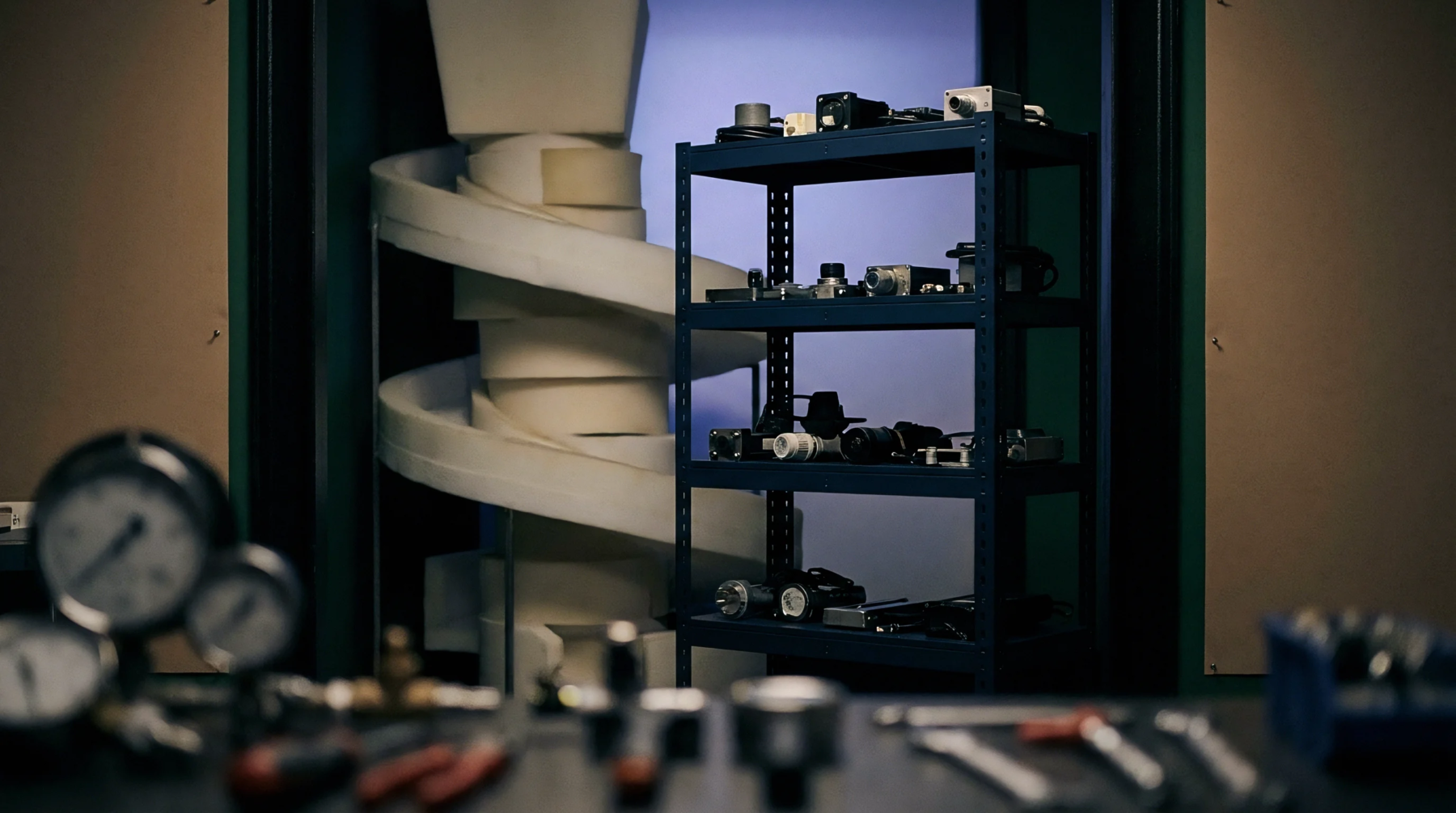
Real-time matrix correction using on-die piezoresistive strain arrays reduces board flexure induced zero-rate drift in automotive MEMS gyroscopes below 0.02 deg/s.

Anand viscoplastic strain modeling requires accredited nine-parameter empirical calibration to accurately calculate fatigue life in metallic die attach layers.
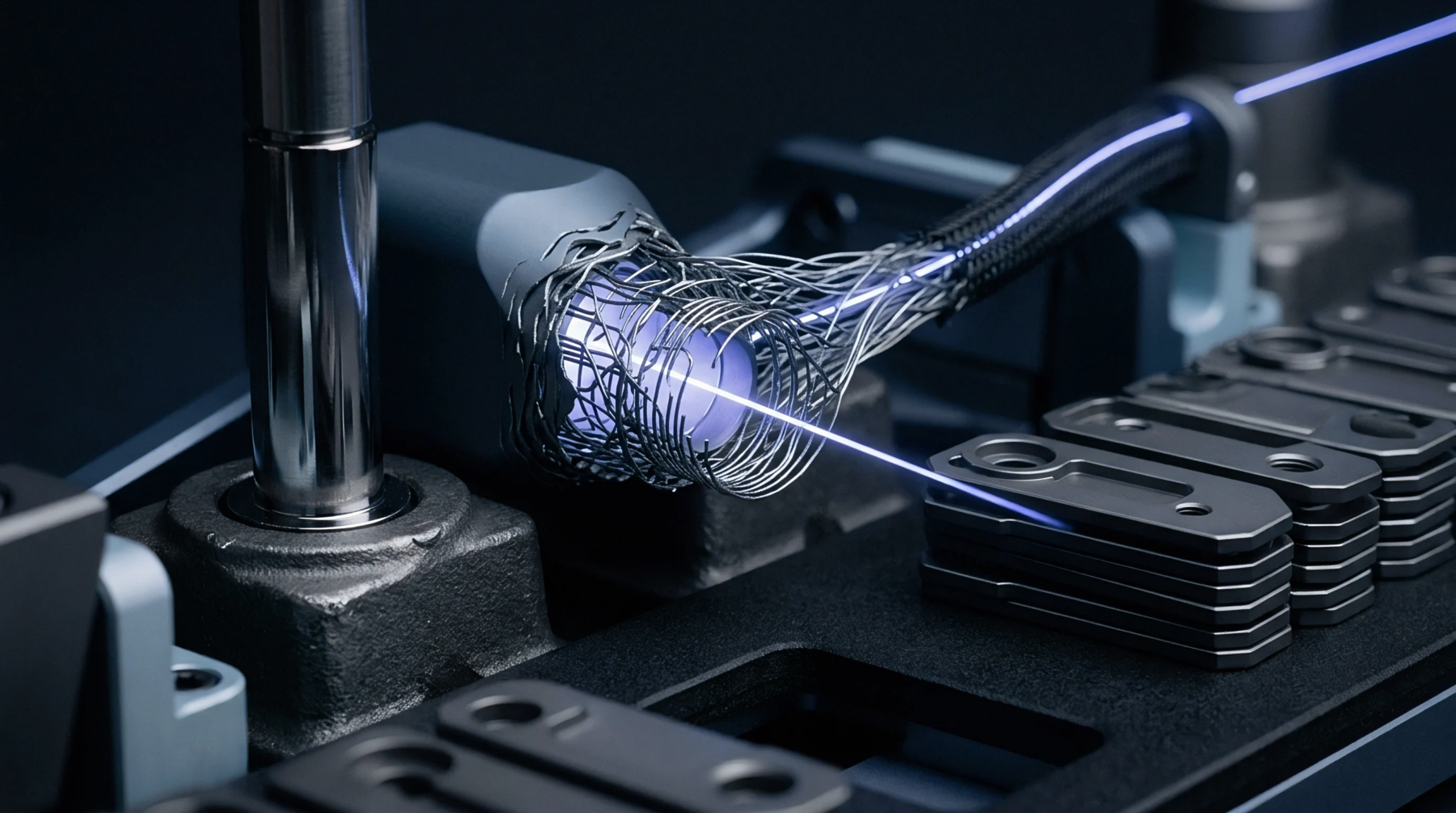
Thermal soak accelerates die attach viscoelastic micro-strain relaxation, reducing shear stress while driving physical aging, interface delamination, and Rth growth.

High-temperature package creep redistributes interfacial strain to drive long-term sensor drift, requiring viscoplastic modeling and burn-in stabilization.

Generalized Maxwell models under cryogenic thermal ramps require Arrhenius shift functions and thermal lag compensation to accurately predict stress relaxation bounds.
Expertise is a utility, not a secret. sentiention™ publishes its working knowledge as open reference: intelligence layer covering the materials it sources, the markets it enters, and the reference that serves both.