
Die Attach Adhesive Coefficient Mismatch Mitigation in MEMS Accelerometers
Selecting low-modulus die attach adhesives with glass transition temperatures outside operating limits eliminates non-linear MEMS zero-g offset drift.
Selecting low-modulus die attach adhesives with glass transition temperatures outside operating limits eliminates non-linear MEMS zero-g offset drift.

MEMS silicon pressure sensor zero offset shift originates from package thermomechanical stress, dielectric charge trapping, and gel swelling, requiring thermal burn-in and polynomial ASIC compensation.

Thermal hysteresis and package strain corrupt accelerometer zero offset; accurate baseline determinations require thermal soak isolation and vibration rejection.

Separating package stress from silicon creep during calibration relies on modeling the exponential viscoelastic time constants of polymers against intrinsic lattice stability.

Thermal expansion mismatch between silicon dies and packaging substrates generates parasitic mechanical stress, causing piezoresistive zero-point drift.
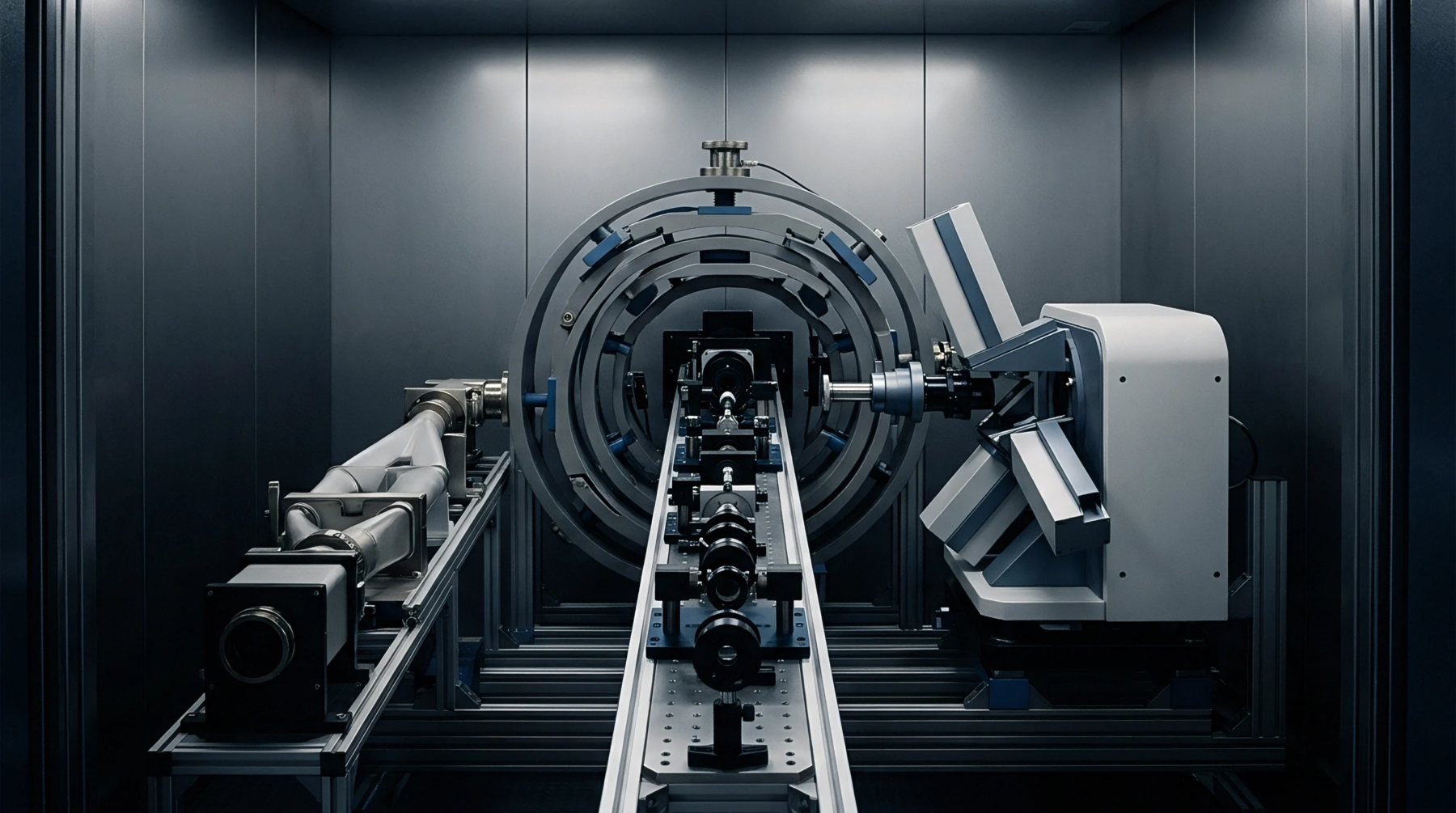
Calibration maps sensor error against traceable standards, while drift stems from physical aging, mechanical strain, and environmental stress over time.

Polymer moisture swelling and viscoelastic stress relaxation drive micro-g accelerometer bias drift by distorting silicon flexure anchor points over time.
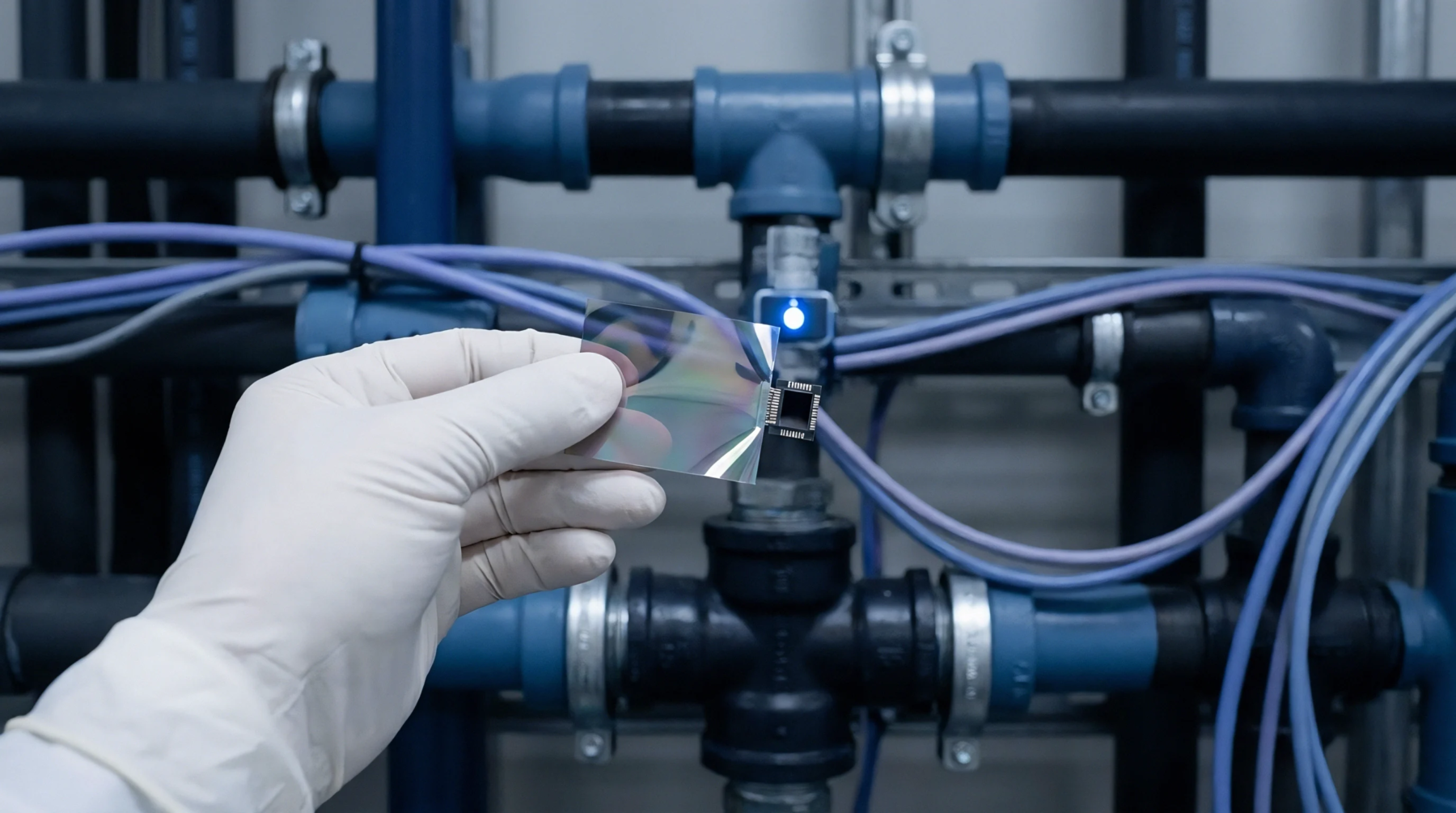
Packaging stress decay in silicon sensor dies causes continuous zero-point drift that requires thermal preconditioning bakes to stabilize long-term offset accuracy.

Board flexure transfers surface strain into sensor packages via shear lag mechanics, where higher standoff height and low-modulus interconnects attenuate die stress and offset drift.

Packaging stress relaxation drives post-thermal drift, requiring pre-conditioning bakes and verified isothermal recovery windows to ensure long-term calibration stability.

Arrhenius acceleration models for sensor encapsulation polymers require activation energy mapping across glass transition bounds to prevent unearned drift extrapolation.

Thermal expansion mismatch generates interfacial shear tractions that distort piezoresistive bridge symmetry, producing unrecoverable zero-point drift.
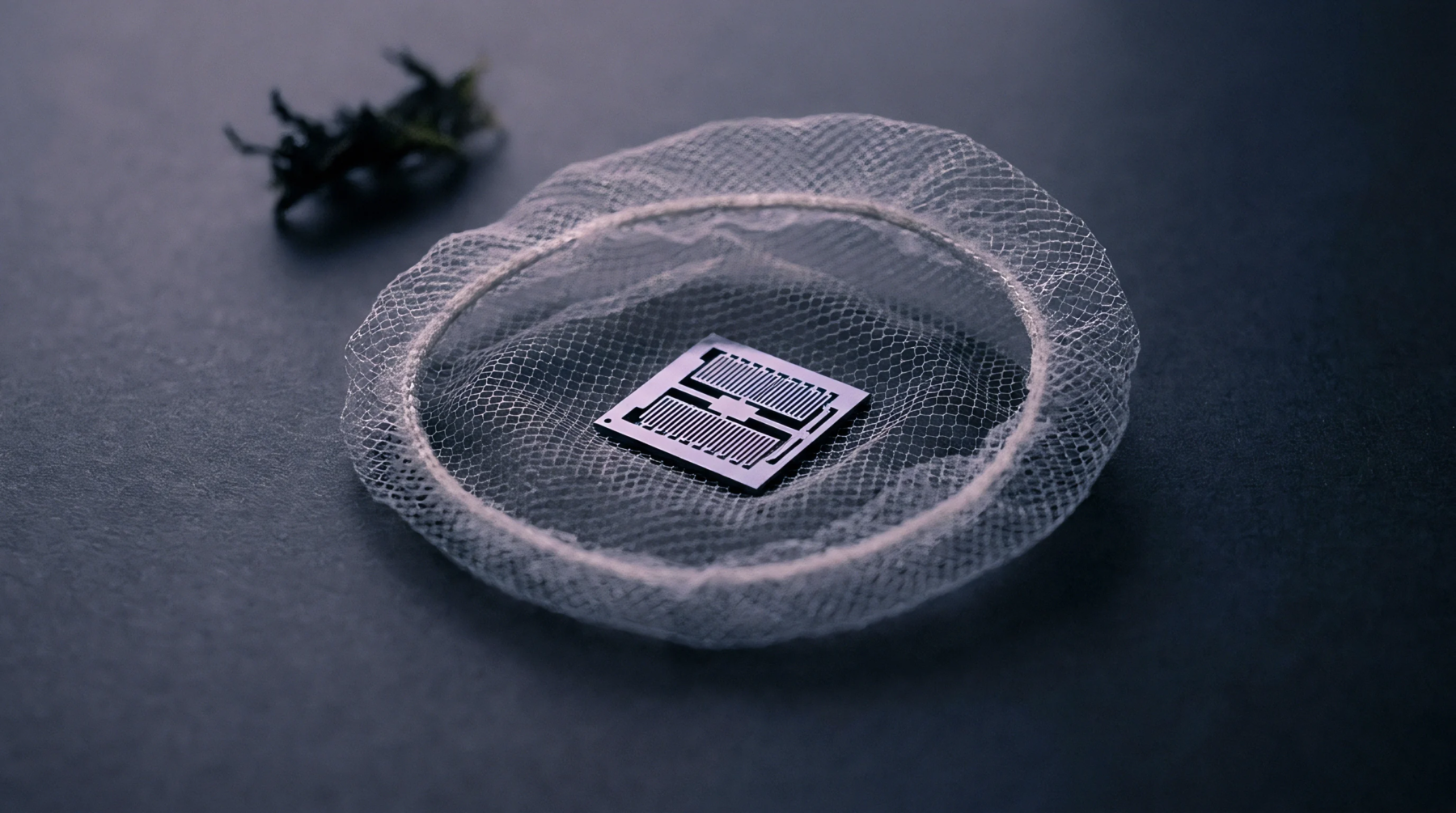
Viscoelastic relaxation in polymer die attach causes time-dependent strain transfer to MEMS proof masses, driving long-term zero-g offset drift.
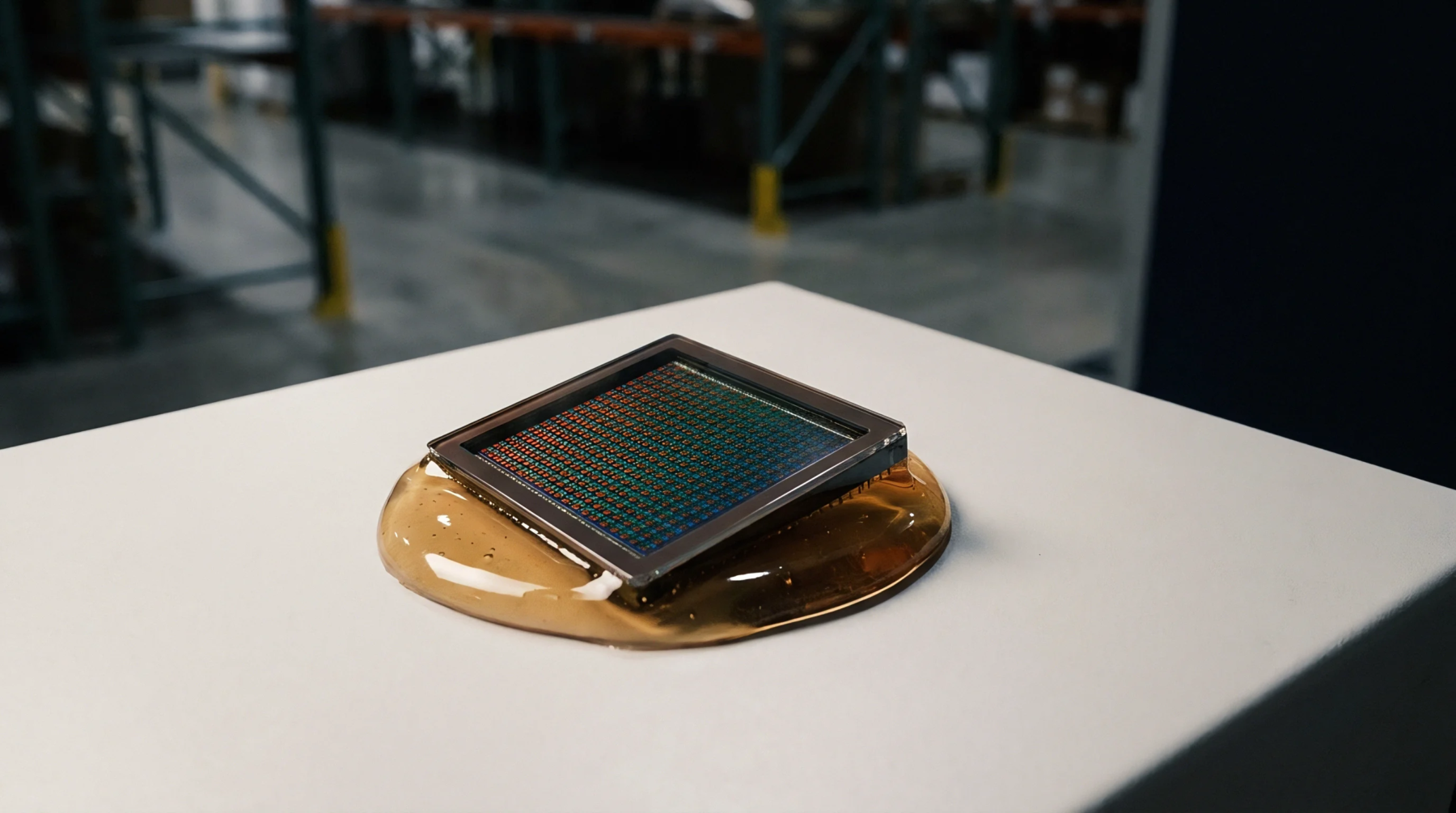
Thermal stress evaluation isolates CTE mismatch across silicon and packaging materials to prevent accelerometer zero-g offset drift and sensitivity shifts.

Polymer encapsulants transfer shrinkage and expansion stress directly to sensing dies, driving long-term zero offset drift that demands compliant decoupling.

Higher crosslink density suppresses polymer die attach creep rates by restricting free volume and extending rubbery plateau modulus under continuous thermal load.

Non-Fickian water kinetics in encapsulants create transient swelling stress fronts, driving unmodeled zero-drift in MEMS pressure diaphragms under damp heat.

High modulus mold compounds induce dynamic calibration shifts in sensors; sourcing specs must cap flexural modulus below 18 GPa to protect signal accuracy.
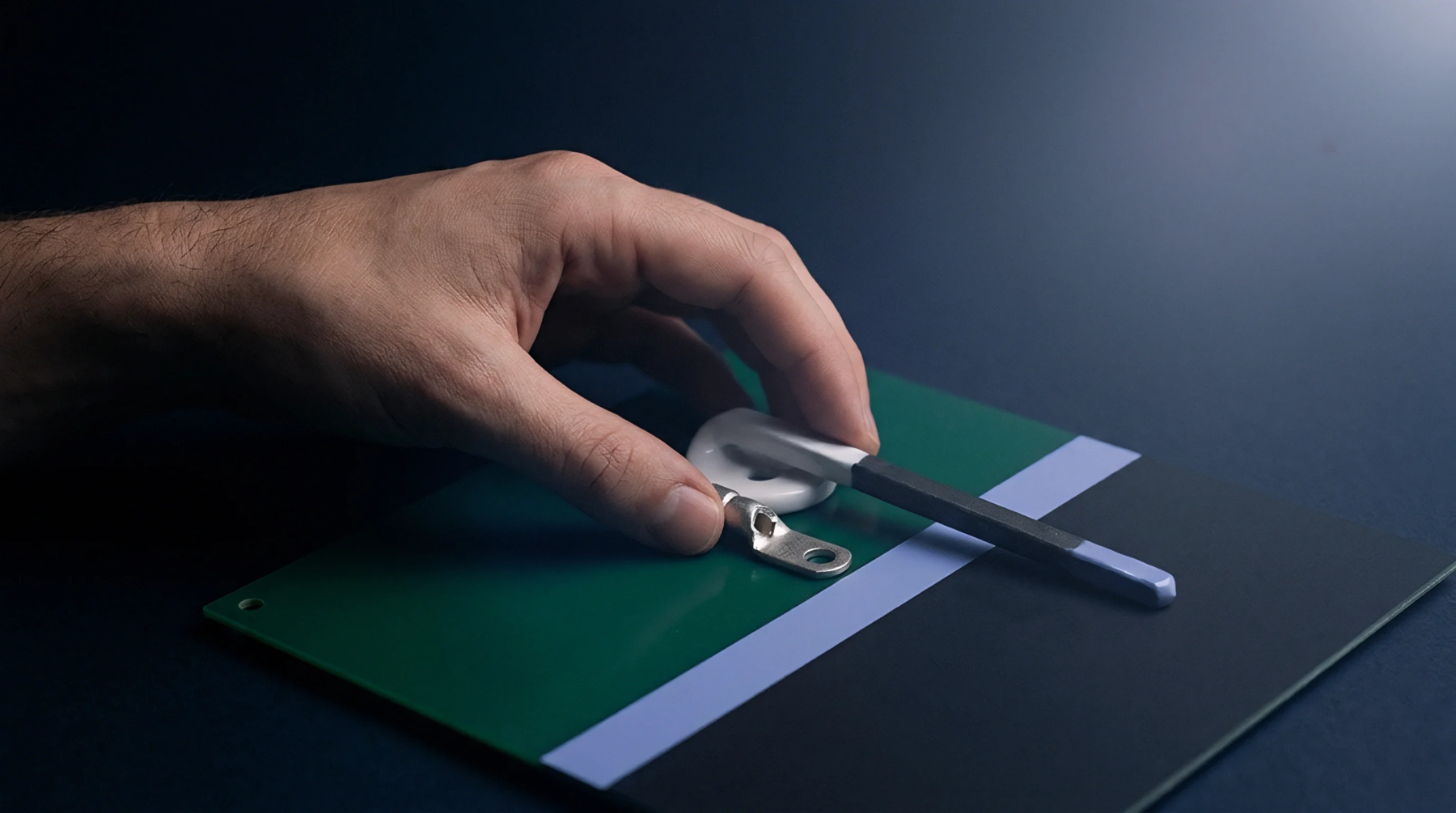
Micro-anchor thermal expansion differential sensitivity measures resonant frequency shifts caused by package-induced mechanical strain across temperature gradients.

Anodically bonded Borofloat glass pedestals isolate silicon piezoresistive diaphragms from packaging strain, reducing zero thermal shift below 0.02 percent span.

MEMS thermal hysteresis creates non-repeatable zero-g offset shifts up to 3 mg, driving uncompensable arcsecond tilt errors in static leveling systems.

Static thermal zero-g bias shifts in MEMS accelerometers are isolated by enforcing prolonged thermal dwell periods to decouple stress creep from thermal gradients.
Real-time matrix correction using on-die piezoresistive strain arrays reduces board flexure induced zero-rate drift in automotive MEMS gyroscopes below 0.02 deg/s.

Precise Wheatstone bridge zero-point stability requires matching piezoresistive crystal orientation with thermo-mechanical strain isolation in the packaging stack.
Precision capacitive MEMS accelerometer thermo-mechanical bias stability requires stress-isolated ceramic packaging and gradient-aware temperature calibration.

Early sensor drift in precision strain gauges stems from adhesive glueline viscoelastic relaxation, foil alloy recovery, and moisture ingress within 72 hours.

Substrate stress relaxation drives long-term zero drift in encapsulated MEMS pressure sensors through viscoelastic shear in packaging adhesives over time.

Polymer interface degradation stems from moisture hydrolysis and thermomechanical stress, requiring targeted acoustic screening and activation energy mapping.

Polymer die attach relaxation changes micro-resonator anchor stress over time, driving bias drift that requires hard eutectic solders or burn-in aging.
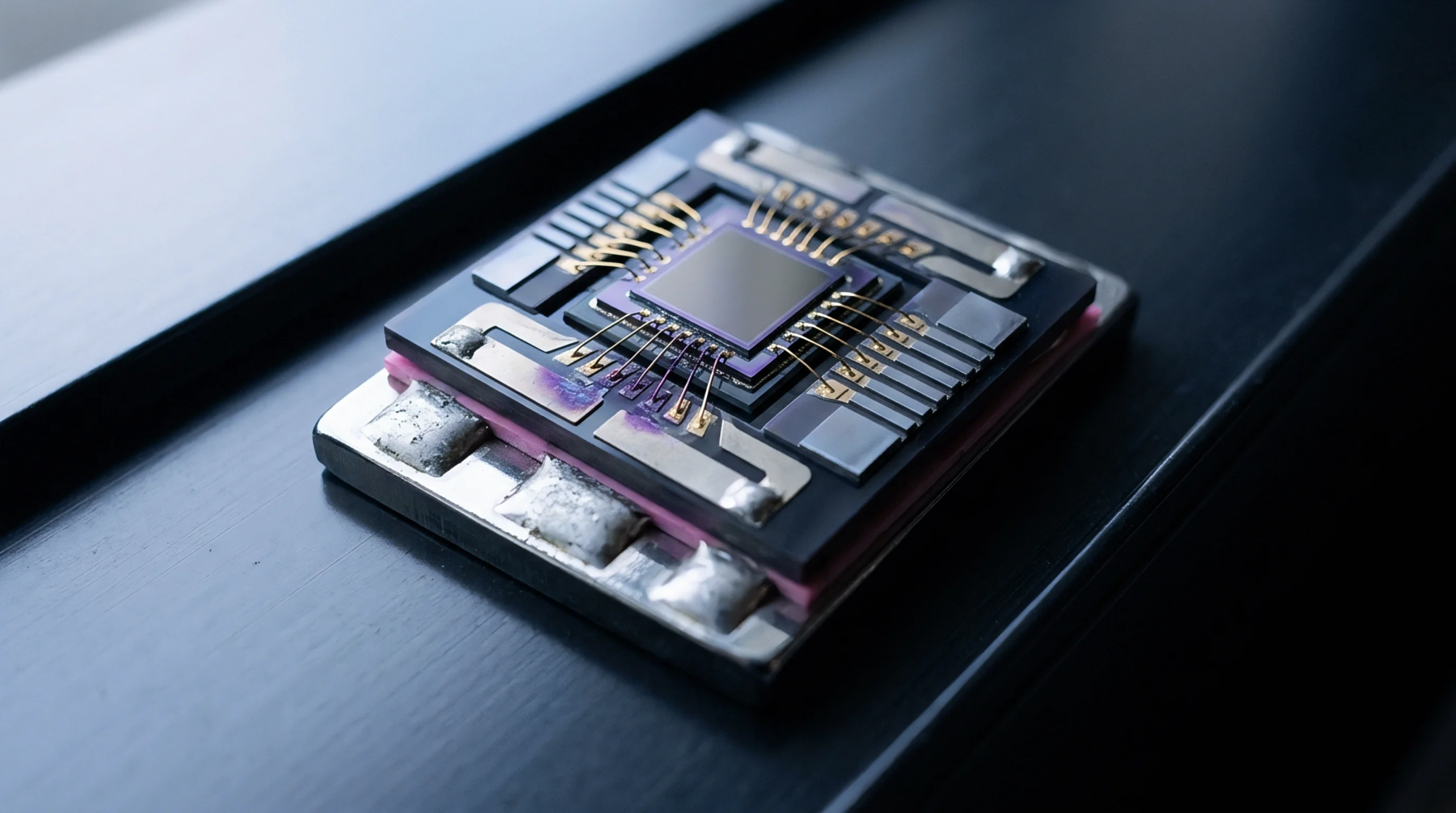
Zero offset drift in potted piezoresistive sensors requires decoupling die stress via soft silicone gels before applying ASIC polynomial thermal compensation.
Expertise is a utility, not a secret. sentiention™ publishes its working knowledge as open reference: intelligence layer covering the materials it sources, the markets it enters, and the reference that serves both.