Internal Moisture
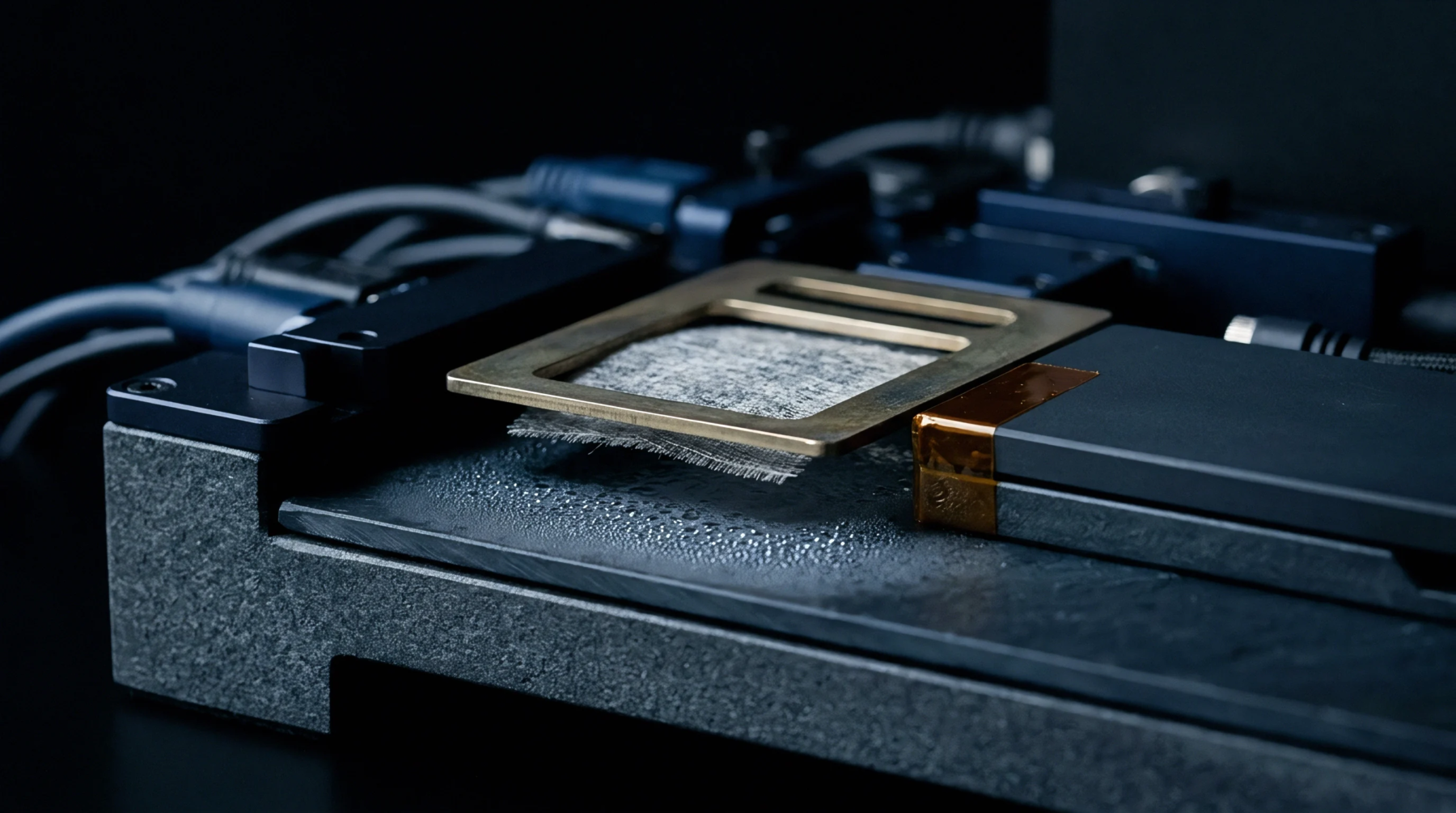
Gas mass spectrometry identifies the concentration of water vapour trapped inside a hermetically sealed microelectronic package. Mil-std-883 method 1018 establishes the procedures to measure this gaseous content to ensure the reliability of semiconductor devices against corrosion or electrical leakage. Testing occurs by puncturing the package lid in a vacuum chamber, which allows the released gases to flow into a mass spectrometer for quantitative analysis of the partial pressure of water.
Ambient Interference
Precise extraction requires the prevention of atmospheric contamination during the sampling phase. External humidity levels infiltrate a breached enclosure if the transfer process lacks vacuum isolation, which produces erroneous data indicating high moisture content. Technicians maintain strict control over the calibration of the spectrometer using known reference gas mixtures to account for drift in the sensor signal.
Successful identification of internal water vapour concentration depends on the linearity of the mass spectrometer response across the range specified for the device volume.
Leakage Correlation
Hermetic seals provide the primary barrier against the ingress of ambient water molecules over the operational lifespan of the microcircuit. Method 1018 links the moisture vapour content directly to the integrity of the package, where failure to meet the specified parts per million limit signals a compromise in the seal or a contamination issue during the fabrication cycle. Excessive water causes the formation of conductive paths or electrolyte buildup on the die surface that degrades performance over time.
Pressure Verification
Limits for water vapour concentration reside within the individual device specifications and the governing quality documents for the application. Industry standards define the maximum allowed partial pressure of water for various package volumes to guarantee stability under accelerated aging or thermal cycling. Verification of these moisture limits confirms that the manufacturing process maintains a dry environment for sensitive electronics throughout assembly and sealing.
Proper application of this test yields a quantitative assessment of the long term chemical stability of the internal cavity environment.