
Automated Inspection Protocols for Detecting Silent Silicon Stepping Changes in SMT Packages
Automated boundary scan extraction combined with transmissive X-ray die metrology catches silent silicon stepping changes before SMT placement lines fault.
Automated boundary scan extraction combined with transmissive X-ray die metrology catches silent silicon stepping changes before SMT placement lines fault.

Polymeric underfill modulus collapse near glass transition increases board strain attenuation while driving out-of-plane bump fatigue and sensor drift.

Mitigate bandgap thermal stress errors using compliant leaded packages, PCB isolation slots, polyimide die buffers, and stabilized factory calibration.

Cross-quad common-centroid bandgap layouts cancel linear thermal gradients, while PCB isolation slots prevent package piezoresistive strain from shifting Vbe drift.

Asymmetric thermal gradients across precision references induce microvolt offsets through Seebeck potentials and piezo-resistive stress imbalance.

Dual stage Langmuir kinetics dictate that bound moisture desorbs into steam during reflow, driving delamination and sensor offset drift unless bake profiles clear bound water.

Interfacial hygroscopic swelling stress arises from differential moisture expansion, compounding thermal mismatch and driving package delamination during reflow.

Moisture kinetics in epoxy molding compounds dictate reflow vapor pressure, package strain, and MSL floor life across surface mount assembly lines.
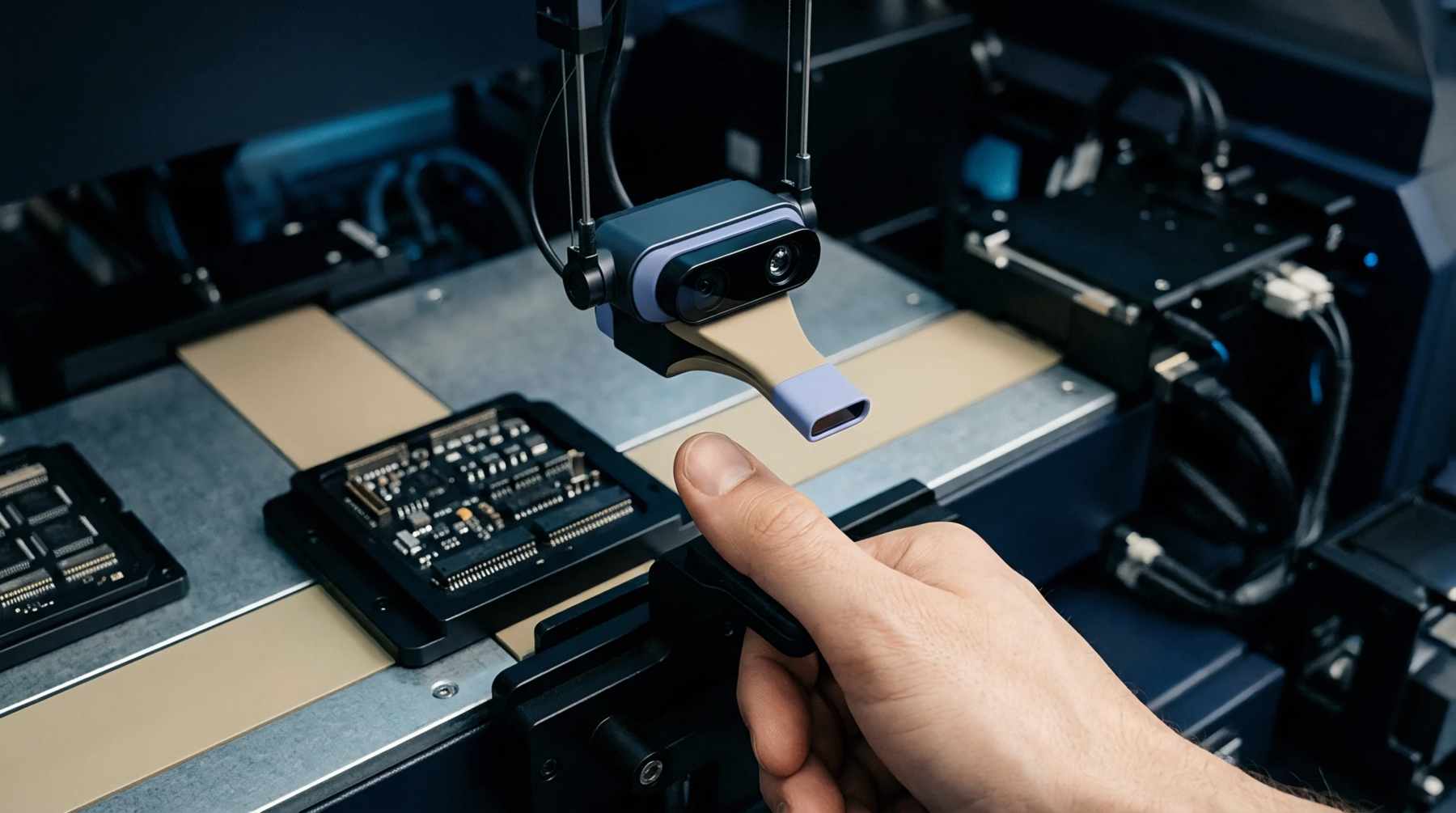
Component obsolescence decisions require balancing upfront board redesign NRE against multi-year nitrogen storage capital tie-up and solderability decay risks.

Structure IC orders using exact full-reel increments matching historical baseline entitlements to bypass automated shortage allocation cuts.

Automated wafer level probe fuse verification guarantees individual chiplet traceability across high density packaging reflow cycles before costly module assembly

Fine-pitch iso-die variants exhibit divergent zero-point offset drift governed by package compliance, substrate CTE mismatch, and mechanical piezoresistive stress transfer.

Modelling hygrothermal stress requires superposing thermal strain, moisture swelling, and superheated steam pressure at leadframe interfaces during 260°C reflow.

Baking moisture sensitive ICs requires matching package thickness and carrier heat ratings to balance desorption speed against intermetallic lead oxidation risks.
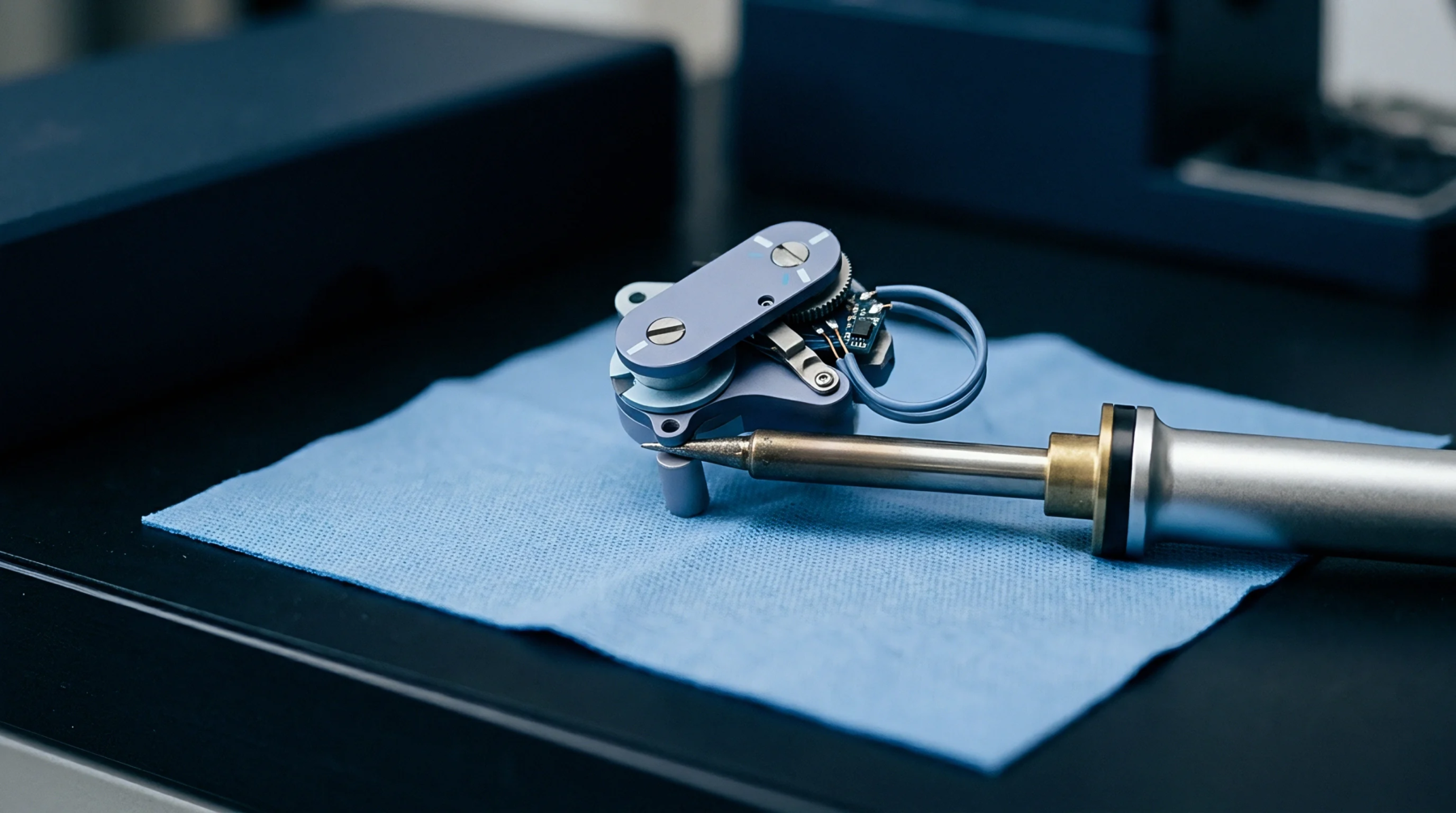
Transitioning to leadless packages reduces lead inductance by 80 percent, accelerating edge rates and requiring layout tuning to control ringing and drift.

Isothermal precision reference layouts eliminate microvolt thermal EMFs and mechanical strain by balancing copper symmetry, milling strain-relief cuts, and decoupling heat flow.

Epoxy molding compounds absorb moisture according to temperature-dependent diffusion rules, requiring strict MSL floor life management to avoid popcorning during reflow.

Enforce 18-month EOL notice timelines and silicon-level allocation guarantees to protect sensor supply chains from unannounced component discontinuances.

Elevated storage temperatures accelerate moisture diffusion into epoxy molding compounds, raising internal vapor pressure during reflow and driving package failure.

Component reflow popcorning occurs when trapped moisture vaporizes during soldering; acoustic microscopy detects internal delamination via signal phase inversion.
Receiving verification of moisture barrier packaging and strict floor life tracking prevent reflow delamination yield losses in surface mount assembly.
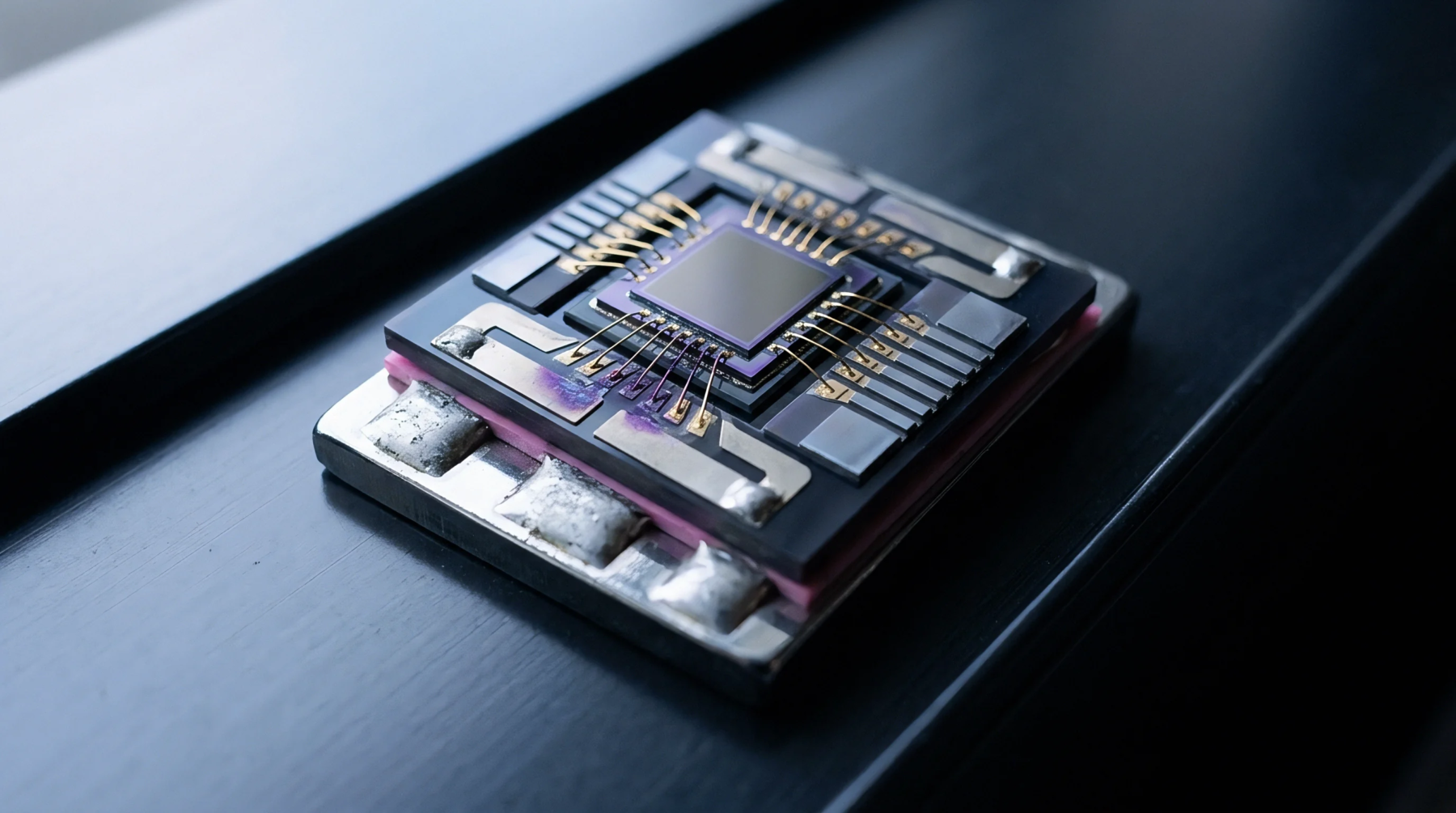
When component vendors end leaded packages, identical active silicon dies often survive in surface-mount forms that demand revised land patterns and thermal layouts.

Unannounced die shrinks alter internal register maps and bus timing; enforce strict automated register fingerprinting and binding PCN contract terms.

Compromised MSL 3 packaging instantly voids floor life: quarantine components, verify humidity cards, and require J-STD-033 dry baking before SMT reflow.
Expertise is a utility, not a secret. sentiention™ publishes its working knowledge as open reference: intelligence layer covering the materials it sources, the markets it enters, and the reference that serves both.