Refractive Control
Silica glass strands designed with an asymmetric internal geometry maintain the linear state of light as it propagates through the medium. Polarization-maintaining fiber operates by introducing high internal birefringence that prevents the coupling of power between orthogonal modes. This intentional structural imbalance ensures that light launched along a principal axis remains confined to that axis despite bends or thermal variations.
The system relies on the physical orientation of stress elements or elliptical cores within the cladding to define the fast and slow axes of propagation.
Birefringence Variance
Designers establish the performance of these cables by calculating the beat length which defines the distance light travels before the phase difference between the two axes reaches two pi. Manufacturers verify this metric by measuring the polarization extinction ratio at the termination of a calibrated sample length. A lower beat length indicates stronger guidance and superior resistance to external perturbations such as mechanical twisting or localized pressure.
Field deployments require exact alignment of the light source vector with the defined axes to prevent signal degradation at the coupling interface.
Signal Integrity
High output stability in fiber optic gyroscopes and coherent communication systems depends upon the consistent suppression of cross talk between the propagation channels. Light leakage into the unintended mode acts as a noise source that obscures accurate phase detection or timing in sensor applications. Precise thermal management mitigates drift because the refractive index differences remain sensitive to temperature gradients along the installation path.
System designers match the stress rod configuration to the specific laser wavelength to optimize the isolation of the optical power.
Operational Tolerance
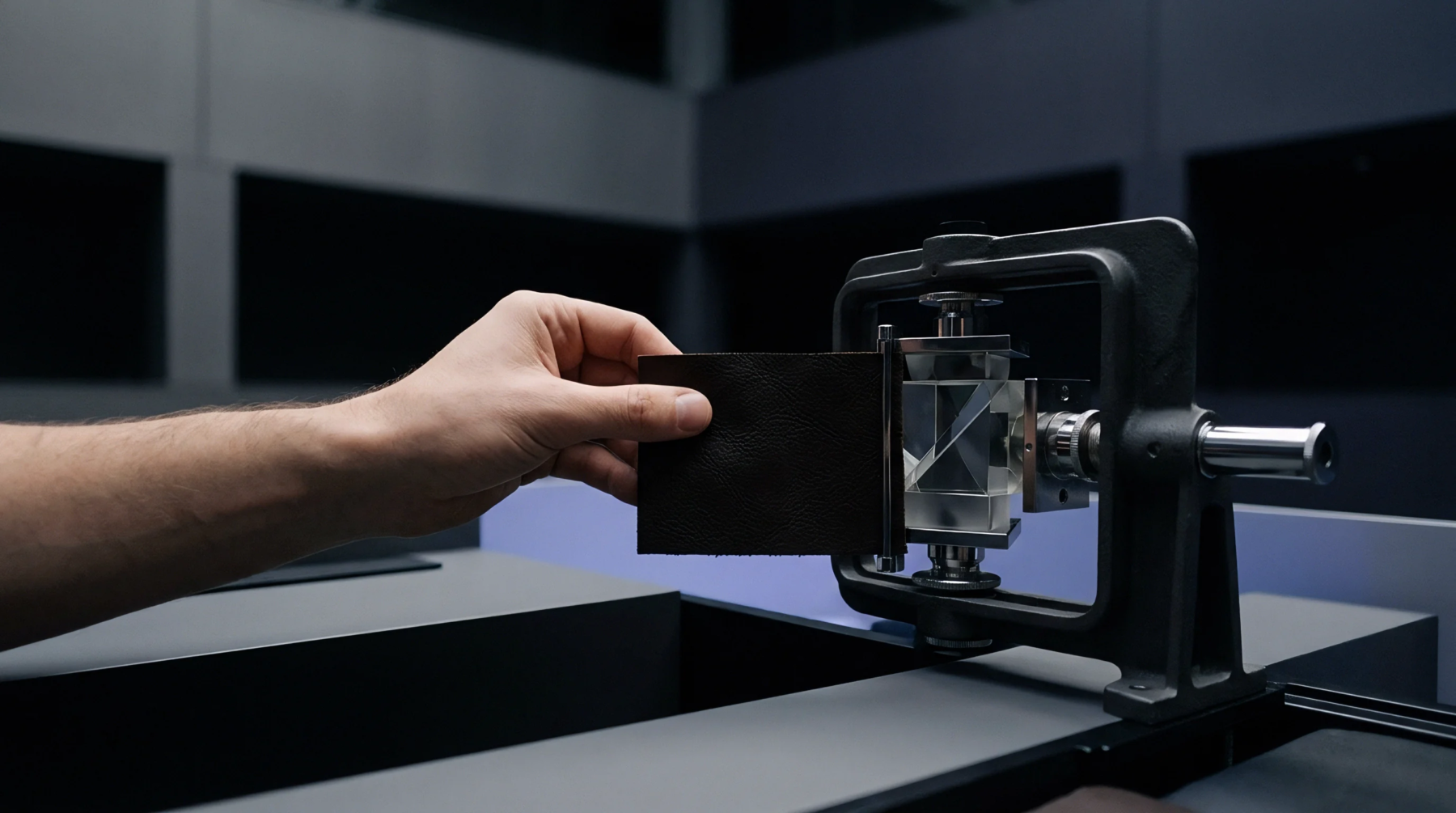
Connector assemblies for this hardware necessitate keyed ferrules to lock the orientation of the cable axes relative to the receiving component. Standard practices demand that the rotational alignment remains within one degree of the designated axis to satisfy system specifications for high speed data transmission. Installers perform these connections with automated alignment tools that detect the peak transmission intensity while rotating the fiber end face.
Physical continuity of the internal stress profile remains the primary requirement for sustained performance over the intended service life.