Mechanical Strain
Oscillatory forces applied to a physical structure during operational cycles determine the structural integrity and long-term reliability of electromechanical assemblies. System engineers study dynamic vibration to identify the resonant frequencies that could cause premature mechanical failure. This assessment establishes the boundary limits for safe operation under varying load conditions.
Frequency Response
Acceleration levels measured across a spectrum of frequencies reveal the natural harmonics of the device under test. When dynamic vibration aligns with these internal frequencies, the resulting amplification of movement can dislodge mounted components or crack solder joints.
Testing Protocol
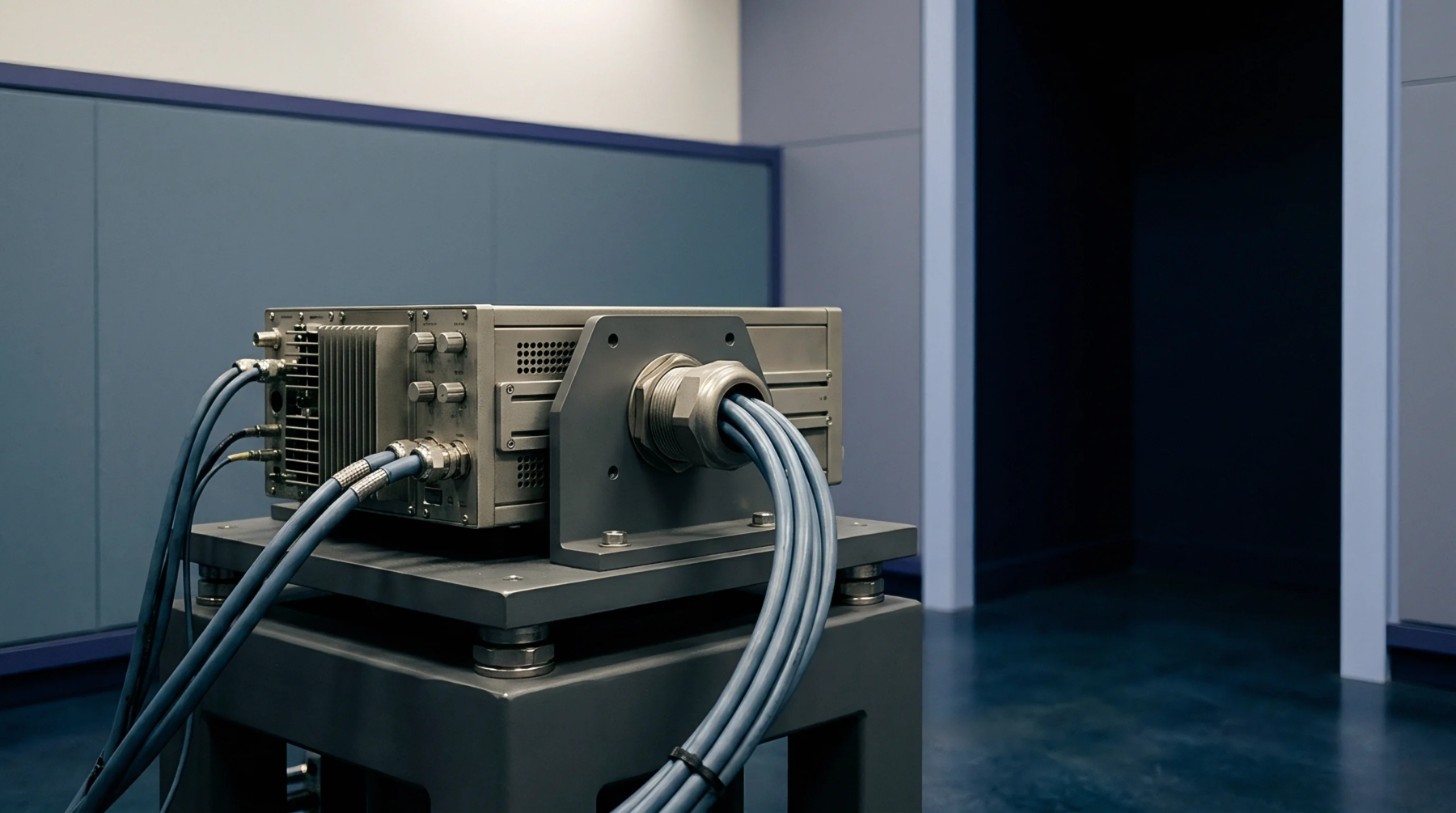
Laboratory simulation employs electrodynamic shakers to apply controlled swept-sine or random acceleration profiles to the test specimen. Laser vibrometers measure the actual displacement at multiple points on the circuit board to verify that the dynamic vibration remains within specified safety limits. These measurements guide the placement of dampening materials to isolate sensitive sub-assemblies.
Component Degradation
Repeated stress cycles from environmental motion gradually weaken material bonds and lead to fatigue cracks in electrical connections. Over extended periods, high-amplitude dynamic vibration causes loose connectors to lose electrical contact, which creates intermittent faults that are difficult to diagnose. Circuit board designers must therefore run simulated lifetime tests to ensure the hardware survives its intended service life in harsh operating environments.