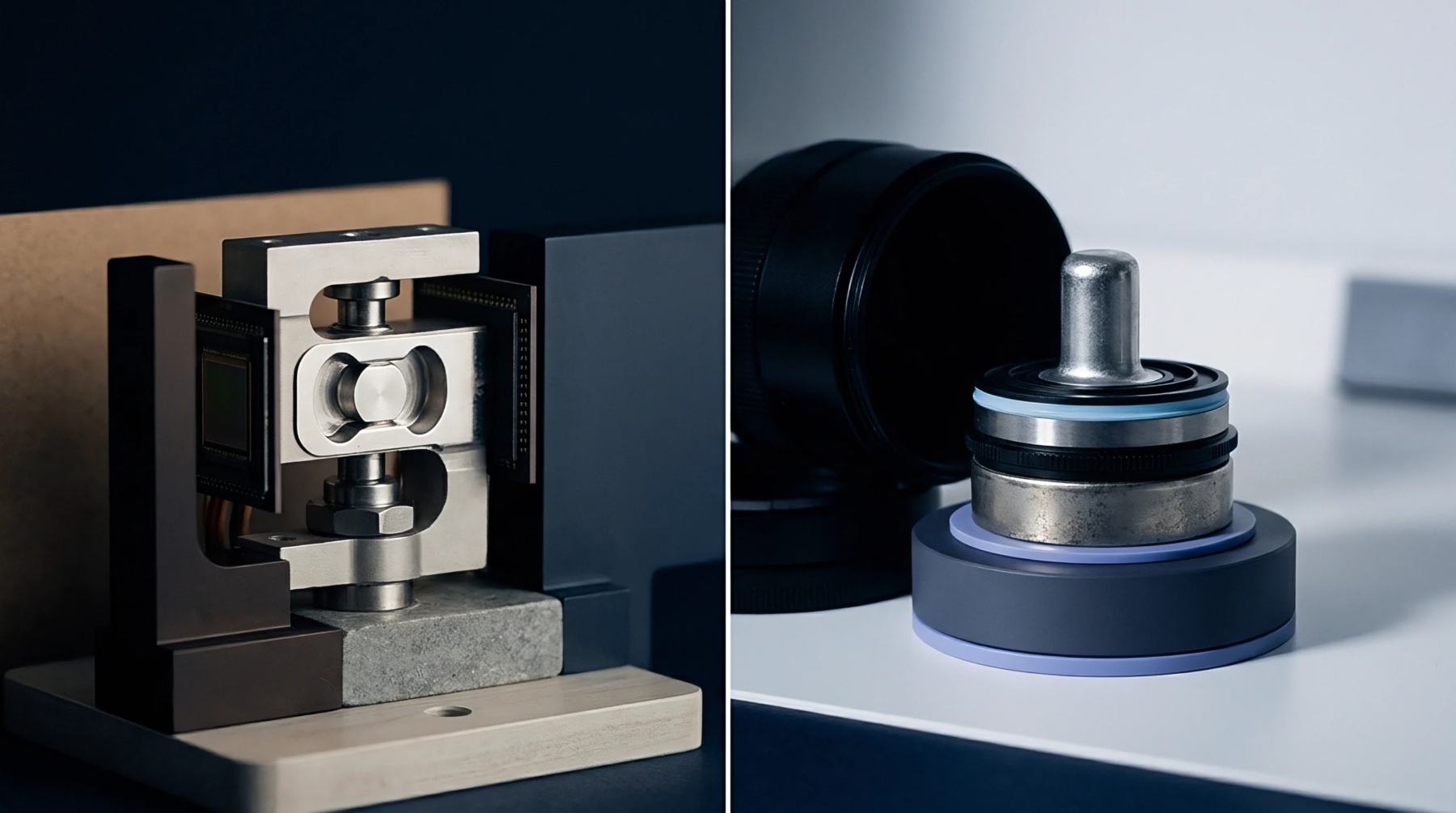
Incoming Transducer Inspection Basic Verification Workflow Setup
A structured transducer intake bench verifies zero balance, insulation resistance, and multi-point span accuracy against calibrated reference standards.
A structured transducer intake bench verifies zero balance, insulation resistance, and multi-point span accuracy against calibrated reference standards.

Matching moving average filter length to the decimation factor eliminates alias leakage by placing transfer function zeros directly on downsampling fold points.

High-latitude ground alignment error budgets require explicitly modeling second-order sculling and vibro-pendulous base motion rectifications to prevent false bias growth.

Root-mean-square noise equals spectral density multiplied by the square root of equivalent noise bandwidth, adjusted for flicker corner frequency integration.

Multi-frequency inductive sensing decouples surface lift-off from bulk alloy conductivity by evaluating phase shifts across differential skin depths in real time.
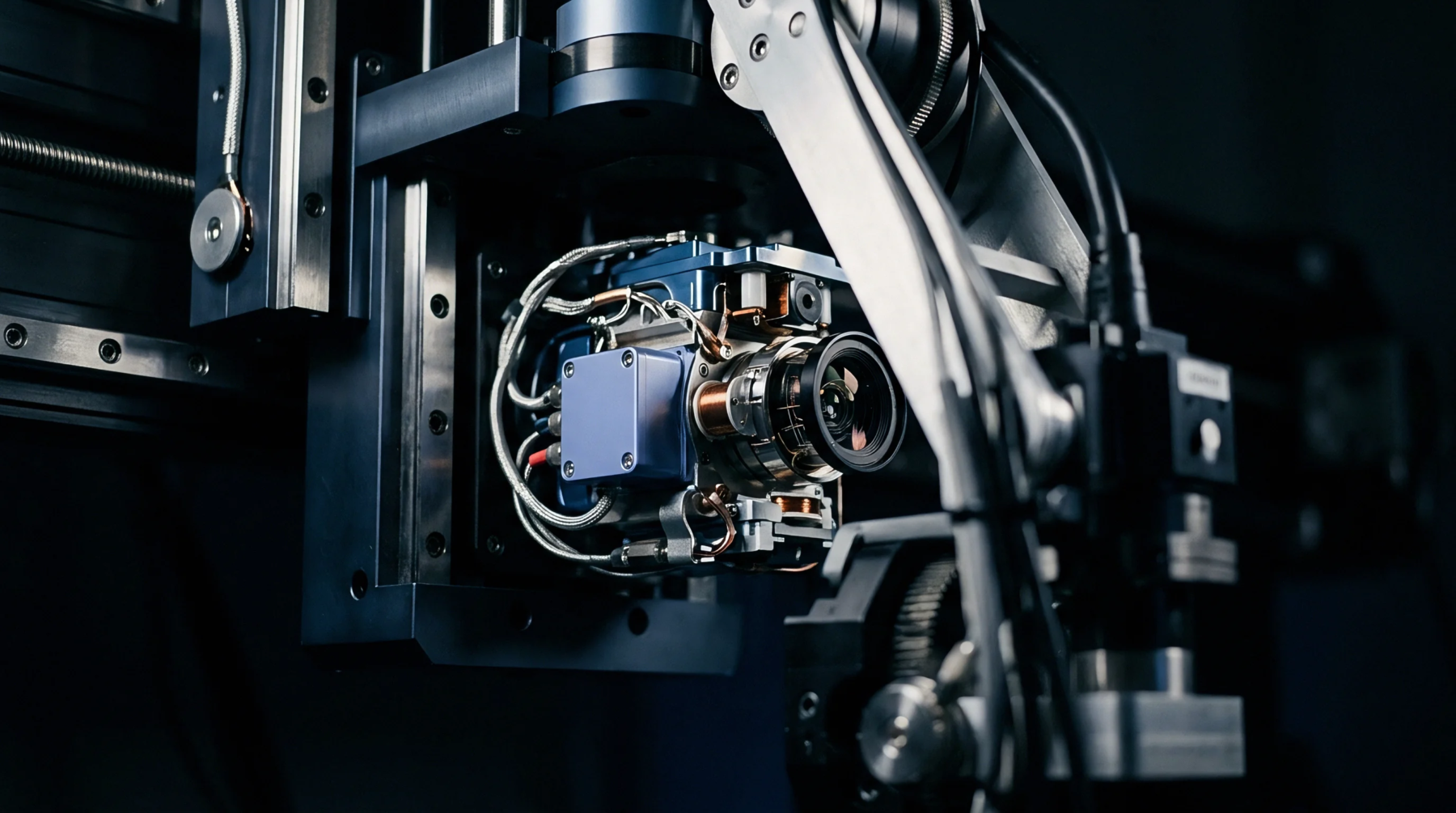
High-side shunts deliver superior low-current accuracy under high temperatures, while integrated Hall sensors reduce high-current thermal power loss.

Aligning moving average filter lengths as integer multiples of ADC decimation rates eliminates aliasing foldover and maximizes noise bandwidth reduction.

Square the quotient of specified noise density over target resolution to establish the equivalent noise bandwidth required for averaging filter design.
Substituting high-grade physical sensors with multi-element algorithms saves unit cost but adds firmware overhead, thermal drift risks, and qualification expenses.
Expertise is a utility, not a secret. sentiention™ publishes its working knowledge as open reference: intelligence layer covering the materials it sources, the markets it enters, and the reference that serves both.