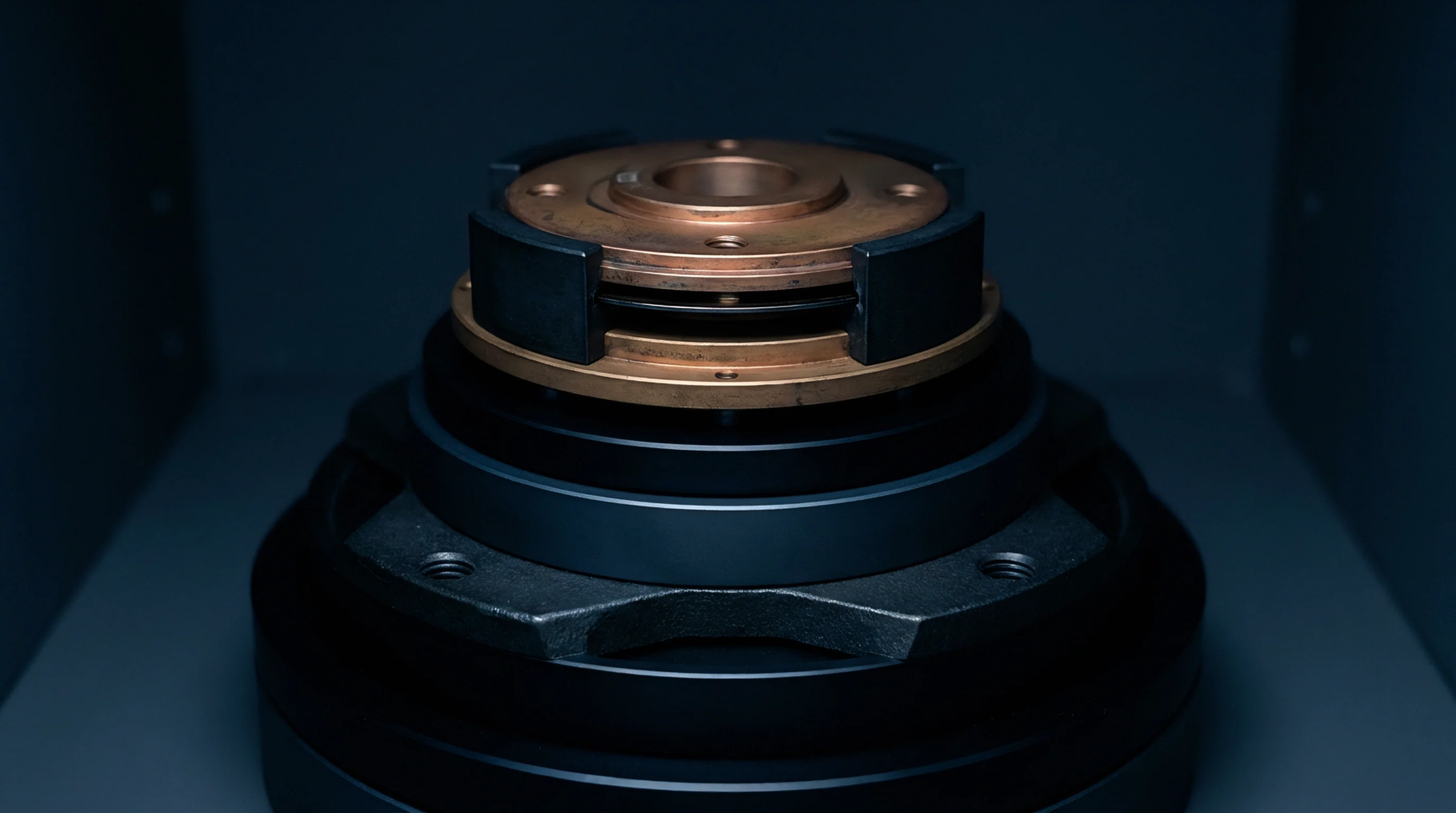
Elastomeric Bonding
Elastomeric joining materials provide a low-modulus mechanical bond that isolates sensitive components from external mechanical and thermal stresses. Within this category, silicone mounting adhesive offers high flexibility and high elongation at break, making it ideal for securing delicate sensors and resonators. Its low shear modulus ensures that any deformation of the substrate does not transmit excessive force to the component.
This reduces the risk of stress-induced frequency shifts or sensor output errors.
Vibration Damping
Mechanical isolation is a primary function of these adhesives in environments subject to vibration and thermal cycling. The silicone elastomer absorbs and dissipates mechanical energy, acting as a damping layer that protects the mounted device from physical shock. This is essential for maintaining the calibration of sensitive components.
Thermal Resistance
Thermal stability across a broad temperature range is another distinguishing characteristic of silicone materials. Unlike many epoxies that become brittle at low temperatures and lose strength at high temperatures, silicone remains flexible from sub-zero conditions up to over two hundred degrees Celsius. This consistency ensures reliable performance across diverse operating conditions.
Processing Constraint
Outgassing and contamination are the main limitations that must be managed during assembly. Silicone formulations can release volatile siloxanes during the curing process, which can condense on nearby optical surfaces or electrical contacts. Using special low-outgassing grades is necessary to prevent surface contamination in sealed packages.