
Evaluating Digital Compensation and Thermal Chamber Dwell Times for Precision Sensors
Digital compensation requires thermal chamber dwell times of at least four time constants based on device core telemetry rather than chamber air indicators.
Digital compensation requires thermal chamber dwell times of at least four time constants based on device core telemetry rather than chamber air indicators.

Analytical die stress modeling isolates mechanical package strain from sensor signals while hysteresis compensation algorithms eliminate viscoelastic offset drift.

Calculate sensor burn-in time by dividing equivalent operating hours at the infant drift inflection point by the temperature-derived Arrhenius acceleration factor.
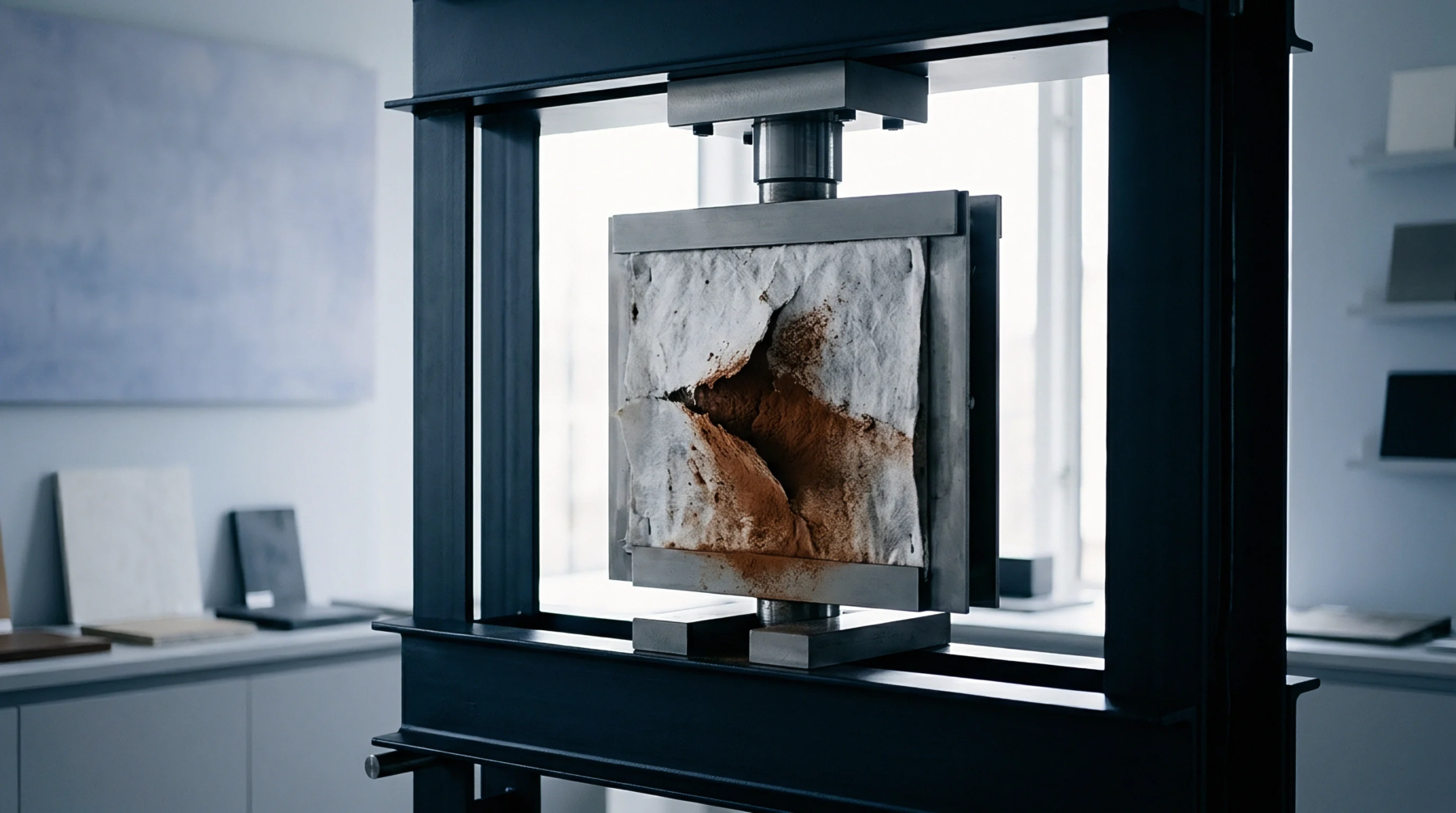
Thermal drift compensation uses bivariate polynomial surfaces or lookup tables in embedded firmware to eliminate temperature-induced bridge offset and span errors.

Forced air thermal dwell acceptance sampling isolates package stress drift in transducer lots before field deployment.
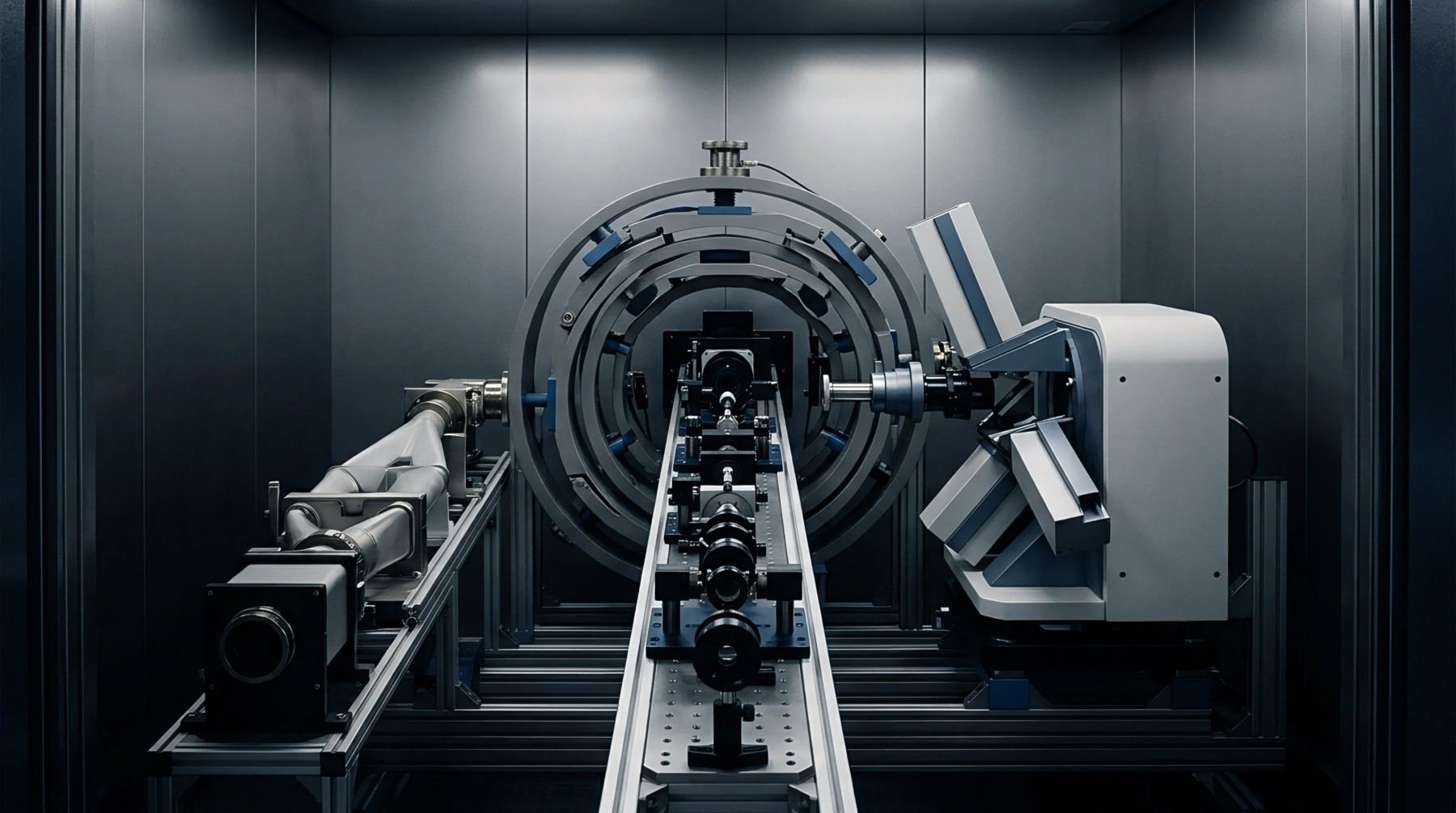
Calibration maps sensor error against traceable standards, while drift stems from physical aging, mechanical strain, and environmental stress over time.
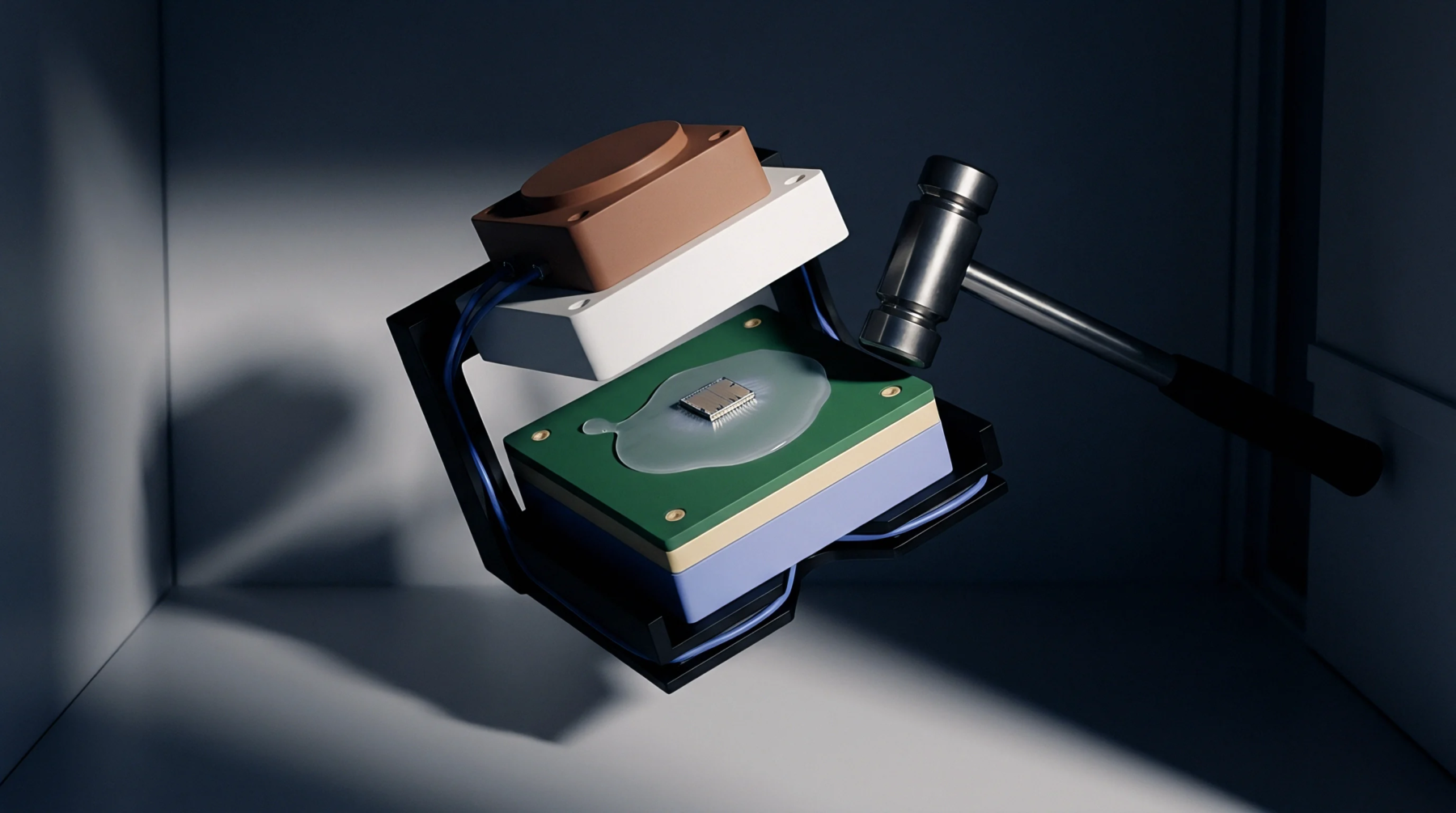
Evaluating sensor certificates requires auditing expanded uncertainty, coverage factors, and environmental test bounds to ensure data defensibility.
Expertise is a utility, not a secret. sentiention™ publishes its working knowledge as open reference: intelligence layer covering the materials it sources, the markets it enters, and the reference that serves both.