
Moisture Sensitivity Level Three Parts Arriving without a Dry Pack
Compromised MSL 3 packaging instantly voids floor life: quarantine components, verify humidity cards, and require J-STD-033 dry baking before SMT reflow.
Compromised MSL 3 packaging instantly voids floor life: quarantine components, verify humidity cards, and require J-STD-033 dry baking before SMT reflow.

Epoxy compound moisture absorption generates critical steam pressures during lead-free reflow, demanding strict MSL dry-pack handling to prevent internal delamination.

Receiving verification of moisture barrier packaging and strict floor life tracking prevent reflow delamination yield losses in surface mount assembly.
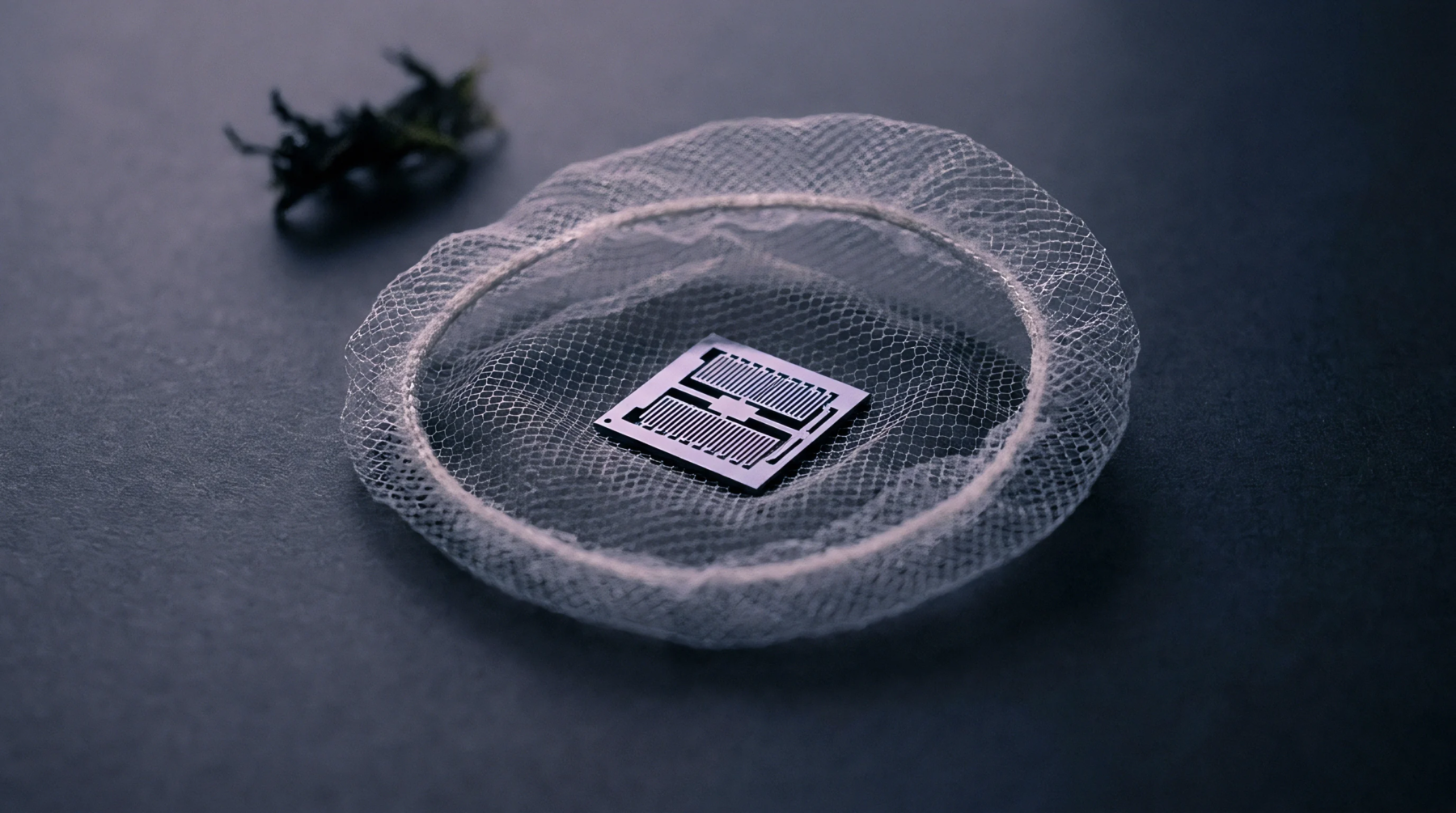
Component reflow popcorning occurs when trapped moisture vaporizes during soldering; acoustic microscopy detects internal delamination via signal phase inversion.

Elevated storage temperatures accelerate moisture diffusion into epoxy molding compounds, raising internal vapor pressure during reflow and driving package failure.
Enforce 18-month EOL notice timelines and silicon-level allocation guarantees to protect sensor supply chains from unannounced component discontinuances.
Epoxy molding compounds absorb moisture according to temperature-dependent diffusion rules, requiring strict MSL floor life management to avoid popcorning during reflow.
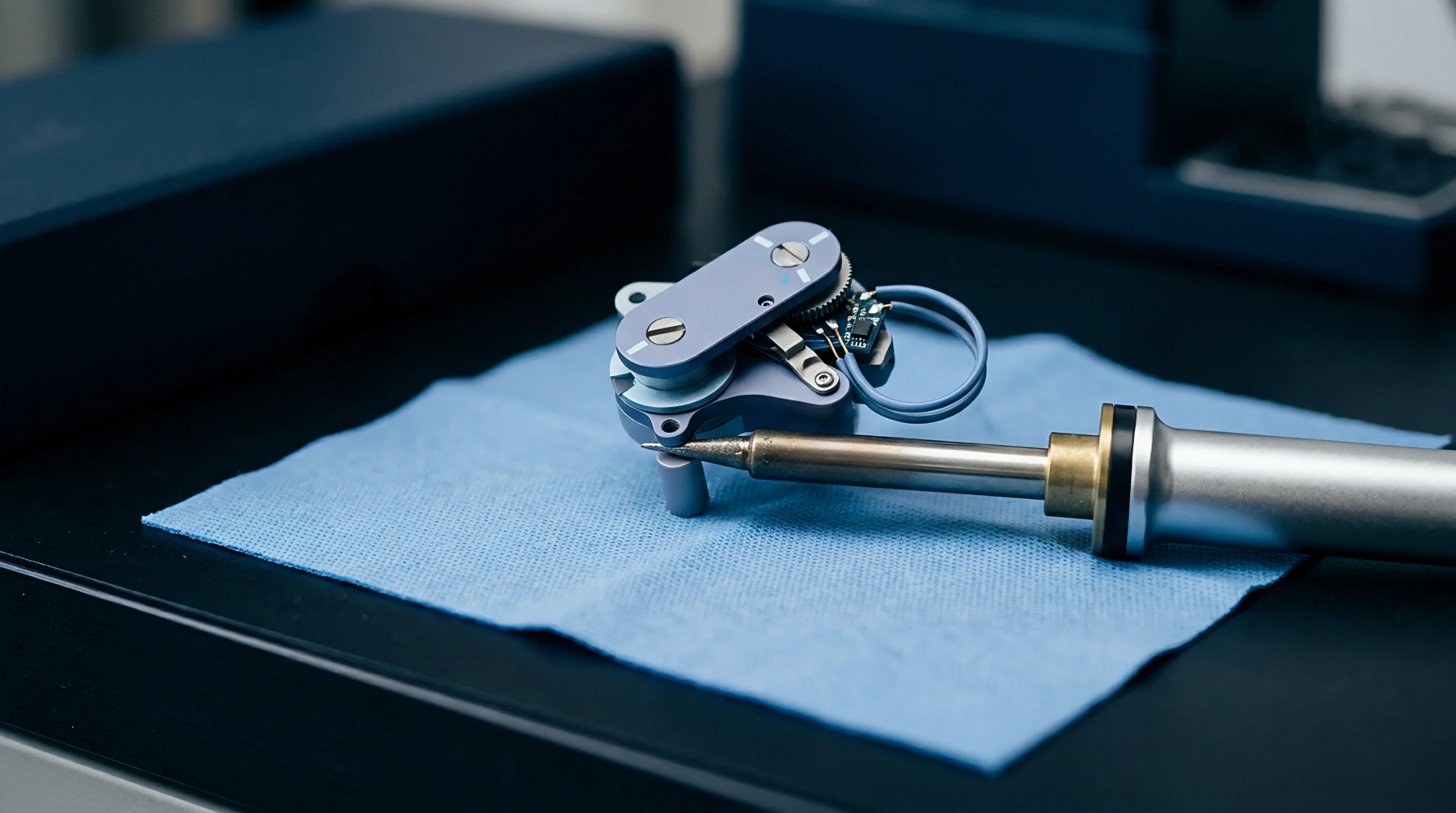
Transitioning to leadless packages reduces lead inductance by 80 percent, accelerating edge rates and requiring layout tuning to control ringing and drift.

Baking moisture sensitive ICs requires matching package thickness and carrier heat ratings to balance desorption speed against intermetallic lead oxidation risks.

Modelling hygrothermal stress requires superposing thermal strain, moisture swelling, and superheated steam pressure at leadframe interfaces during 260°C reflow.
Component obsolescence decisions require balancing upfront board redesign NRE against multi-year nitrogen storage capital tie-up and solderability decay risks.

Moisture kinetics in epoxy molding compounds dictate reflow vapor pressure, package strain, and MSL floor life across surface mount assembly lines.
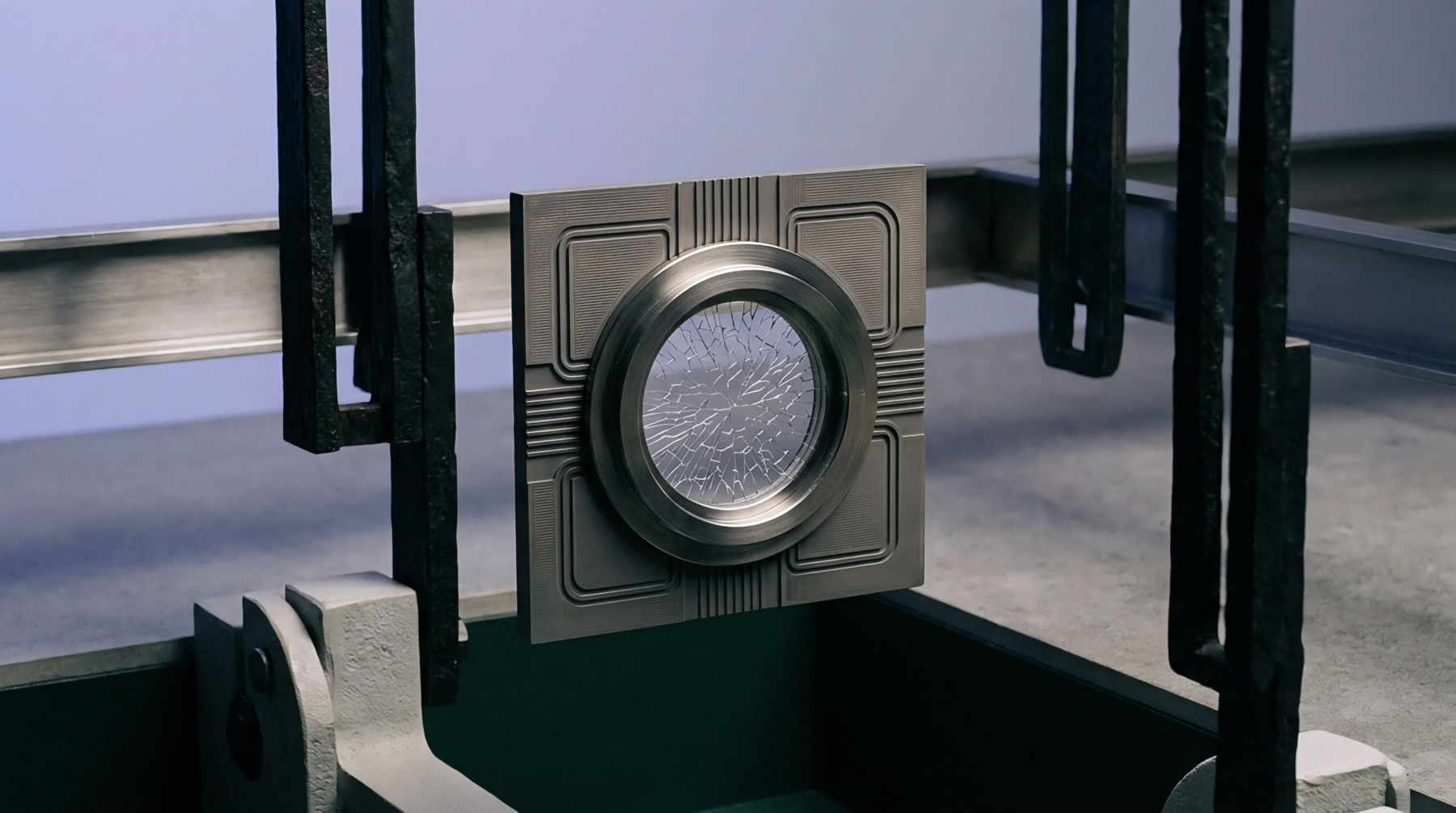
Interfacial hygroscopic swelling stress arises from differential moisture expansion, compounding thermal mismatch and driving package delamination during reflow.

Dual stage Langmuir kinetics dictate that bound moisture desorbs into steam during reflow, driving delamination and sensor offset drift unless bake profiles clear bound water.

Asymmetric thermal gradients across precision references induce microvolt offsets through Seebeck potentials and piezo-resistive stress imbalance.

Calculating desorption kinetics and activation energy via multi-ramp thermal testing determines safe reflow limits and prevents package popcorning.

Fickian diffusion in thin encapsulants drives rapid moisture saturation, creating high internal steam pressures that trigger reflow delamination.
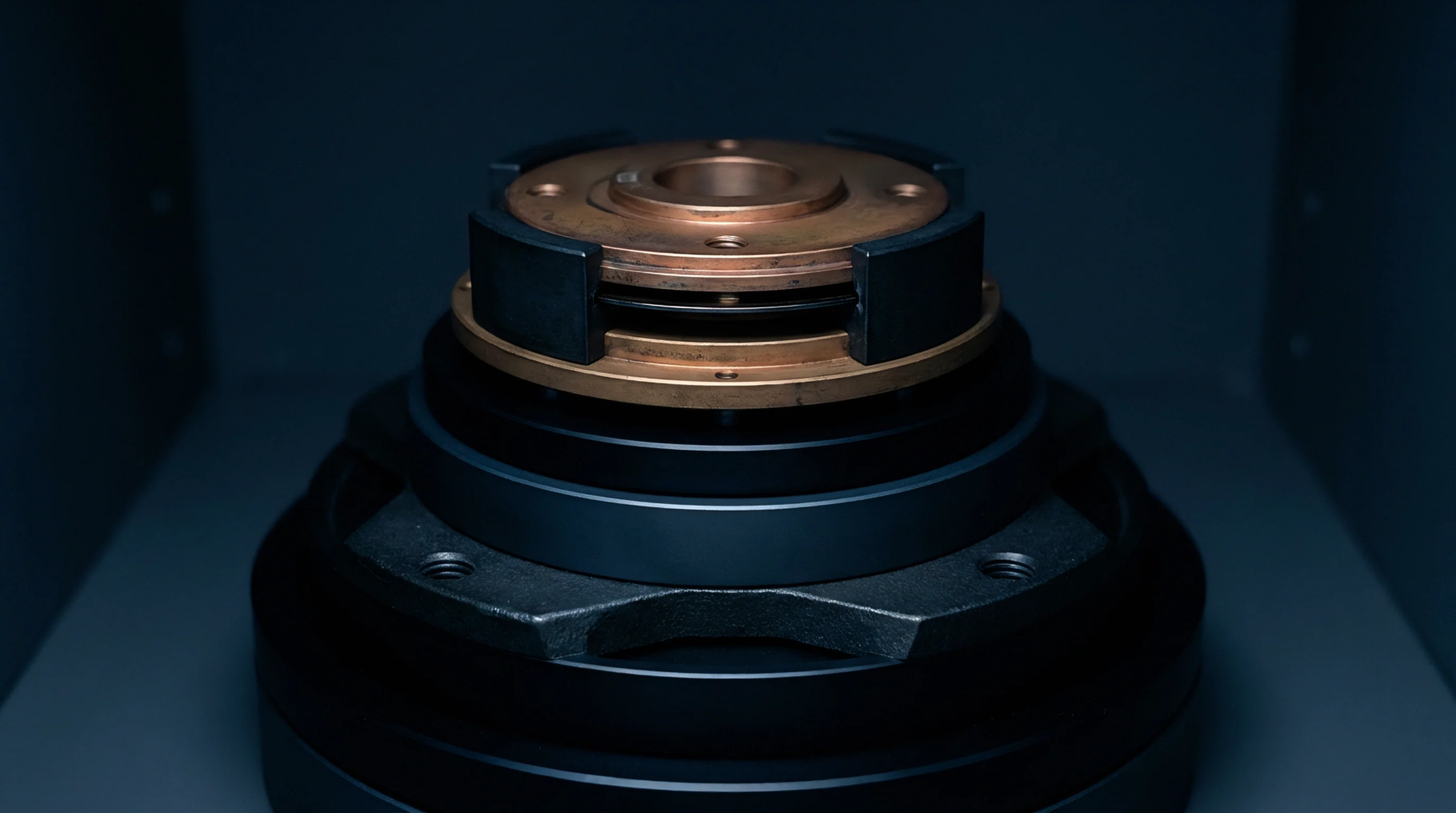
Coupled hygrothermomechanical finite element reflow modeling resolves moisture diffusion, steam pressure, and thermal expansion to prevent package delamination.

Extended baking at 125C drives solid-state intermetallic growth that depletes free tin, requiring verified nickel barriers to preserve terminal solderability.

JESD48B establishes six-month buy and ship windows, but MEMS packaging closures demand immediate firmware and mechanical layout audits to prevent production halts.

Selecting digital relative humidity sensor packages requires matching land patterns, bus capacitance limits, and reflow budgets to control calibration drift.

Hermetic seals prevent moisture ingress via inorganic barriers; potted assemblies slow liquid ingress but saturate via vapor diffusion within months.

Dynamic vapor sorption establishes epoxy mold compound diffusion rates and saturation limits to prevent reflow delamination and sensor offset drift.

Encapsulant moisture saturation lowers matrix glass transition temperatures and generates destructive internal vapor pressures exceeding four megapascals at reflow.

Transient moisture gradients create reflow vapor pressure spikes at leadframe boundaries, driving interfacial delamination unless controlled by strict MSL storage profiles.

Non-Fickian moisture sorption causes delayed polymer relaxation, elevating trapped internal water mass and triggering catastrophic reflow delamination.

Dual stage Carter Kibler diffusion modeling predicts bound moisture retention and prevents catastrophic package popcorning during high temperature surface reflow.
Post-package bandgap voltage reference drift stems from mold compound thermal strain and moisture swelling, requiring ceramic packaging or stress-isolated PCB layouts to maintain sub-10 ppm accuracy.

Packaging mold shrinkage and board reflow solder strain alter silicon bandgap voltages via piezoresistive coupling, demanding compliant leads or ceramic packages.

Silicon stepping registers provide unambiguous hardware verification, ensuring firmware driver compatibility and protecting production lines from unannounced die alterations.
Expertise is a utility, not a secret. sentiention™ publishes its working knowledge as open reference: intelligence layer covering the materials it sources, the markets it enters, and the reference that serves both.