Moisture Protocol
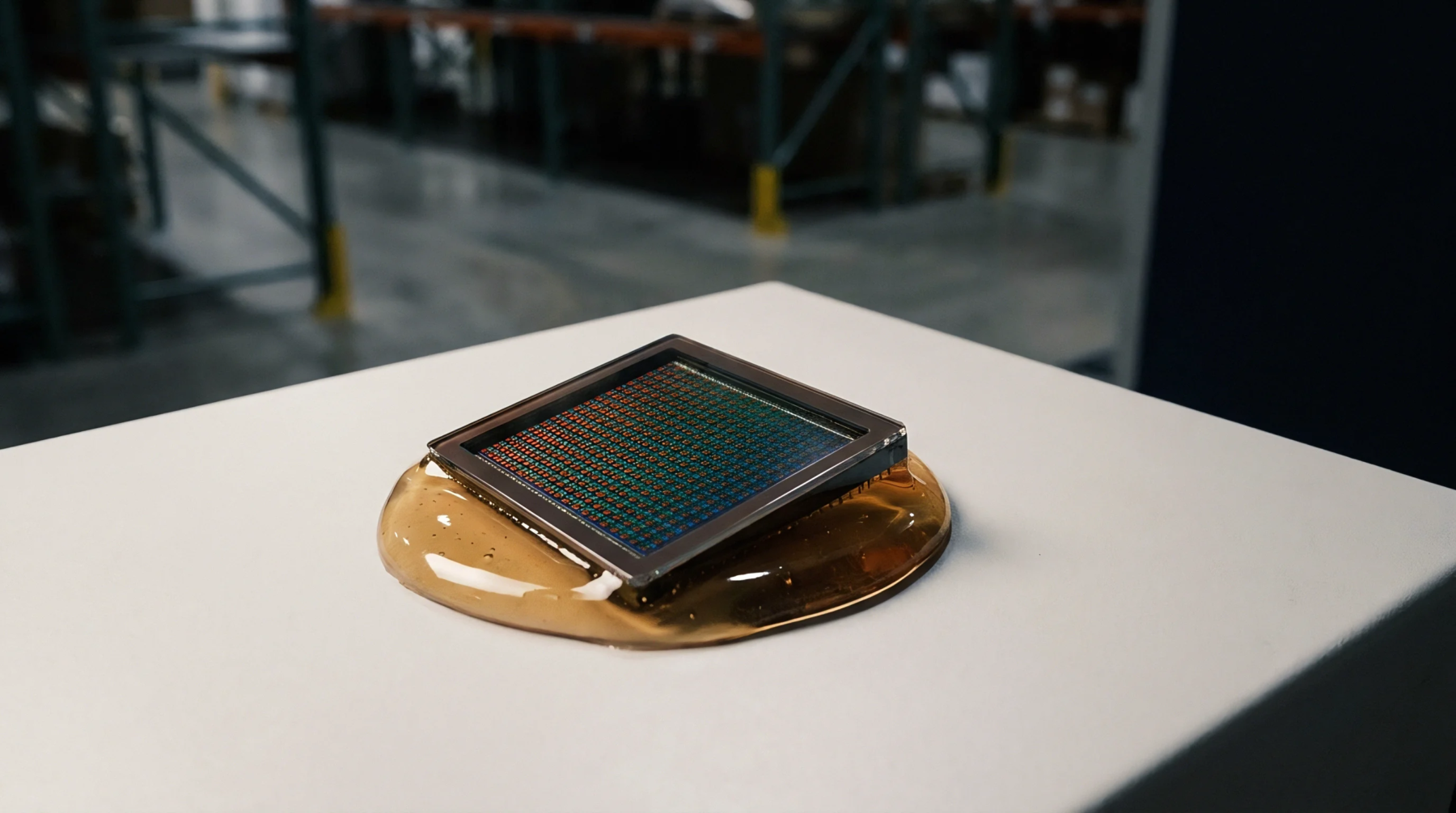
Handling requirements for surface mount devices specify exact shelf life limitations based on ambient humidity and temperature exposure during assembly cycles. Under j-std-033, production floors implement controlled baking and dry storage procedures to prevent internal package cracking during subsequent reflow soldering. This document defines classifications for sensitivity levels that determine the maximum duration components remain outside sealed moisture barrier bags.
It provides the technical basis for calculating how long a part remains safe before its absorption of water vapor necessitates a specific desiccation recovery cycle.
Control Limit
Environmental monitoring establishes the threshold for moisture absorption within delicate semiconductor packages. Exposure logs track the interval starting from the moment a vacuum sealed container opens until the component enters a secondary reflow process. If the internal moisture content rises beyond the verified tolerance defined by the moisture sensitivity level, the component undergoes a baking schedule to drive out the accumulated vapor.
Sensors record the dry cabinet humidity levels to maintain a constant state of dryness that resets the clock for moisture sensitive parts. Verification of these drying cycles confirms that the internal vapor pressure remains low enough to survive the thermal shock of high temperature soldering. Calibration of the storage environment ensures that the specified dew point provides a reliable margin against dielectric breakdown or delamination.
Periodic measurement of ambient air quality confirms the integrity of storage cabinets.
Boundary Condition
Limitations of these specifications apply exclusively to non-hermetic components that risk degradation from thermal expansion of internal water vapor. Once the assembly process enters the final soldering stage, the protection provided by these handling steps finishes because the package has either avoided excess absorption or undergone required thermal remediation. Parts exceeding their permitted floor life without intervention show structural failure if the expansion of moisture bursts the outer plastic housing.
Engineers verify these bounds through weight change analysis after exposing samples to humidity chambers at fixed temperatures. Field failures occurring after proper application of these drying steps point toward a breach in storage integrity rather than a failure of the protocol itself. Precise control prevents the latent defect of popcorn cracking from appearing inside the silicon housing during the assembly phase.
Validation Metric
Compliance with these guidelines produces a predictable outcome for manufacturing yields by eliminating variable thermal stresses. Success rests on the accuracy of timing records for every tray or reel of sensitive hardware. Deviation from the stated maximum duration creates an unacceptably high probability of internal delamination when the material hits the solder peak temperature.
Data logs act as the objective audit of the storage process at any point in the production chain. Reliable adherence to these baking and dry storage requirements prevents the premature replacement of expensive components. Correct application of the standard guarantees that moisture does not compromise the electronic integrity of finished circuit boards.