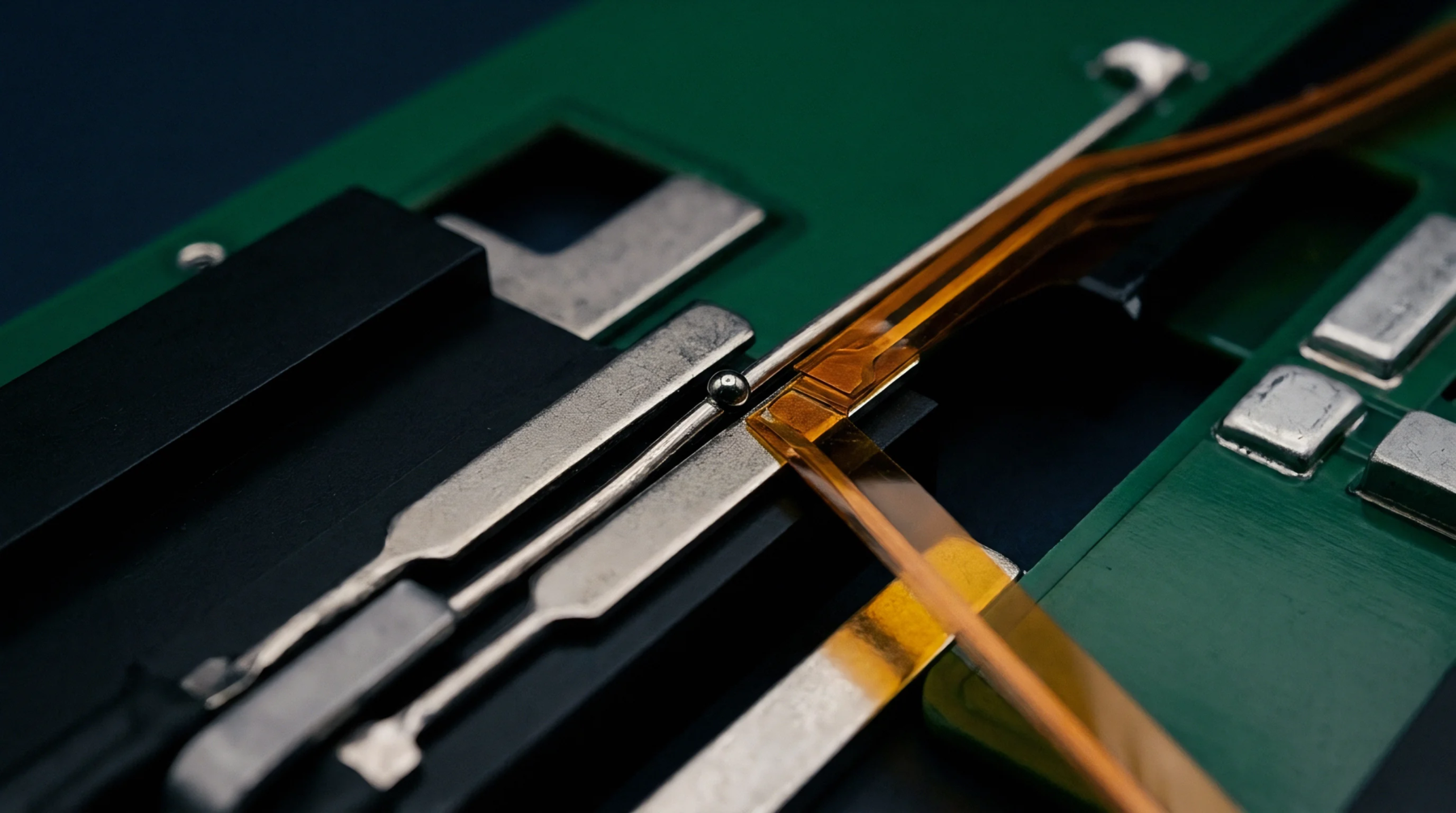
Minimizing Circuit Board Strain Propagation in Surface Mounted Pressure Sensors
Milled PCB isolation slots and controlled solder standoff heights decouple surface mount pressure sensors from assembly flexure and thermal board strain.
Milled PCB isolation slots and controlled solder standoff heights decouple surface mount pressure sensors from assembly flexure and thermal board strain.

Polymeric underfill modulus collapse near glass transition increases board strain attenuation while driving out-of-plane bump fatigue and sensor drift.

Analytical shear lag models quantify strain transfer from boards to bottom-terminated packages, showing compliant die attach drops offset drift by 98 percent.
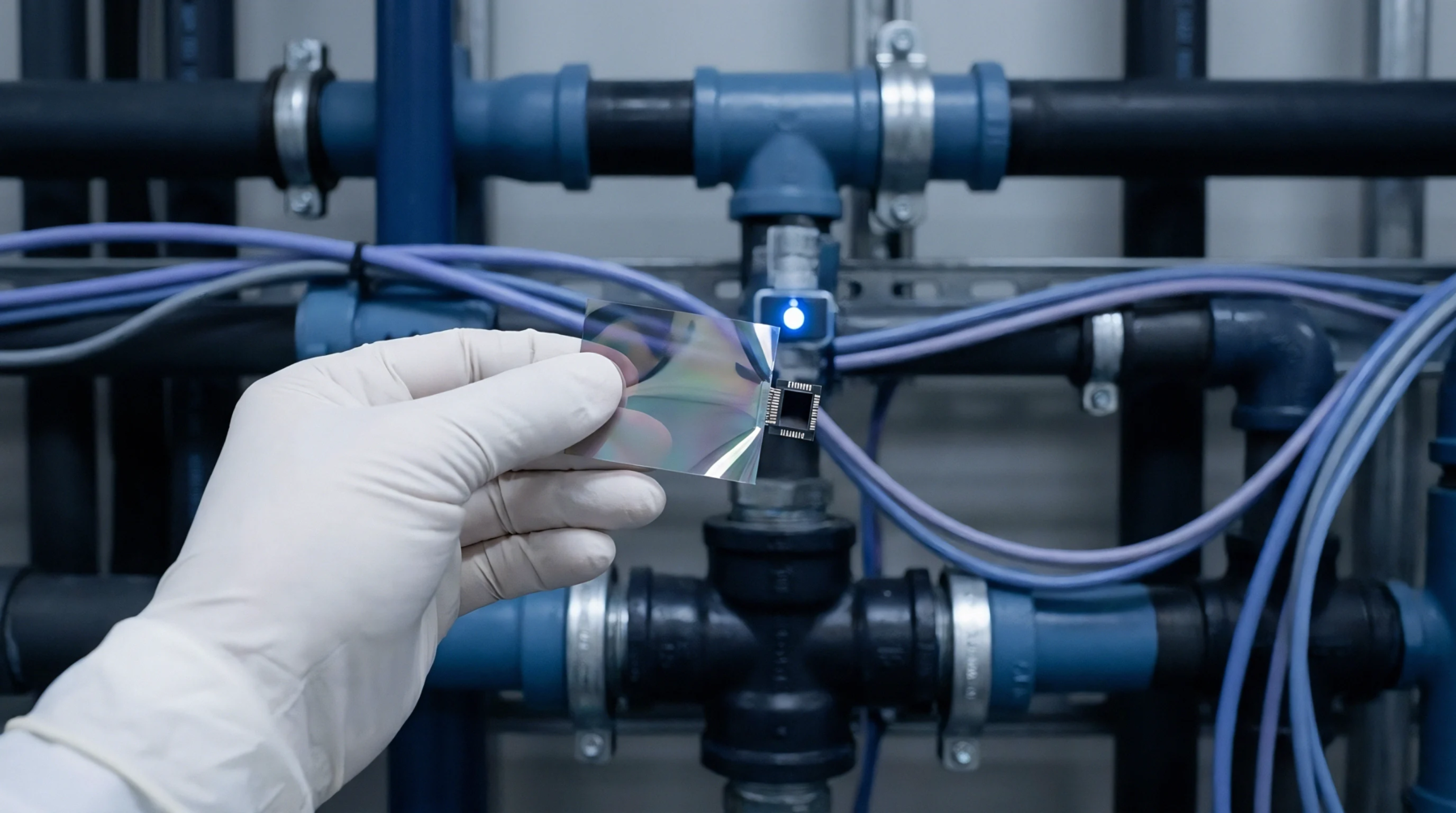
WLCSP packaging induces mechanical stress gradients that shift bandgap references, requiring rotated common-centroid layouts and active digital trim.

Thermomechanical fatigue modeling for WLCSP solder arrays requires mapping viscoplastic Anand strain energy density to predict field thermal cycling failures.

Asymmetric thermal expansion shifts bandgap voltage via piezoresistive substrate stress; mechanical slots and ceramic packaging isolate critical reference nodes.
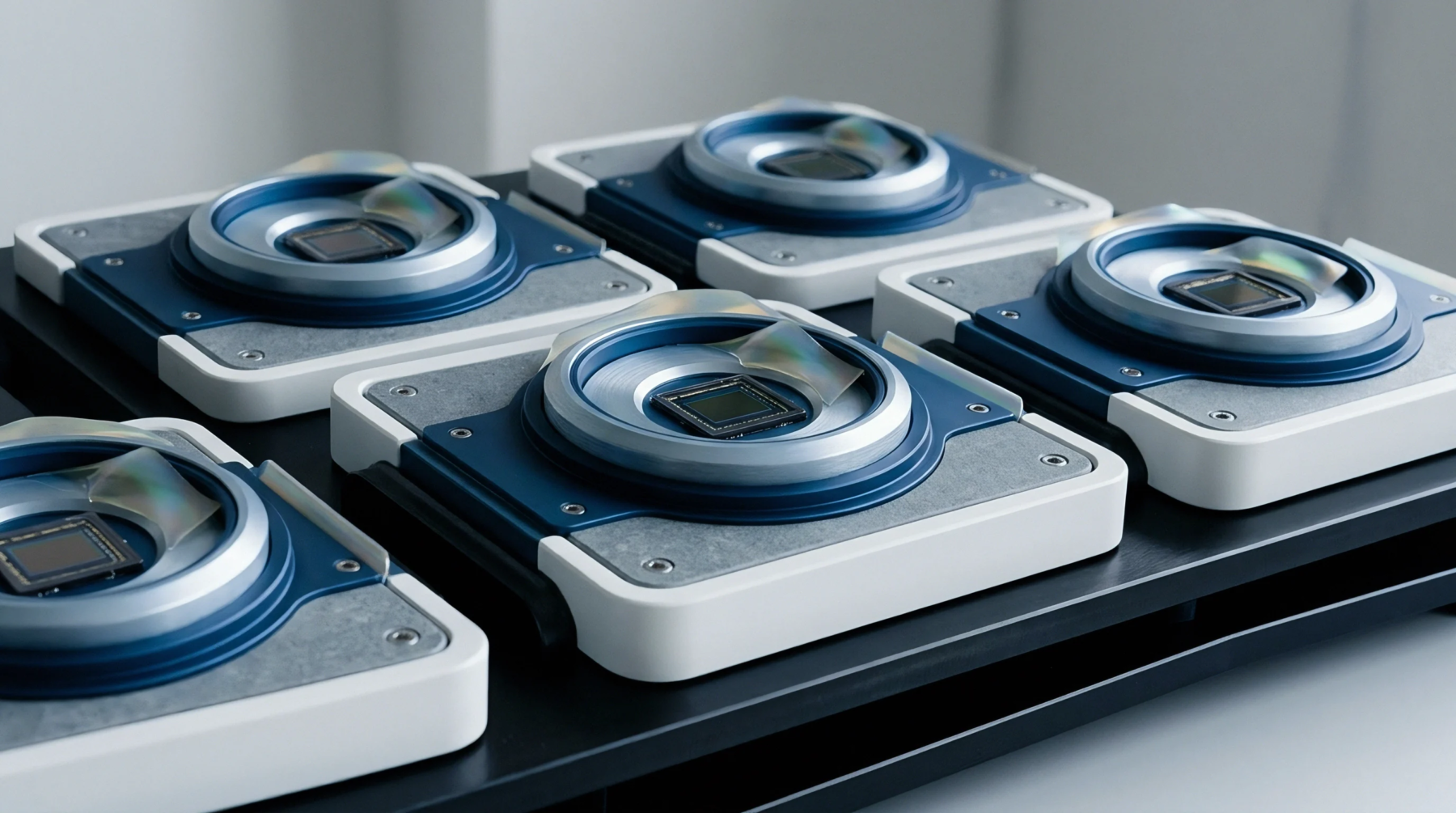
Board flexure stress couples to analog dies via solder joints and mold compounds, shifting bandgap voltages up to 10 millivolts under thermal cycling.
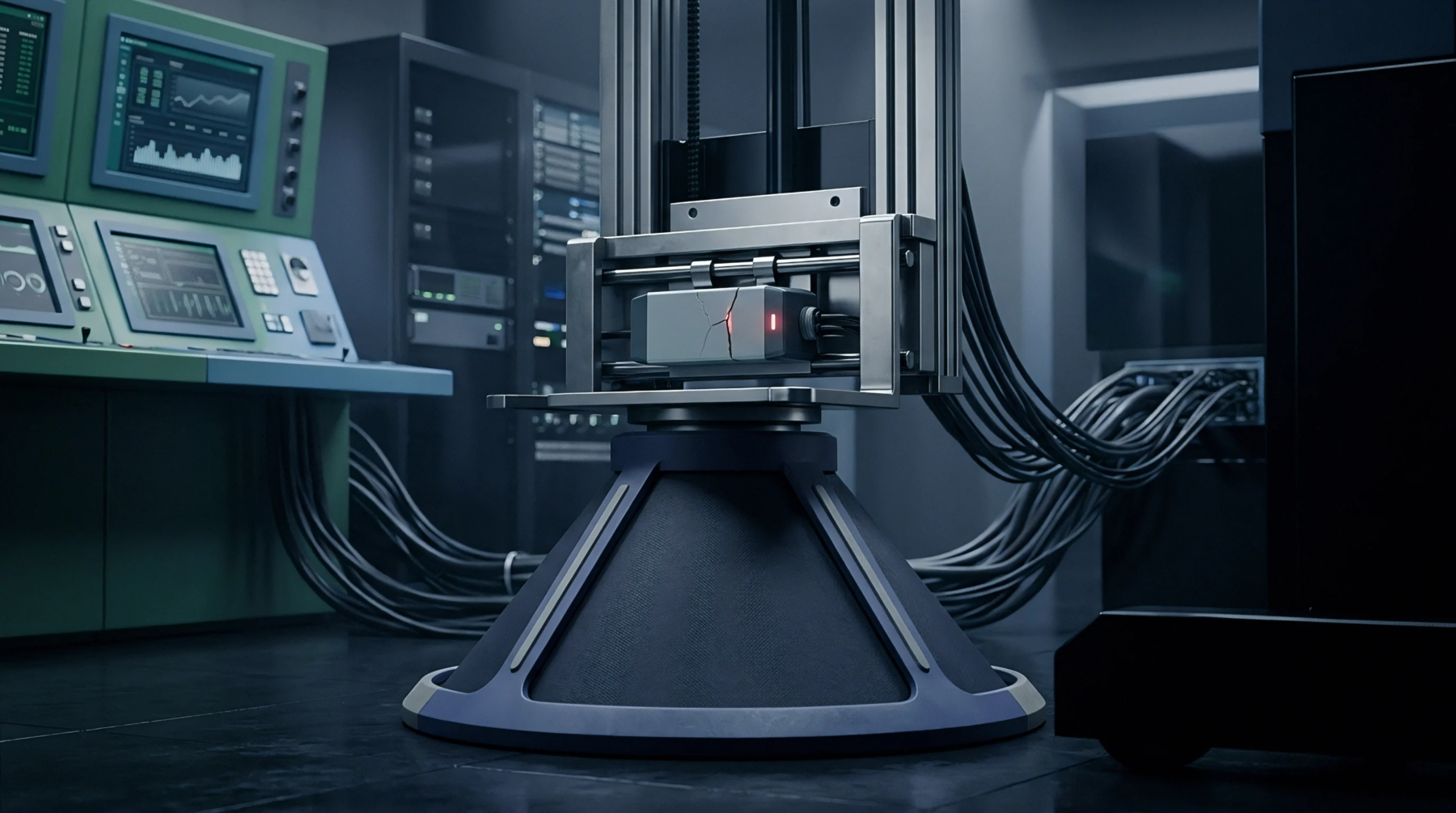
Dynamic asymmetric board strain couples into silicon piezoresistors via solder joints, causing uncompensated baseline drift mitigated by PCB isolation slots.
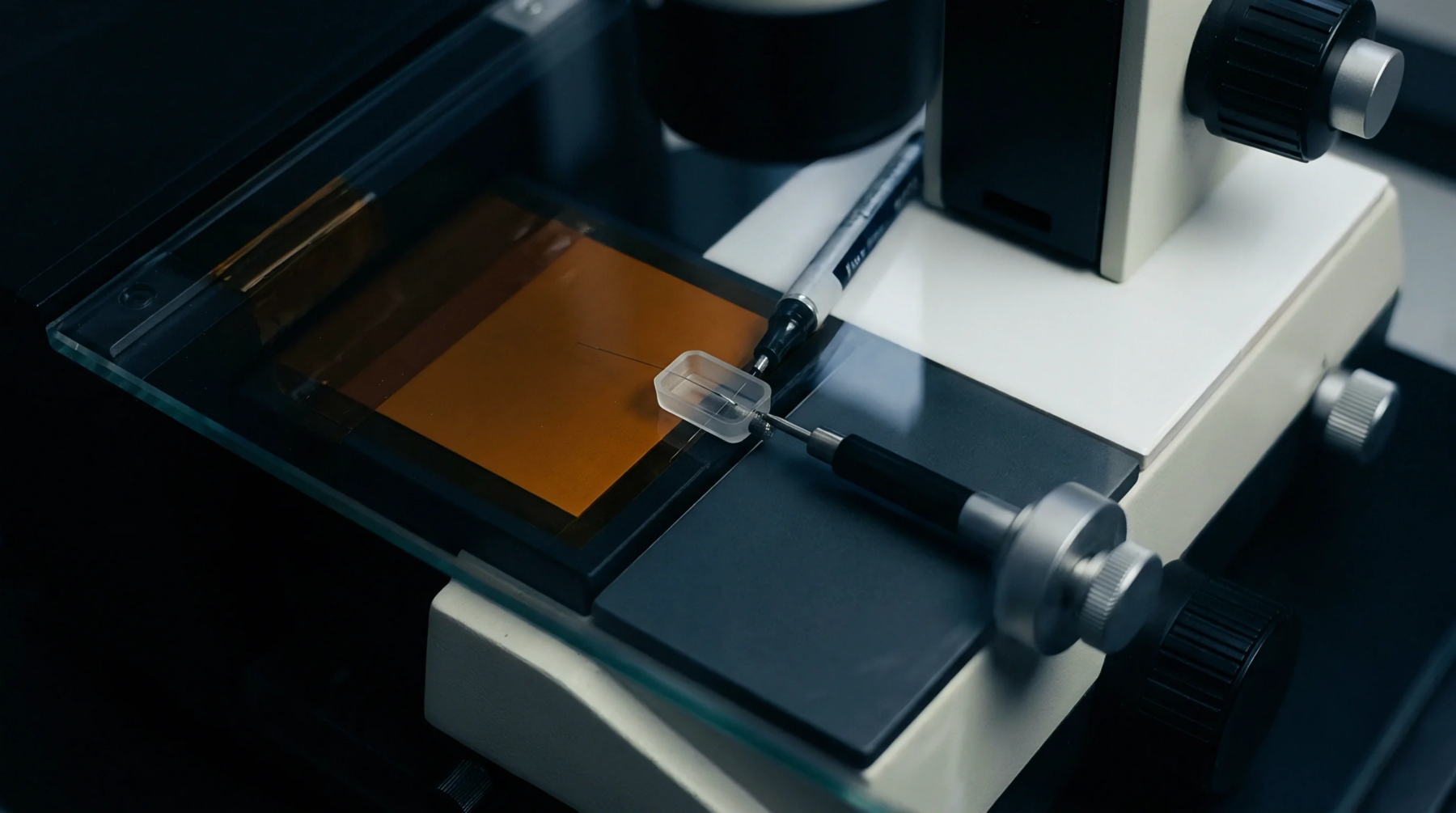
Fine-pitch iso-die variants exhibit divergent zero-point offset drift governed by package compliance, substrate CTE mismatch, and mechanical piezoresistive stress transfer.
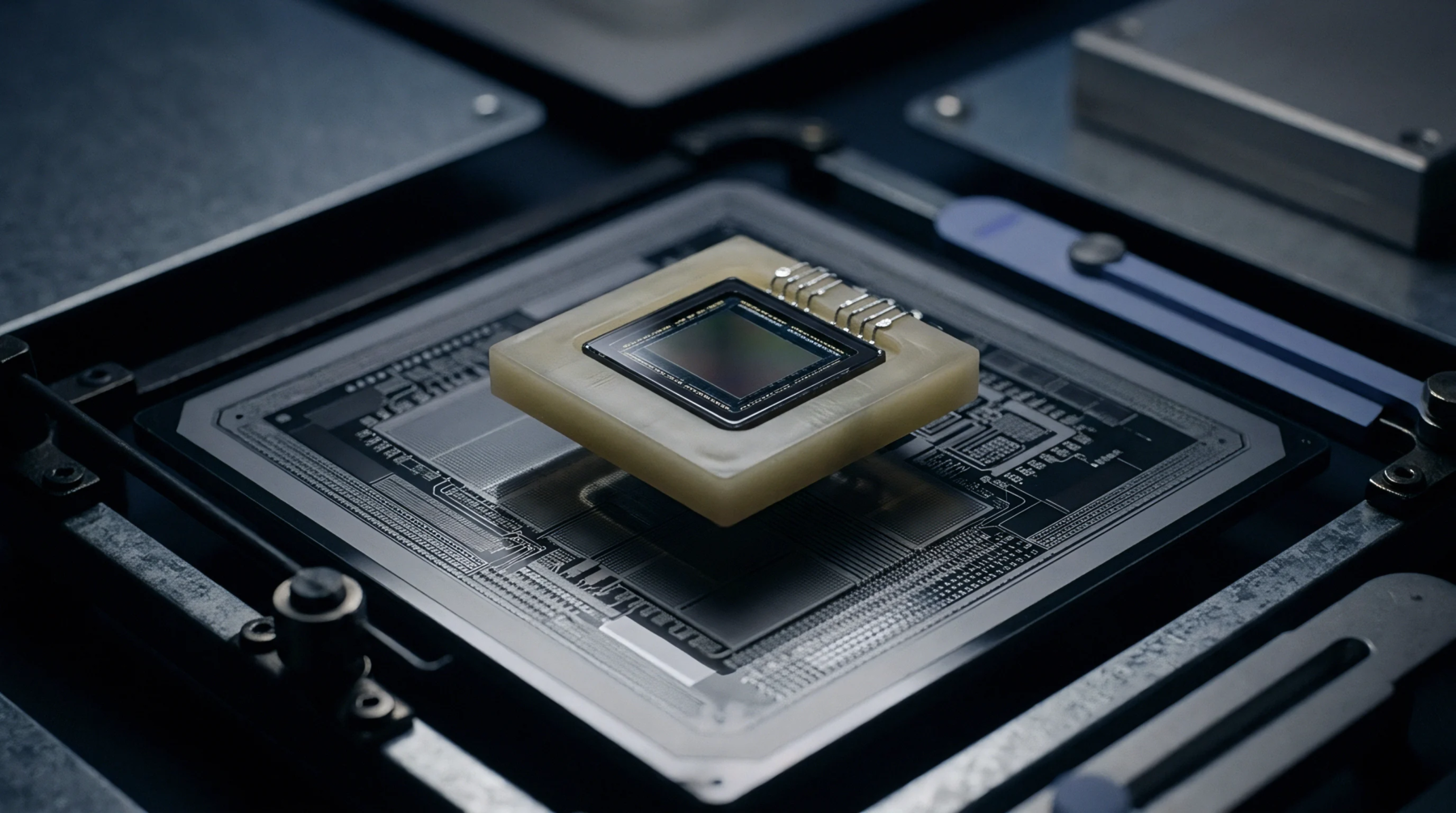
Wafer level sensor package strain mitigation relies on compliant redistribution layers, optimized pad geometries, and firmware offset calibration to ensure operational stability.

Dynamic address assignment eliminates multiplexers in dense sensor arrays through cascade enable lines or software ARP, reducing PCB area while raising firmware bring-up requirements.

Land pattern geometry, bus capacitance control, and driver timing dictate assembly yield and operational stability across sensor package formats.
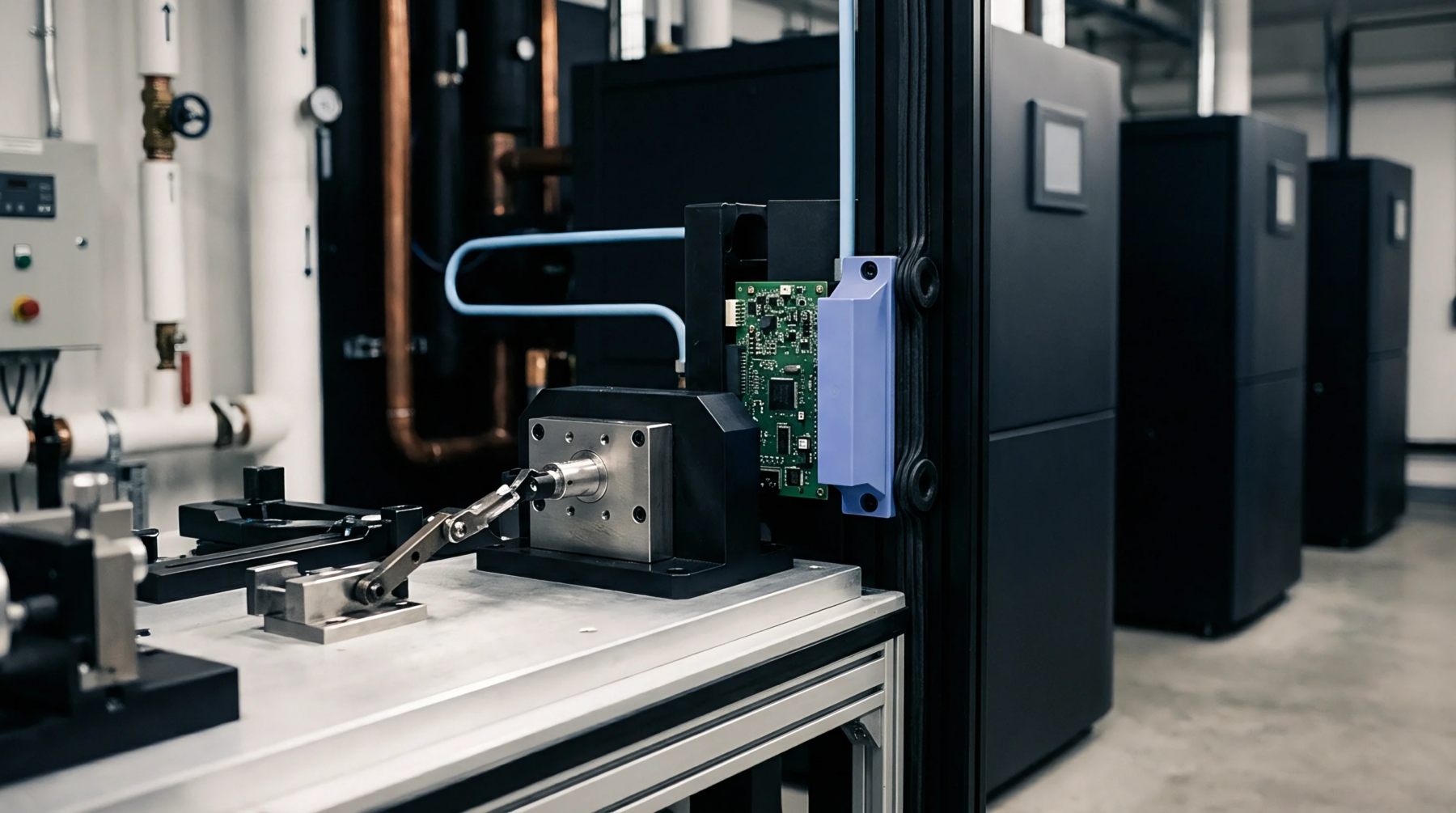
Board flexure transfers shear strain through solder joints into silicon dies, shifting zero-point offsets; isolate footprints using slots or diagonal placement.
Expertise is a utility, not a secret. sentiention™ publishes its working knowledge as open reference: intelligence layer covering the materials it sources, the markets it enters, and the reference that serves both.