Operating Pressure
The physical force exerted by saturated or superheated vapor inside a closed vessel constitutes steam pressure. Transducers measure this mechanical load against a local atmospheric baseline to control thermal energy delivery in industrial generation loops. The boundary of its application stops at the boundary valve where phase change completes and condensate subcooling begins.
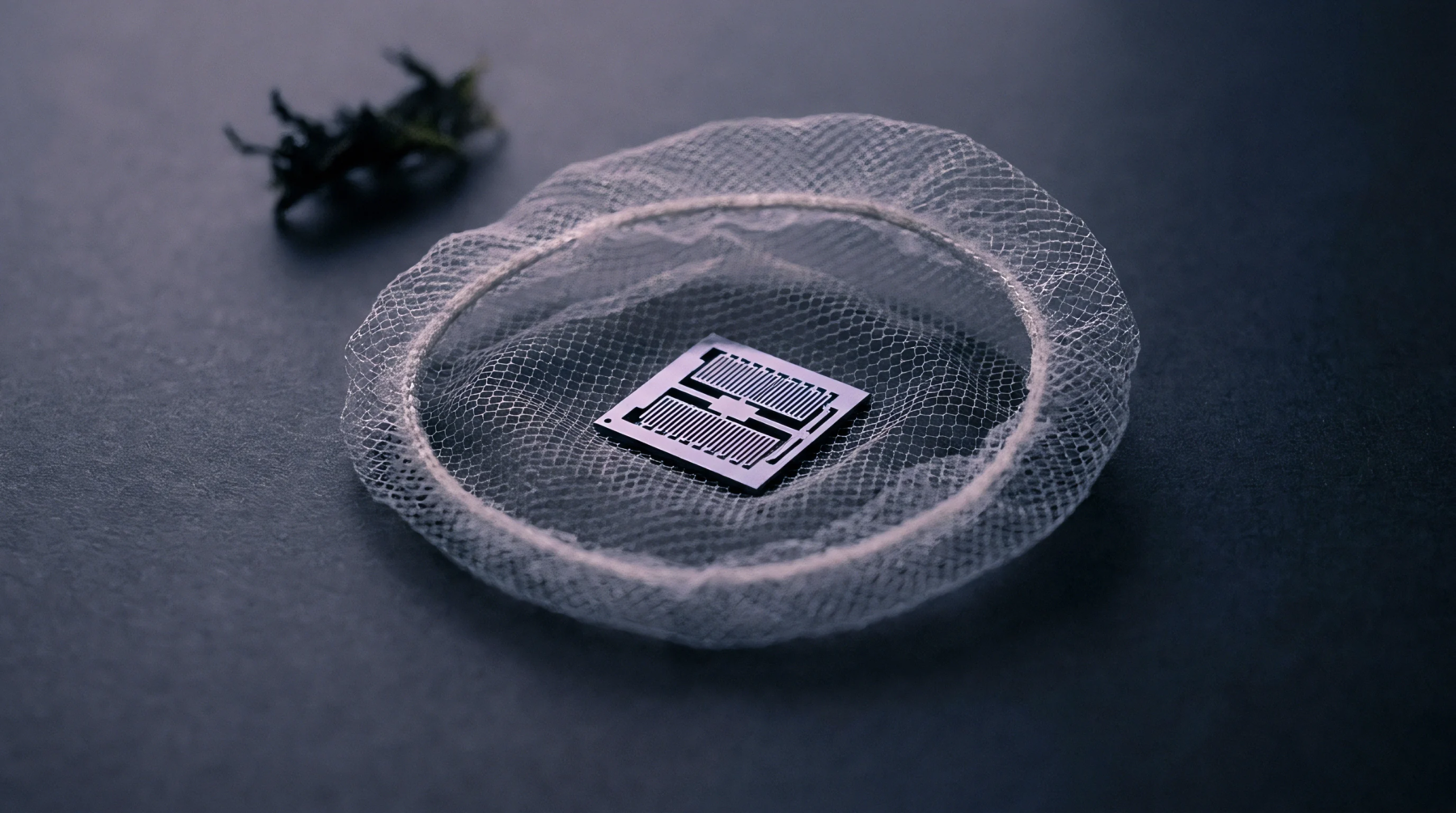
Diaphragm sensing elements convert mechanical deflection into electrical output for system logic.
Calibration Drift
Thermal cycling and mechanical fatigue introduce span error into sensing diaphragms over extended operational cycles. Field technicians verify transducer output against a deadweight tester under controlled laboratory conditions to eliminate hysteresis. Reference standards set by national metrology institutes govern the allowable tolerance limit before recalibration becomes mandatory.
Sensor installation requires thermal siphons to protect elastomeric seals from excessive heat transfer during high temperature monitoring.
Dynamic Response
Rapid valve actuation creates pressure transients that propagate through piping networks at acoustic velocity. Resonant frequencies within small bore sensing lines distort instantaneous readings unless dampening orifices restrict fluid movement. Piezoelectric transmitters capture these high frequency fluctuations much faster than traditional bourdon tube gauges.
Signal processing filters eliminate spurious mechanical noise originating from nearby reciprocating pumps.
Loop Integration
Control architecture converts analog sensor voltages into proportional digital parameters for automated boiler regulation. Signal attenuation across long cable runs degrades measurement accuracy unless shielded twisted pairs terminate at grounded receiver cards. Power supply voltage variations induce systematic offset errors throughout the measurement chain.
System verification tests confirm that output linearity matches factory specifications across the operating range.