
Accreditation Scope as the Line between a Certificate and a Printout
An ISO/IEC 17025 logo proves accreditation only for parameters and ranges explicitly listed on the laboratory active schedule of scope.
An ISO/IEC 17025 logo proves accreditation only for parameters and ranges explicitly listed on the laboratory active schedule of scope.

Variable acceptance sampling under ANSI ASQ Z1.9 reduces sample size by 70 percent while enforcing strict consumer risk bounds on transducer lot audits.
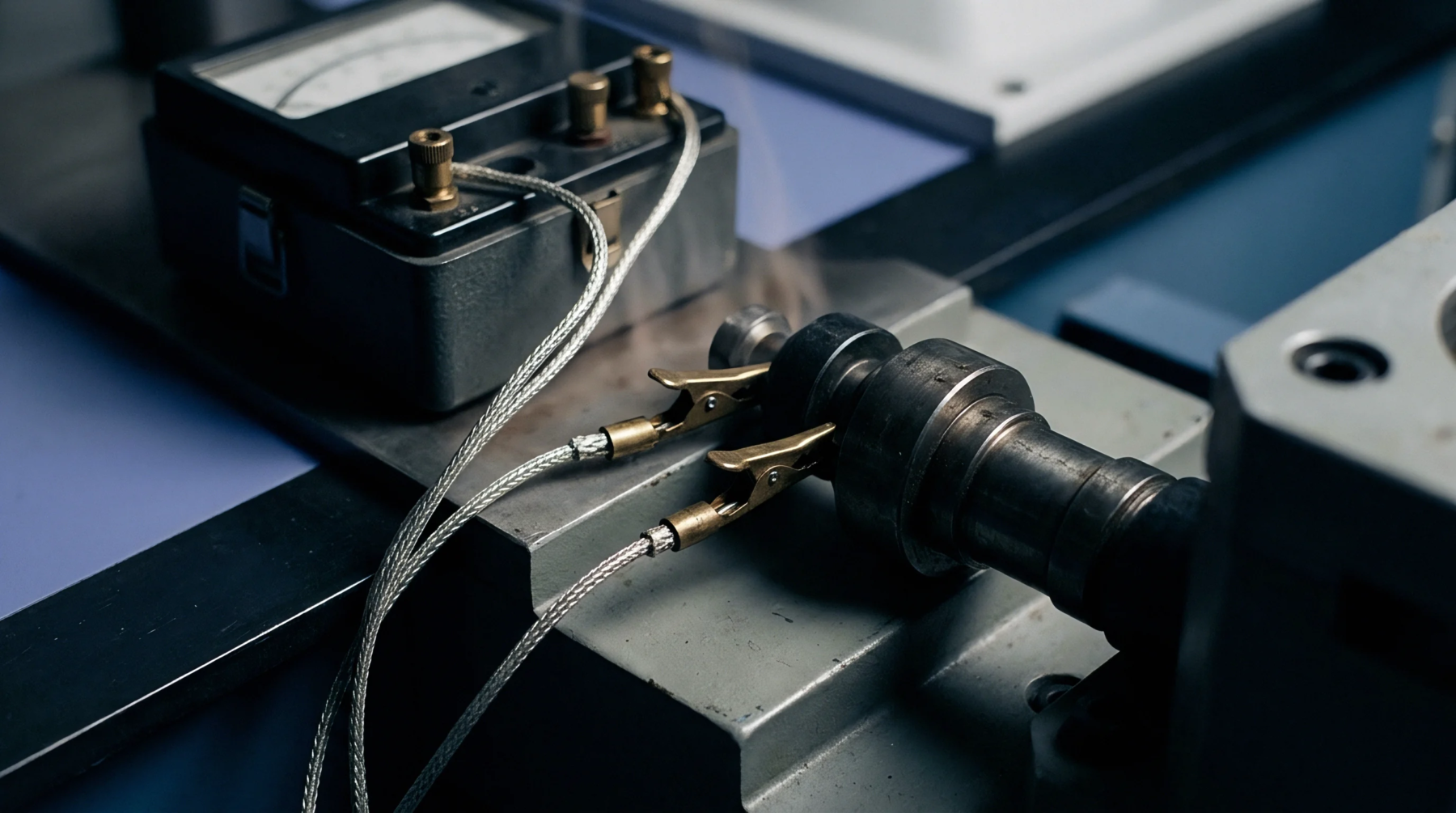
Unbudgeted sensor thermal settling times and hysteresis generate severe measurement errors, demanding mandatory package-level soak protocols to preserve field accuracy.
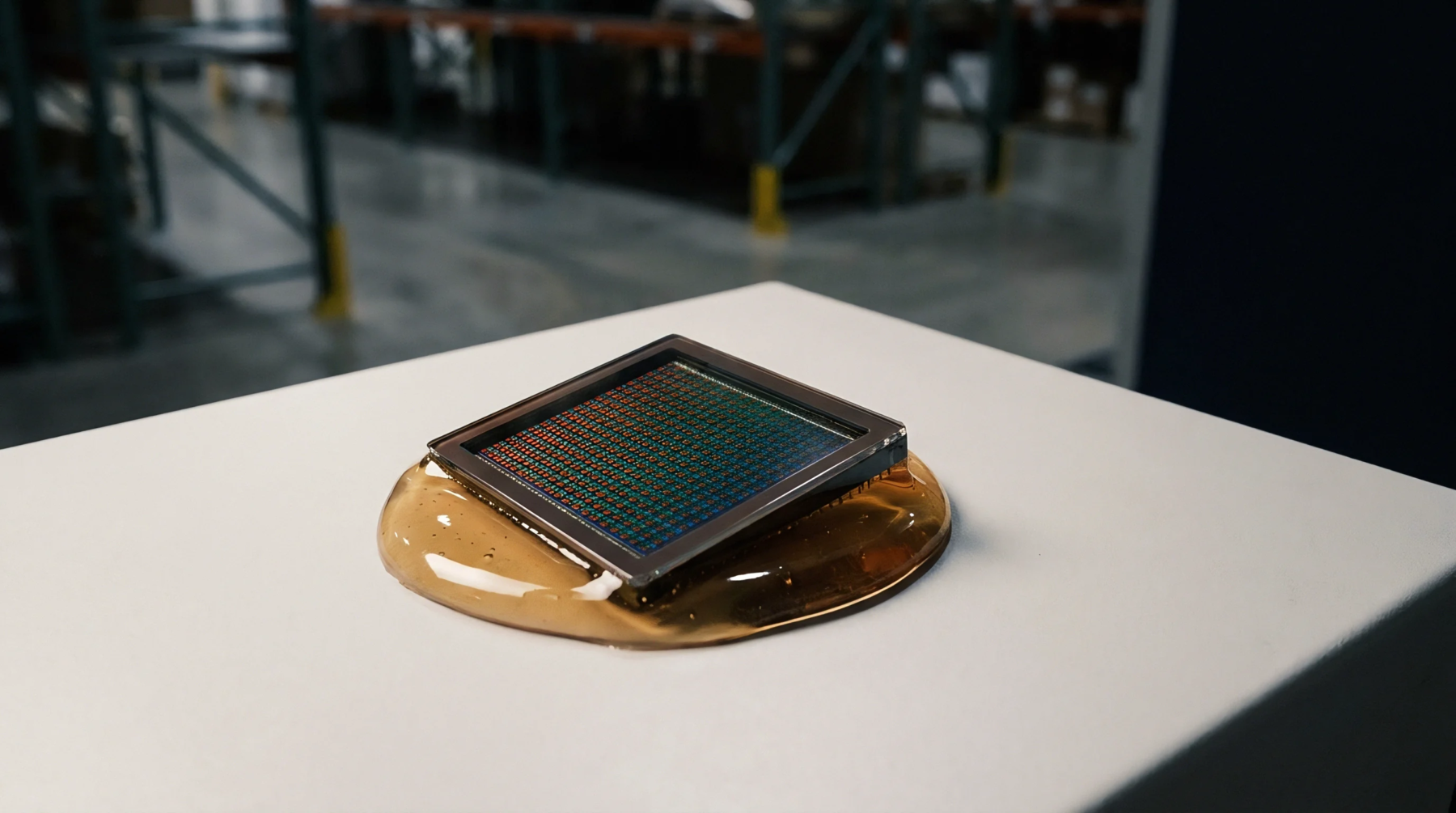
Dynamic moisture ingress into piezoresistive sensor encapsulants expands thermal hysteresis by up to 0.25% FSS, requiring humidity-conditioned calibration.

Cross-border supply disputes resolve only when contracts define referee laboratory selection, expanded uncertainty budgets, and guard-banding rules under ISO 14253-1.

Viscoelastic relaxation in organic sensor die attach adhesives causes baseline zero drift that requires thermal pre-conditioning bake cycles to stabilize.

Evaluating sensor certificates requires auditing expanded uncertainty, coverage factors, and environmental test bounds to ensure data defensibility.

Thermal expansion mismatch between silicon dies and packaging substrates generates parasitic mechanical stress, causing piezoresistive zero-point drift.

Generalized Maxwell models under cryogenic thermal ramps require Arrhenius shift functions and thermal lag compensation to accurately predict stress relaxation bounds.

High-temperature package creep redistributes interfacial strain to drive long-term sensor drift, requiring viscoplastic modeling and burn-in stabilization.

Sensor accuracy price curves scale exponentially because higher tiers demand longer thermal chuck dwell times, lower silicon yields, and guard-banded calibration.
When two laboratories return conflicting calibration values for the same sensor unit, calculate the normalized error ratio to isolate systemic lab bias from valid measurement uncertainty.
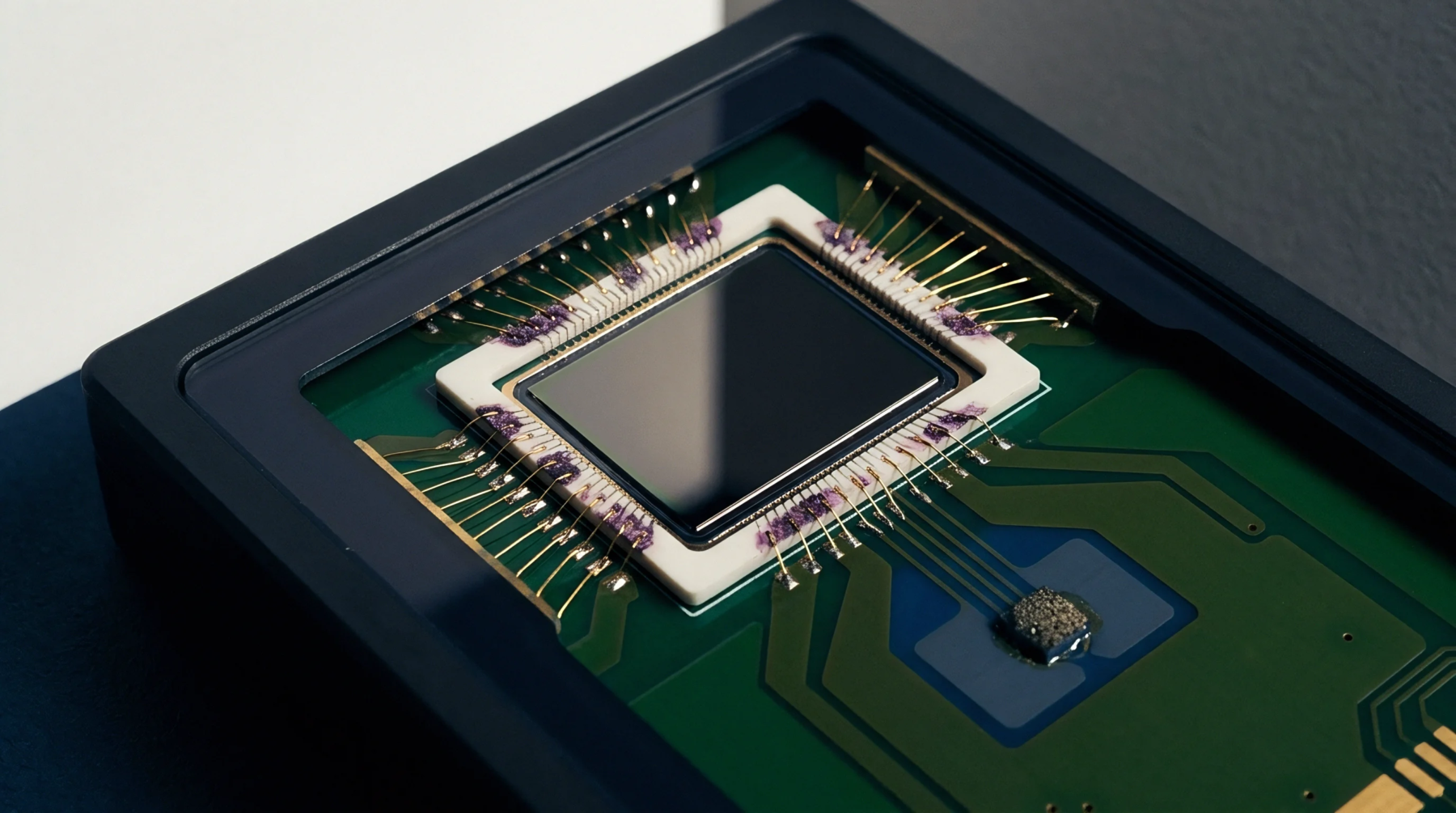
Polymeric potting stress relaxation causes time-dependent zero drift in precision transducers, requiring thermal seasoning to stabilize output baseline.

Room-temperature sensor calibrations omit outdoor thermal drift coefficients, expanding real field uncertainty far beyond published baseline claims.

Risk-adjusted calibration cycles combined with quarterly field verification reduce 5-year fleet costs by 23 percent while holding out-of-tolerance risk below 2.5 percent.

Degenerate boron doping above 5 x 1019 cm-3 bounds radiation mobility loss by saturating impurity scattering in piezoresistive elements.

Silicon pressure transducer calibration under humidity excursions requires multi-plateau RH dwells to decouple water absorption strain from pressure signals.
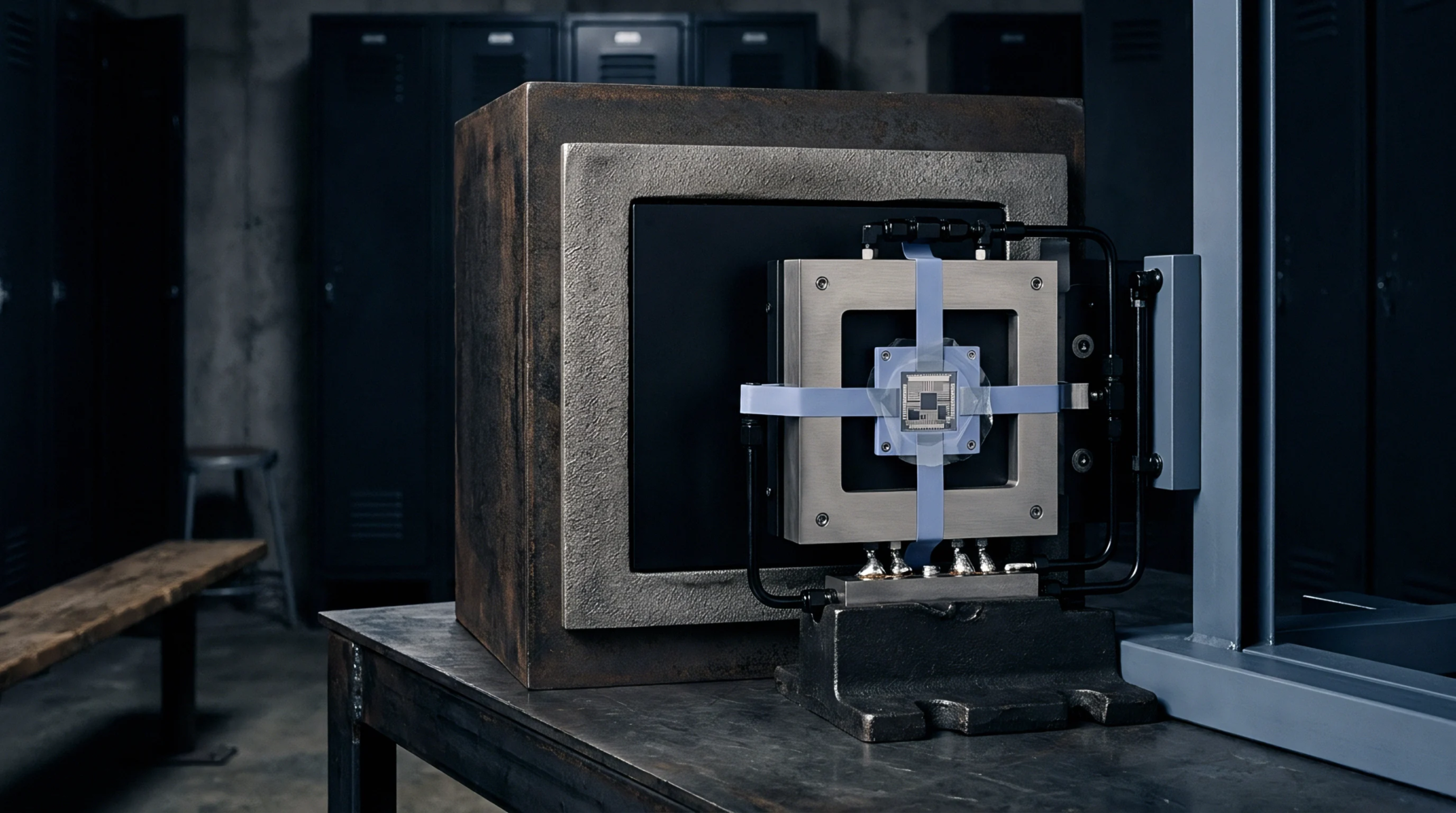
ISO/IEC 17025 uncertainty evaluation combines Type A and B inputs into expanded budgets and applies guardbanded decision rules to manage risk.

Moisture ingress causes polymer swelling that transfers mechanical strain to piezoresistive diaphragms, inducing uncompensated zero drift in non-hermetic sensors.

Automated thermal burn-in exhausts initial die-attach stresses while acoustic microscopy weeds out sub-surface voids to halt piezoresistive field drift.

Submersible sensor accuracy requires unbroken ISO 17025 traceability and pressure-thermal uncertainty budgets to prevent costly subsea deployment failures

Optimizing thermal curvature parameters requires orthogonal polynomial regression across symmetrical bath temperatures to eliminate parameter covariance errors.

Turnover temperature migration in sub-ppm resistance references systematically shifts effective thermal coefficients, accelerating drift and invalidating linear calibrations.

High-temperature MEMS micro-strain relaxation follows stretched exponential kinetics driven by Coble creep, requiring in-situ Raman verification above 400°C.

Lot acceptance for high-temperature MEMS sensors requires GUM uncertainty budgets and guardbanding to mitigate consumer risk across severe thermal envelopes.

Metrological verification of high-temperature piezoresistors requires quantified drift kinetics, four-wire thermal testing, and guardbanded uncertainty budgets.

Compositionally graded compliant interlayers and post-sputter thermal anneals eliminate residual thermal strain, preventing zero-drift in sputtered thin-film sensors.
Calibration traceability requires unbroken deadweight references, while exceeding proof pressure bounds causes unrecoverable zero drift from metallic yielding.
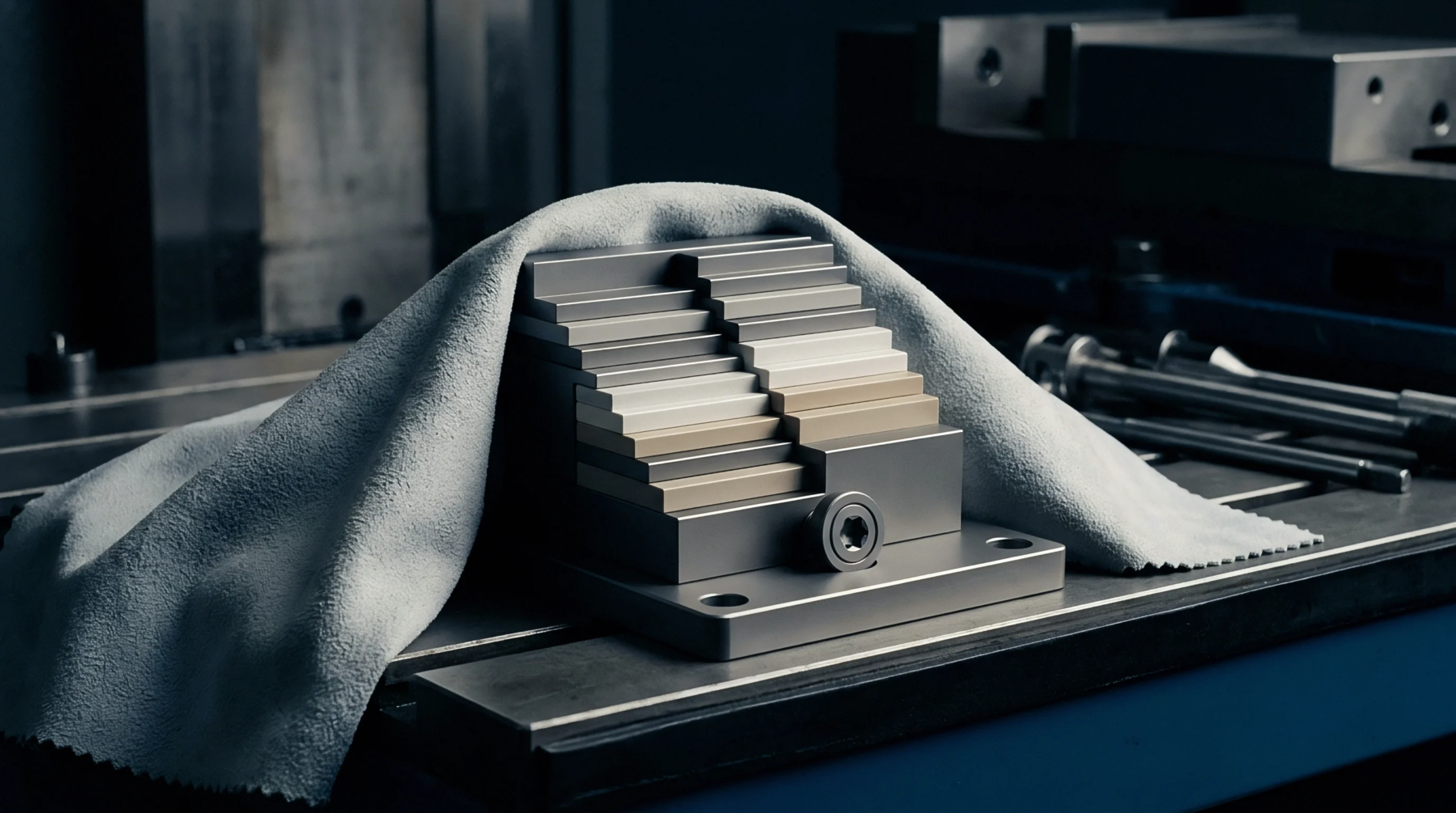
Primary deadweight piston gauge uncertainty budgeting demands rigorous mathematical coupling of effective area, pressure distortion, mass buoyancy, and clearance flow.
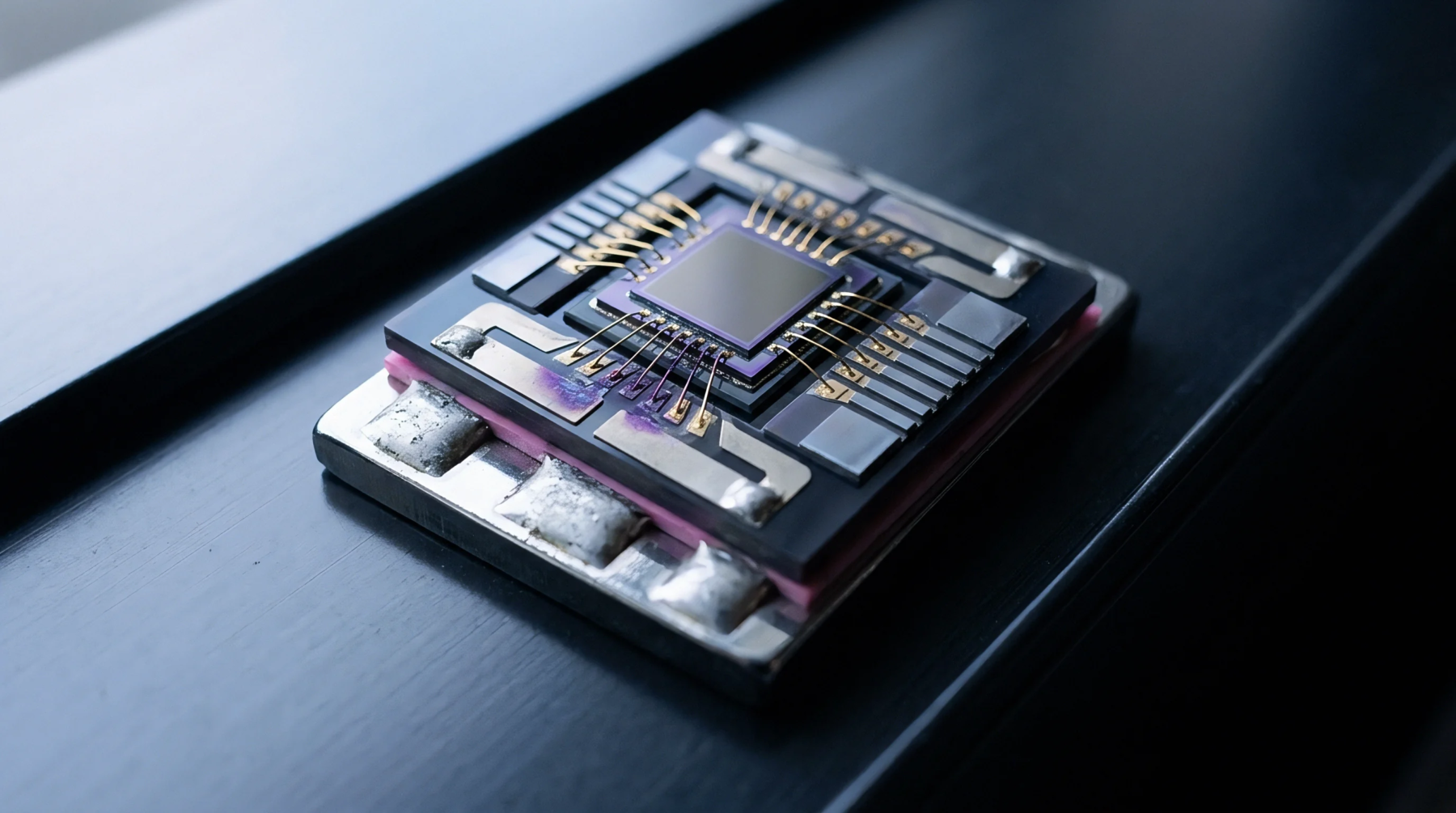
Master supply agreements enforce microelectronic acceptance by establishing guard-banded drift boundaries that partition thermal, packaging, and aging errors.
Expertise is a utility, not a secret. sentiention™ publishes its working knowledge as open reference: intelligence layer covering the materials it sources, the markets it enters, and the reference that serves both.