Resin Composition
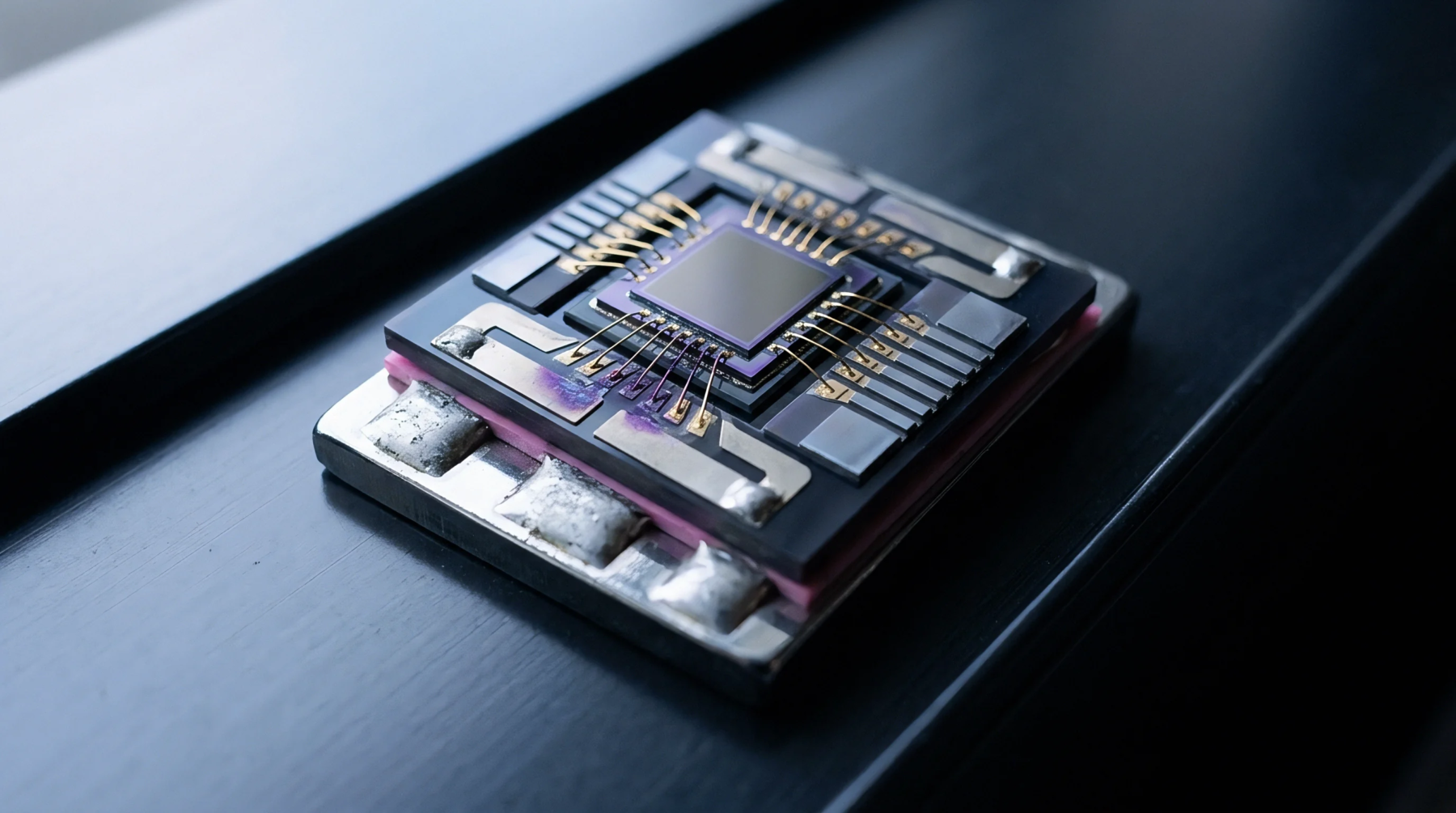
Thermosetting resin system used in the fabrication of high-reliability printed circuit board substrates. Modern bismaleimide-triazine blends combine bismaleimide monomers with cyanate esters to create a highly cross-linked molecular network. The structure provides the mechanical rigidity necessary for high-density interconnect applications.
Material properties remain stable over a wide temperature range.
Thermal Behavior
High glass transition temperatures define the environmental tolerance of these laminates. While standard epoxy systems may soften at lower thresholds, bismaleimide-triazine typically maintains its structural modulus well beyond 200 degrees Celsius. The stability prevents z-axis expansion during multi-stage soldering processes.
Low expansion coefficients reduce the stress on plated through holes.
Dielectric Performance
Insulation characteristics determine the suitability of the material for high-frequency signal transmission. The bismaleimide-triazine chemistry results in a low dissipation factor and a stable dielectric constant across varying moisture levels. Attribute stability minimizes signal loss and phase distortion in microwave circuits.
Reliable electrical performance depends on the precise ratio of resin to glass reinforcement.
Fabrication Limit
Drilling requirements differ from standard epoxy-glass materials due to the increased brittleness of the cured resin. Because bismaleimide-triazine is harder than fr-4, tool wear occurs more rapidly and necessitates frequent bit changes to maintain hole quality. Desmear cycles also require adjustment to ensure proper adhesion of copper plating to the resin sidewalls.
Chemical resistance varies by manufacturer and specific resin formulation. Precision control of the curing profile is required to prevent internal delamination. Surface preparation before lamination must be executed with extreme care to avoid contamination.