
Accreditation Scope as the Line between a Certificate and a Printout
An ISO/IEC 17025 logo proves accreditation only for parameters and ranges explicitly listed on the laboratory active schedule of scope.
An ISO/IEC 17025 logo proves accreditation only for parameters and ranges explicitly listed on the laboratory active schedule of scope.

Variable acceptance sampling under ANSI ASQ Z1.9 reduces sample size by 70 percent while enforcing strict consumer risk bounds on transducer lot audits.
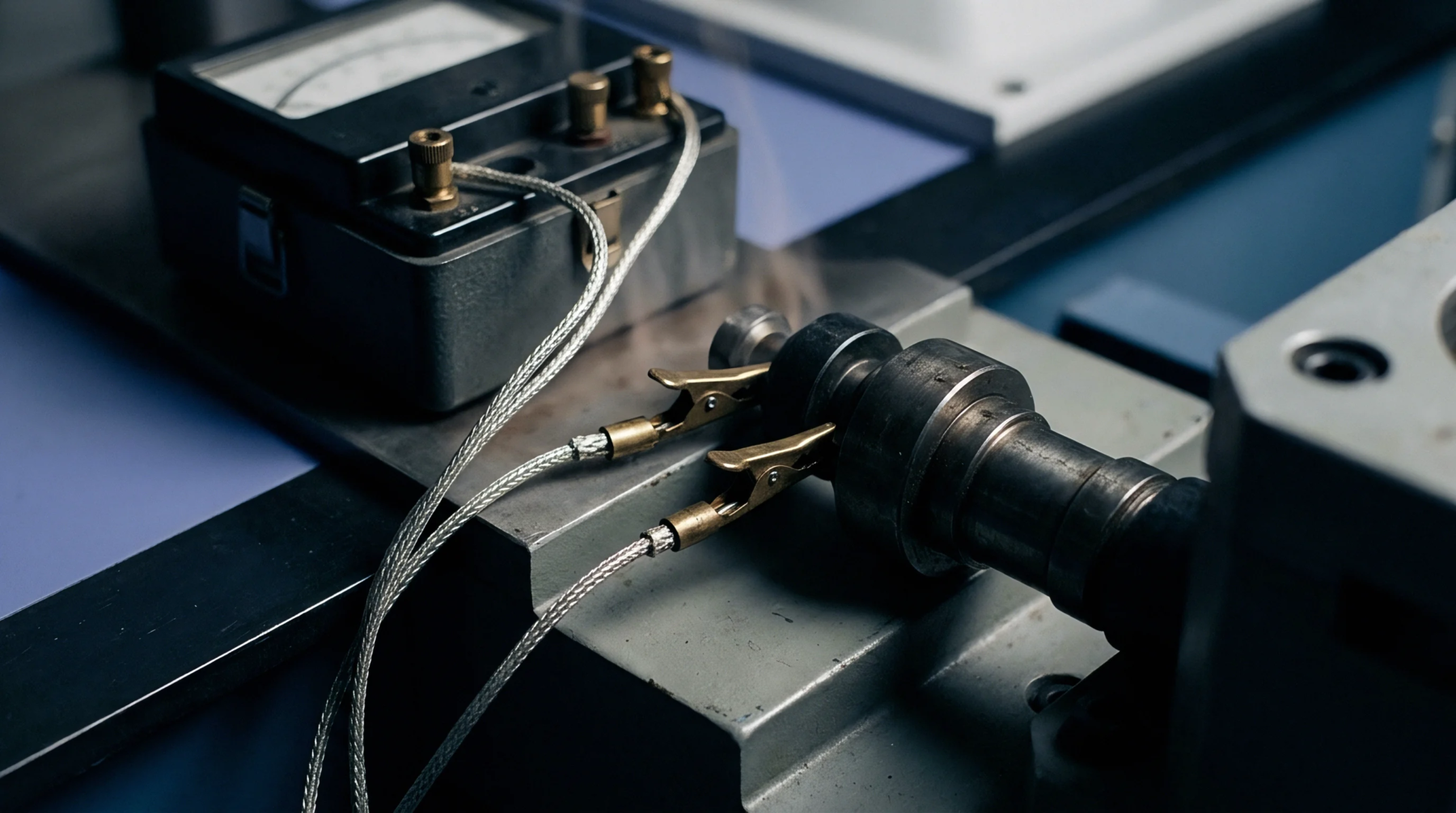
Unbudgeted sensor thermal settling times and hysteresis generate severe measurement errors, demanding mandatory package-level soak protocols to preserve field accuracy.

Cross-border supply disputes resolve only when contracts define referee laboratory selection, expanded uncertainty budgets, and guard-banding rules under ISO 14253-1.

Evaluating sensor certificates requires auditing expanded uncertainty, coverage factors, and environmental test bounds to ensure data defensibility.

Sensor accuracy price curves scale exponentially because higher tiers demand longer thermal chuck dwell times, lower silicon yields, and guard-banded calibration.
When two laboratories return conflicting calibration values for the same sensor unit, calculate the normalized error ratio to isolate systemic lab bias from valid measurement uncertainty.

Calibration maps sensor error against traceable standards, while drift stems from physical aging, mechanical strain, and environmental stress over time.

Calculating normalized error scores isolates facility bias from measurement noise by evaluating raw offsets against combined expanded uncertainties.
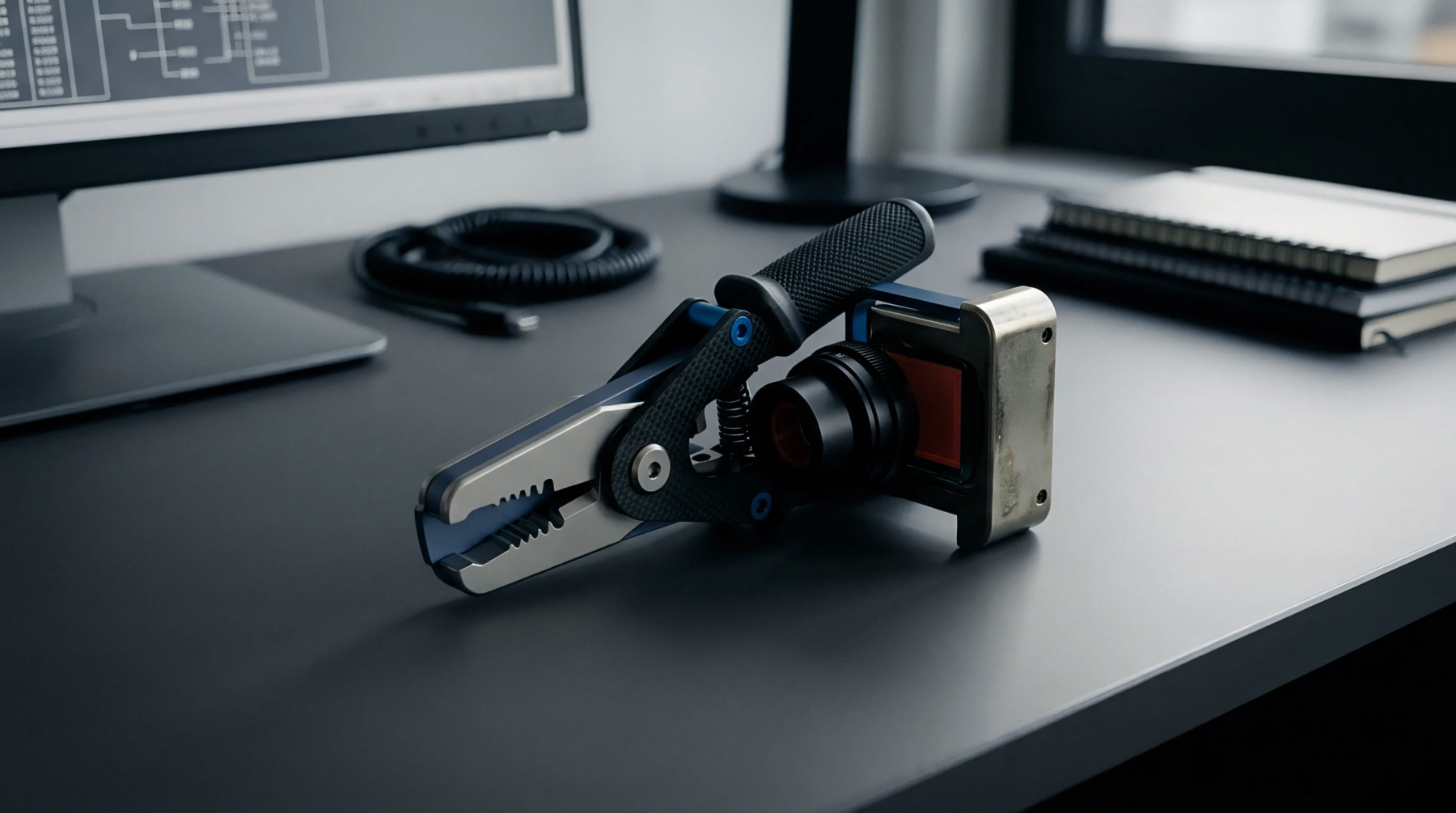
Dynamic atmospheric humidity alters gel swelling stress and dielectric passivation properties in piezoresistive sensors, driving measurable zero baseline drift.

Room-temperature sensor calibrations omit outdoor thermal drift coefficients, expanding real field uncertainty far beyond published baseline claims.

Risk-adjusted calibration cycles combined with quarterly field verification reduce 5-year fleet costs by 23 percent while holding out-of-tolerance risk below 2.5 percent.
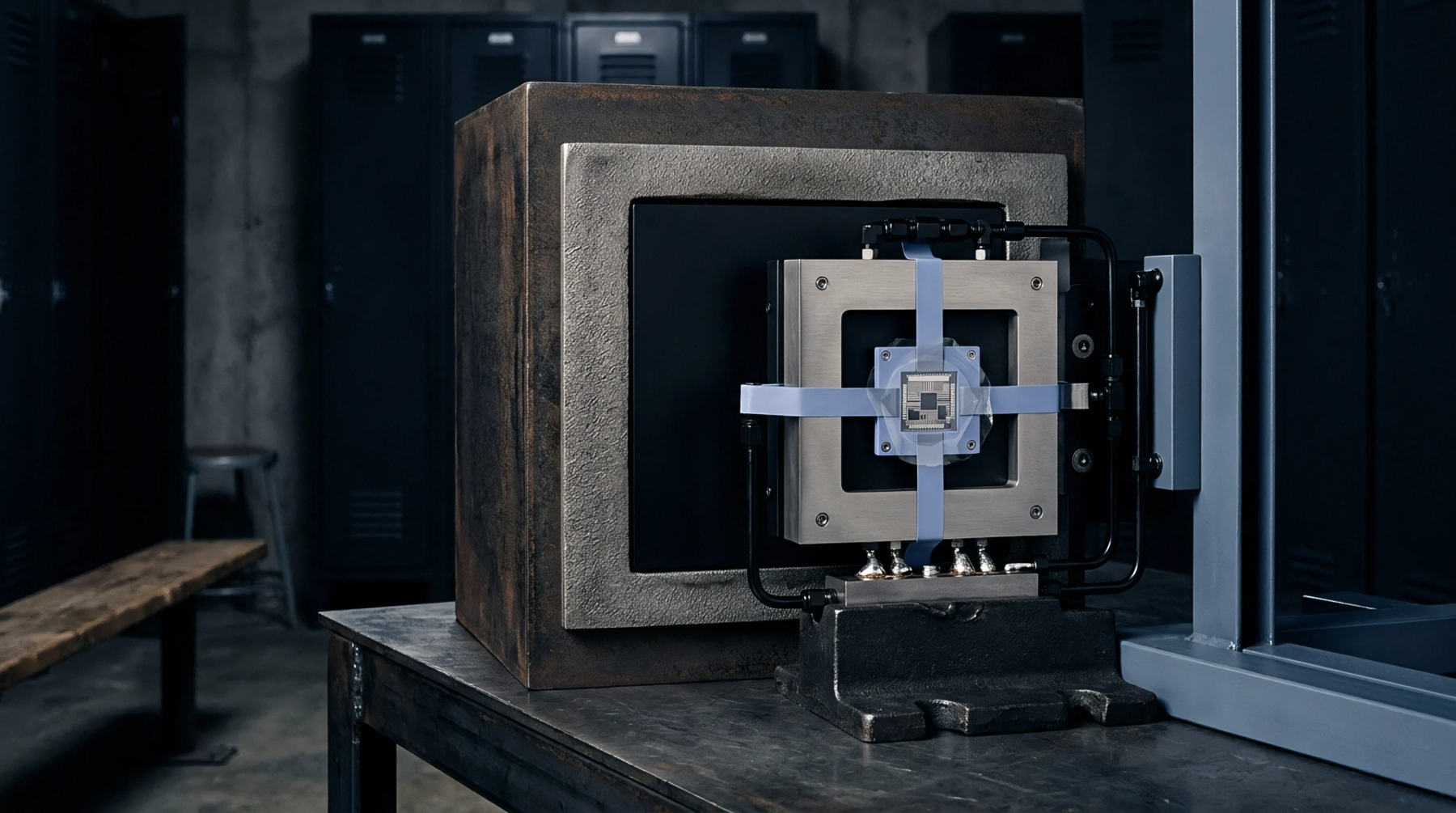
ISO/IEC 17025 uncertainty evaluation combines Type A and B inputs into expanded budgets and applies guardbanded decision rules to manage risk.
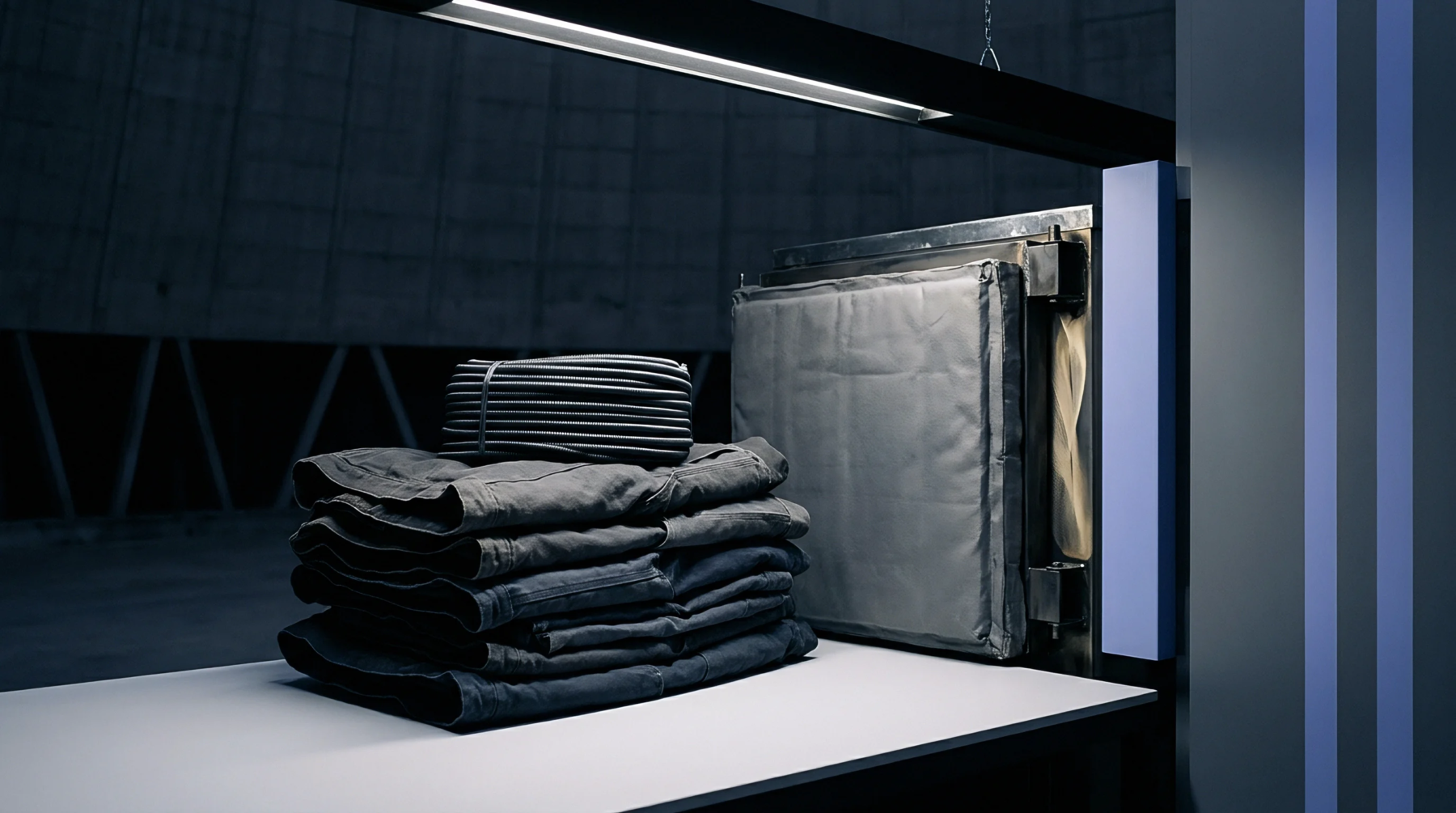
Automated thermal burn-in exhausts initial die-attach stresses while acoustic microscopy weeds out sub-surface voids to halt piezoresistive field drift.

Submersible sensor accuracy requires unbroken ISO 17025 traceability and pressure-thermal uncertainty budgets to prevent costly subsea deployment failures
Ambient thermal calibration demands fitting parabolic alloy coefficients and correcting thermoelectric offsets to bound resistance drift under operational swings.

Lot acceptance for high-temperature MEMS sensors requires GUM uncertainty budgets and guardbanding to mitigate consumer risk across severe thermal envelopes.

Metrological verification of high-temperature piezoresistors requires quantified drift kinetics, four-wire thermal testing, and guardbanded uncertainty budgets.

Dynamic thermal cycling induces non-linear piezoresistive hysteresis that demands dynamic gradient tracking and second-order surface compensation models.
Calculate sensor burn-in time by dividing equivalent operating hours at the infant drift inflection point by the temperature-derived Arrhenius acceleration factor.

Wafer trim establishes initial sensor accuracy classes, but package stress and thermal drift determine field performance and calibration costs.
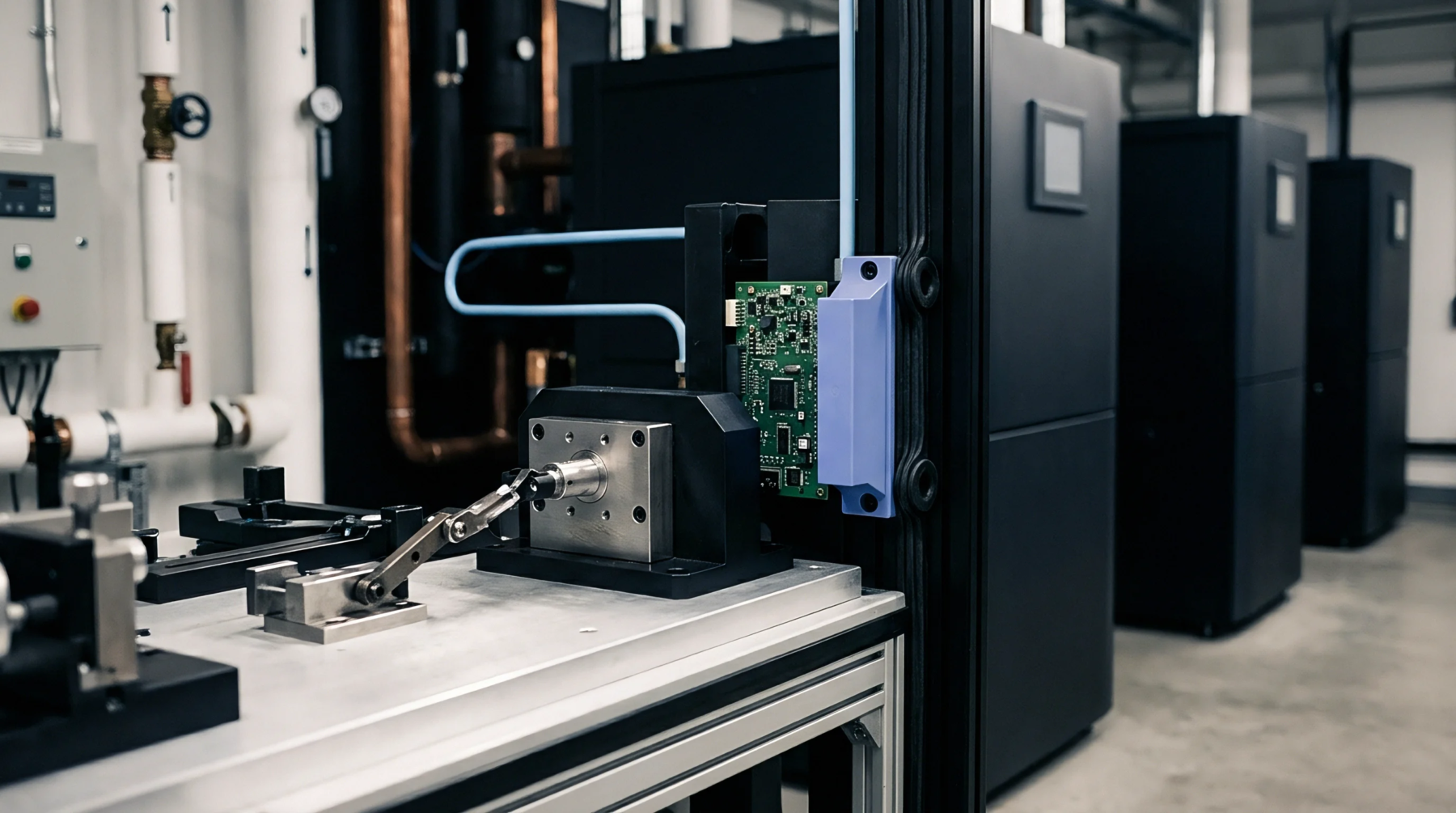
Reconciling divergent calibration certificates requires auditing lab scopes, matching test conditions, and computing normalized error ratios before retesting.
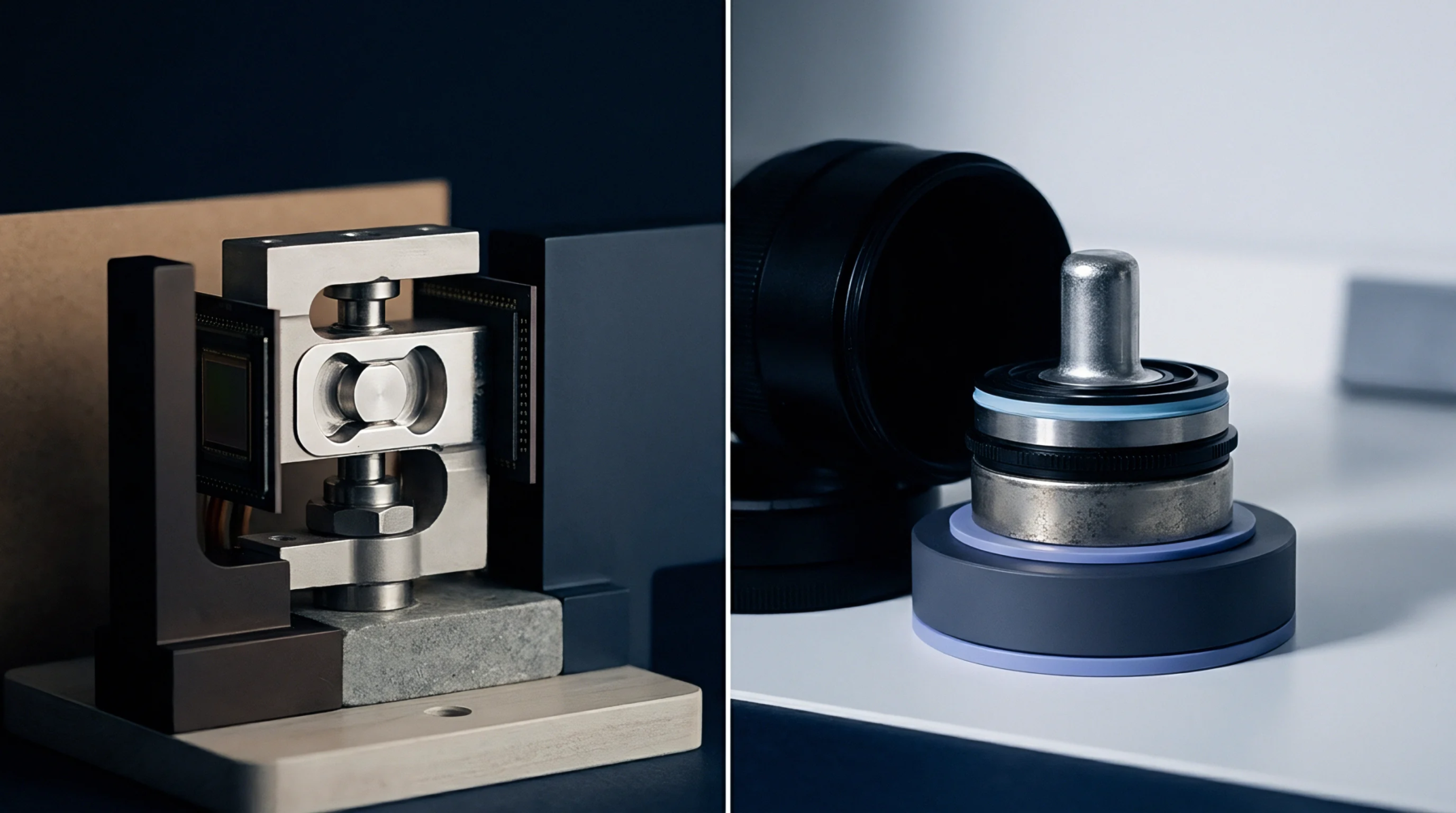
A structured transducer intake bench verifies zero balance, insulation resistance, and multi-point span accuracy against calibrated reference standards.

Calibration traceability requires unbroken deadweight references, while exceeding proof pressure bounds causes unrecoverable zero drift from metallic yielding.
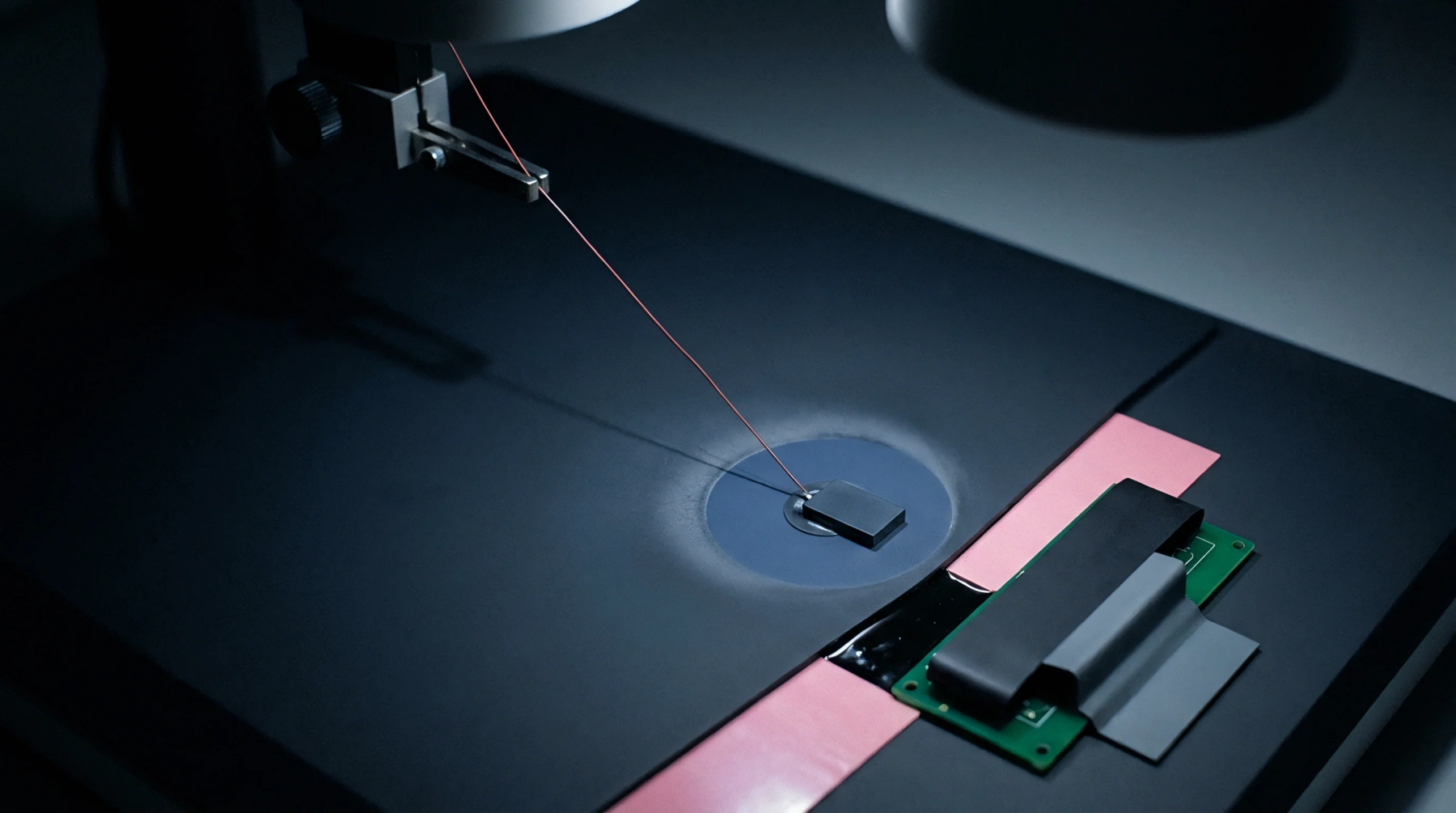
Quantifying test uncertainty and parametric drift through guardbanding and thermal acceleration equations prevents field returns and secures accurate component tolerances.
Establishing pressure traceability requires calculating complete uncertainty budgets and enforcing accredited test ratios to prove sensor claims.
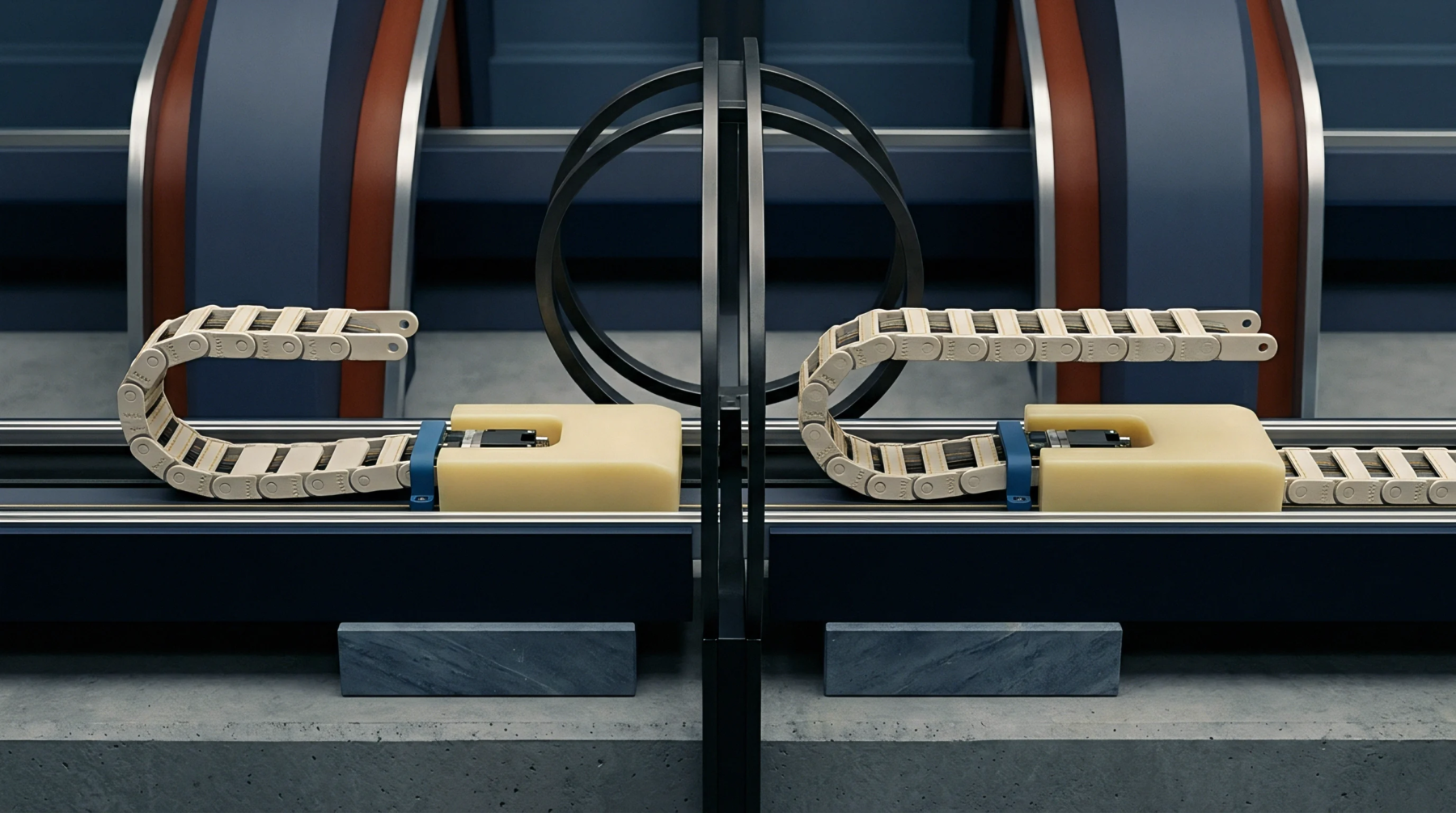
Generalized Prandtl-Ishlinskii play operators linearize directional thermal hysteresis loops, cutting transducer calibration uncertainty from 90 mK down to 13 mK.
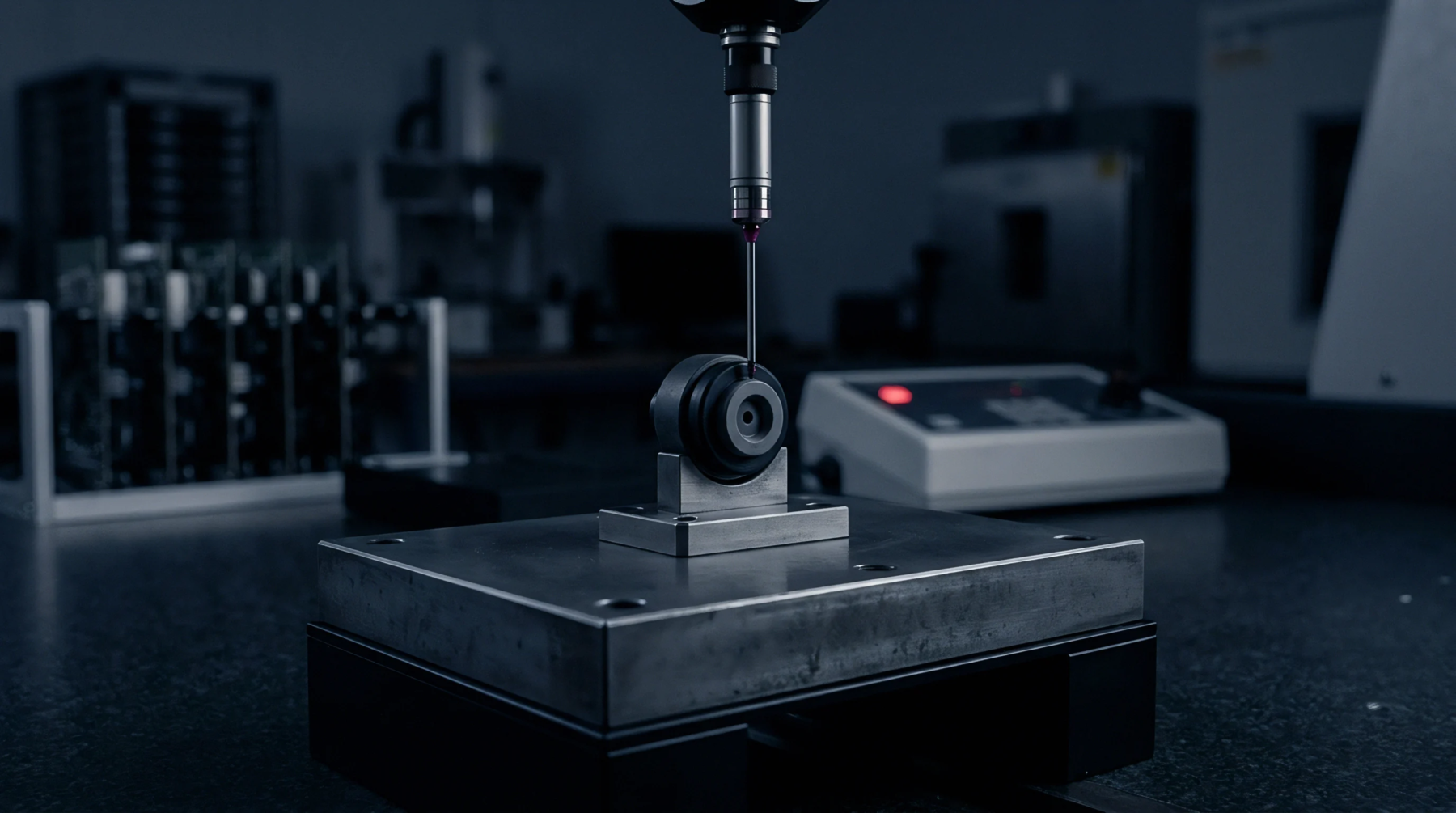
Dynamic thermal gradients in field transfer standards expand calibration uncertainty, requiring calculated ramp lag and axial conduction additions.

Controlled high-temperature bake schedules accelerate viscoelastic strain relaxation in die-attach adhesives to suppress long-term zero drift.

Dynamic thermal cycling accelerates nonlinear polymer matrix stress decay, eroding clamping preloads and driving sensor zero-point drift.
Expertise is a utility, not a secret. sentiention™ publishes its working knowledge as open reference: intelligence layer covering the materials it sources, the markets it enters, and the reference that serves both.