Silicon Sensor Die Strain Stabilization Thermal Bake Schedules
Controlled high-temperature bake schedules accelerate viscoelastic strain relaxation in die-attach adhesives to suppress long-term zero drift.
Oven
Thermal Conditioning Architecture for Piezoresistive Dies
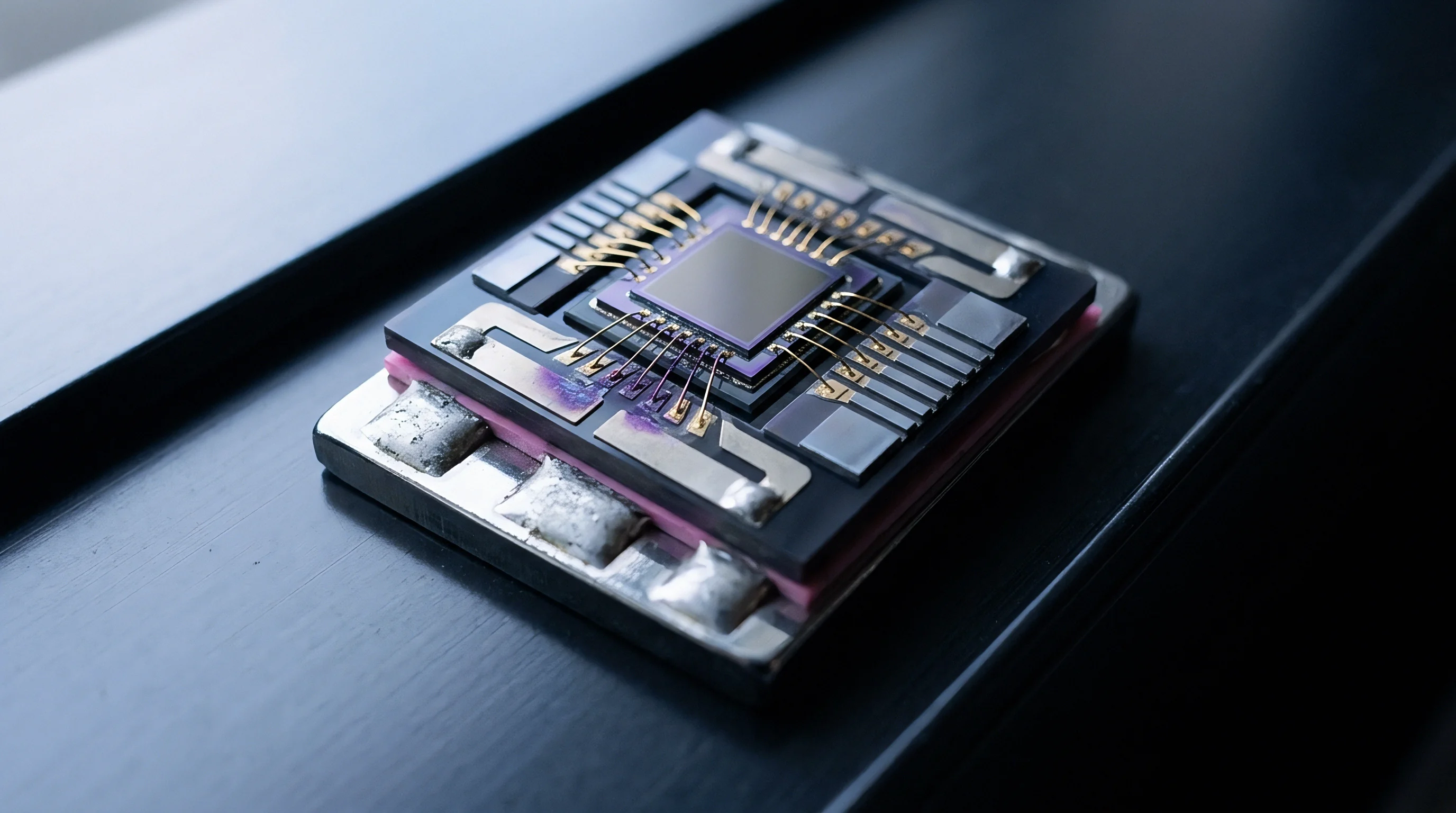
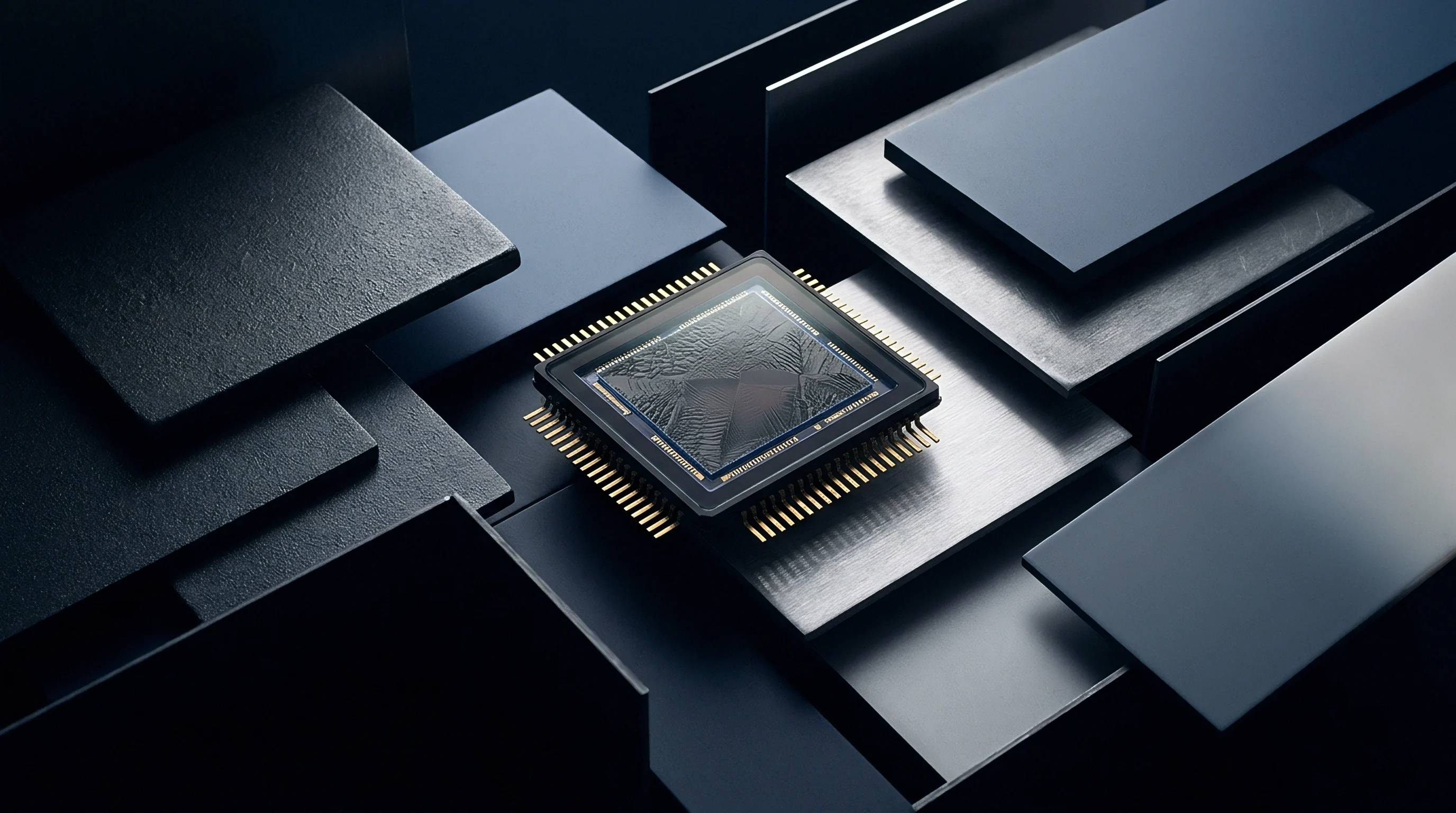
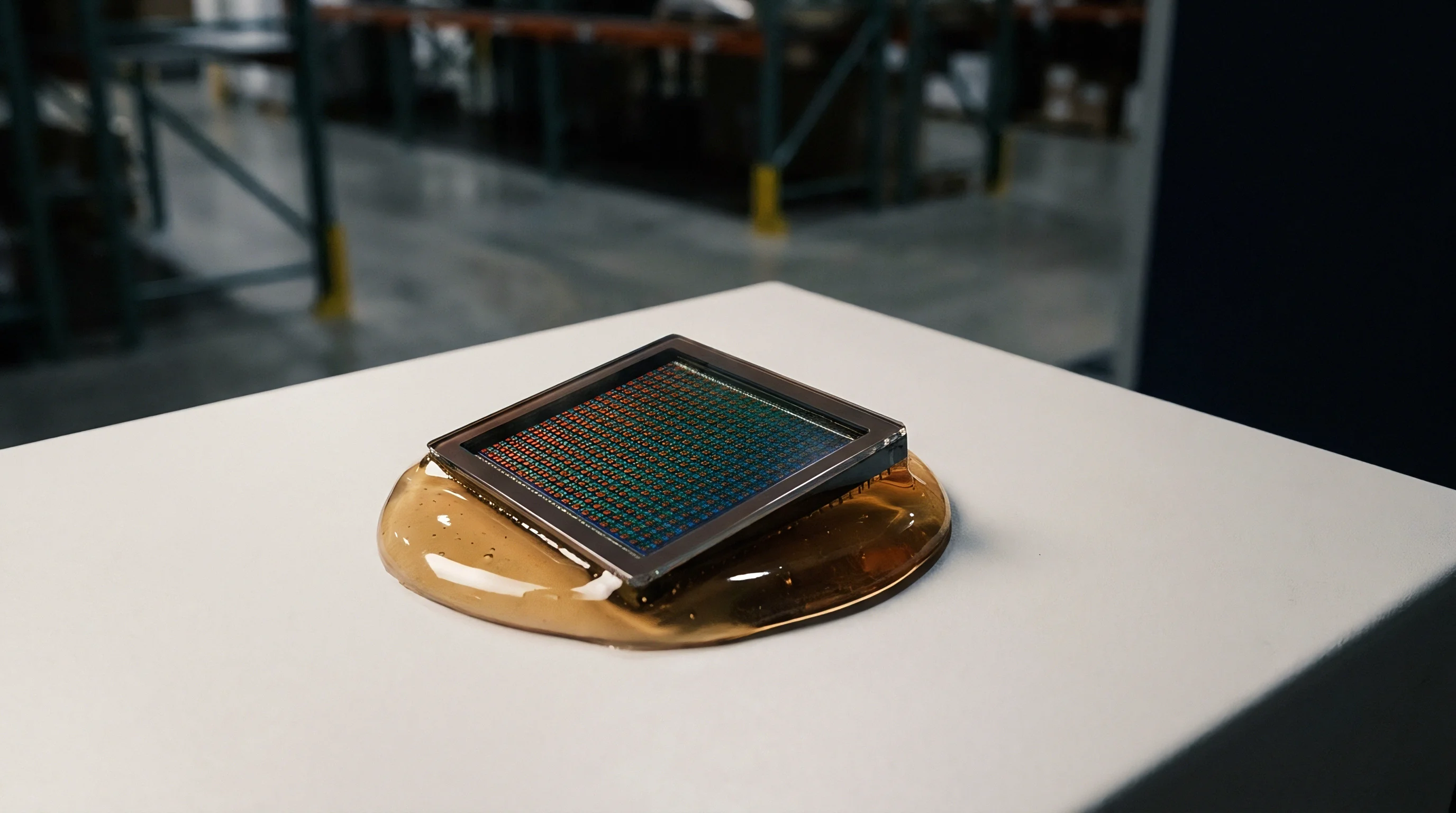
Silicon sensor dies packaged with polymeric adhesives experience mechanical packaging stress that shifts zero-point offset voltages and span coefficients over time. Post-die-attach thermal stabilization accelerates the relaxation of these residual shear stresses before the primary calibration sequence begins. When an unbaked piezoresistive pressure die leaves assembly, room-temperature curing leaves cross-linking networks in a state of high non-equilibrium chemical potential.
A bare silicon diaphragm exhibits piezoresistive coefficients sensitive to microstrain variations on the order of parts per billion. The differential thermal expansion between single-crystal silicon (2.6 parts per million per Kelvin) and typical substrate alumina (6.5 parts per million per Kelvin) introduces interfacial shear stresses across the bonding layer. Without elevated thermal exposure, these stresses relax over thousands of operating hours under ambient conditions, producing continuous baseline wander.
Unbaked piezoresistive pressure cells exhibit baseline wander exceeding three percent of span during their first year in service.
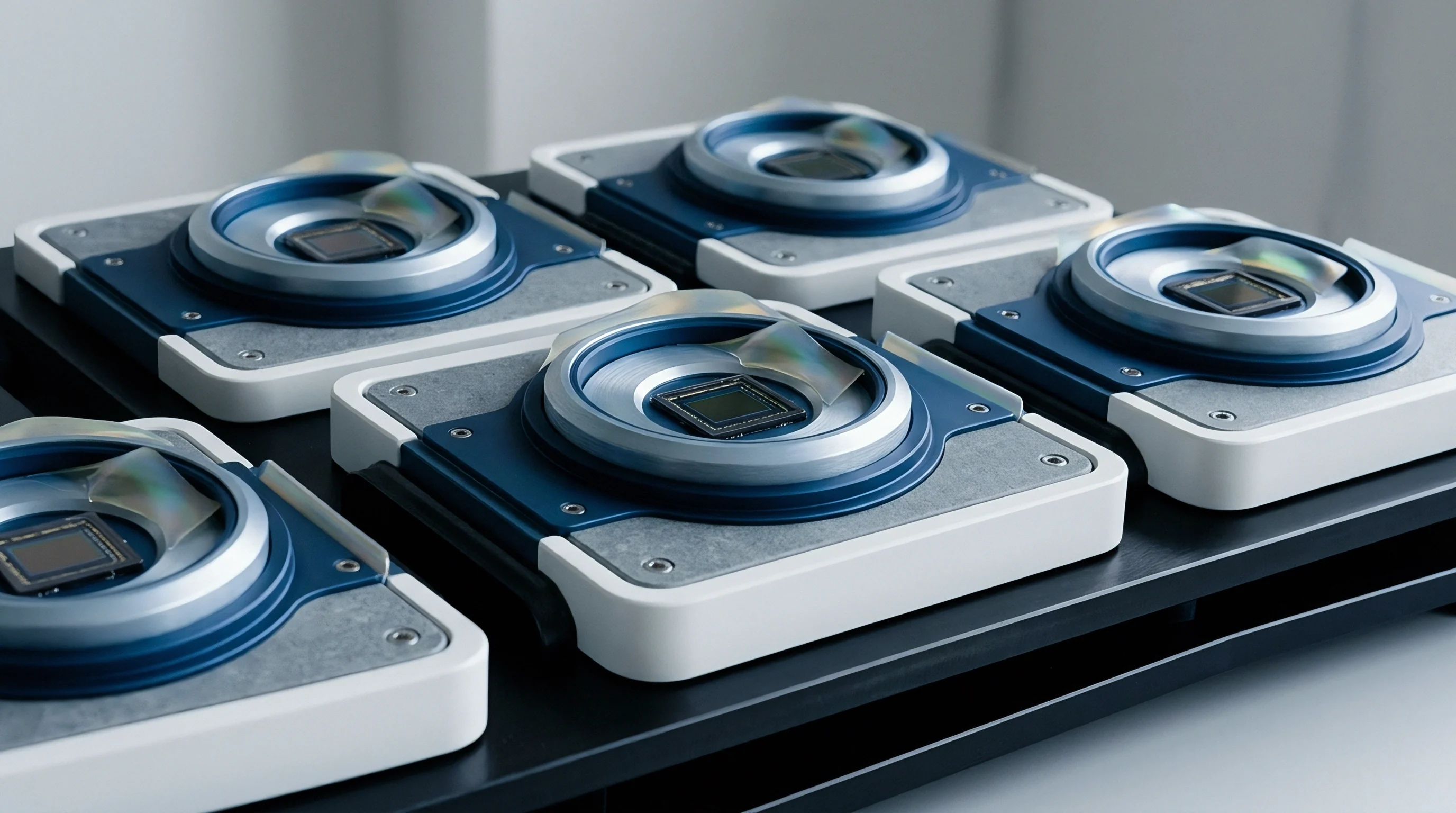
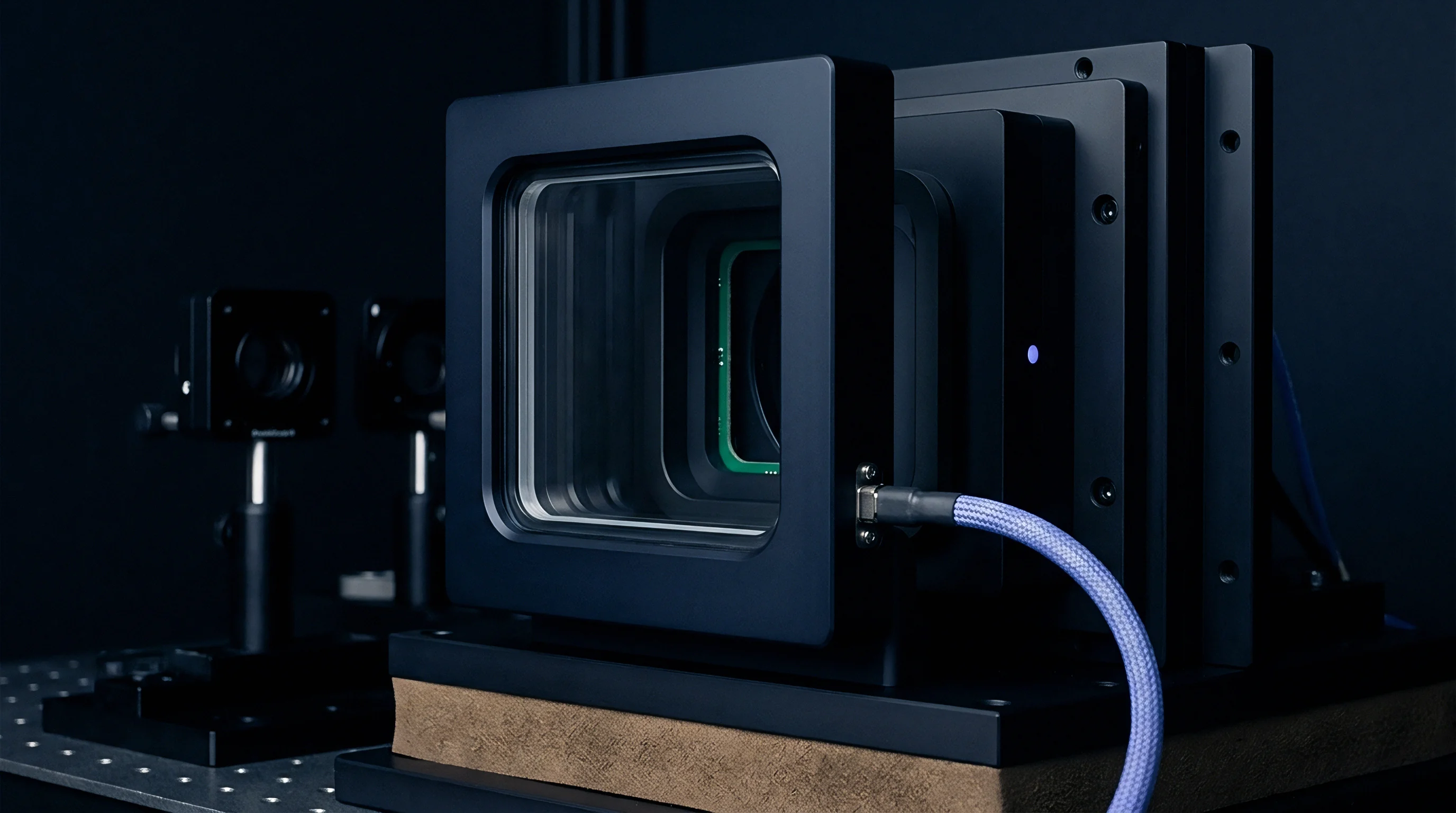
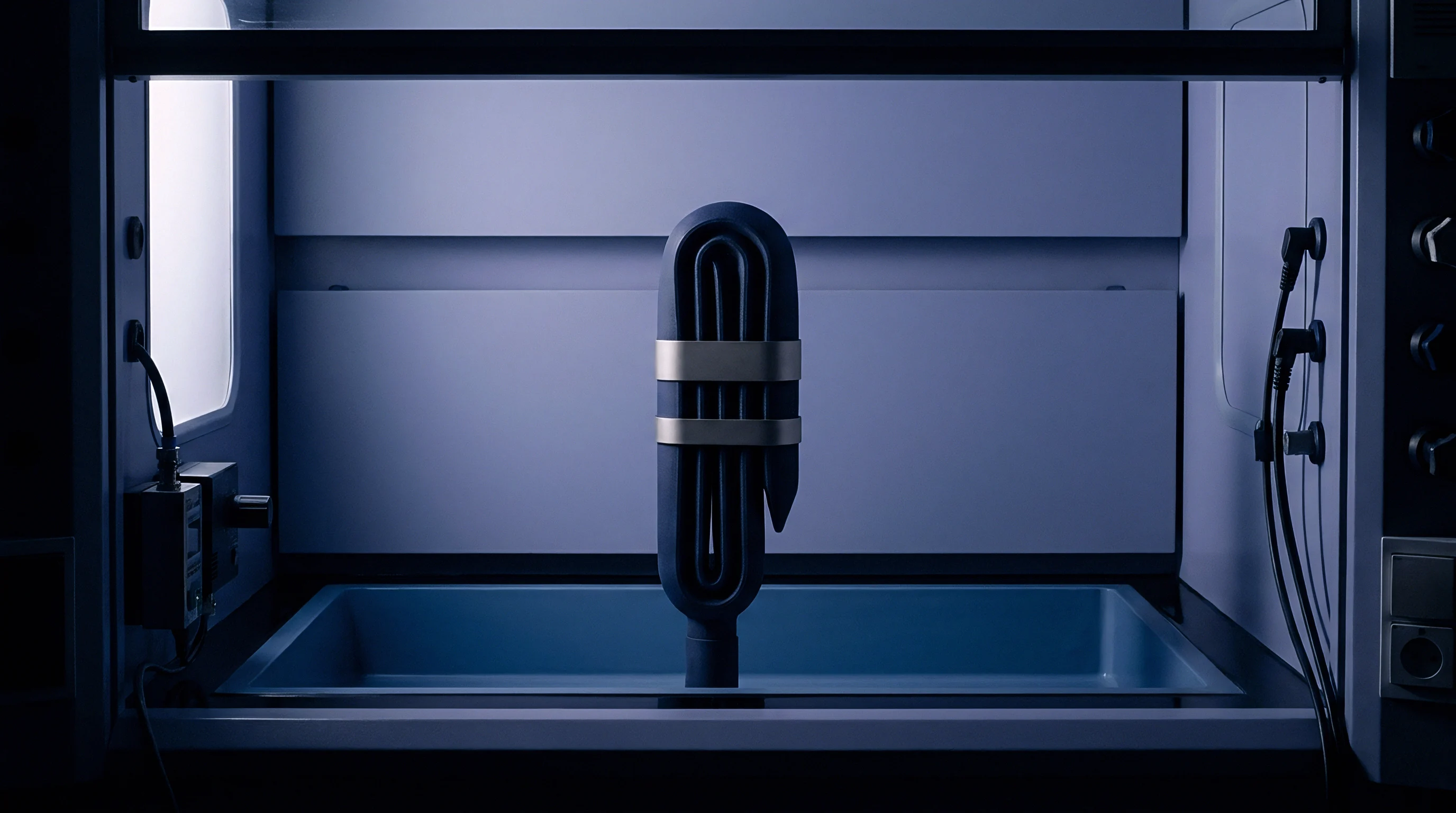
The stabilization schedule transfers activation energy to the cross-linked polymeric matrix, compressing months of ambient visco-elastic settlement into controlled thermal cycles. Nitrogen-purged convection ovens or vacuum bake chambers prevent surface oxidation of wire bonds and piezoresistor metallization pads during prolonged exposure at temperatures between 125 degrees Celsius and 175 degrees Celsius.
| Die Geometry and Transduction | Substrate Interface | Bake Temperature Profile | Dwell Duration | Target Residual Stress |
|---|---|---|---|---|
| Micromachined Piezoresistive Diaphragm | Anodic Bonded Borosilicate Glass | 150 degrees Celsius isothermal | 96 hours | Below 0.8 Megapascals |
| Surface Micro-fused Resonant Beam | Silicon Interposer Carrier | 125 degrees Celsius isothermal | 48 hours | Below 0.3 Megapascals |
| Capacitive Absolute Pressure Cell | Direct Copper Bonded Ceramic | 165 degrees Celsius stepped | 72 hours | Below 1.2 Megapascals |
| Thermal Flow MEMS Island | Liquid Crystal Polymer Leadframe | 110 degrees Celsius isothermal | 120 hours | Below 0.5 Megapascals |
The process window remains constrained by the thermal decomposition threshold of the organic adhesive and the metallurgical boundaries of wire-bond intermetallics. Exceeding 180 degrees Celsius risks gold-aluminum Kirkendall void formation at the bond pads, while under-baking leaves residual stress fields that warp the piezoresistor bridge during initial field deployment.
Anneal
Viscoelastic Relaxation Kinetics
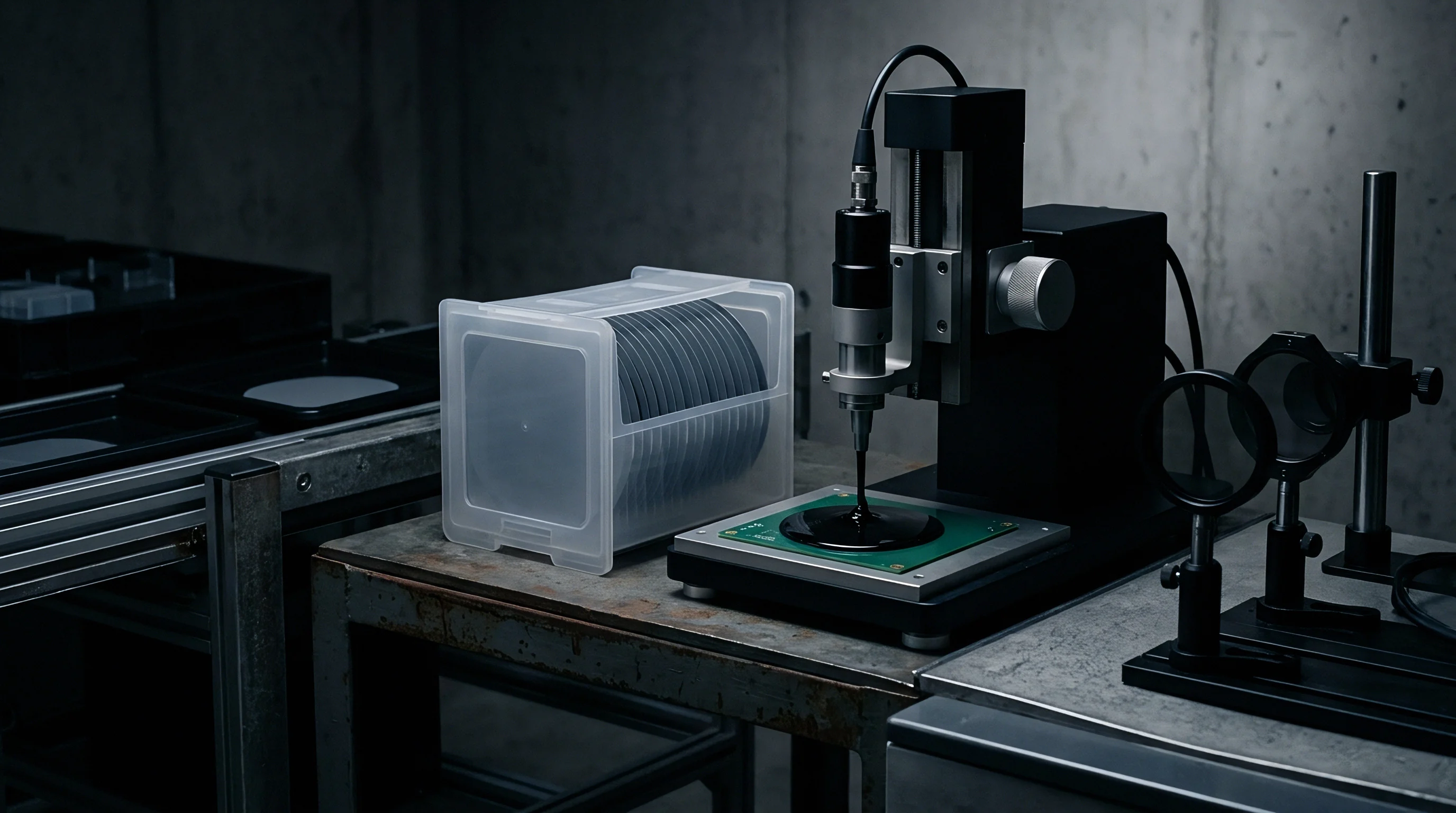
Stress decay in polymer die-attach layers follows a dual-regime relaxation profile governed by the Kohlrausch-Williams-Watts stretched exponential function. The initial high-rate decay represents short-range conformational adjustments of polymer chain segments. The subsequent secondary regime involves cooperative rearrangements over extended macromolecular domains, requiring substantially higher activation energies.
Arrhenius modeling defines the relationship between the bake temperature, soak duration, and the resulting acceleration factor for stress relaxation. For typical conductive epoxy formulations, the apparent activation energy ranges between 0.85 electron-volts and 1.15 electron-volts. A process engineer calculates the required dwell time at an elevated temperature to match the equivalent relaxation achieved after two years at 25 degrees Celsius.
Adhesive formulations with activation energies above one electron-volt demand elevated soak schedules to clear early relaxation regimes.
The acceleration factor calculations establish predictable throughput benchmarks across fabrication lines:
- Temperature Acceleration Factor yields the proportional reduction in stabilization time achieved when operating at 150 degrees Celsius versus nominal reference baseline conditions.
- Equilibrium Plateau Assessment determines the minimum dwell time past which additional thermal exposure yields less than ten parts per million in offset voltage stability improvement.
- Thermal Ramp Rate Restriction prevents the introduction of transient thermal gradient stresses across the silicon bulk by constraining rates to two degrees Celsius per minute.
Stepped thermal profiles mitigate localized delamination caused by outgassing volatile components. Raising the oven temperature in twenty-degree increments allows solvent traces to escape before the adhesive passes its secondary glass transition point.
Polymer
When Does Piezoresistive Zero Drift Stabilize?
Equilibrium in polymeric stress relief occurs when the rate of mechanical relaxation falls below the intrinsic long-term drift floor of the silicon crystal lattice. In high-purity float-zone silicon, intrinsic structural aging remains negligible below 200 degrees Celsius. Packaging-induced drift dominates total instrument uncertainty across the operational lifespan.
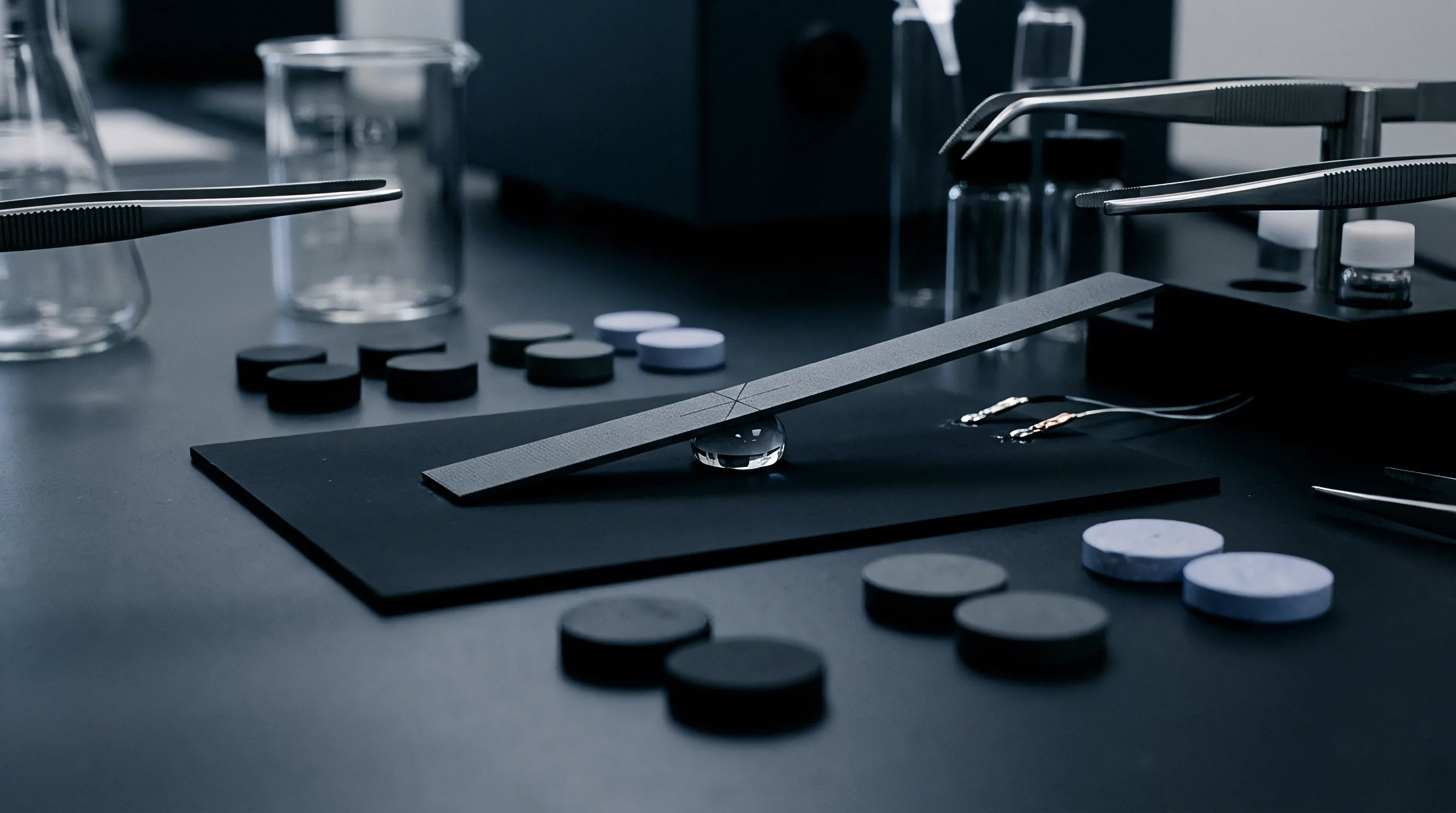
Unfilled silicone adhesives demonstrate lower elastic modulus values (1 to 5 Megapascals) than silver-filled epoxies (5 to 10 Gigapascals), but their moisture absorption kinetics introduce long-term cyclical drift. Epoxy formulations offer rigid mechanical coupling necessary for dynamic sensor response, yet they exhibit higher initial cure shrinkage, reaching volumetric contraction levels up to four percent.
A soft elastomeric die-attach isolates thermal mismatch but broadens long-term mechanical hysteresis under sustained pressure cycling.
The interaction between bake temperature, glass transition temperature, and long-term zero drift determines the stability baseline:
- Sub-Tg Conditioning maintains the adhesive below its glass transition state to preserve the polymer chain topology established during initial curing.
- Supra-Tg Reorganization heats the adhesive twenty degrees above the glass transition point to accelerate molecular disentanglement, followed by controlled cooling at one degree per minute.
- Cryogenic Thermal Snapping exposes the assembly to minus 40 degrees Celsius for four hours to shake out residual mechanical pinning sites before final trimming.
Sourcing engineers verify that the adhesive glass transition temperature sits at least thirty degrees Celsius above the maximum specified operating temperature. Failure to enforce this margin allows the polymer to enter a rubbery phase in high-temperature applications, resetting the stabilization history and inducing fresh baseline shifts.
Matrix
Uncertainty Budget and Calibration Reproducibility
Metrological traceability for calibrated silicon dies requires isolating mounting strain from the applied physical measurand. If residual strain relaxation occurs concurrently with sensor calibration, the resulting calibration coefficients describe a transient physical state. The laboratory error budget must quantify the drift component alongside pressure balance uncertainty and electrical measurement tolerance.
| Source of Uncertainty | Standard Uncertainty (Microvolts) | Probability Distribution | Sensitivity Coefficient | Uncertainty Contribution (Microvolts) |
|---|---|---|---|---|
| Primary Pressure Reference Standard | 1.20 | Normal (k = 2) | 1.00 | 0.60 |
| Digital Multimeter Voltage Resolution | 0.45 | Rectangular | 1.00 | 0.26 |
| Oven Thermal Gradient Stability | 0.80 | U-Shaped | 0.75 | 0.60 |
| Adhesive Post-Bake Residual Drift (24h) | 2.10 | Rectangular | 1.00 | 1.21 |
| Die Attach Bond Thickness Variation | 1.50 | Normal (k = 1) | 0.40 | 0.60 |
| Combined Expanded Uncertainty (k = 2, 95% Confidence): 3.12 Microvolts across a 100-Millivolt Full Scale Span. | ||||
The post-bake residual drift contribution forms the single largest line item in the initial uncertainty model. When the thermal stabilization cycle runs for 96 hours rather than 24 hours, this drift contribution contracts from 1.21 microvolts down to 0.18 microvolts. The total expanded uncertainty decreases by nearly thirty percent, allowing tighter factory guard-banding and improved field interchangeability.
A complete acceptance protocol requires incoming verification batches to undergo zero-point monitoring across a seventy-two-hour stabilization hold. If the average zero-shift across twenty sample units exceeds 0.05 percent of full-scale output per day, the entire lot returns to the stabilization ovens for extended conditioning.
Ledger

Commercial Trade-Offs and Yield Economics
Extended thermal conditioning consumes significant energy and ties up capital in cleanroom bake capacity. Production managers balance the cost of floor-space footprint and electrical utility overhead against the financial liability of field drift warranty claims. A 120-hour stabilization cycle increases work-in-progress inventory holding costs by twenty-two percent compared to a fast 24-hour bake.
Consider a production run of 50,000 piezoresistive sensor elements destined for industrial process monitoring. A 24-hour bake at 125 degrees Celsius yields an estimated two-year warranty failure rate of 4.2 percent due to baseline wander exceeding customer limits. Extending the thermal bake to 96 hours at 150 degrees Celsius lowers the projected return rate to 0.3 percent.
Reworking failed field units in industrial control loops averages eighty times the initial manufacturing assembly cost. The amortized cost of running continuous convection bake capacity accounts for pennies per unit, whereas a field recall event rapidly consumes operating margins. Procuring organizations stipulate documented stabilization schedules inside supply agreements to enforce production discipline.