Permeation Limit
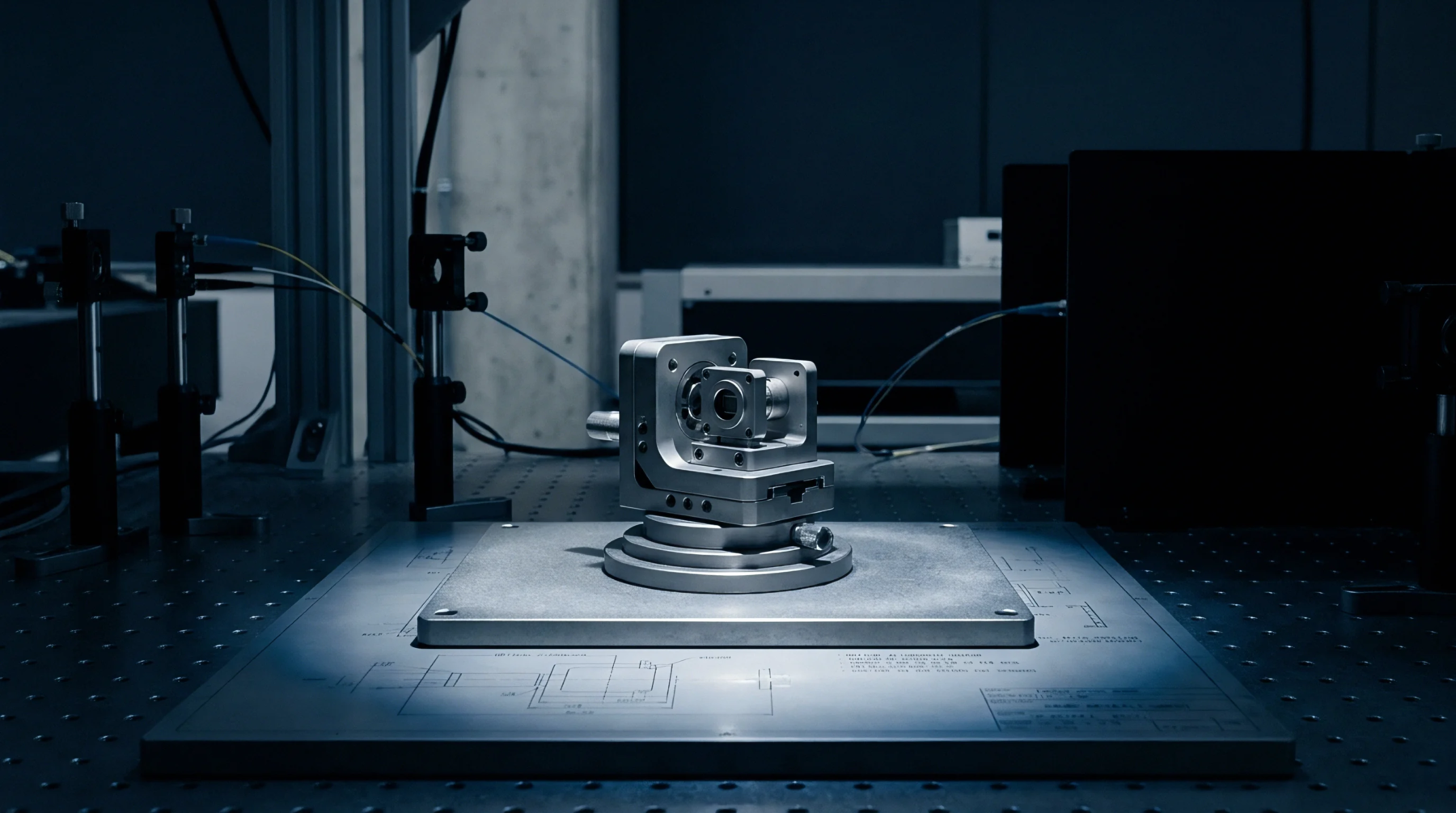
Protection of sensitive electronic components from moisture and gas ingress requires a barrier that maintains a vacuum or controlled atmosphere over the life of the device. The hermetic seal integrity measures the effectiveness of this enclosure in preventing the exchange of matter between the internal cavity and the external environment. Ceramic and metal packages, along with glass seals, are the primary materials used to achieve the required level of isolation.
This property is essential for microelectromechanical systems and high-reliability semiconductors that would degrade upon exposure to oxygen or water vapor.
Leakage Rate
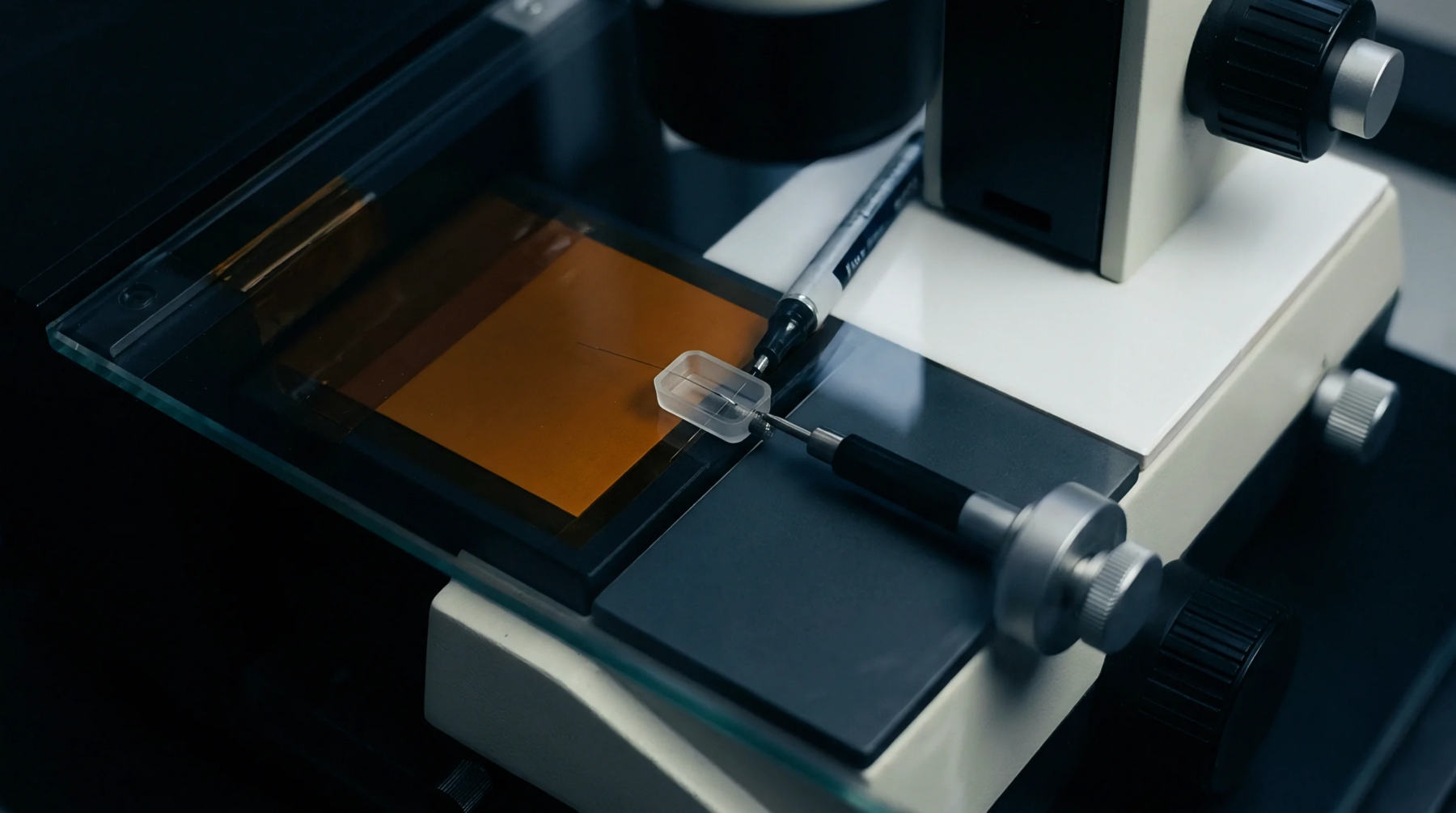
Quantification of the seal performance involves measuring the flow of a tracer gas, typically helium, through the package boundaries. A high level of hermetic seal integrity corresponds to a leak rate below ten to the power of negative eight standard cubic centimeters per second. Fine leaks are detected using mass spectrometry after the device has been pressurized in a helium tank.
Gross leaks are identified through bubble tests in a heated fluorocarbon fluid.
Stress Tolerance
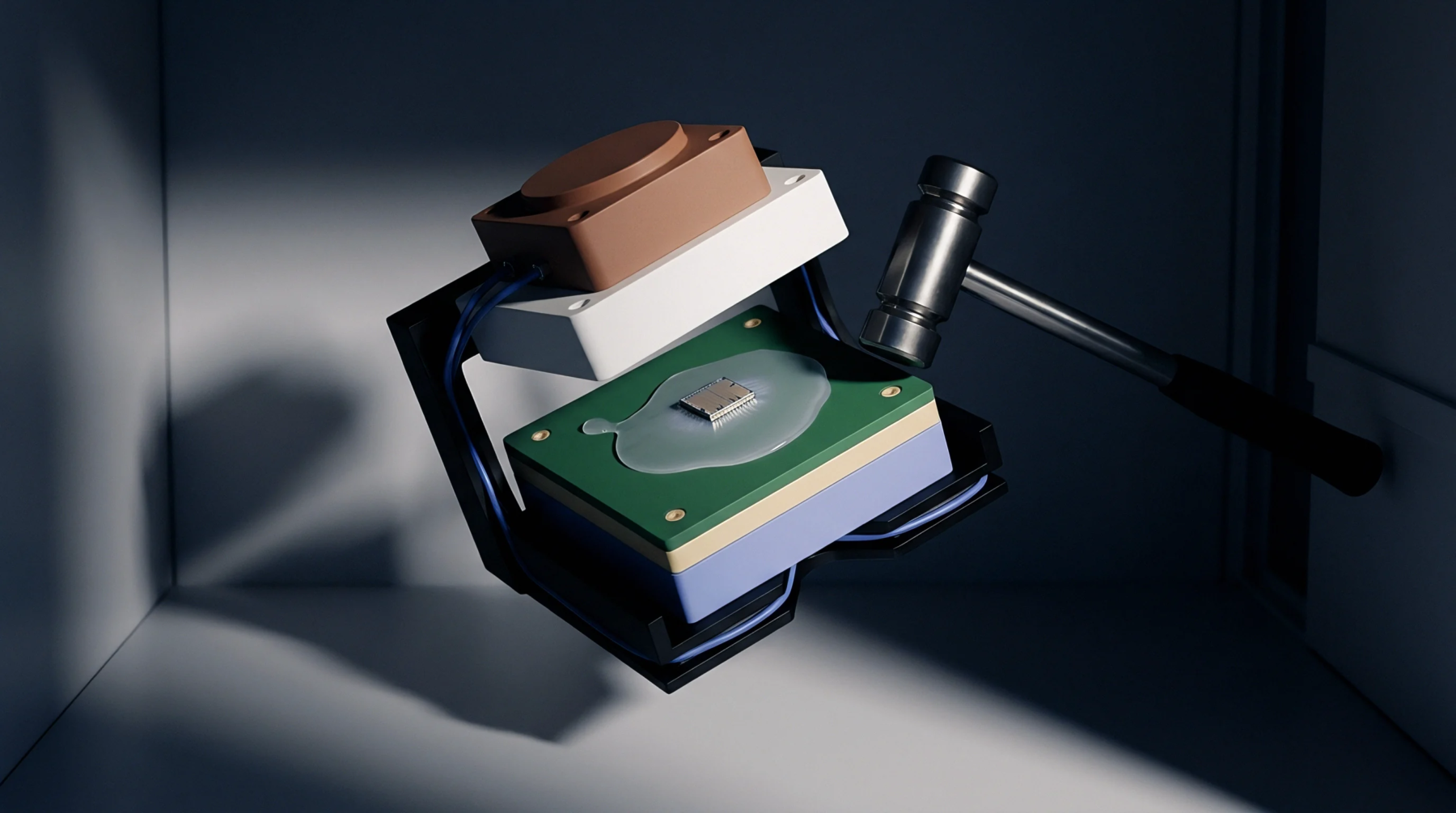
Mechanical shocks and thermal cycling represent the primary threats to the long-term stability of the joint. Differences in the thermal expansion coefficients of the lid and the base can cause micro-cracks to develop in the glass-to-metal or solder interface. A durable hermetic seal integrity depends on the chemical bond formed during the sealing process and the geometry of the mating surfaces.
If the seal becomes brittle, even minor vibrations during transport might lead to a catastrophic failure of the isolation.
Testing Standard
Military and aerospace specifications define the exact procedures for qualifying these enclosures for use in harsh conditions. Regular audits of the sealing equipment ensure that the hermetic seal integrity remains consistent across production lots.