Enclosure Architecture
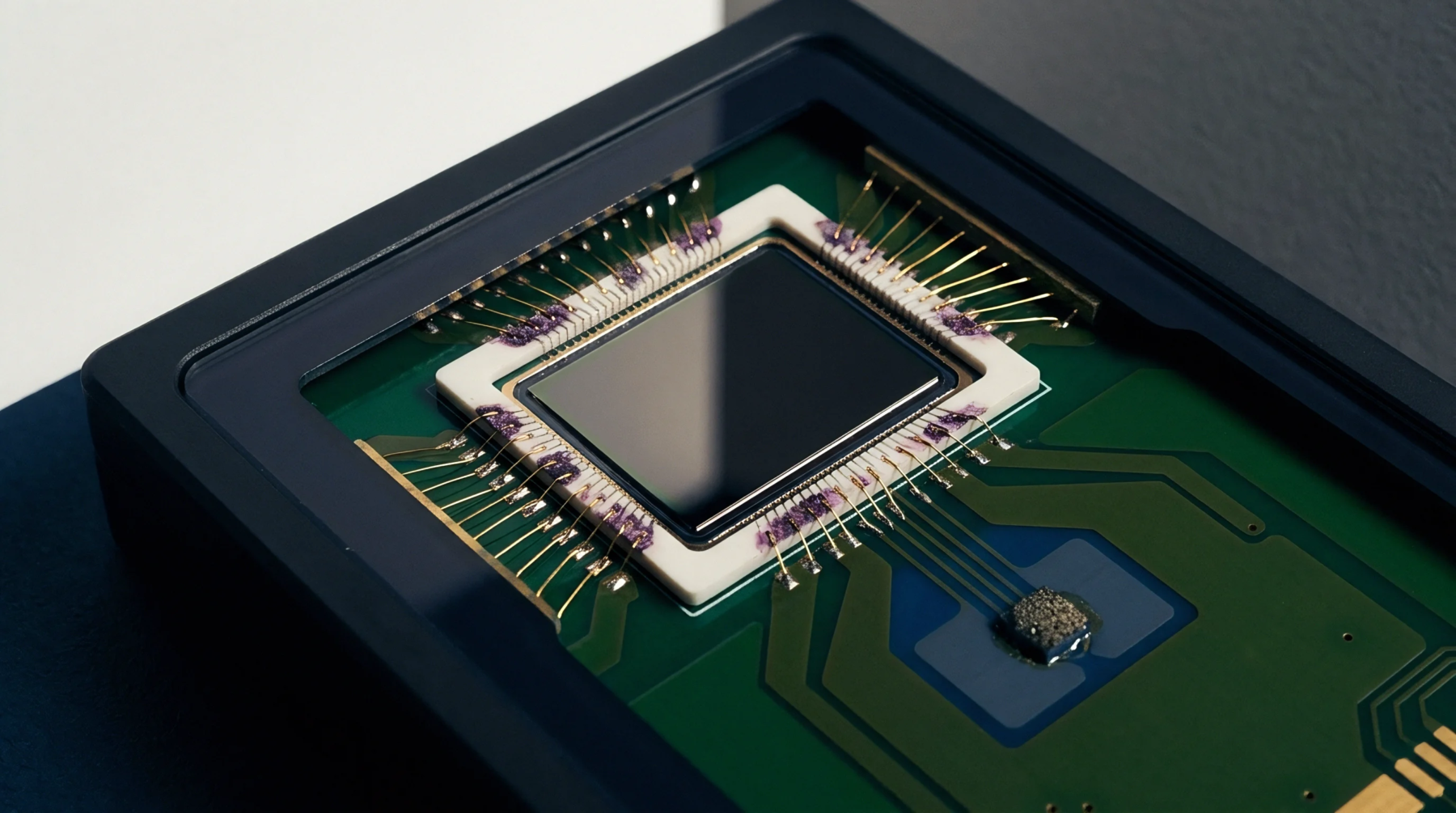
Sealing technique designed to prevent the diffusion of moisture and atmospheric gases into an internal space housing sensitive electronic components. Maintaining a dry nitrogen or inert gas environment inside the hermetic cavity packaging ensures that internal corrosion and dendrite growth are suppressed. Ceramic or metal lids are typically soldered or welded to a matching base to create the seal.
Leak rates are verified using helium mass spectrometry.
Gas Retention
Internal pressure remains stable over long periods due to the low permeability of the construction materials. Protecting the internal environment within the hermetic cavity packaging is essential for micro-electro-mechanical systems that utilize moving parts. Moisture ingress is the primary cause of electrical leakage in these assemblies.
Application Environment
Extreme reliability systems in aerospace or medical sectors utilize hermetic cavity packaging to protect sensors from harsh external conditions. Outgassing from internal materials is restricted to prevent the contamination of optical or moving parts. Proper sealing is necessary for devices that cannot tolerate any moisture ingress.
Failure Mechanism
Cracks in the glass to metal seals or voids in the lid weld compromise the effectiveness of the hermetic cavity packaging over time. Thermal cycling induces stress at the interface of different materials which may lead to seal fatigue. Periodic testing confirms the integrity of the barrier during the operational life of the device.