
Passive Pull-Up Resistor Sizing across Standard Mode Bus Wiring
Size Standard Mode pull-up resistors between the 1000 ns rise time ceiling across total harness capacitance and the 3 mA driver sink current limit at 0.4 V VOL.
Size Standard Mode pull-up resistors between the 1000 ns rise time ceiling across total harness capacitance and the 3 mA driver sink current limit at 0.4 V VOL.

Selecting pin strapping resistors demands matching voltage threshold bands against resistor tolerances, internal pull-up impedance, and board leakage.
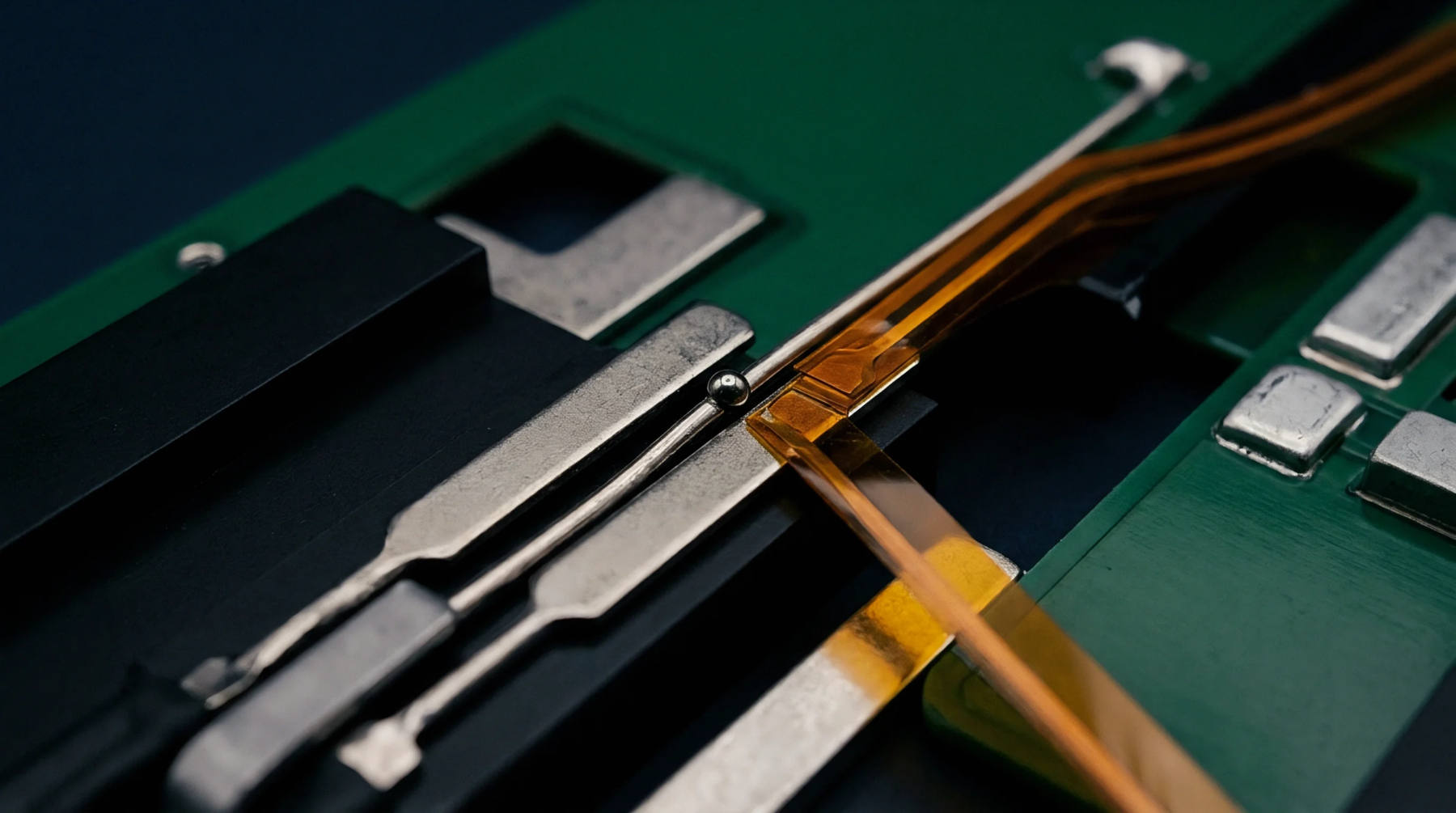
Automated pre-placement socket interrogation of silicon revision registers prevents unannounced wafer steppings from halting high-volume SMT production lines.

Validate I2C revision registers at incoming inspection to detect unannounced stepping changes and package bitfield shifts before boards reach reflow.
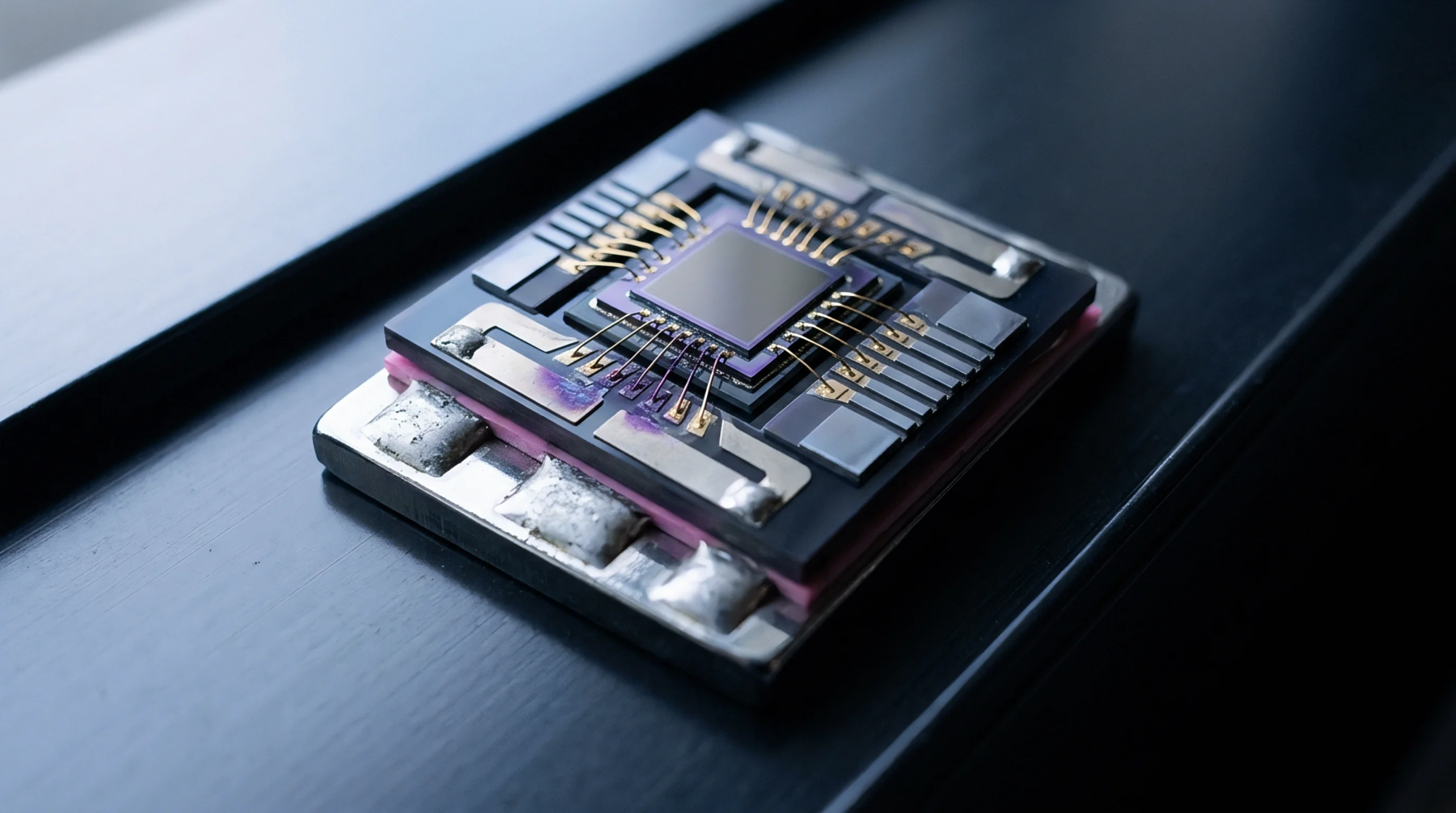
Sensor package selection fixes mechanical strain, driver stability, and break-even volumes before procurement issues purchase orders for alternative parts.

Modular serial sensors reduce firmware weeks and calibration expense at low volume, while discrete silicon preserves board area and unit margin past 6,500 units.

Unannounced silicon steppings alter register maps and bus timing within catalog limits, driving massive firmware rework unless gated by contract terms.
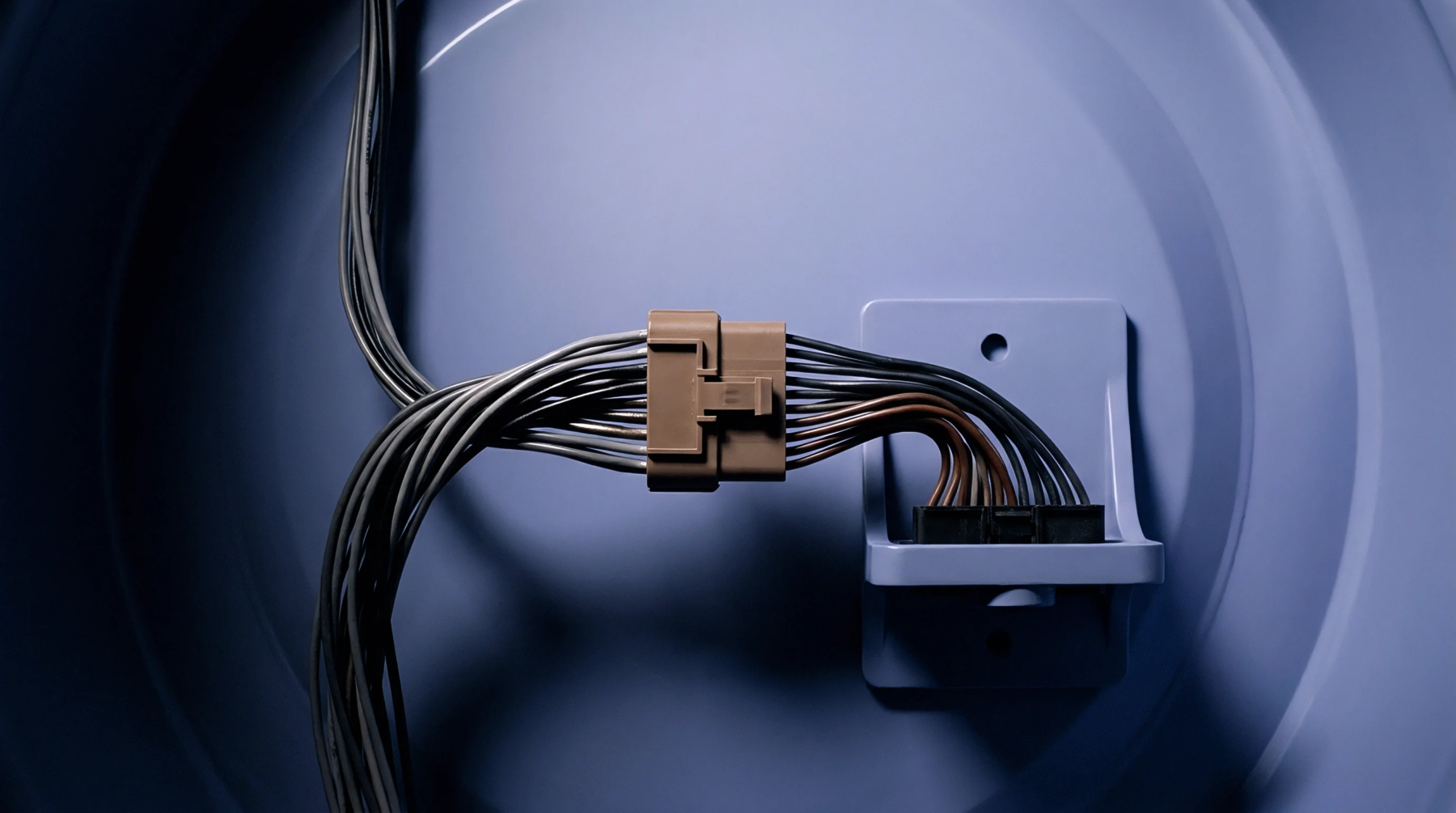
Accumulated line capacitance degrades open-drain rise times, demanding active acceleration or branch buffering to maintain deterministic software enumeration.

Hardware address translators eliminate driver overhead and preserve trunk routing, while bus multiplexers isolate bus capacitance and cut bill of materials costs.

Manage identical I2C devices by combining hardware pin strapping, pass-gate multiplexers, or inline address translators to isolate matching identifiers.
Silicon revisions alter open-drain driver impedance and state timing, turning compliant clock stretching into bus-halting race conditions across fast edges.
Quantifying timing budget degradation across multi-channel I2C switches requires auditing accumulated branch capacitance against pull-up rise time limits.

Cascaded I2C multiplexers resolve address collisions in high-density systems by isolating bus segments, requiring strict RC capacitance and switch resistance control.

Multi-channel sensor integration on standard two-wire buses demands balancing parasitic bus capacitance, address resolution, layout geometry, and landed unit cost.
Active pull-up buffers restore slew rates on high-capacitance sensor lines without raising low-level output voltages or violating static sink limits.

Active buffers isolate bus capacitance beyond 400 picofarads by segmenting traces and using static voltage offsets or edge accelerators to meet timing limits.

Resolve multi-sensor address collisions using pin-strapped dividers, digital multiplexers, or active translators sized against bus capacitance and firmware costs.
Selecting surface mount sensor packages requires balancing land-pattern mechanical stress and reflow limits against bus integration effort and unit yield cost.
Dynamic address assignment eliminates multiplexers in dense sensor arrays through cascade enable lines or software ARP, reducing PCB area while raising firmware bring-up requirements.
Resolve I2C address collisions using dedicated bus switches, inline XOR translators, or dynamic GPIO strapping to isolate identical device addresses.

Land pattern geometry, bus capacitance control, and driver timing dictate assembly yield and operational stability across sensor package formats.

Early silicon steppings lock up I2C clock stretching during ACK phases, requiring firmware timeouts and board RC tuning across packaging revisions.

Hierarchical I2C switches isolate bus capacitance and expand address space while adding measurable transaction delays and timing limits that firmware state machines govern.

I2C multiplexers resolve address collisions and isolate bus capacitance via software channels, while translators match voltage rails without addressing control.
When component vendors end leaded packages, identical active silicon dies often survive in surface-mount forms that demand revised land patterns and thermal layouts.
Unannounced die shrinks alter internal register maps and bus timing; enforce strict automated register fingerprinting and binding PCN contract terms.
Expertise is a utility, not a secret. sentiention™ publishes its working knowledge as open reference: intelligence layer covering the materials it sources, the markets it enters, and the reference that serves both.