
Discrete Sensor Surface Mount Integration Cost Dynamics
Matching sensor package geometry to bus capacitance constraints controls surface mount assembly yields and landed unit costs across production volumes.
Matching sensor package geometry to bus capacitance constraints controls surface mount assembly yields and landed unit costs across production volumes.

Lithographic die shrinks require simultaneous nozzle, stencil, and register map updates to prevent continuous SMT line stoppages during manufacturing transitions.

Silicon stepping registers provide unambiguous hardware verification, ensuring firmware driver compatibility and protecting production lines from unannounced die alterations.

Manage microsecond clock stretching drift by replacing static firmware timeouts with dynamic SCL polling and enforcing strict silicon stepping PCN agreements.

Polymeric underfill selection balances thermomechanical bump fatigue isolation against die strain output drift, process flow speed, and landed unit yield costs.
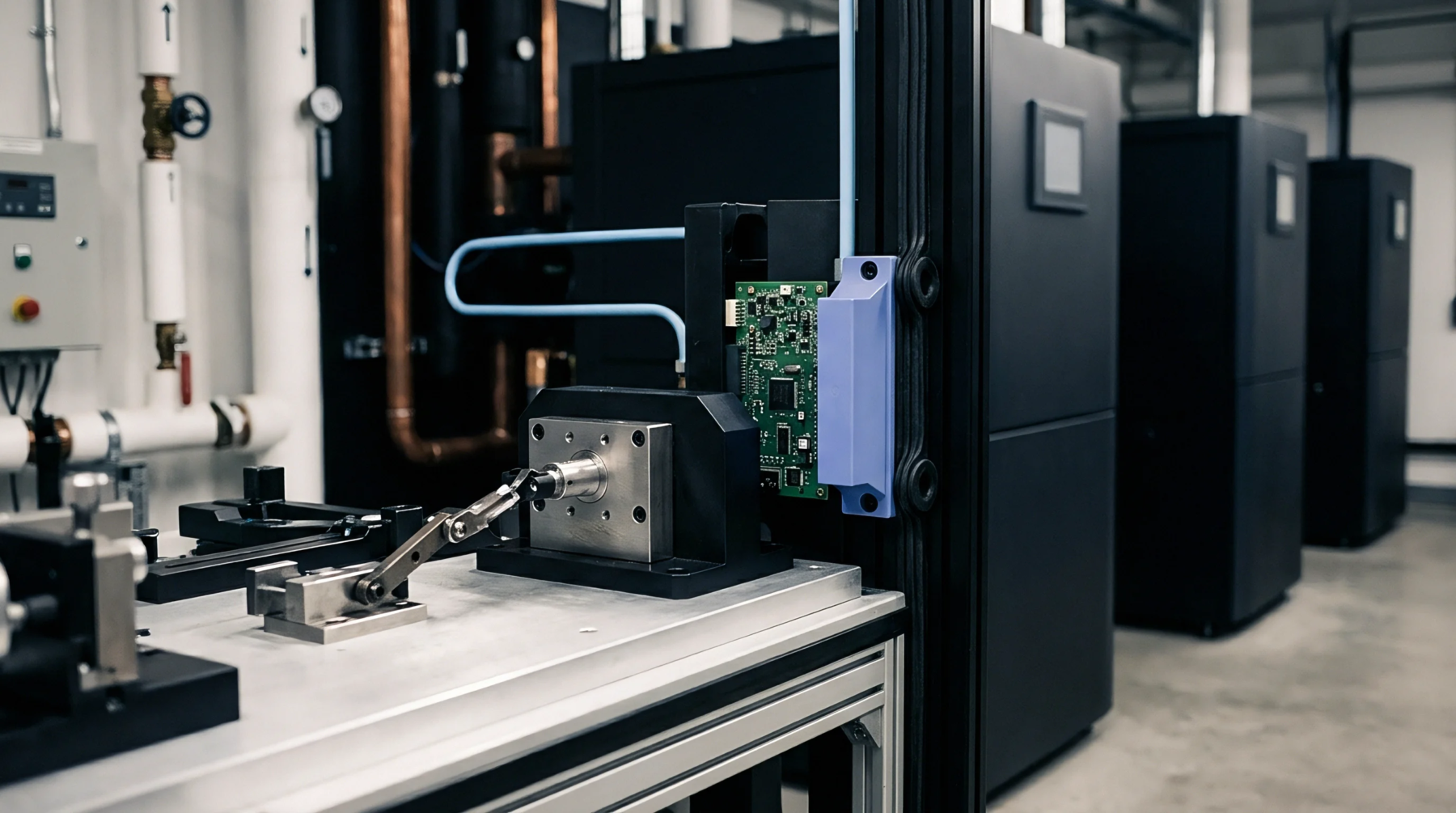
Resolving viscoelastic anisotropy in dynamic high rate board flexure requires strain-rate-dependent Prony series models to prevent BGA solder ball fatigue.

Packaging stress shifts silicon bandgap output voltages via piezoresistive and piezojunction mechanisms, requiring crystallographic layout and compliant packaging.

Reflow thermal stress alters bandgap reference outputs by up to 1500 ppm via piezoresistive die strain, demanding compliant packages, bakes, or in-system trim.

Routing routed moat slots around precision ceramic voltage references attenuates board flexing strain by 28 dB and keeps mechanical hysteresis under 0.4 ppm.
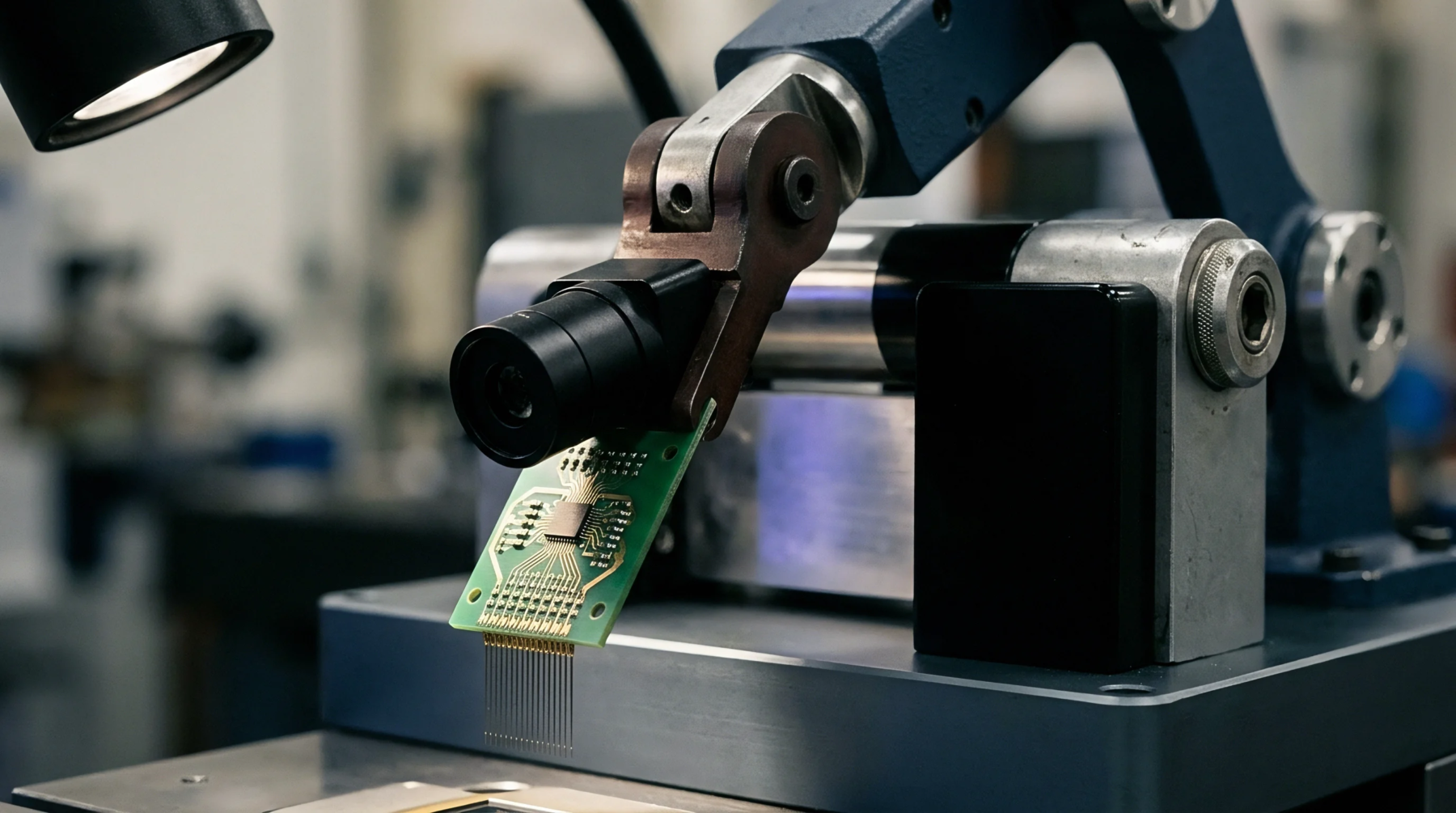
Lead-free solder solidification locks high shear stress into piezoresistive dies, requiring compliant packages or post-reflow dwell times to stabilize zero-point drift.

Symmetrical thermal relief spokes and matched copper routing stabilize precision analog references by mitigating thermoelectric EMF and solder strain.

Dynamic sensor address resolution in high-noise arrays requires differential physical-layer isolation, sequential gate waking, and robust nine-clock recovery.
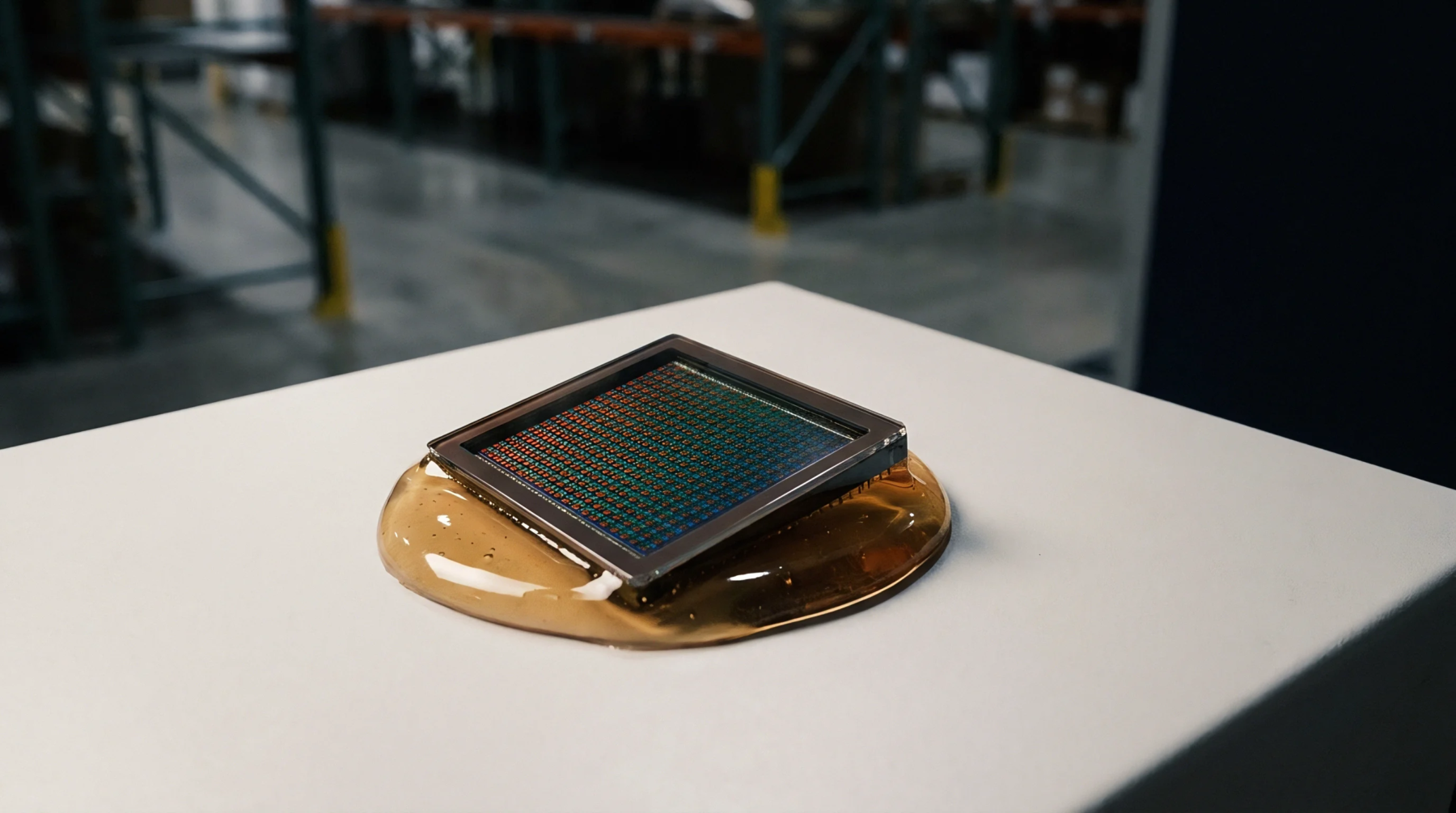
Silicon strain sensor thermal offset drift stems from piezoresistor TCR mismatches and package thermomechanical stress, resolved by digital ASIC compensation.

Packaging mold shrinkage and board reflow solder strain alter silicon bandgap voltages via piezoresistive coupling, demanding compliant leads or ceramic packages.

Calculate viscoelastic stress transfer by fitting multi-mode Prony series DMA data and applying Arrhenius-corrected shift factors under thermal cycling dwells.

Post-package bandgap voltage reference drift stems from mold compound thermal strain and moisture swelling, requiring ceramic packaging or stress-isolated PCB layouts to maintain sub-10 ppm accuracy.

Board flexure and reflow strain pass straight into surface mount piezoresistive die; routing slits, soft die attach, and glass pedestals isolate zero drift.
Precision voltage references demand symmetric copper lands, isolation slots, and convective shielding to suppress piezoresistive and thermoelectric drift.

Plastic sub-bandgap references shift up to 300 ppm across thermal cycling due to mold compound viscoelastic creep, requiring mechanical keep-outs or ceramic forms.

Bandgap output voltage temperature coefficients balance complementary and proportional silicon junctions, shifting under package stress and thermal hysteresis.

Non-Fickian moisture sorption causes delayed polymer relaxation, elevating trapped internal water mass and triggering catastrophic reflow delamination.

Transient moisture gradients create reflow vapor pressure spikes at leadframe boundaries, driving interfacial delamination unless controlled by strict MSL storage profiles.

Encapsulant moisture saturation lowers matrix glass transition temperatures and generates destructive internal vapor pressures exceeding four megapascals at reflow.

Ambient moisture absorption into plastic packaging drives mechanical swelling strain, inducing uncalibrated offset drift and sensitivity shifts in MEMS dies.

Dynamic vapor sorption establishes epoxy mold compound diffusion rates and saturation limits to prevent reflow delamination and sensor offset drift.

Hermetic seals prevent moisture ingress via inorganic barriers; potted assemblies slow liquid ingress but saturate via vapor diffusion within months.

Mitigate component obsolescence by balancing last-time-buy capital against redesign fees, resolving footprint and bus timing changes before production freezes.

JESD48B establishes six-month buy and ship windows, but MEMS packaging closures demand immediate firmware and mechanical layout audits to prevent production halts.

Evaluating package parasitics and dynamic reference drive capabilities proves vital to stabilizing dynamic conversion settlement and maximizing AFE accuracy.

Coupled hygrothermomechanical finite element reflow modeling resolves moisture diffusion, steam pressure, and thermal expansion to prevent package delamination.
Expertise is a utility, not a secret. sentiention™ publishes its working knowledge as open reference: intelligence layer covering the materials it sources, the markets it enters, and the reference that serves both.