
Modelling Polymer Viscoelastic Relaxation Rates in Standard Surface Mount Packages
Modelling surface mount viscoelastic relaxation requires mapping mold compound Prony parameters to die stress decay for dynamic firmware offset compensation.
Modelling surface mount viscoelastic relaxation requires mapping mold compound Prony parameters to die stress decay for dynamic firmware offset compensation.
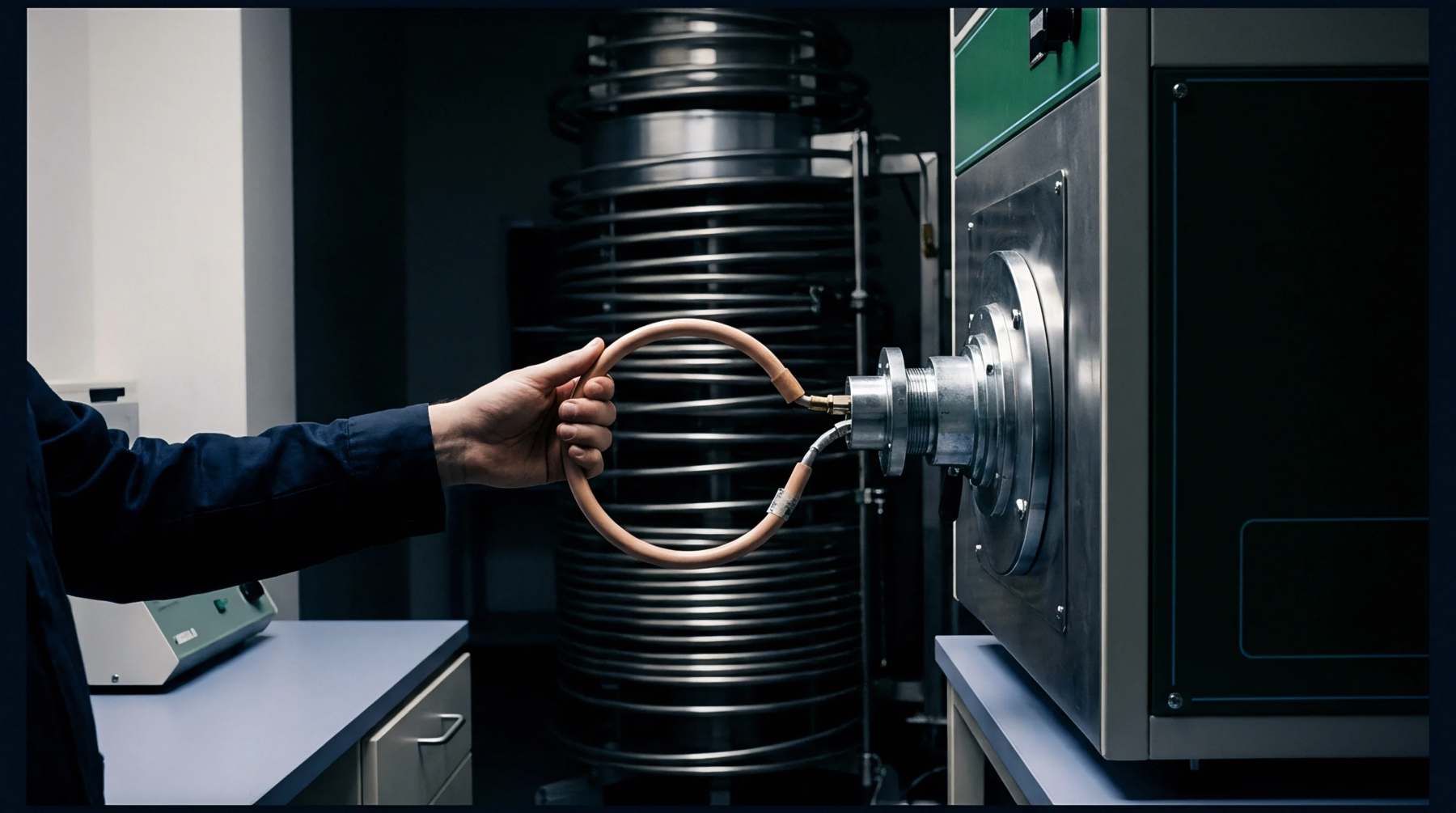
Viscoelastic stress relaxation in organic die attach layers drives long-term sensor offset drift, demanding Prony-characterized finite element selection of high-filler formulations to stabilize package stress.
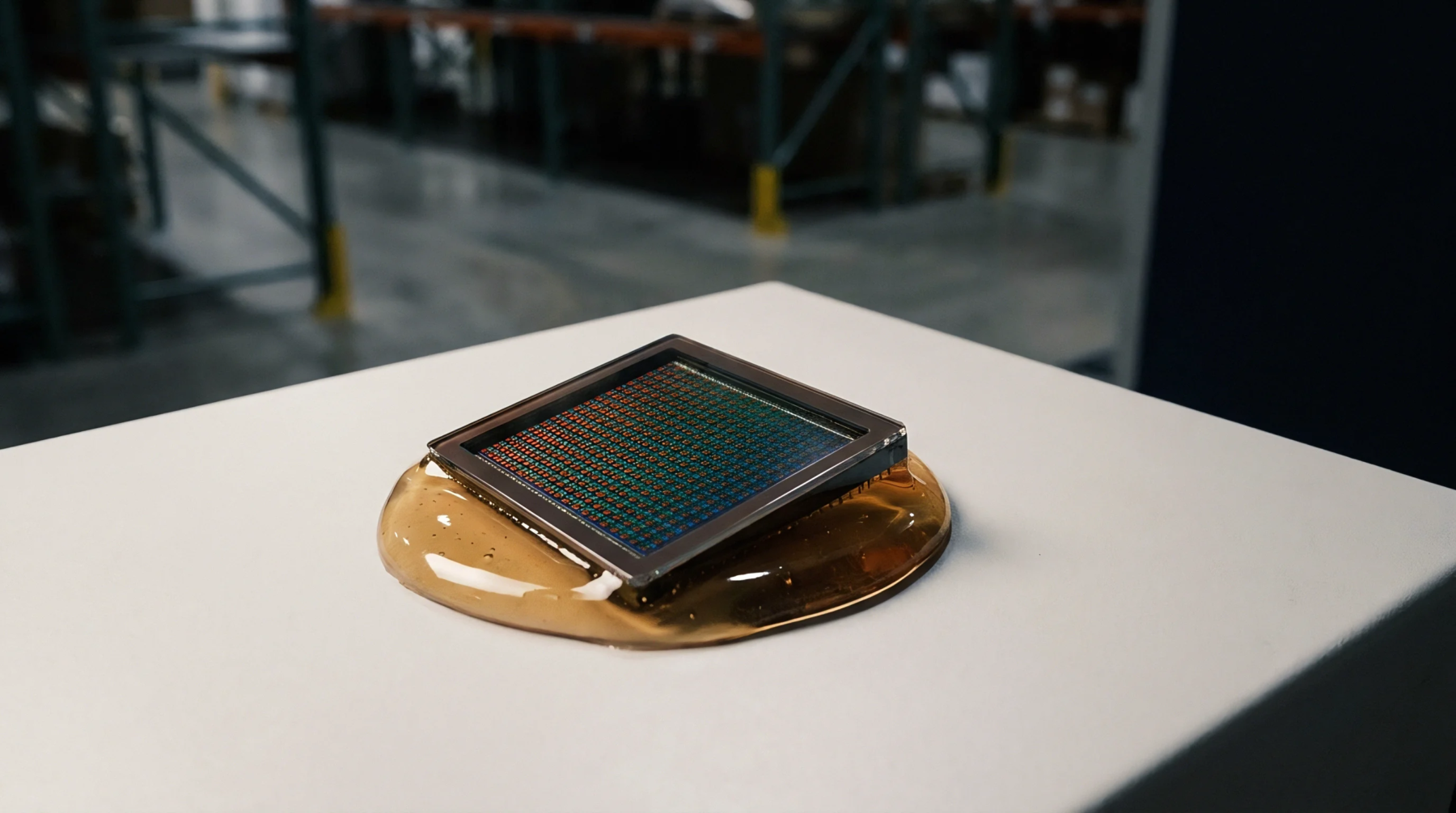
Reflow heating locks thermomechanical strain into laminate sensor packages, shifting zero offsets by up to two percent unless mitigated by board slots.

Dynamic mechanical analysis master curve generation for unaged epoxies requires strict temperature calibration and linear strain verification to bound shift uncertainty.
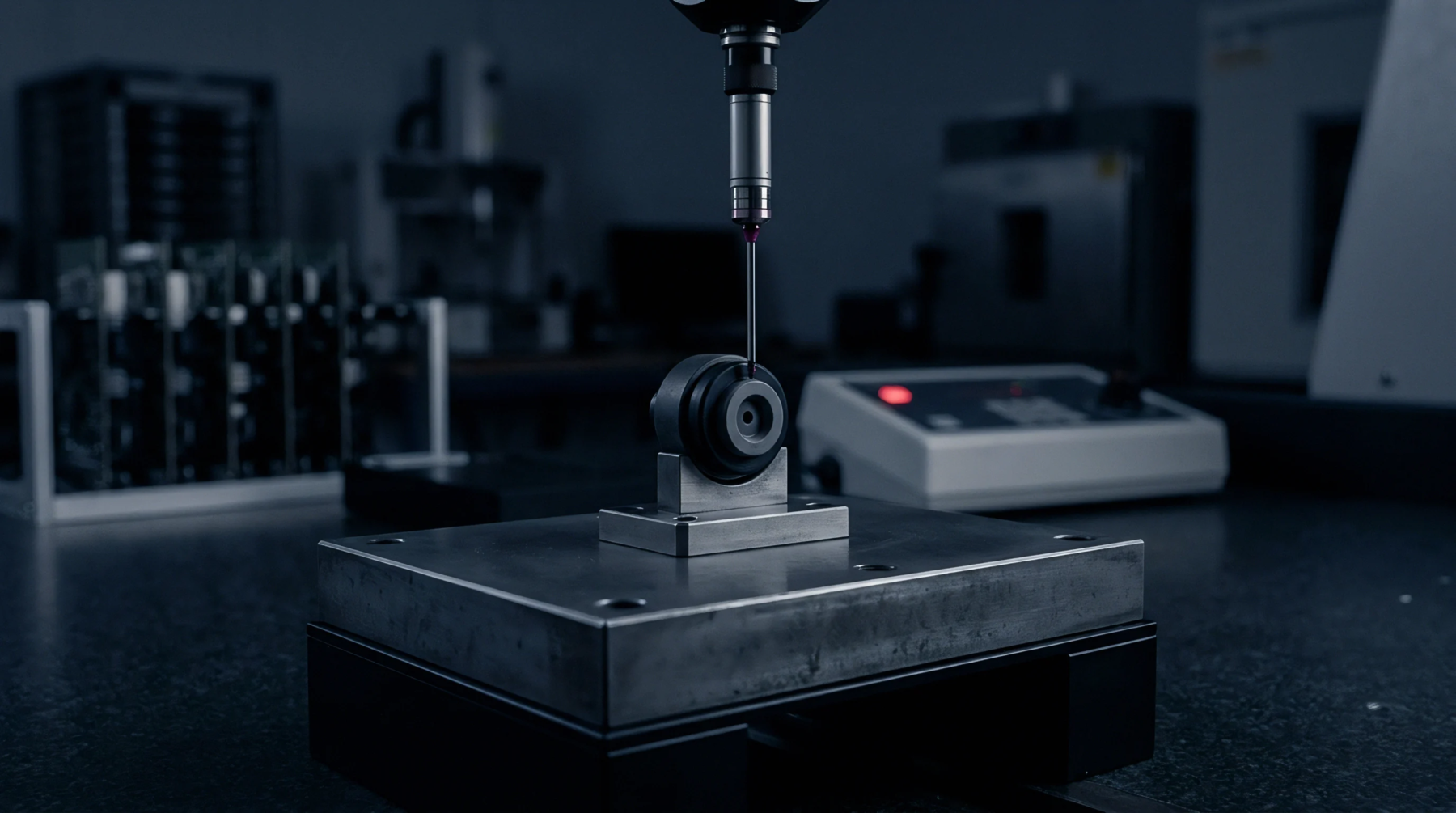
Shift factor fitting errors expand exponentially during master curve extrapolation, requiring stochastic bounds to prevent structural FEA creep failure.
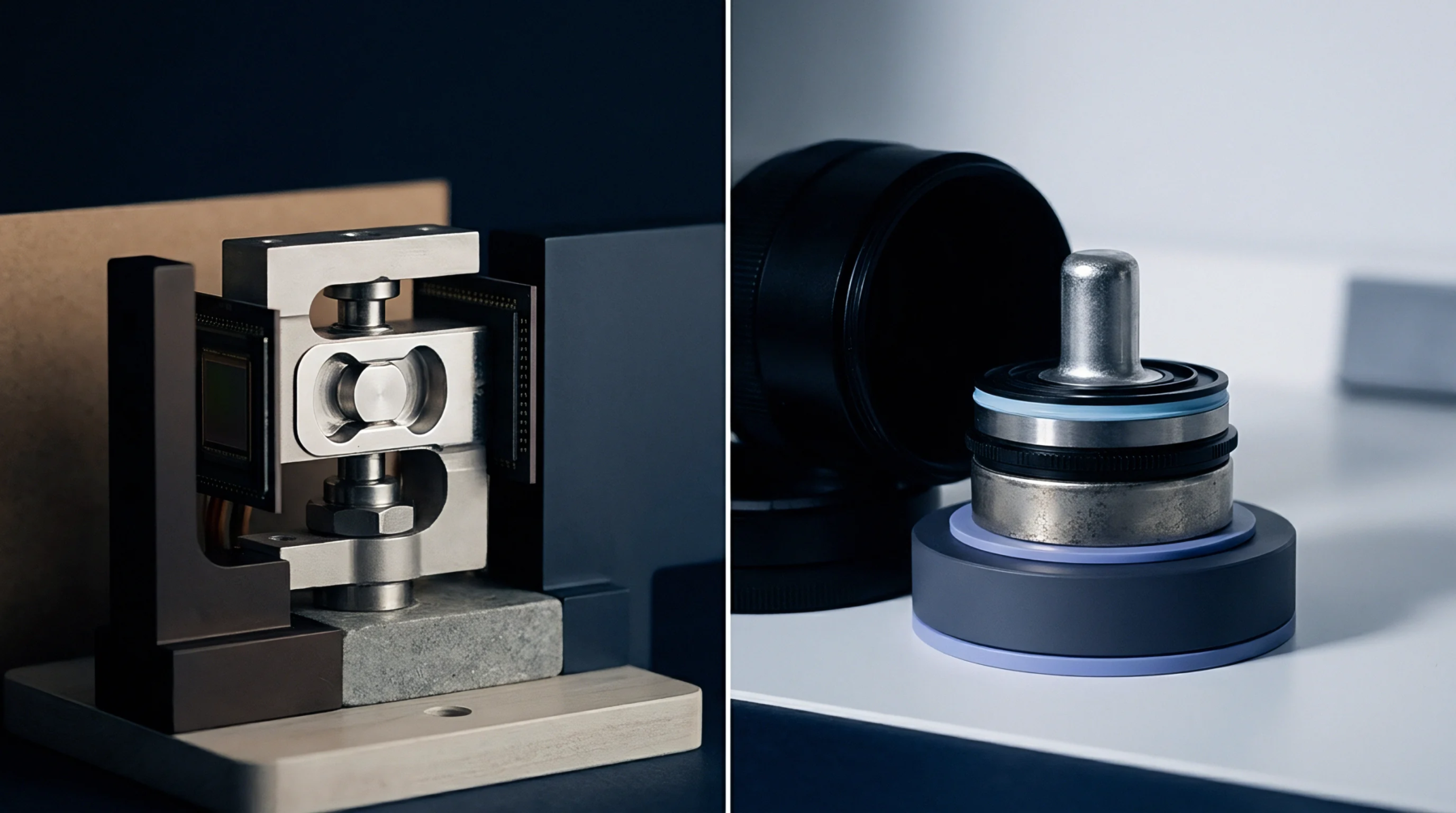
Post-reflow thermal drift in LGA transducers stems from viscoelastic substrate relaxation, demanding controlled isothermal conditioning before calibration.

Polyimide shift factor matrices evolve non-linearly during hygrothermal stress cycling, increasing relaxation rates by orders of magnitude over static baseline models.

Arrhenius shift factors map short-term thermal DMA data to multi-year polyimide sensor drift, controlling zero-point offset and span calibration limits.

Polyimide viscoelastic relaxation master curves quantify long term sensor zero point drift by shifting dynamic mechanical spectra to predict decadal stress decay.

Packaging-induced thermo-mechanical stress creates zero-point offset hysteresis in micro-machined sensors, requiring matched mold compound CTE calibration.

Viscoelastic die-attach relaxation shifts piezoresistive bridge zero-points; Prony-series modeling predicts and isolates this packaging strain drift.

Viscoelastic package stress drives non-linear piezoresistive zero drift, demanding multiphysics finite element modeling and high-order thermal calibration.

Coupled moisture swelling and viscoelastic creep in organic sensor die attaches drive zero-point drift, requiring hermetic sealing for sub-0.1% accuracy.

Matching package CTEs and using compliant pedestals prevents thermal shear stress from driving piezoresistive pressure die offset drift.

Calculating transducer packaging creep drift requires coupling viscoelastic adhesive stress relaxation models to strain gauge bridge sensitivity equations over time.

Quantifying adhesive zero-point drift requires deriving empirical activation energies via multi-temperature soaks to accurately model long-term baseline stability.

Polymer die attach stress relaxation causes long-term zero offset drift in silicon sensors, requiring thermal pre-conditioning to ensure calibration stability.

Dynamic package strain transfer modeling predicts thermal-cycling offset drift by coupling viscoplastic stress relaxation to piezoresistive sensor matrices.

Sub glass transition physical aging causes unrecoverable dimensional and refractive index drift in precision optics that must be bounded via fictive temperature control.

Viscoelastic modulus relaxation in packaging encapsulants drives post reflow offset drift, requiring timed thermal stabilization before factory offset calibration.
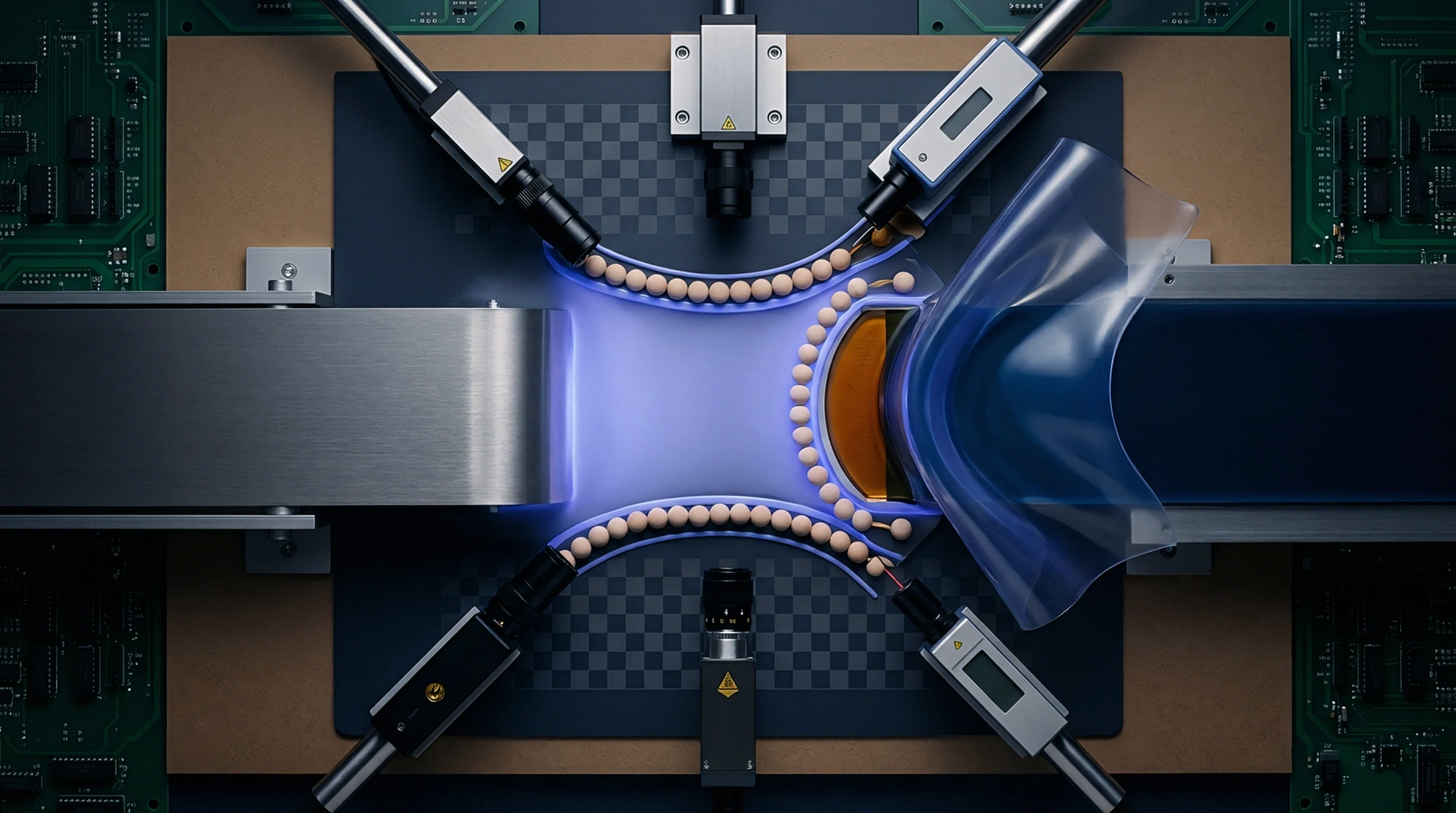
Substrate thermal expansion mismatches and mold compound shrinkage warp sensor boards, transferring parasitic strain into silicon dies and driving signal drift.
Physical aging in amorphous polymers drives sub-Tg volume and enthalpy decay that shifts yield stress, reduces toughness, and alters housing dimensions over time.

Polymeric underfill selection balances thermomechanical bump fatigue isolation against die strain output drift, process flow speed, and landed unit yield costs.

Quantifying adhesive relaxation requires extracting Prony series via multi-temperature DMA to simulate anchor warpage and prevent uncalibrated bias drift.
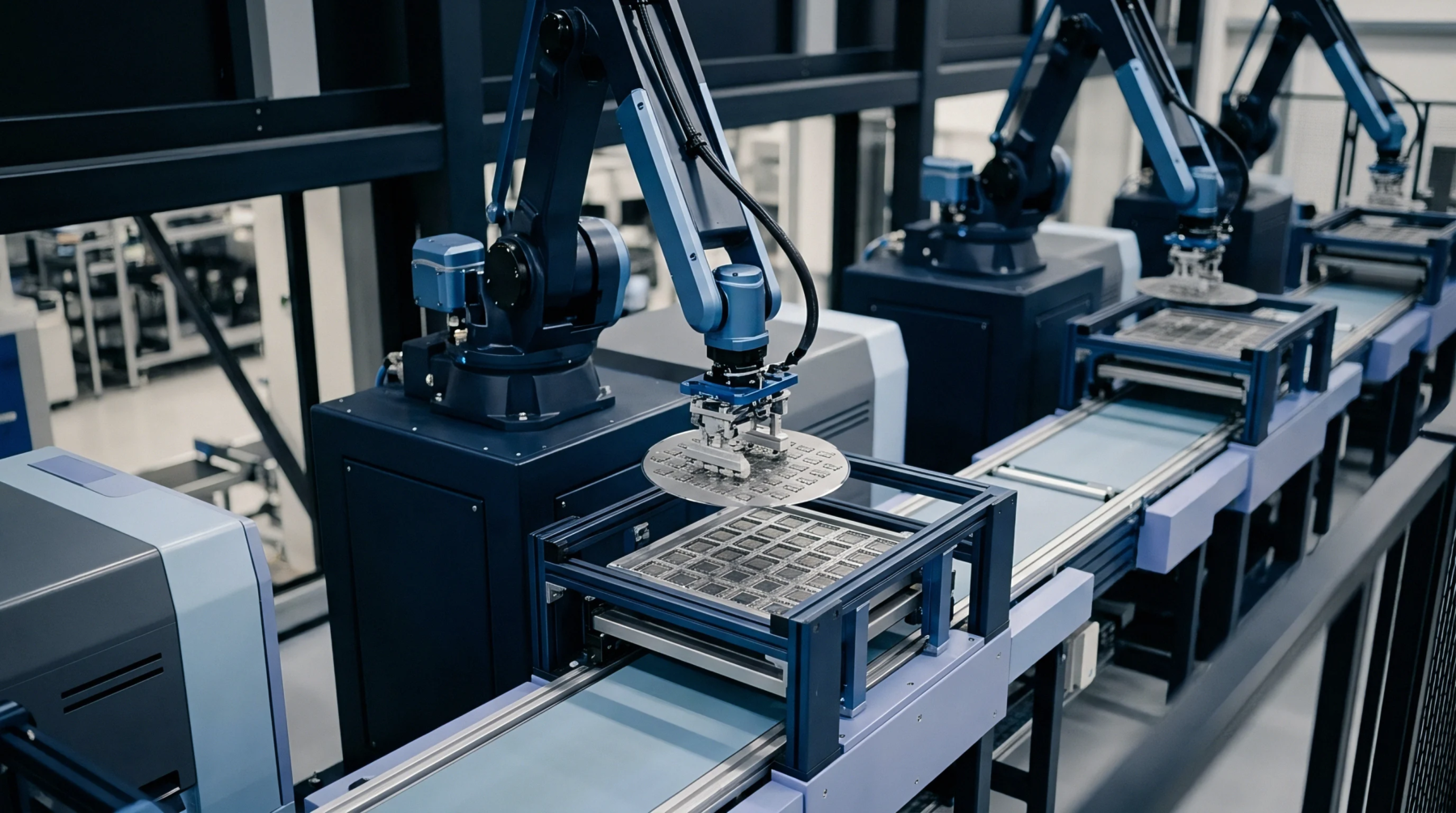
Dynamic thermo-mechanical stress decoupling models eliminate passive rate table soak time by filtering viscoelastic strain history during active thermal ramps.

Standard isothermal dynamic mechanical analysis measures structural epoxy viscoelasticity by isolating instrument compliance and phase lag from true resin modulus.
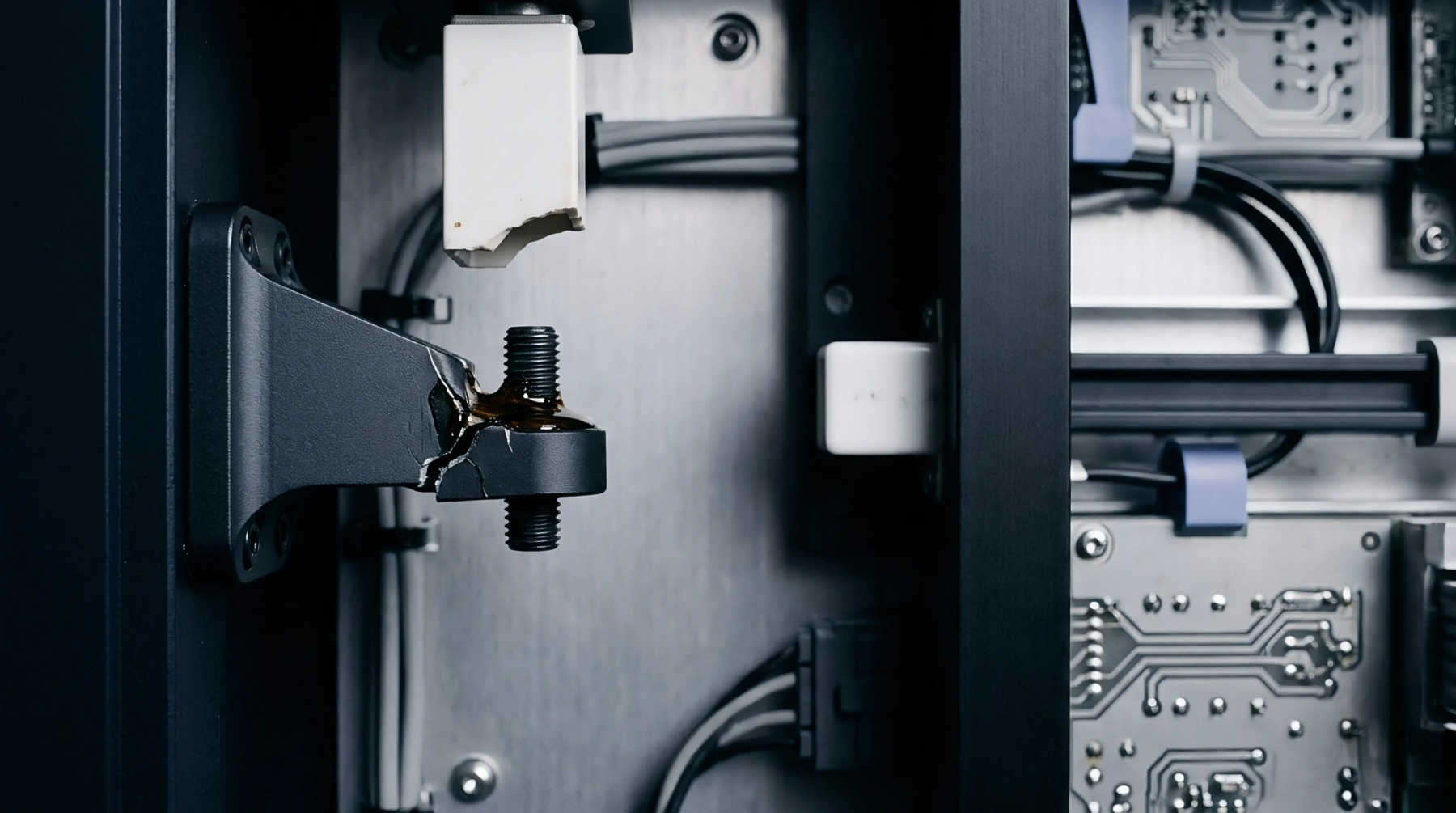
Viscoelastic mold compound relaxation permanently redistributes internal package stress during thermal cycling, inducing continuous piezoresistive sensor offset drift.
Model die attach viscoelastic stress relaxation via multi-frequency DMA master curves and Prony series to predict and calibrate MEMS zero-point offset drift.
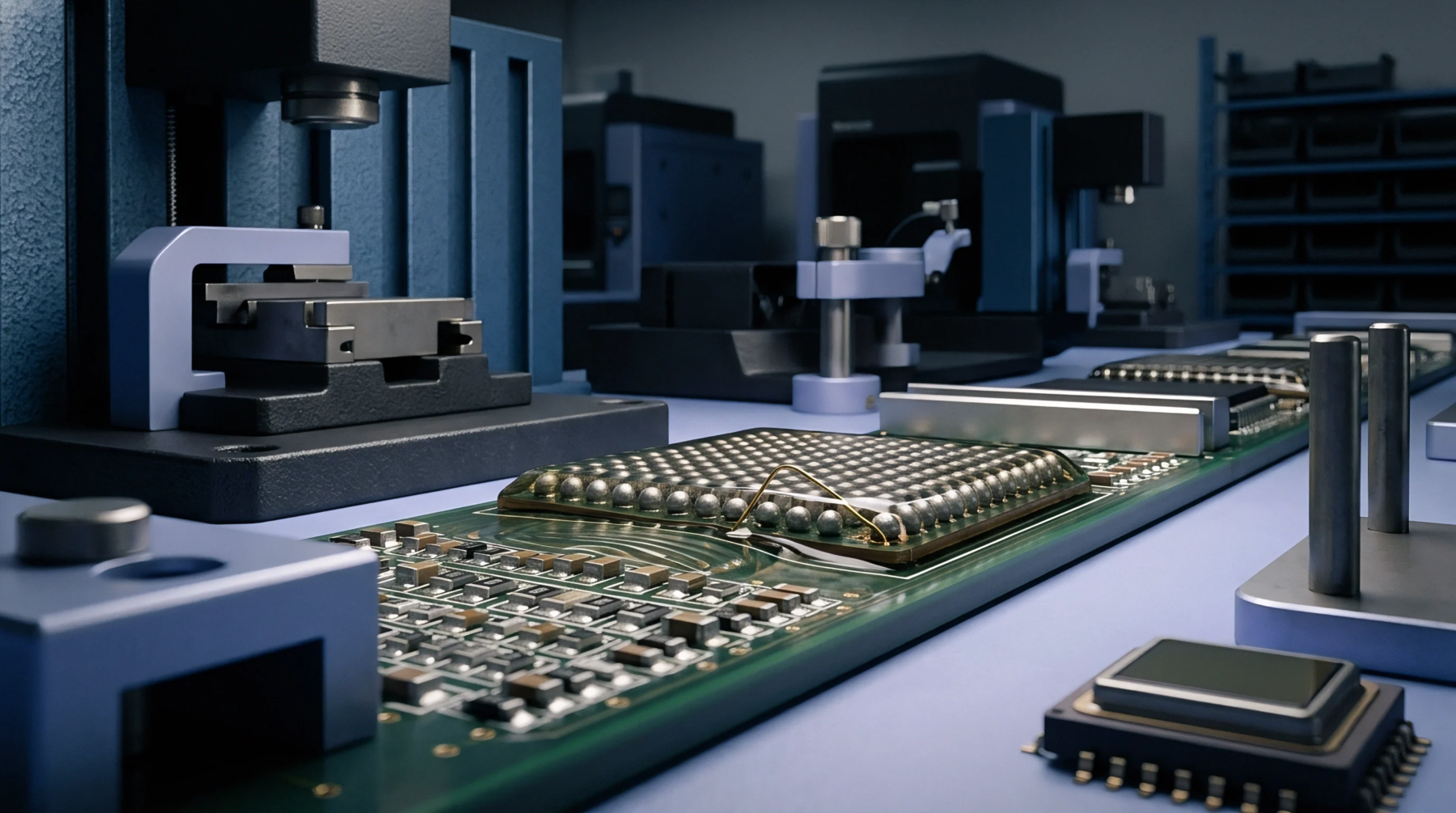
Reflow thermal stress alters bandgap reference outputs by up to 1500 ppm via piezoresistive die strain, demanding compliant packages, bakes, or in-system trim.

Polymer creep in sensor die-attach layers relaxes packaging pre-stress, causing continuous zero offset drift that requires low-creep adhesives or recalibration.
Expertise is a utility, not a secret. sentiention™ publishes its working knowledge as open reference: intelligence layer covering the materials it sources, the markets it enters, and the reference that serves both.