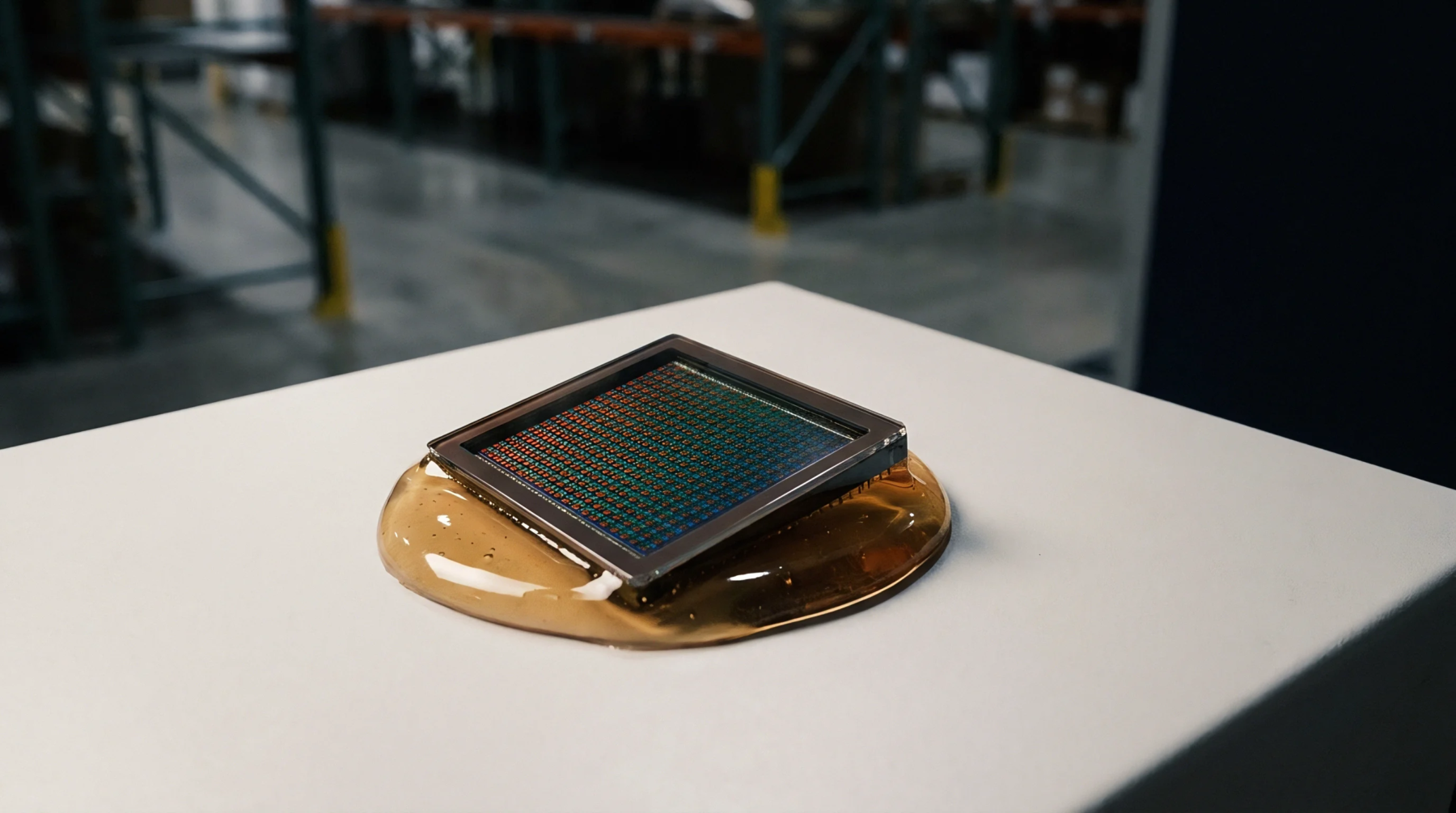
Polymer Encapsulation Material Properties in Industrial Sensor Applications
Polymer encapsulation selection requires matching matrix CTE and modulus to die silicon to prevent parametric drift while maintaining moisture barrier limits.
Polymer encapsulation selection requires matching matrix CTE and modulus to die silicon to prevent parametric drift while maintaining moisture barrier limits.

Bayesian calibration extracts Schapery viscoelastic parameters from thermal cycling strain data by resolving parameter coupling and quantifying prediction margins.

Storage modulus measurement accuracy for die attach adhesives hinges on micrometer-level thickness precision, strict heating rate control, and compliance-corrected fixturing.
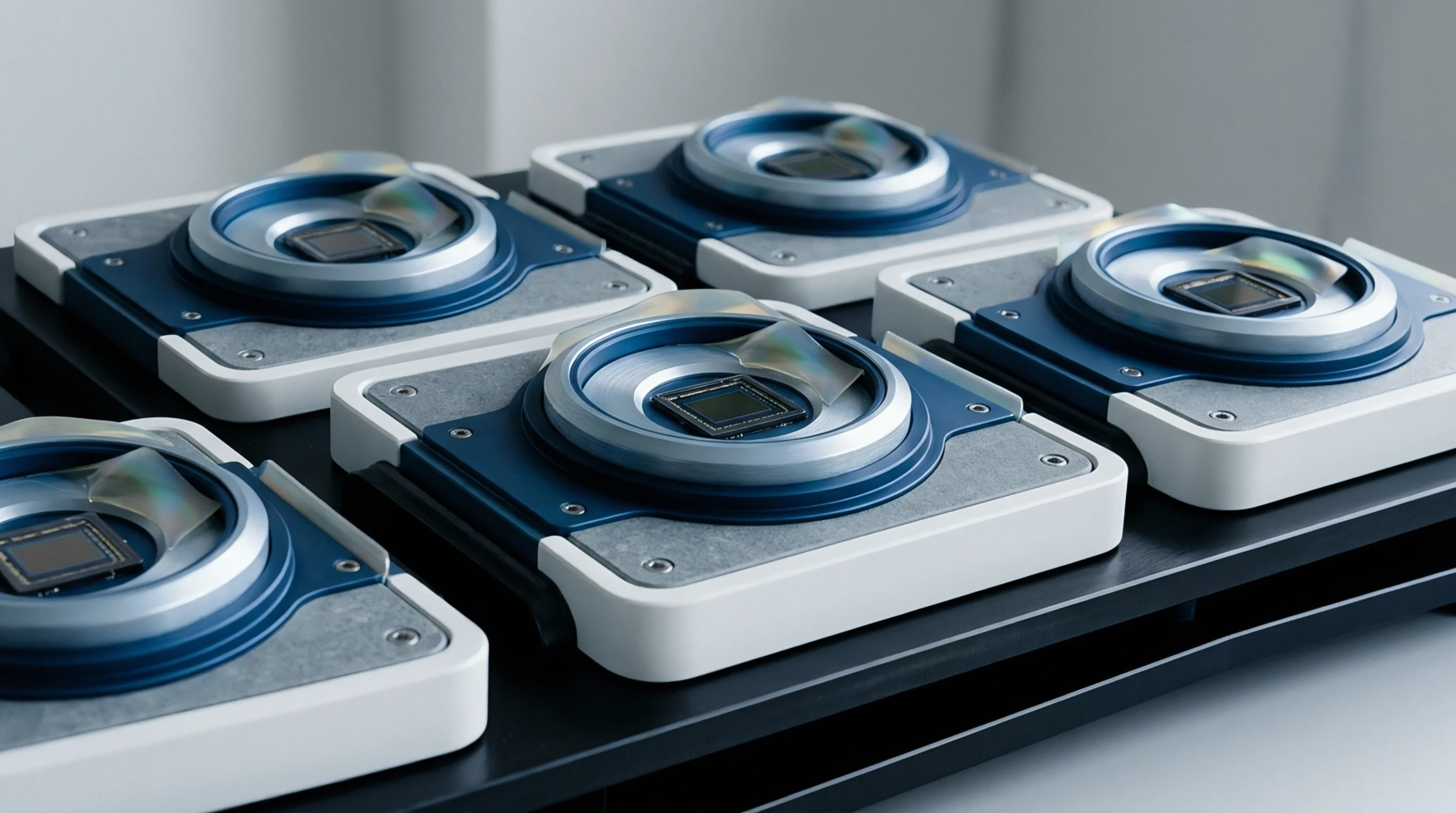
Residual thermo-viscoelastic stress relaxation in encapsulated silicon arrays drives multi-year zero drift, requiring Prony series modeling to bound calibration error.
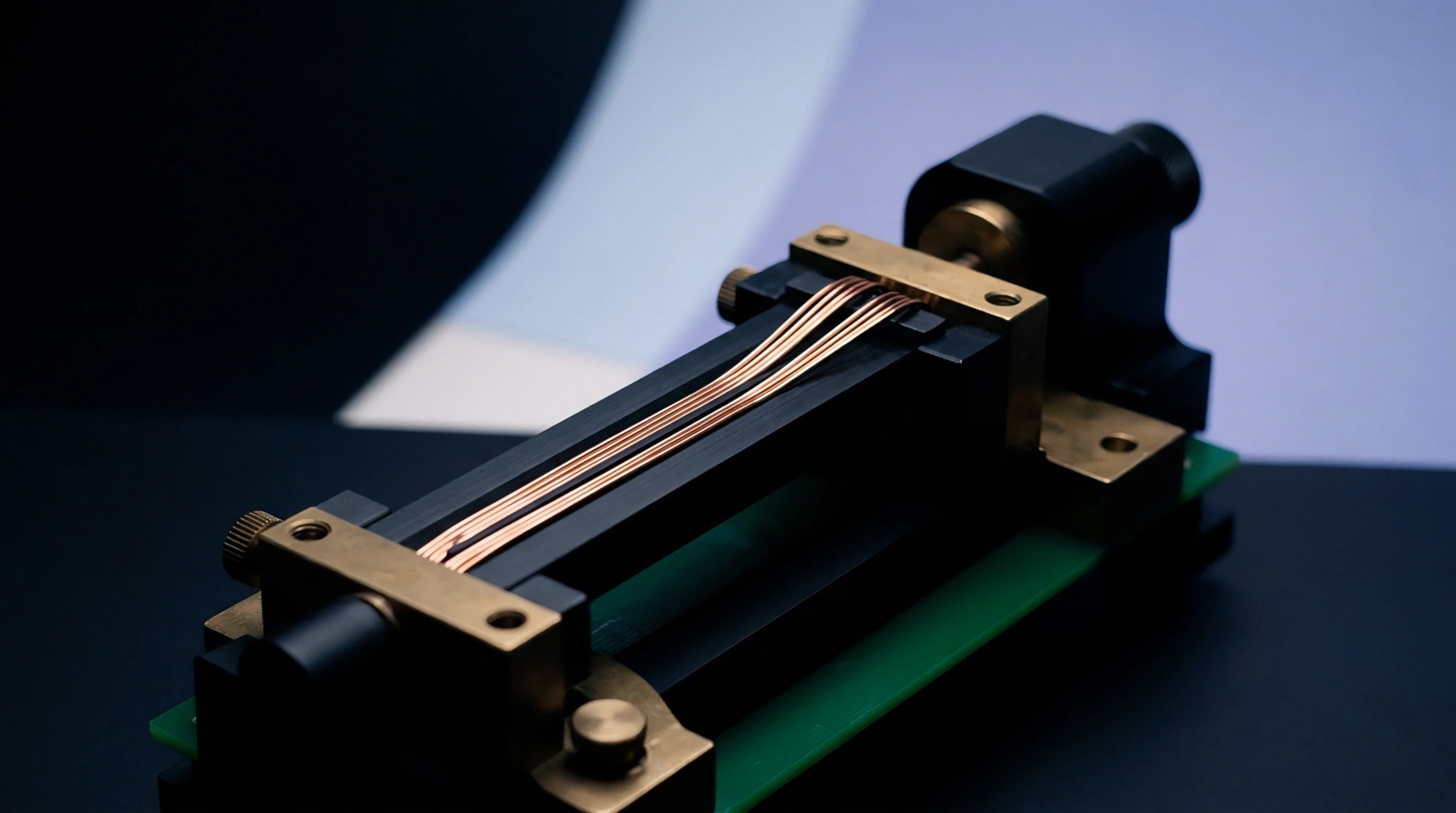
IPC/JEDEC strain compliance verification measures thermal reflow board strain with triaxial rosettes to prevent solder joint cracking and sensor offset drift.
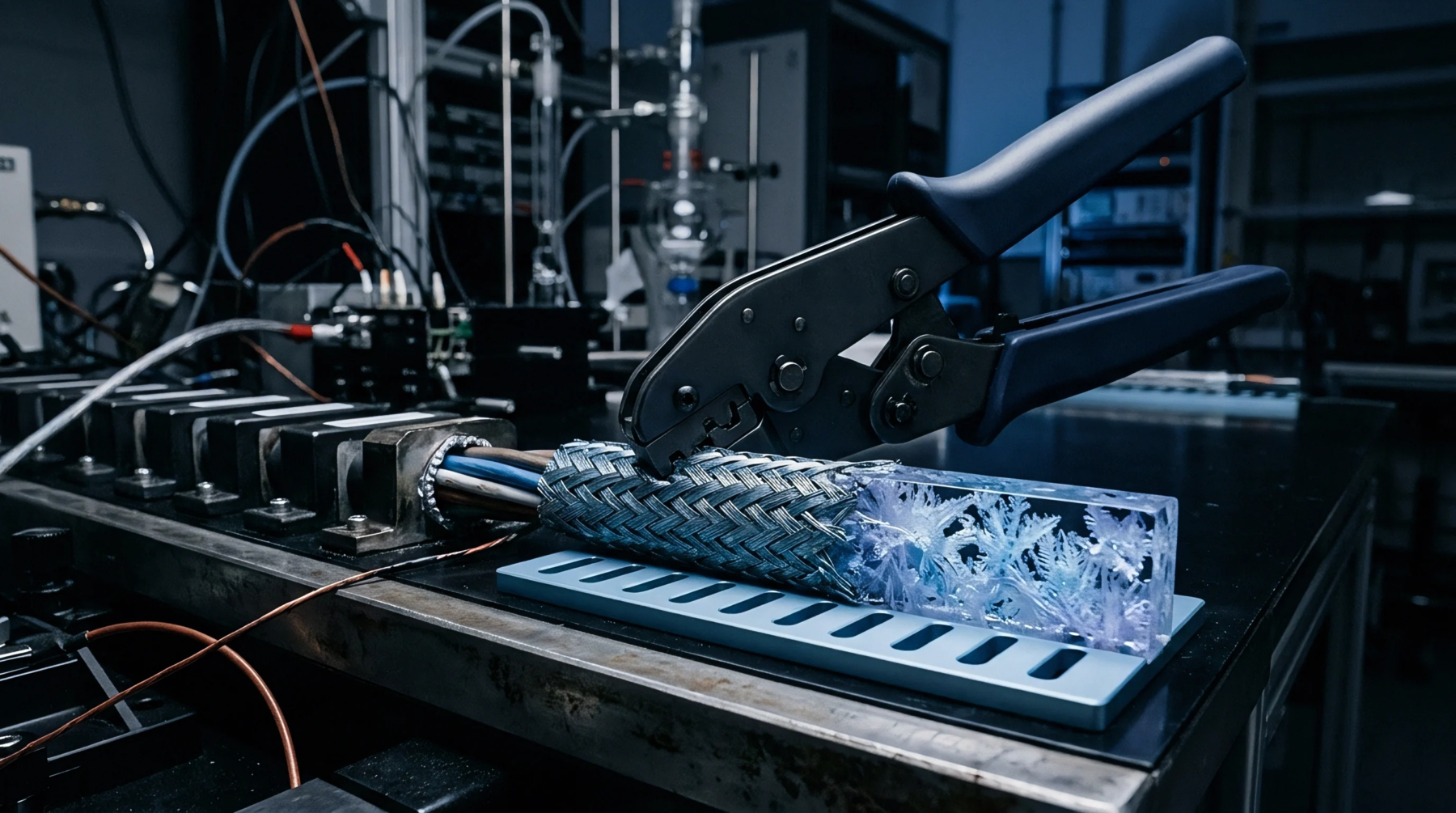
Calculate thermal burn-in via Arrhenius acceleration factors anchored to the lowest assembly activation energy, followed by a mandatory 24-hour settlement rest.
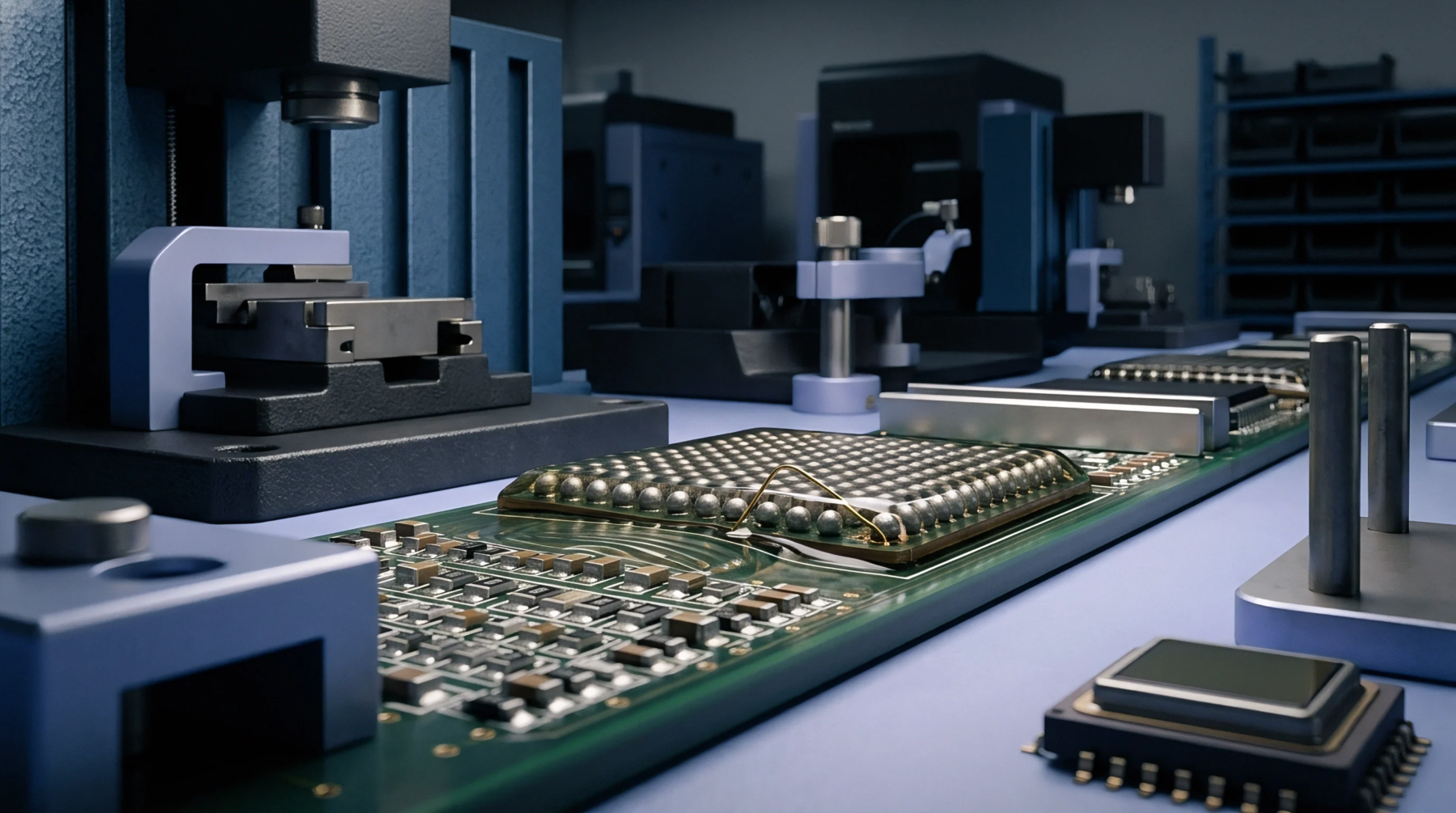
Substrate viscoelastic shear relaxation drives post-reflow sensor zero-point drift, requiring high-Tg resins, strain-decoupled pads, or host software recalibration.

Coupled hygro-thermo-mechanical stress inversion in molded underfill sensor cavities demands fillet radius optimization to prevent decade-long zero-point drift.
Subsea gyroscope potting matrices require pressure-corrected dynamic mechanical analysis and Prony series modeling to prevent long-term stress-induced zero-bias drift.
Potting elastomers with storage modulus below five megapascals across operating temperatures prevent asymmetric stress from degrading tactical gyro bias stability.

Compliant potting matrices eliminate interstitial voids and stabilize quadrupole fiber geometry to suppress Shupe thermal drift and vibration rectification.

Factory calibration performed before polymer shear stress reaches asymptotic stability introduces non-recoverable zero drift and span attenuation.

Polymeric vitrification during cryogenic transitions transforms soft potting into a high-modulus matrix, causing irreversible stress drift on embedded sensors.

Polymeric underfill relaxation alters MEMS package stress over time, requiring Prony series viscoelastic modeling to prevent field baseline calibration drift.

Asymmetric epoxy swelling induces die bending stress and digital zero-point calibration drift, requiring package isolation and specific land pattern geometries.

Physical aging shift factors require momentary creep tests under 0.1 aging time to quantify viscoelastic drift in vitrified thermosets accurately.
Expertise is a utility, not a secret. sentiention™ publishes its working knowledge as open reference: intelligence layer covering the materials it sources, the markets it enters, and the reference that serves both.