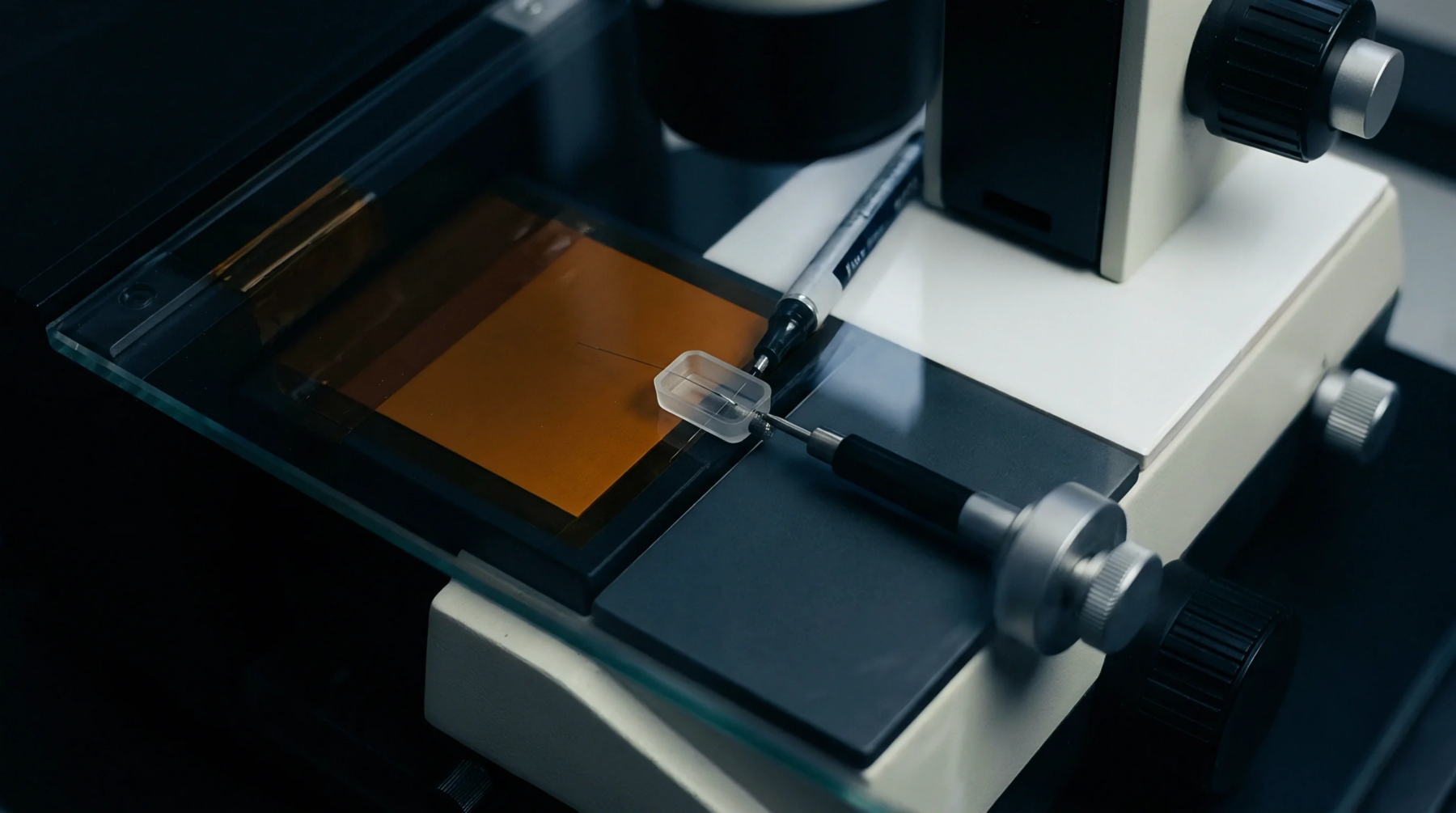
Stress Protocol
Experimental simulation of long-term temperature exposure applies elevated heat to estimate the operational lifespan of electronic sensing components. This systematic procedure, known as accelerated thermal aging, exposes test units to conditions far exceeding normal storage limits to induce failures in a compressed timeframe. Sensor housings and internal adhesive bonds are subjected to these environments to evaluate structural integrity.
The procedure reveals how mechanical seals fail before they can affect field performance. Measuring tools must withstand these extreme temperatures without losing their calibration profile during the test cycles.
Degradation Kinetics
Material breakdown follows chemical reaction rates that increase predictably when thermal energy rises. Silicon sensors undergo changes during accelerated thermal aging that simulate years of deployment in a few weeks. These changes include the slow migration of impurities and the decay of protective coatings.
Testing determines when these shifts will cause drift.
Arrhenius Qualification
Calibration stability is modelled using a mathematical function that scales the rate of chemical reaction with absolute temperature. This model allows engineers to select specific test temperatures and durations that correspond to years of field life. A typical test at eighty-five degrees Celsius might replicate ten years of use at room temperature.
Incorrect assumptions about activation energy can ruin the calculation.
Metrological Verification
Final certification demands that the sensor retains its specified accuracy after completing the heat exposure cycles. Baseline measurements are compared to post-exposure data to verify that the shift remains within acceptable tolerance limits. External laboratories carry out this step under controlled reference conditions.
High-precision reference instruments confirm the durability of the sensor design.