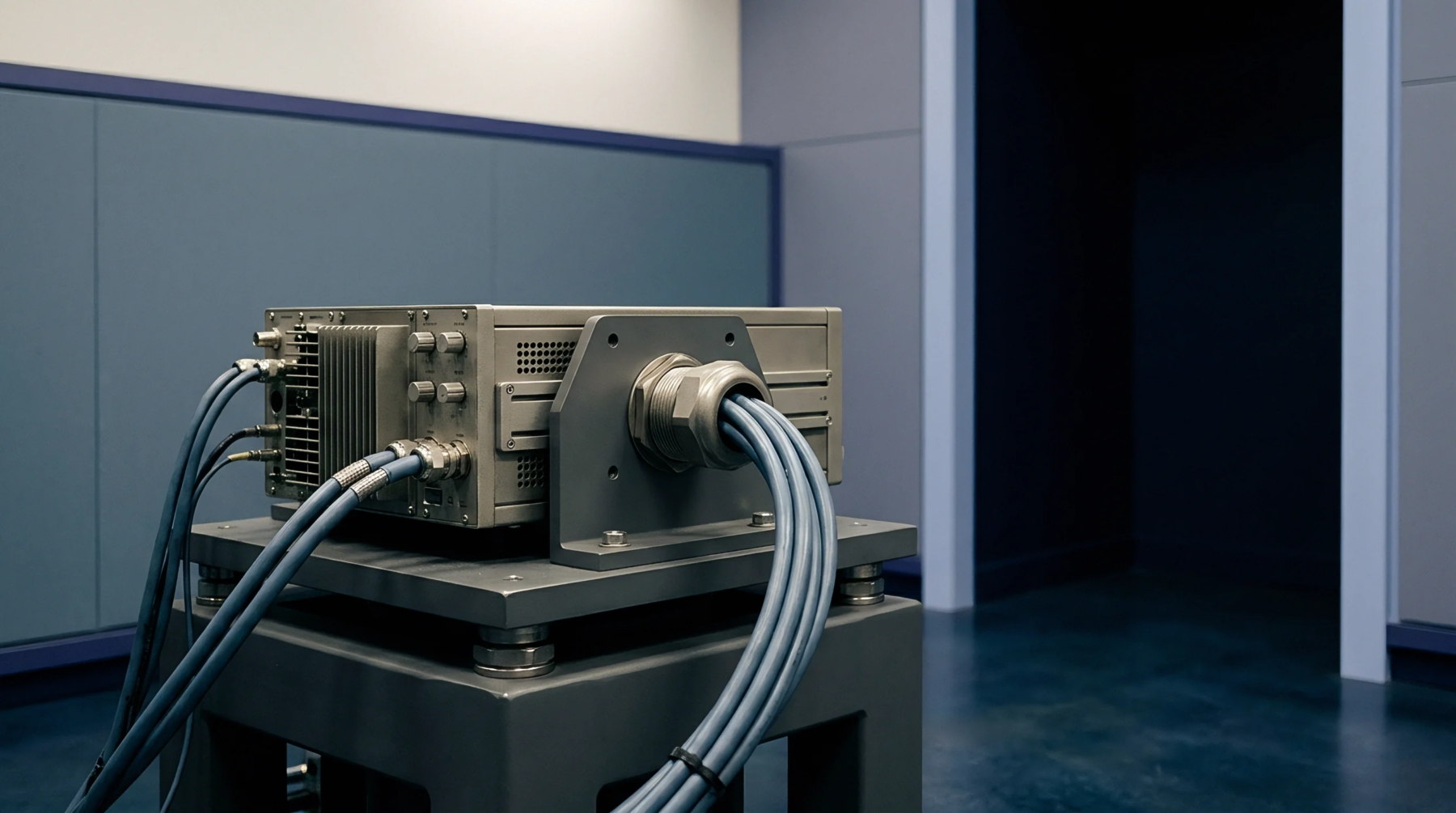
Tactical Inertial Measurement Unit Thermal Bias Modeling Fundamentals
Tactical IMU thermal bias modeling requires combining static higher-order polynomials with real-time temperature derivative terms to eliminate dynamic lag errors.
Tactical IMU thermal bias modeling requires combining static higher-order polynomials with real-time temperature derivative terms to eliminate dynamic lag errors.

Spatial thermal gradient mapping in micro-machined accelerometer arrays decouples linear motion from external board heat using differential thermopile matrices.

Spatial multi-point temperature sensing inside sub-Torr MEMS packages removes transient thermal gradient frequency drift down to sub-ppm precision limits.

Augmenting Extended Kalman Filters with dynamic temperature derivative states eliminates dynamic thermal bias drift during rapid ramp conditions.

Sub-Torr MEMS resonators experience in-phase bias instability when spatial thermal gradients skew anisotropic flexure stiffness, requiring multi-point sensing compensation.

Spatial thermal gradients shift MEMS zero rate drift by inducing asymmetric anchor stress, flexure mode coupling, and local frequency splitting.
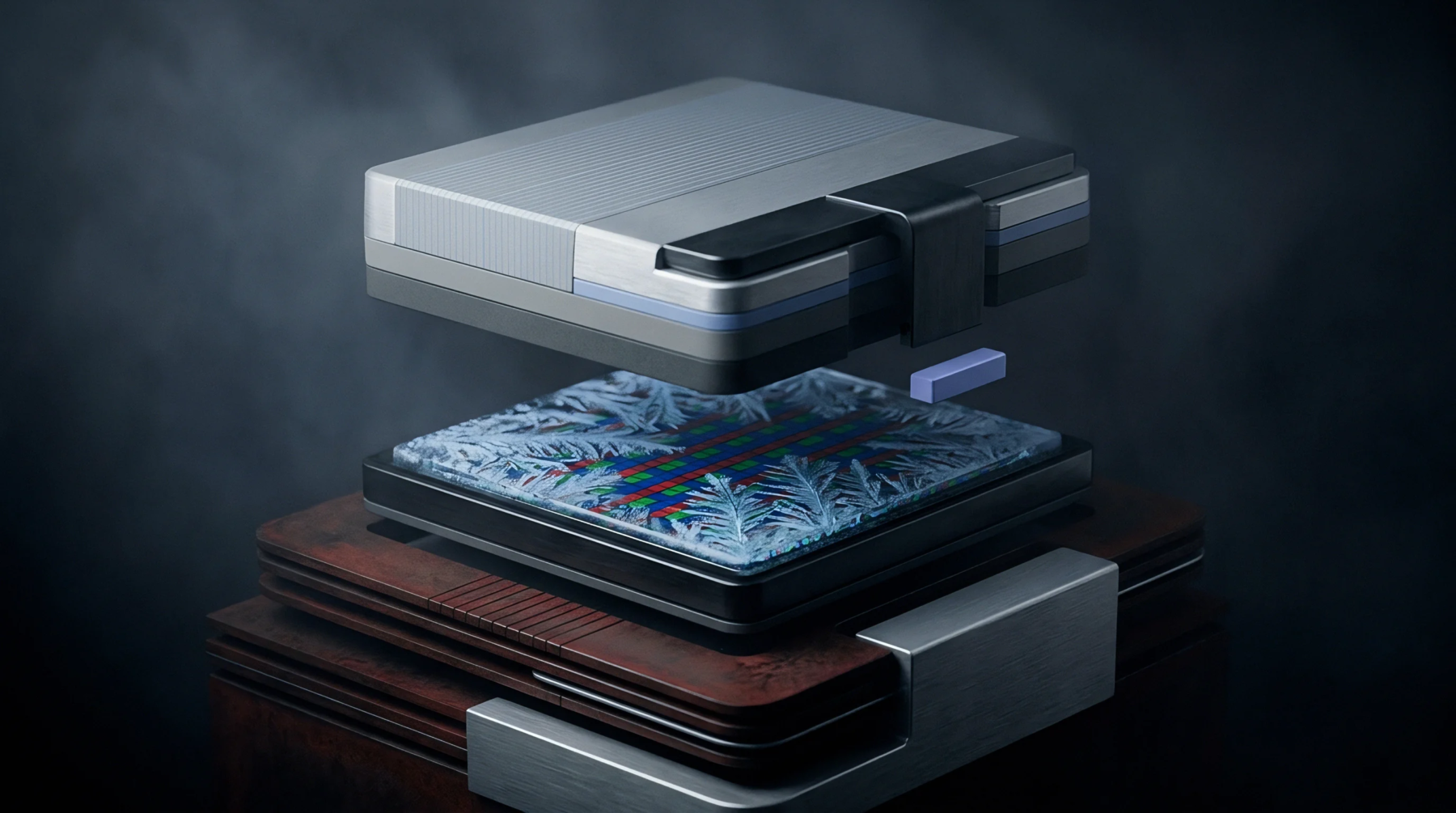
Dynamic thermal gradient compensation requires multi-node spatial sensing and state-space filtering to eliminate phase-lagged bias shifts during rapid thermal slewing.

Substrate thermal expansion creates packaging shear stress that warps MEMS proof masses, demanding central single-anchor isolation and polynomial offset calibration.
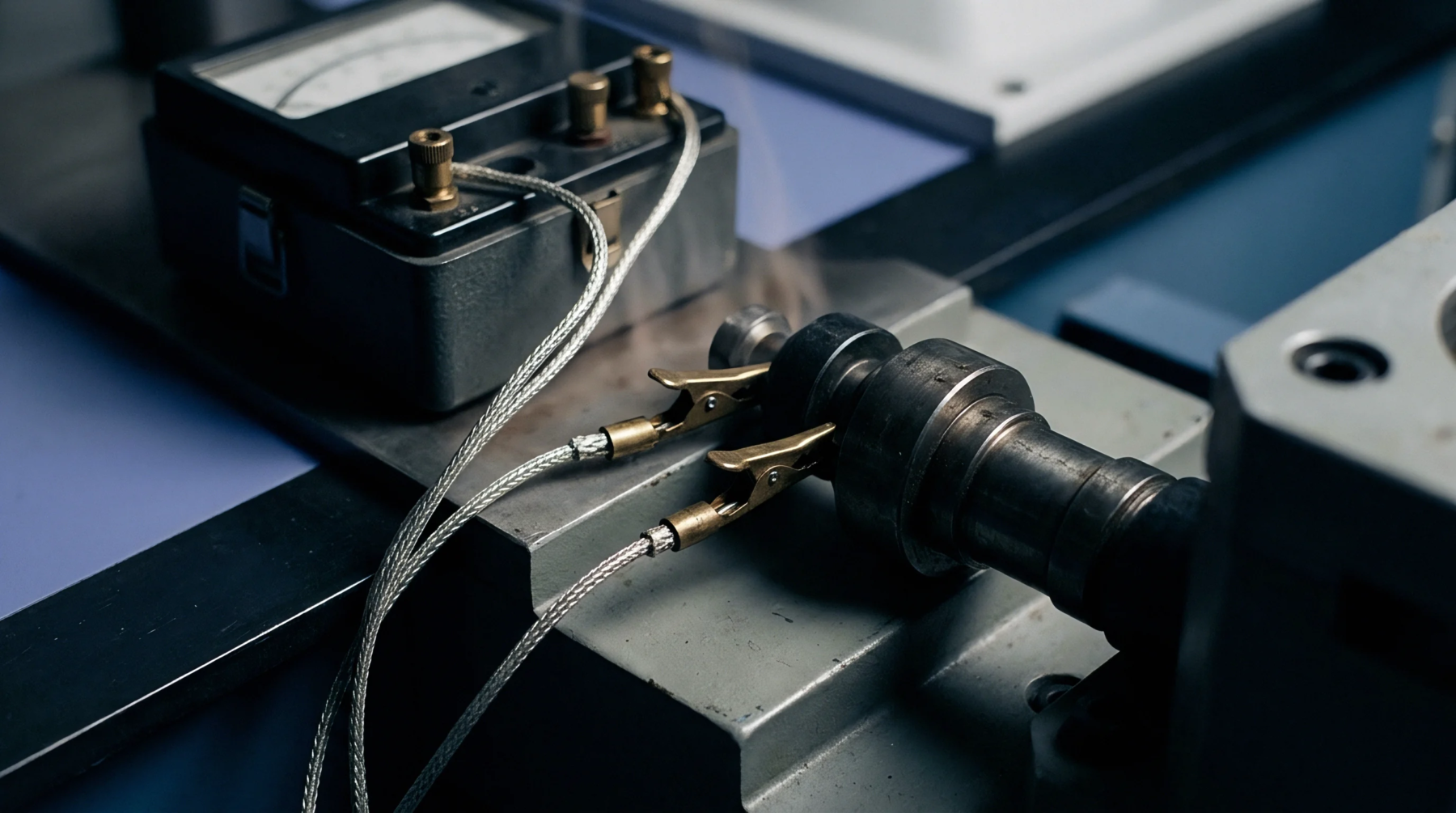
Unbudgeted sensor thermal settling times and hysteresis generate severe measurement errors, demanding mandatory package-level soak protocols to preserve field accuracy.
Expertise is a utility, not a secret. sentiention™ publishes its working knowledge as open reference: intelligence layer covering the materials it sources, the markets it enters, and the reference that serves both.