Bridge Instability
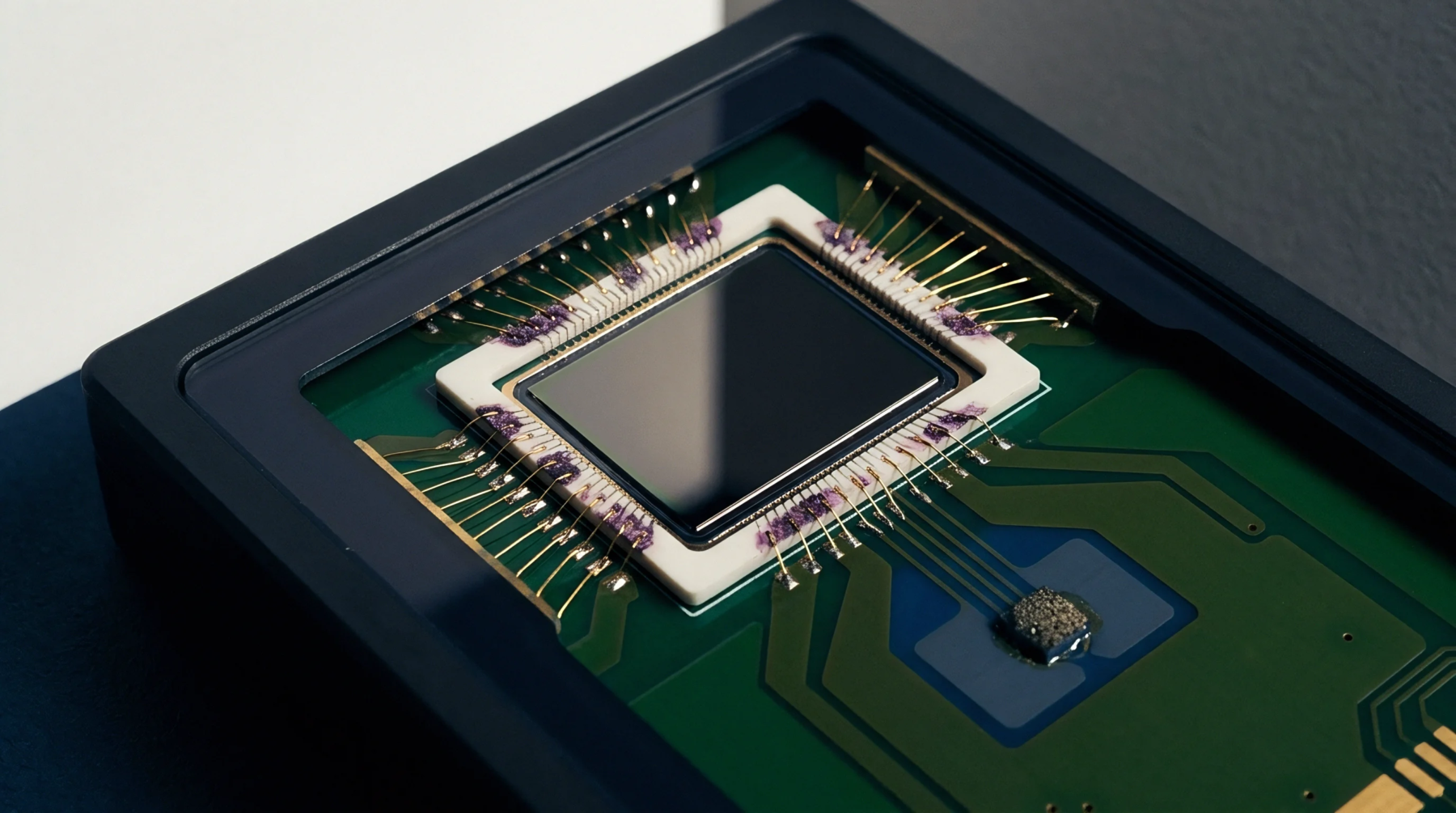
Resistance network imbalances in four-element strain and pressure sensing circuits introduce baseline offset and sensitivity changes over time and temperature cycles. Wheatstone bridge drift measures the uncommanded shift in differential output voltage under zero physical input conditions across operational lifespans. The parameter governs long-term zero-point stability in piezoresistive pressure sensors and strain gauge transducers.
Measurement units express drift in millivolts per volt of excitation or equivalent physical units over operational time intervals. The scope excludes transient bridge changes caused by AC excitation noise or line power variations.
Resistor Mismatch
Piezoresistive elements etched into silicon substrates experience differential resistance changes due to uneven dopant distribution, micro-cracks, or local mechanical strain. Thermal coefficient differences between opposing bridge arms cause zero-point voltage shifts during ambient thermal cycling. Exposure to high pressure or mechanical shock induces microscopic material relaxation within resistor structures.
Moisture ingress into non-hermetic packaging alters parasitic surface leakage paths across bridge nodes.
Strain Degradation
Die attach adhesive creep alters baseline mechanical strain applied to bridge elements.
Trimming Standard
Factory laser trimming adjusts thin-film resistor networks connected in series or parallel with bridge arms to balance initial offsets. Active digital compensation networks continuously monitor bridge temperature and apply offset correction codes to differential output amplifiers. Calibration procedures measure baseline drift at periodic intervals during thermal burn-in screening to identify unstable units.
Sensors exhibiting bridge drift rates above specified maximum limits are rejected before final system assembly.