Environmental Verification
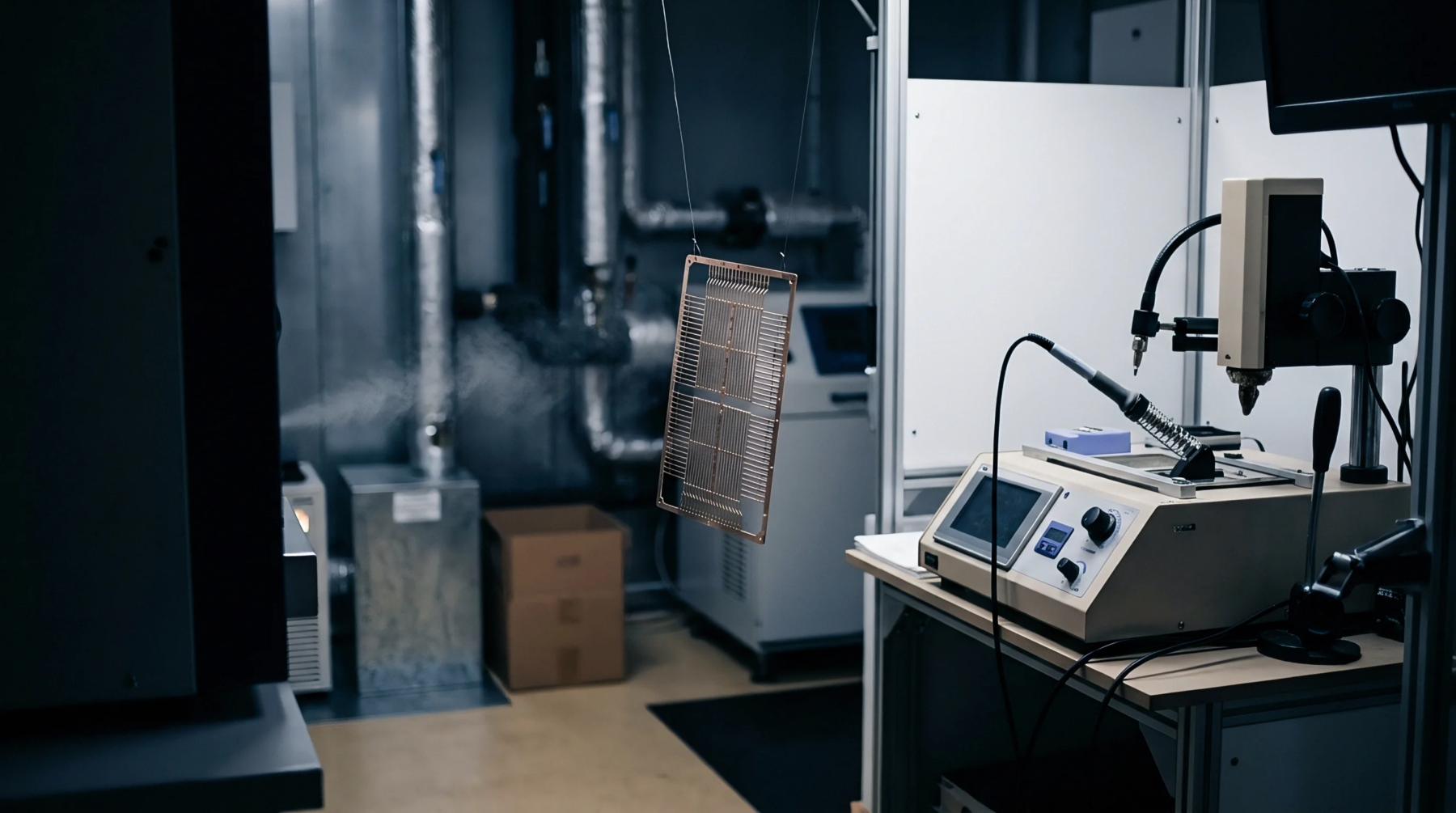
Test procedures within mil std 810h define the conditions under which equipment undergoes laboratory simulations of atmospheric and dynamic stresses. Designers utilize these guidelines to identify performance thresholds and failure points during the procurement of ruggedized hardware. Laboratory environments replicate external stressors to evaluate durability without subjecting assets to actual field deployment.
Stress Sequence
Material exposure to thermal cycling, high humidity, vibration, and salt fog occurs under controlled laboratory parameters. Technical personnel calibrate the intensity of these stimuli against anticipated lifecycle demands to ensure the test bed aligns with real operating durations. Each simulation isolates single stressors or combines them to observe how components degrade under specific combinations of pressure and temperature.
Variations in air density affect heat dissipation rates, requiring adjustments to the cooling simulations for high altitude environments. Mechanical shock protocols quantify the ability of an internal chassis to withstand sudden deceleration without internal contact loss.
Calibration Boundary
Measurement reliability depends on the difference between reference values and actual equipment response under laboratory stress. Tolerances defined by this standard dictate the maximum allowable drift in electrical outputs during high temperature excursions. Verification protocols assume that internal sensing components remain accurate only if thermal gradients stay below specified gradients.
Signal integrity often drops when electromagnetic interference filters fail to operate at the edge of the certified vibration range.
Compliance Validity
Certification signifies that the design meets the test objectives defined by the document for a defined mission profile. Attestation does not guarantee survival in all circumstances because the laboratory simulation remains a model rather than a replica of uncontrolled environmental chaos. Accuracy in these assessments rests on the fidelity of the test setup rather than the mere possession of a certificate of conformance.
Field performance remains a probabilistic outcome governed by the precision of initial laboratory qualification.