Joint Degradation
Thermal expansion mismatch creates mechanical strain across internal electronic connections. Solder fatigue occurs when repeated cycling between operational temperature extremes generates micro-cracks within the alloy lattice. This phenomenon leads to an eventual electrical open circuit or high resistance state as the fractured surfaces lose physical contact.
Cycling Physics
Coefficients of thermal expansion between component packages and printed circuit boards dictate the magnitude of the resulting shear force. High strain rates accelerate the migration of metallic grains and the formation of voids along intermetallic layers. Low temperature cycles reduce the ductility of common lead-free alloys and increase the susceptibility to brittle fracture modes.
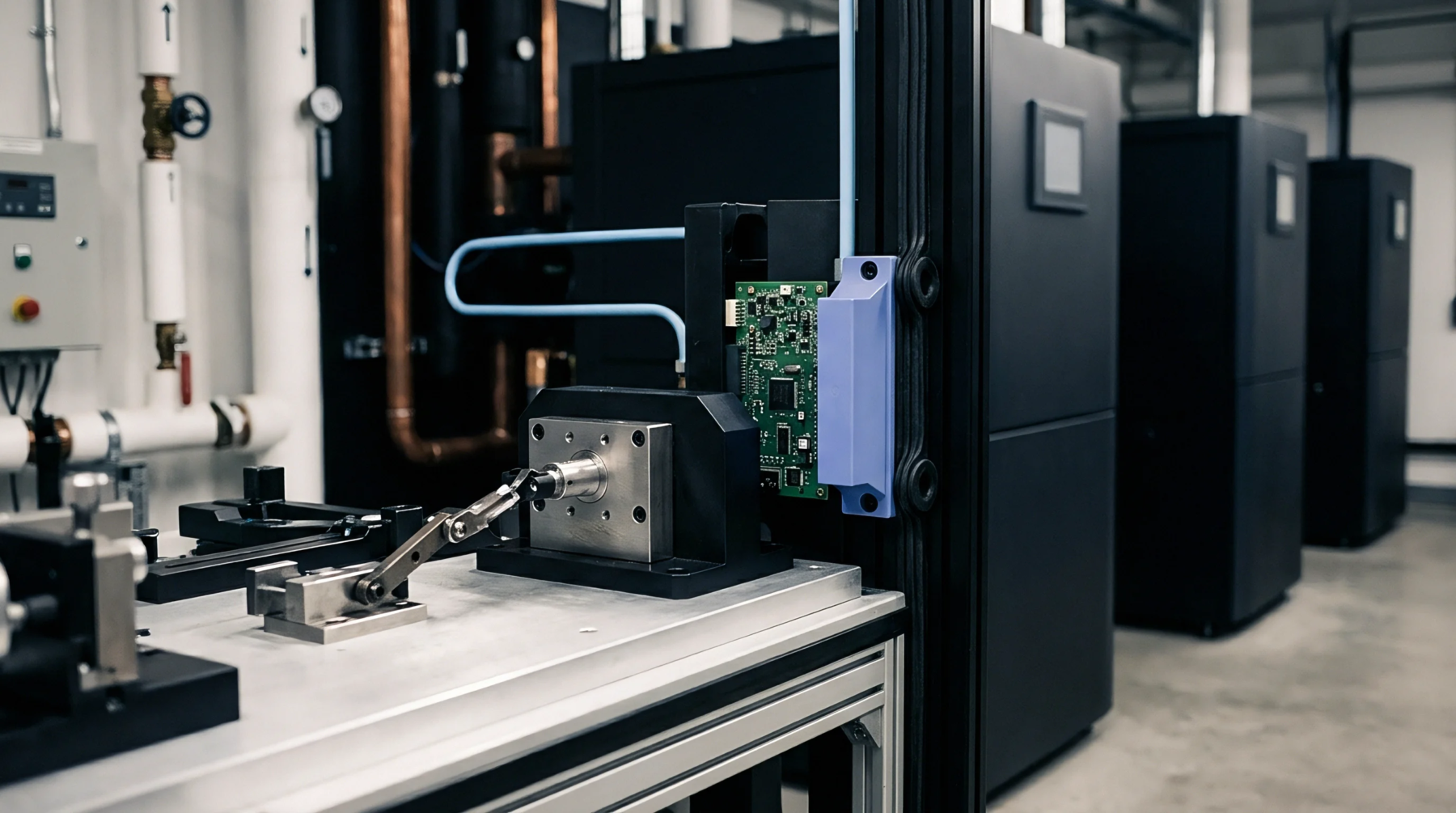
Laboratory verification requires environmental chambers that replicate field temperature profiles to monitor resistance transitions in real time.
Validation Standards
Certification bodies define test conditions by specifying ramp rates and dwell times for thermal shock evaluation. Accuracy in life prediction relies upon matching the model parameters to the actual dwell duration observed in the field, as creep deformation dominates during extended thermal plateaus. Calibration of the sensor suite ensures that the registered temperature at the thermocouple junction mirrors the temperature of the internal solder joints.
Drift in the heating element control circuitry introduces errors that invalidate long duration reliability projections.
Failure Morphology
Metallographic analysis of cross-sectioned samples reveals the characteristic striations left by crack propagation. Microscopic inspection determines whether the fracture originated from thermal cycle accumulation or from excessive mechanical shock loading. Consistent observation of grain boundary sliding indicates that the material reached the limit of its plastic deformation capacity before structural failure.